Introduction
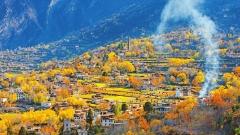
Located along the famous G318 Sichuan–Tibet Highway, Xinduqiao is one of the most scenic destinations in western Sichuan. Often described as a “photographer’s paradise,” this highland town is surrounded by snow-capped mountains, vast grasslands, Tibetan villages, winding rivers and golden poplar forests. From sunrise over Mount Gongga to sunset at Yuzixi, the scenery changes dramatically with the weather and season, making every journey feel different.Xinduqiao is more than just a stopover between Kangding and Tibet. It is an ideal base for exploring some of western Sichuan’s most spectacular viewpoints, including Yuzixi, Lenggacuo, Zimei Pass, Yaha Pass, Tagong Grassland, Moxing Park and Jiagenba. Whether you are planning a self-drive road trip, a photography journey or your first high-altitude adventure in Sichuan, this guide covers the essential attractions, recommended routes, travel seasons, accommodation tips, altitude considerations and driving advice you need to know before you go.
Key Highlights
- Best attractions: Yuzixi, Tagong Grassland, Moxing Park, Jiagenba, Shili Gallery and the surrounding Tibetan villages are among the must-see places around Xinduqiao.
- Best sunset viewpoints: Yuzixi, Gediramu Sky City, Balang Shengdu, Zesangla Sky Garden and Gunong Village are popular spots for sunset, snow mountains and photography.
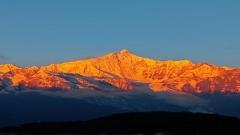
- Best mountain views: On clear days, several high-altitude viewpoints offer spectacular views of Mount Gongga and surrounding snow-capped peaks.
- Recommended itinerary: A 3-day, 2-night Xinduqiao road trip is suitable for first-time visitors, covering the classic attractions without rushing.
- Best travel seasons: April to June is ideal for spring scenery and wildflowers, while September to November offers golden autumn landscapes and clearer mountain views.
- Altitude reminder: Xinduqiao sits at around 3,400 meters, while some viewpoints exceed 4,000 meters. Allow time for acclimatization and avoid overexertion.
- Driving advice: Many mountain viewpoints involve gravel or unpaved roads. An SUV or vehicle with good ground clearance is recommended for places such as Yuzixi, Gediramu and Balang Shengdu.
- Photography tips: Arrive at the viewpoint around 30 minutes before sunset and keep warm. Mountain weather can change quickly, especially from October onward.
- Accommodation: Choose hotels or guesthouses with heating and oxygen facilities if possible, particularly for travelers who are not accustomed to high-altitude environments.
- Best travel style: Xinduqiao is best experienced at a slower pace. Leave enough time for roadside viewpoints, Tibetan villages, mountain roads and unexpected scenery rather than simply checking off attractions.
Xinduqiao
Xinduqiao Travel Guide: A Must-Visit Destination in Western Sichuan
Xinduqiao is located in Kangding, Garze Tibetan Autonomous Prefecture, Sichuan Province. It is one of the most popular stops on road trips through Western Sichuan and an important stop along the G318 Sichuan-Tibet Highway.Many first-time visitors simply use Xinduqiao as an overnight stop before continuing toward Tibet. However, the area around Xinduqiao is much more than a transit point. Within a few hours’ drive, you can experience snow-capped mountains, alpine grasslands, forests, valleys, Tibetan villages, monasteries and high-altitude lakes.For travelers visiting Western Sichuan for the first time, spending two or three days around Xinduqiao is highly recommended.The landscape is also one of the biggest attractions. Early mornings are ideal for photographing misty valleys and grazing animals, while afternoons are perfect for exploring Tagong Grassland and Jiagenba. Around sunset, you can look for viewpoints facing Mount Gongga for the famous golden mountain glow. If the weather is clear, some high-altitude camps also offer spectacular views of the Milky Way at night.However, Xinduqiao sits at around 3,400 meters above sea level, while several nearby viewpoints are above 4,000 meters. Altitude, road conditions and weather should therefore be taken seriously when planning your trip.
Best Places to Visit Around Xinduqiao
The Ten-Mile Gallery: An Easy Scenic Drive
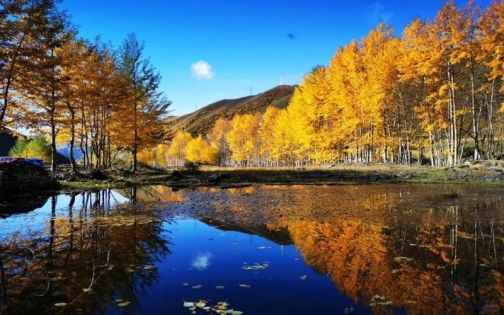
The Ten-Mile Gallery around Waze along G318 is one of the easiest places to explore near Xinduqiao. Along the road, you can find streams, grasslands, poplar trees, Tibetan houses and grazing livestock.The scenery is especially beautiful in autumn.Early morning is a great time for soft light and valley mist, while the late afternoon creates beautiful layers of light across the mountains and forests. There is no need to visit a formal attraction here—the landscape itself is the highlight.When driving, always park in safe designated areas instead of stopping randomly in the middle of the road for photographs.
Jiagenba: A Quieter Tibetan Village Area
Jiagenba is located not far from Xinduqiao and is ideal for a half-day excursion. Compared with Xinduqiao town, the area is generally quieter and offers a more authentic landscape of Tibetan villages, alpine meadows, streams and grazing land.In late spring and early summer, some areas are covered with wildflowers. In autumn, the surrounding trees gradually turn golden.If you enjoy landscape photography, village scenery and local culture, Jiagenba is worth adding to your itinerary.
Tagong Grassland: Alpine Grasslands with Snow Mountains
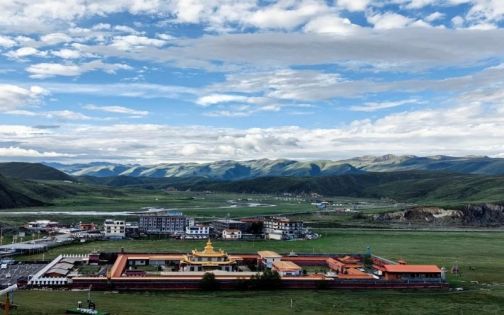
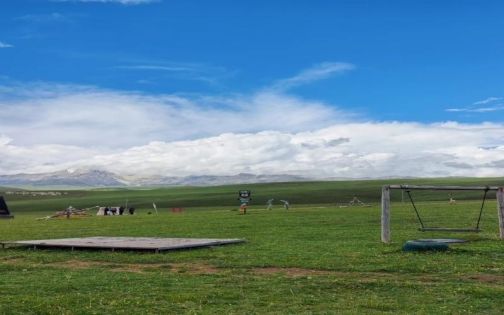
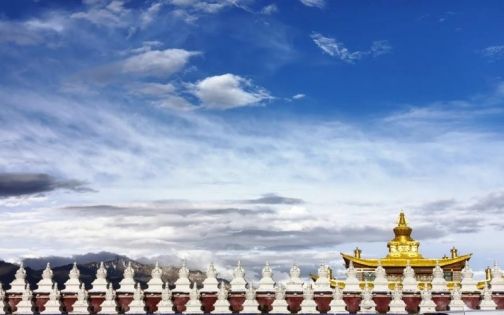
Tagong Grassland is one of the most famous highland grasslands in Western Sichuan. On clear days, the vast grassland is framed by the snow-covered peaks of Mount Yala.A half-day is usually enough to explore the main area, including Tagong Grassland, Muya Golden Pagoda and nearby Tibetan villages.It is also a good place to experience Tibetan cultural scenery, including traditional architecture, prayer wheels and local horseback riding activities.If you happen to encounter a local horse-racing or cultural festival, check the schedule in advance and respect local customs and private property.
Moxing Park: A Surreal Black Stone Landscape
Moxing Park is famous for its dark gray and black stone formations. The unusual landscape can look almost like an alien planet, making it one of the most distinctive attractions around Xinduqiao.The park usually requires an entrance ticket and sightseeing shuttle ticket. Prices can change, so check the latest official information before visiting.For photography, brightly colored clothing contrasts particularly well with the dark stone landscape. However, ultraviolet radiation is strong at high altitude, so sunscreen, sunglasses and sun protection are essential.Moxing Park is best visited during the daytime and can easily be combined with Tagong Grassland.
Where to See Mount Gongga and Golden Mountain
Yuzixi: One of the Most Popular Mountain Viewpoints
Yuzixi is one of the most popular high-altitude viewpoints near Xinduqiao. At around 4,200 meters above sea level, it can offer views of both Mount Gongga and Mount Yala on clear days.This makes it one of the most popular places for watching the golden mountain glow at sunset.The road from Xinduqiao is partly paved, but the final section can include gravel and unpaved roads. An SUV is generally more suitable, while ordinary sedans should only attempt the route after checking current road conditions.The best time to visit is generally before sunset. Do not arrive at the last minute. Mountain weather can change quickly, so arriving early gives you enough time to park, find a good viewpoint and prepare for the cold.The summit can be extremely windy, so bring a warm jacket even during summer.One important point: online photographs of Yuzixi can sometimes create unrealistic expectations. Actual visibility depends heavily on weather, clouds and individual conditions. Without a telephoto lens, distant peaks such as Mount Gongga may look much smaller in smartphone photos than they appear online.
Gedilamu: A High-Altitude Photography Spot
Gedilamu, often promoted as a mountain “Sky City,” is another high-altitude viewpoint at roughly 4,200 meters.The area features decorative structures such as a lighthouse, cabins, vehicles and other photo props, making it popular among visitors looking for cinematic travel photos.The road to the top includes gravel mountain roads and steep sections. Check local road and access conditions before driving there, especially during bad weather.
Balangshengdu: A Quieter Mountain Experience
Balangshengdu is located at approximately 4,288 meters and is suitable for travelers looking for a more remote and open mountain landscape.On clear days, you may see Mount Gongga, Mount Yala and other surrounding peaks. The area is particularly popular among landscape and Milky Way photographers.However, the high altitude and road conditions make this a more challenging excursion. Some sections can be rough and unpaved, so inexperienced high-altitude drivers should not treat it as a casual stop.
Juli Temple Pass: Close to Xinduqiao
For travelers who do not want to drive too far into the mountains, Juli Temple Pass is another option.At approximately 4,100 meters, it is relatively close to Xinduqiao and can offer views toward Mount Gongga around sunset when weather conditions are favorable.Compared with some of the more commercialized viewpoints, the atmosphere here is quieter. Remember that this is also a religious and cultural area, so visitors should behave respectfully and avoid photographing monks at close range without permission.
Gunong Village: A Lower-Altitude Alternative
For travelers who are concerned about altitude sickness, Gunong Village can be a more comfortable option.The village sits at roughly 3,400 meters and is relatively accessible by road. Ordinary cars can generally reach the area more easily than some of the high-altitude viewpoints.The combination of streams, grassland and Mount Yala in the background makes the village attractive for photography. Although the views may not be as panoramic as those from a 4,000-meter viewpoint, the lower altitude makes it a more relaxed option.
Xinduqiao
Advanced Destinations Around Xinduqiao
Lenggacuo: A Famous Mount Gongga Reflection Lake
Lenggacuo is not located directly in Xinduqiao, but it is one of the most famous high-altitude lakes in the wider Mount Gongga region.When the weather is clear and the lake surface is calm, Mount Gongga can be reflected almost perfectly in the water. This is why many landscape photographers make a special trip here.The main challenge is not the scenery but the altitude, road conditions and physical effort required. If local horseback transportation is available, conditions and prices should be confirmed locally rather than relying entirely on older online travel posts.
Zimei Pass: An Up-Close View of Mount Gongga
Zimei Pass is another famous viewpoint for Mount Gongga. When visibility is good, the mountain feels remarkably close, with opportunities for sunrise, sunset and cloud-sea photography.However, this is a more advanced destination within the Western Sichuan region. Travelers should check current road conditions and local access restrictions before setting out.
Yaha Pass: A High-Altitude Mountain Viewpoint
Yaha Pass is located above 4,500 meters and is best suited to travelers who have already adapted to high altitude and are traveling during stable weather.On clear days, the viewpoint offers impressive views of the Mount Gongga range.For first-time visitors to the plateau, however, there is no need to visit several 4,000-meter-plus passes in a single trip simply to collect more viewpoints. Your body should always take priority over your itinerary.
A 3-Day Xinduqiao Road Trip Itinerary
Day 1: Chengdu – Kangding – Zheduo Mountain – Xinduqiao
Start from Chengdu and drive toward Kangding via the Ya’an–Kangding Expressway before crossing Zheduo Mountain and continuing to Xinduqiao.After arriving, avoid immediately heading to more high-altitude attractions. Instead, take the afternoon to rest, eat, buy supplies and allow your body to gradually adapt to the altitude.If you feel comfortable, you can take a short walk around Xinduqiao, but it is not recommended to visit a 4,200-meter viewpoint on your first day.
Day 2: Jiagenba – Alpine Meadows – Juli Temple Pass
Spend the second day exploring Jiagenba and surrounding villages and meadows. You can visit Tiwu Village and other scenic areas depending on road and weather conditions.Return toward Xinduqiao in the afternoon and, if the weather is favorable, head toward Juli Temple Pass to wait for sunset and the golden mountain glow.If clouds block the mountains, do not force the schedule. Weather plays a major role in Western Sichuan, and conditions can change rapidly.
Day 3: Tagong Grassland – Moxing Park – Gunong Village – Kangding
On the third day, visit Tagong Grassland and Moxing Park. If time allows, continue to Gunong Village before returning toward Kangding or continuing your journey along the G318 route.If your schedule is flexible, consider extending the trip to three or four days. There is no need to squeeze every attraction into a single day.
Best Time to Visit Xinduqiao
April to June: Green Grasslands and Wildflowers
April to June is a good period for travelers who prefer green grasslands, wildflowers and fresh spring scenery.Some areas may have colorful wildflowers during late spring and early summer, although the exact flowering period depends on that year’s temperatures and weather.
September to November: Autumn Colors and Snow Mountains
September to November is one of the most popular periods for photography in Xinduqiao.Autumn brings golden trees and clearer mountain scenery, while early mornings and late afternoons provide excellent natural light.From October onward, some high-altitude areas may experience snowfall. Always check current weather and road conditions before driving into the mountains.
Accommodation and Altitude Tips
Choose Accommodation Carefully
Xinduqiao sits at approximately 3,400 meters, which can be challenging for travelers who are new to high-altitude environments.When choosing accommodation, prioritize reliable heating, hot water and comfortable sleeping conditions rather than simply choosing the cheapest room.If you are concerned about altitude sickness, consider spending an additional night in Kangding or another lower-altitude area before staying in Xinduqiao.After arrival, avoid strenuous exercise, alcohol and staying up late. Mild symptoms such as headache, nausea or fatigue should be taken seriously and monitored.If symptoms become severe, especially significant breathing difficulties, confusion or altered consciousness, seek medical attention promptly.
Xinduqiao
What Type of Car Do You Need for Xinduqiao?
Where Can Sedans Go?
Xinduqiao town, the G318 highway, Tagong Grassland, Gunong Village and many paved roads can generally be accessed by ordinary sedans under normal conditions.However, routes toward Yuzixi, Gedilamu, Balangshengdu and some mountain viewpoints can include steep gravel or unpaved roads.An SUV provides better ground clearance and generally offers greater flexibility for Western Sichuan road trips. However, having four-wheel drive does not mean that every road is safe to drive.During rain, snow, ice, landslides or temporary road closures, road conditions should always take priority over the vehicle type.
Practical Tips for Visiting Xinduqiao
Bring Sun Protection, Warm Clothing and Emergency Oxygen
UV radiation is strong at high altitude, even when temperatures are low. Sunscreen, sunglasses, a hat and sun-protective clothing are highly recommended.For trips above 4,000 meters, bring a warm jacket, windproof clothing and gloves. Temperatures can drop quickly after sunset.Portable oxygen can be carried as an emergency item, but it should not be considered a guarantee against altitude sickness. If you feel unwell, the priority is to stop ascending, rest and descend if necessary.
Do Not Risk Your Safety for Golden Mountain Photography
The golden mountain glow is spectacular, but it is never guaranteed. Clouds, wind, snow and visibility can completely change the experience.If it becomes dark, avoid rushing back along unfamiliar mountain roads just to meet your accommodation schedule.For high-altitude road trips, the most important rule is simple: you can miss a view, but you should never risk your safety for one.
Respect Local Culture and the Environment
The Xinduqiao region is home to many Tibetan villages, monasteries and pastoral communities.When visiting monasteries, dress appropriately and follow local religious customs. Do not touch religious objects without permission, and avoid photographing monks or local residents at close range without consent.When visiting grasslands, lakes and mountain areas, take all your rubbish with you and avoid driving into private pastureland.Some outdoor viewpoints may charge small parking or sanitation fees. If you encounter a fee, confirm the amount and purpose before paying.
Is Xinduqiao Worth Visiting?
The real charm of Xinduqiao is not a single “must-see” attraction. It is the incredible variety of Western Sichuan landscapes that surround the town.Xinduqiao also works as an excellent base for exploring Tagong, Jiagenba, Mount Gongga and the surrounding mountain areas.For first-time visitors, it is not recommended to visit Yuzixi, Gedilamu, Balangshengdu and Moxing Park all in one day. One of the biggest mistakes travelers make on high-altitude trips is constantly gaining elevation while cutting down on rest time simply to visit more attractions.A better approach is to choose destinations according to your physical condition and travel style.For an easy scenic trip, consider Xinduqiao–Jiagenba–Tagong–Gunong Village. For snow mountains and golden mountain views, choose Yuzixi or Juli Temple Pass. For more challenging high-altitude landscapes, consider Balangshengdu, Yaha Pass or Zimei Pass.For travelers driving through Western Sichuan, Xinduqiao offers much more than a famous “photography paradise.” It is where the journey west along the G318 begins to feel truly alpine, with snow-covered mountains, vast grasslands, winding valleys and Tibetan villages creating one of the most memorable landscapes in Sichuan.
Xinduqiao