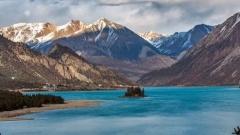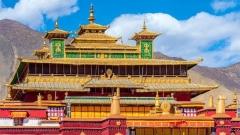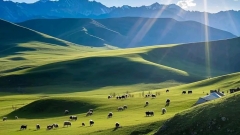

Flowing across some of the world’s highest landscapes, the Yarlung Tsangpo River is the lifeline of southern Tibet. Known for its breathtaking beauty and mysterious course, this river begins amid the snow-capped Himalayas and eventually joins the Indian Ocean thousands of kilometers away. The Yarlung Tsangpo’s journey is not just a natural wonder—it’s a story of geography, culture, and the deep connection between people and water on the Tibetan Plateau.
Where the Yarlung Tsangpo Begins
The river’s source lies in the Angsi Glacier, near the sacred Mount Kailash in western Tibet, at an altitude of over 5,000 meters. Here, meltwater from eternal snow gives birth to one of Asia’s most important rivers.
Flowing eastward, the Yarlung Tsangpo nourishes the Yarlung Valley, often called the “cradle of Tibetan civilization.” The valley is home to some of Tibet’s oldest landmarks — including Yungbulakang Palace, the legendary first Tibetan palace, and Samye Monastery, the first Buddhist monastery in Tibet.
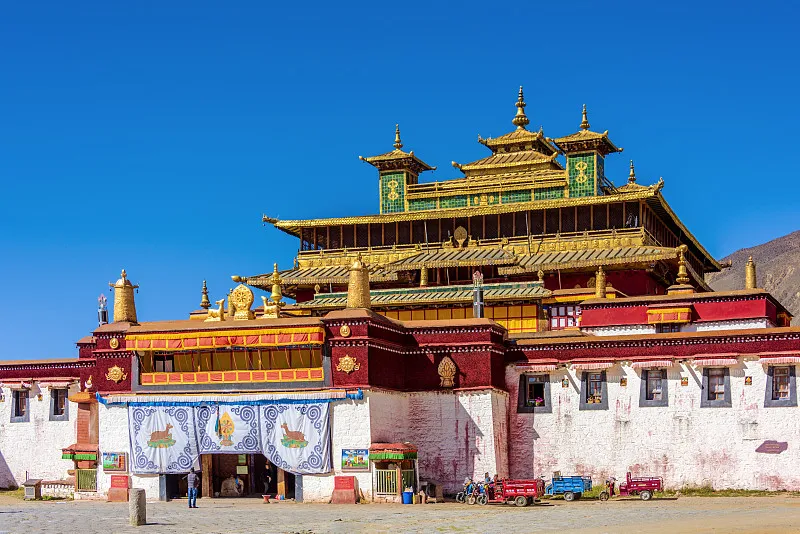
Shannan Samye Temple
Travelers visiting this area with China Dragon Travel often describe it as a journey through time: the landscapes may change, but the spiritual energy feels timeless.
The Majestic Yarlung Tsangpo Grand Canyon
As the river moves east, it enters one of Earth’s greatest natural wonders — the Yarlung Tsangpo Grand Canyon.
Stretching about 500 kilometers, it is deeper than the Grand Canyon in the United States and home to astonishing biodiversity.
At Namcha Barwa Peak (7,782 m), the river plunges dramatically, carving a landscape of dense forests, hidden waterfalls, and snow-capped ridges.
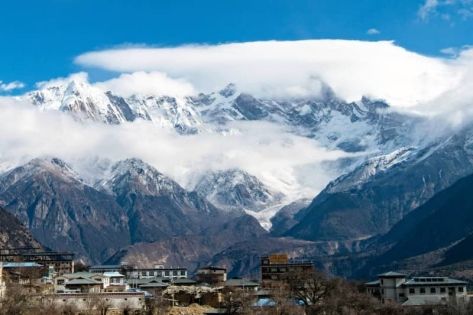
Mount Namcha Barwa
The canyon’s microclimates range from icy alpine zones to subtropical valleys — a transition that amazes geographers and travelers alike.
China Dragon Travel offers customized tours through Nyingchi Prefecture, where travelers can admire the river’s turquoise waters and the towering Namcha Barwa from safe, scenic viewpoints.
The Great Bend: Nature’s Dramatic Turn
Near Namcha Barwa, the Yarlung Tsangpo makes a spectacular U-shaped turn — the Great Bend — before leaving the Tibetan Plateau.
This area, filled with swirling mist and thundering rapids, has long fascinated explorers and photographers. It represents the raw power of nature and the mystery of Tibet’s geography.
The Great Bend area is remote and often accessible only by organized tours. With China Dragon Travel’s experienced Tibetan guides, visitors can safely reach observation platforms near Tongmai Village or Zhibai Village, where they can capture unforgettable views of the canyon’s depth and grandeur.
From Tibet to the Sea: The River’s Long Journey
Once the Yarlung Tsangpo crosses the Himalayas into India, it becomes the Brahmaputra River, continuing its course through the plains of Assam before joining the Ganges in Bangladesh.
Together, they form one of the largest and most fertile river deltas in the world before flowing into the Bay of Bengal.
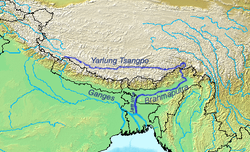
This transnational journey of over 2,800 kilometers links three countries — Tibet (China), India, and Bangladesh — connecting mountain glaciers, tropical forests, and coastal wetlands.
It is a reminder of how nature transcends borders, carrying both blessings and challenges to those who depend on its waters.
The River’s Sacred Role in Tibetan Life
For Tibetans, the Yarlung Tsangpo is not just a river — it is a living spirit. Along its banks, locals offer incense and prayer flags to honor its life-giving flow.
-
In Buddhism, water symbolizes purity, compassion, and the endless cycle of rebirth.
-
Pilgrims collect its water as a blessing, believing it brings health and peace.
-
Legends speak of hidden “beyul” — secret spiritual valleys — concealed along its path, revealed only to those with pure hearts.
During guided tours organized by China Dragon Travel, travelers can experience these traditions firsthand by visiting monasteries and villages along the river, witnessing daily rituals that have continued for centuries.
Exploring the River’s Scenic Route
The Yarlung Tsangpo passes through some of Tibet’s most spectacular destinations — ideal for cultural exploration and photography.
-
Tsetang & Yarlung Valley: The ancient heartland of Tibet, where visitors can explore Yungbulakang Palace and Samye Monastery.
-
Nyingchi: Known as “the Switzerland of Tibet,” this lush region offers green forests, pink peach blossoms in spring, and the shimmering Yarlung Tsangpo below snow-covered peaks.
-
Namcha Barwa Viewpoints: The best places to see the Great Bend and the dramatic contrasts between mountains and water.
China Dragon Travel offers several itineraries that follow the Yarlung Tsangpo route — from classic Lhasa–Nyingchi tours to eco-expeditions that highlight the canyon’s natural wonders.
Protecting the River’s Future
Despite its remoteness, the Yarlung Tsangpo is not immune to modern pressures.
Climate change is melting glaciers faster than ever, and deforestation threatens wildlife habitats. To safeguard this ecosystem, China has established the Yarlung Tsangpo Grand Canyon National Nature Reserve, covering more than 9,000 square kilometers.
As a responsible travel agency, China Dragon Travel actively promotes sustainable tourism:
-
Partnering with local Tibetan communities.
-
Encouraging eco-friendly travel habits.
-
Limiting group sizes to reduce environmental impact.
By traveling responsibly, visitors help ensure that this extraordinary river continues to flow pure and free for future generations.
A River That Tells the Story of Tibet
The Yarlung Tsangpo’s journey — from icy glaciers to the Indian Ocean — mirrors the soul of Tibet itself: pure, resilient, and deeply spiritual.
Standing beside its turquoise waters, you can feel the heartbeat of the plateau — the rhythm that connects people, land, and faith.
For those seeking a journey that combines natural beauty, adventure, and cultural discovery, following the Yarlung Tsangpo River is one of the most rewarding experiences in Tibet.
Join China Dragon Travel for a guided expedition that reveals the secrets of this sacred river — where every bend tells a new story, and every ripple carries the essence of the Himalayas.