A soft sleeper is often the most comfortable way to spend a night on the Qinghai-Tibet Railway, but the cabin is only one part of planning the journey. Travelers also want to know how many people share a compartment, whether the windows open, what is included in the fare, and how to handle the railway’s high-altitude sections. This guide answers 10 practical questions so you can decide whether a soft sleeper suits your trip and prepare without relying on assumptions. It also explains how tickets work, what to bring, and what to expect from meals and facilities onboard. Train services and ticket availability can vary, so confirm your specific train’s details when booking. If you are comparing options for a Tibet itinerary, these points will help you weigh privacy and rest against price and availability.
Key Points
- A standard soft sleeper compartment usually has four berths, with two upper and two lower.
- Soft sleepers offer more privacy and space than hard sleepers, but they are not private rooms.
- The journey crosses high-altitude terrain; a berth does not prevent altitude-related discomfort.
- Ticket prices, schedules, and available classes depend on the route and train.
- Book through an authorized channel and keep your travel documents ready for checks.
1. What Is a Soft Sleeper on the Qinghai-Tibet Railway?
A soft sleeper is an enclosed sleeping compartment in a passenger train. In the usual configuration, four berths are arranged in two tiers: two lower berths and two upper berths. A door separates the compartment from the corridor, giving passengers more privacy than an open hard-sleeper bay.
The berth includes a mattress, bedding, and a pillow, though the precise setup and onboard amenities may differ by train. Compartments generally have a small table and storage space for personal items. The arrangement is designed for overnight travel, not for a hotel-style stay: the space is compact, and passengers share it with other ticket holders unless all four berths are booked together.
For travelers headed to Tibet, the main benefit is a better chance of resting during a long rail journey. A Qinghai-Tibet Railway soft sleeper does not make the trip short, but it can make the overnight portion more manageable, particularly for people who prefer a door and a proper bed to an open, busier sleeping area.
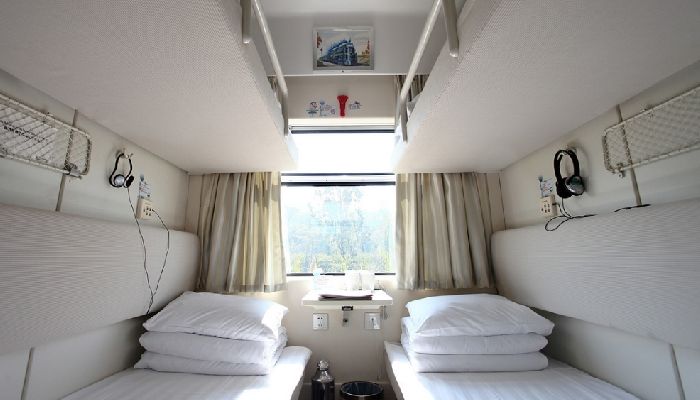
Soft Sleeper Compartment on the Qinghai-Tibet Railway
2. How Many People Share a Compartment?
A standard soft sleeper compartment is designed for four passengers. Two beds are on the lower level and two are above them. Unless you have booked all four berths, you should expect to share the compartment with other travelers. The railway assigns tickets by berth, and you may not be able to select who joins you.
The door offers some separation from the corridor, but it does not turn the space into a private room. Keep valuables close, be considerate about noise and lights, and avoid spreading luggage across the floor. If traveling as a family or group, booking berths together may make it easier to share a compartment, though availability and booking rules can affect whether that is possible.
Lower berths are generally easier to access and provide a convenient place to sit during the day. Upper berths can offer a little more separation, but climbing up and down may be awkward if you have limited mobility or need to use the toilet frequently. When berth selection is available, consider your comfort and mobility rather than assuming one level is universally best.
3. Is a Soft Sleeper More Comfortable Than a Hard Sleeper?
For most passengers, yes. A soft sleeper offers fewer people in the compartment, a closing door, and a more private sleeping environment than a hard sleeper. Hard-sleeper areas are usually open bays with six berths, so movement and conversation in the shared space may be more noticeable. A soft sleeper can be a worthwhile upgrade if uninterrupted rest, privacy, or a less crowded setting matters to you.
The difference is not the same as traveling in a luxury cabin. You still share a small space, use common toilets and wash areas, and adapt to train movement and onboard routines. The corridor can be busy, and the quality of sleep depends on fellow passengers, your own preferences, and the particular service.
A soft sleeper is especially useful for travelers who find it difficult to sleep in an open carriage or who want somewhere to sit behind a door. It may be less important for passengers who sleep easily anywhere or are prioritizing the lowest fare. Compare the additional cost with the length of your journey and how much rest affects your plans after arrival.
4. How Long Is the Train Journey to Tibet?
Travel time depends on where you board and which service you take. The railway connects Lhasa with cities on the national rail network, and a journey from a distant departure point can take well over a day. The route and timetable determine the exact duration; there is no single travel time that applies to every passenger.
Check the itinerary shown for your selected train rather than using a general estimate. A departure city, transfer, or schedule change can significantly affect total travel time. Allow a comfortable margin between your train arrival and any onward booking, especially if you have a flight, tour departure, or hotel check-in to coordinate.
The slow pace is part of the experience for some travelers: much of the route passes through highland scenery, and passengers can watch the landscape change from the train. But long stretches onboard also mean that food, water, medication, charging needs, and sleep are worth planning ahead. A soft sleeper improves the place where you rest; it does not reduce the number of hours on the train.
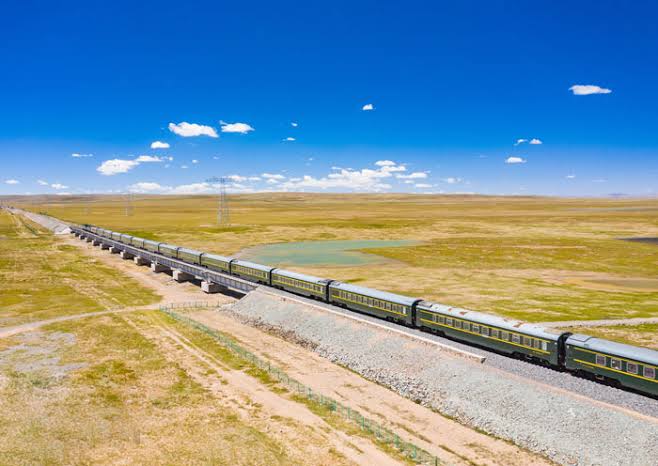
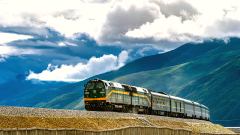
Qinghai-Tibet Railway Train
5. What Is the Altitude Like, and Does a Soft Sleeper Help?
The railway climbs to very high elevations on its way to Lhasa. Some sections cross the Tibetan Plateau at elevations above 4,000 meters, and the route includes the Tanggula Pass, which is over 5,000 meters above sea level. The altitude can affect people differently, and being inside a train does not remove the body’s exposure to thinner air.
Passenger trains serving the Qinghai-Tibet route use systems designed to provide oxygen in the carriages. However, the presence of an onboard oxygen supply is not a guarantee that nobody will feel unwell, nor should it be treated as a substitute for medical advice. A soft sleeper may help you rest in a quieter, more enclosed space, but the berth itself does not prevent altitude sickness.
Take symptoms seriously. Headache, nausea, dizziness, unusual fatigue, and shortness of breath can be associated with altitude exposure, though symptoms have other possible causes. If you have a medical condition, are pregnant, or are unsure whether high-altitude travel is appropriate for you, consult a qualified clinician before the trip. Follow train staff instructions and seek help promptly if symptoms are severe or worsening. Avoid strenuous activity and give yourself time to adjust after reaching Lhasa.
6. What Should You Pack for a Soft Sleeper Journey?
Pack for a long ride in a compact space. Keep essentials in a small bag that you can reach from your berth, and stow larger luggage where permitted without blocking the aisle or other passengers’ access. A useful short list includes:
- Passport or other required travel documents, plus booking details.
- Prescription medicines and any personal medical supplies.
- Drinking water and familiar snacks.
- Tissues, hand sanitizer, a toothbrush, and basic toiletries.
- Earplugs and an eye mask if you are sensitive to noise or light.
- A charger and a power bank, subject to railway rules.
- A warm layer, since temperatures and drafts can vary between the carriage and the outdoors.
Do not assume that every convenience item will be provided or available for purchase. Bring medicines in their original packaging where practical, and keep them in your personal bag rather than checked or inaccessible luggage. If you have a particular diet, carry suitable food instead of relying on the dining service to meet every requirement.
Avoid overpacking the compartment. Four passengers and their bags share a limited area, so compact luggage is easier to manage. Before departure, check the latest rules for restricted items and baggage limits with the railway or your ticketing channel.
7. Are Meals, Toilets, and Power Sockets Available?
Facilities vary by train and carriage, so check the details for your service rather than assuming every train has identical equipment. Passenger trains generally provide shared toilets, and some services have a dining car or food service. Availability, menus, and opening hours can differ. Carry a modest supply of snacks and water in case meal options do not match your schedule or preferences.
Toilets are shared by passengers in the carriage, not private to the soft sleeper compartment. They may be busier around meal times and before or after overnight rest periods. Bring your own basic toiletries and be considerate about keeping the space clean. A small packet of tissues and hand sanitizer can be useful, but dispose of waste properly.
Power sockets may be available, but the number and location can vary. Do not plan a critical connection around an assumption that you will have uninterrupted access to an outlet. Charge essential devices before boarding, take a suitable power bank if permitted, and use charging equipment responsibly. Keep your phone, wallet, and travel documents with you when leaving the compartment.
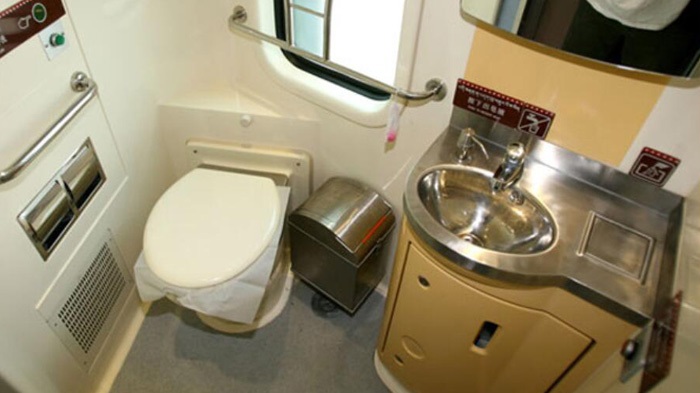
Toilets on the Tibet Train
8. How Do You Book a Soft Sleeper Ticket?
Tickets for popular routes can be limited, and soft-sleeper berths may sell out before less sought-after classes. Use the official railway booking system or a reputable authorized booking service, and make sure your name and document details match your travel documents. Ticket release windows and booking procedures can change, so verify current rules before making plans.
If you use a travel agency, ask clearly what the service fee covers, when the ticket can be confirmed, and what happens if your preferred class is unavailable. A request for a soft sleeper is not the same as a confirmed soft-sleeper ticket. Do not finalize tightly connected transport arrangements until you understand the ticket status and the cancellation or change conditions.
China Dragon Travel can assist travelers with rail and Tibet itinerary planning. If you choose to work with an agency, confirm the exact departure and arrival stations, train details, berth class, passenger names, and any service charges in writing. Independent travelers should likewise keep a copy of their booking information and check the departure station and boarding instructions close to travel day.
9. What Should You Know About Boarding and Travel Documents?
Arrive at the station with enough time for entry checks and boarding procedures. Large Chinese railway stations can involve security screening and long walks between the entrance, waiting area, and platform. Follow the signs and announcements, and do not wait until the last moment to locate your gate.
Carry the original document used to book the ticket, as identity checks may be required. Foreign visitors should confirm which passport or other documents they need for their particular booking and Tibet itinerary. Requirements can depend on nationality, route, and the travel arrangements involved, so check them with the relevant official service or a qualified travel organizer rather than relying on an old checklist.
Keep the ticket or electronic booking details accessible, and make sure the name and document number are correct before departure. If you are joining a group, coordinate meeting points and contact details in advance. Once onboard, confirm your berth number, place luggage safely, and avoid blocking the corridor or the compartment door.
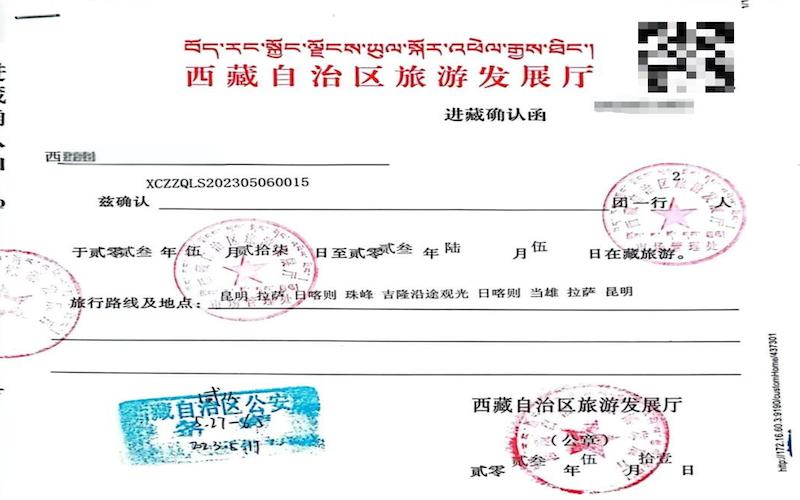
Tibet Travel Permit
10. Who Should Choose a Soft Sleeper?
A soft sleeper is a strong option for travelers who value privacy, a quieter sleeping arrangement, and a little more personal space during a long rail journey. It can suit couples, families, older travelers, and anyone who finds it hard to rest in an open carriage. The four-berth layout is also practical for a small group if all berths can be booked together.
It may not be the right choice if keeping costs low is your main priority or if you are comfortable sleeping in a shared open bay. Berth availability can also be the deciding factor: a confirmed hard sleeper may be more practical than waiting for a soft sleeper that is not guaranteed.
Consider the whole itinerary, not just the cabin. Think about how long you will be onboard, whether you need a lower berth, your sensitivity to noise, your luggage, and how you will feel after arriving at altitude. A soft sleeper can improve rest and privacy, but thoughtful preparation and a sensible pace after arrival matter just as much.
Frequently Asked Questions
Is the soft sleeper compartment private?
It has a door and is more private than an open hard-sleeper bay, but it is usually shared by four ticket holders. It is not a private room unless you book all the berths and the booking rules allow it.
Can I choose an upper or lower berth?
Berth selection depends on the ticketing system, availability, and the booking channel. If you have a preference, request it when booking, but do not assume it can be guaranteed.
Does a soft sleeper prevent altitude sickness?
No. It provides a more comfortable place to rest but does not prevent the effects of high altitude. Seek medical advice before travel if you have health concerns, and tell train staff if you feel seriously unwell.
Should I book a soft sleeper as early as possible?
It is sensible to plan ahead because availability can be limited, especially on popular routes. Check the applicable ticket release rules and use an official or authorized booking channel; a request is not confirmed until the ticket is issued.