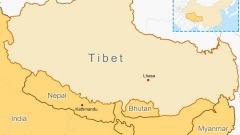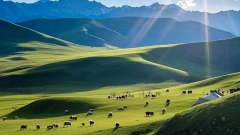

Traveling to Tibet on the Qinghai-Tibet Railway is often imagined as either an effortless scenic ride or an extreme test of endurance. Neither picture tells the whole story. The train offers a gradual journey through high-altitude landscapes, but it does not eliminate the effects of altitude, guarantee a ticket, or replace the travel documents required for foreign visitors. Some travelers also expect uninterrupted views from their seat, while others worry that the route is too demanding for anyone without mountaineering experience. Understanding what the railway can—and cannot—do makes it easier to plan realistically, choose the right itinerary, and enjoy the journey without relying on rumors.
Key Points
- The train’s gradual climb may help with acclimatization, but it does not prevent altitude sickness.
- The railway is a transport route, not a substitute for Tibet’s entry and tour requirements for foreign travelers.
- Tickets can be difficult to secure during busy periods; booking early and staying flexible helps.
- Scenery is memorable, but visibility, seat position, and timing affect what you see.
- A comfortable trip depends on realistic expectations, basic health preparation, and a well-paced stay in Lhasa.
Misconception 1: The Train Prevents Altitude Sickness
One of the most persistent beliefs is that riding the train to Tibet makes altitude sickness impossible. The railway’s gradual ascent is often discussed as a gentler way to reach the plateau than flying directly to Lhasa, but a slower journey is not a medical safeguard. The train eventually reaches very high elevations, and Lhasa itself sits at roughly 3,650 meters above sea level. Individual responses to altitude vary, and fitness alone does not reliably predict who will develop symptoms.
Altitude-related symptoms can include headache, nausea, dizziness, unusual tiredness, and difficulty sleeping. Some people feel well on arrival and become uncomfortable later, so it is worth paying attention throughout the first days. Do not dismiss worsening symptoms as ordinary travel fatigue. Severe breathlessness at rest, confusion, difficulty walking straight, or a worsening cough calls for urgent medical attention and a prompt discussion with a clinician.
Treat the rail journey as part of the adjustment period, not as prevention. Keep your first days in Lhasa relatively light, drink according to thirst, avoid heavy exertion, and do not use alcohol as a way to relax at altitude. Anyone with a relevant medical condition should discuss the itinerary with a qualified healthcare professional before departure. Medication decisions are personal and should not be based on advice from fellow passengers or online anecdotes.
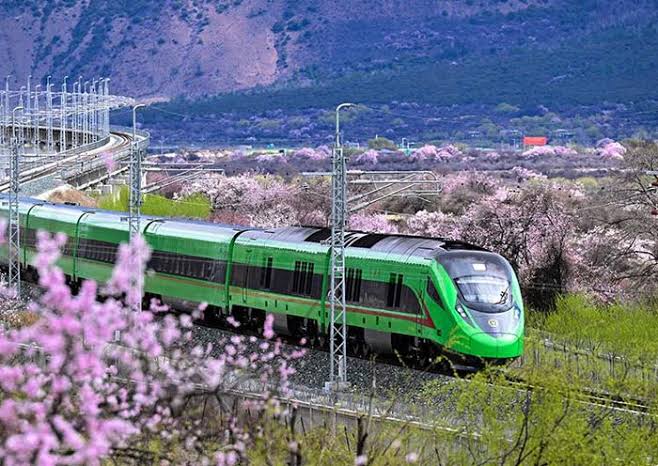
Qinghai-Tibet Railway Train
Misconception 2: The Train’s Oxygen System Makes Everyone Comfortable
Tibet-bound trains are designed for high-altitude travel and are commonly equipped with oxygen-supply systems. That is useful infrastructure, but it is not a promise that every passenger will feel normal. Oxygen availability does not cancel the lower oxygen pressure at altitude, and equipment arrangements can vary by train and carriage. A passenger may still have a headache, feel short of breath while moving around, or sleep poorly.
It is also easy to misread oxygen equipment as a reason to ignore symptoms. If you feel unwell, tell a travel companion or train staff and seek appropriate help rather than assuming that turning on a supply will solve the problem. Travelers who use prescribed oxygen or have a condition that affects breathing should confirm practical arrangements with their doctor and travel provider well before boarding. Do not assume that personal medical equipment can be plugged in or accommodated without checking.
For most visitors, the sensible approach is straightforward: know the symptoms of altitude illness, keep essential medication accessible, and avoid strenuous activity during the first days. The train may make the transition feel more gradual, but it does not replace medical judgment or a cautious itinerary.
Misconception 3: A Train Ticket Is All You Need to Enter Tibet
A railway ticket and permission to travel in Tibet are separate matters. For foreign visitors, travel to the Tibet Autonomous Region is subject to specific rules, and arrangements generally need to be made through an authorized travel agency. Depending on nationality, route, and current regulations, travelers may need a Tibet Travel Permit and other documents or permissions for parts of their itinerary. Requirements can change, so confirm them with a reputable agency and the relevant official channels before paying for nonrefundable transport.
The practical detail that catches many people off guard is that required permit documentation may be checked when boarding a train to Lhasa. A ticket alone may not be enough. The agency coordinating your Tibet itinerary should explain which documents apply, when they will be issued, and how you will receive the paperwork needed for the journey. Build in time for these arrangements rather than planning around assumptions or advice from an old travel forum.
Independent travel rules also differ from those in many other parts of China. Do not assume you can arrive in Lhasa and arrange everything at the station. If you are booking through China Dragon Travel or another provider, ask for a written outline of the documents, route, accommodation, and guide arrangements included in the service. Verify details against your own nationality and planned destinations.
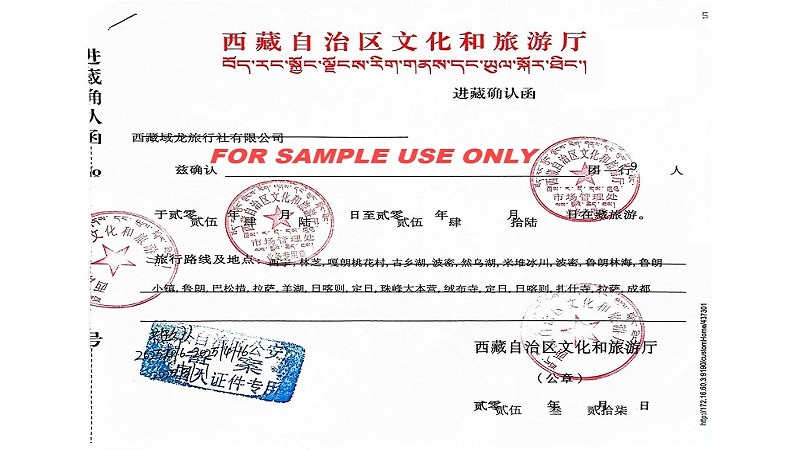
China Dragon Travel – Tibet Travel Permit
Misconception 4: Tickets Are Easy to Buy at the Last Minute
The Qinghai-Tibet Railway is popular, and seats can be in strong demand, particularly during holidays and busy travel periods. Waiting until arrival in China to look for a preferred departure, class, or sleeper berth can leave you with few choices. Ticket availability depends on the date, route, and booking conditions, so no agency or website can responsibly promise that every desired seat will be available.
Start by deciding how flexible you are. A range of departure dates, willingness to travel in a different class, or the option to fly one way can make planning easier. Check the current ticket-release and purchase rules through official railway channels or a trusted booking provider, since procedures and platform access may change. If an agency is arranging both permits and transport, ask who is responsible for each booking and what happens if the preferred train sells out.
Be cautious of offers that sound guaranteed before the booking window opens or that do not clearly explain cancellation and change fees. Keep your passport details consistent across bookings and permits, and allow breathing room between the train arrival and any onward connection. A little flexibility is more useful than building an itinerary around a single hard-to-get departure.
Misconception 5: The Train Is a Quick Ride Straight to Lhasa
The railway journey is long. The exact duration depends on the departure city, service, schedule, and operational conditions, but travelers should think in terms of many hours or overnight travel rather than a short transfer. Services to Lhasa operate from several cities, and the route and total time differ accordingly. A departure from Xining, the principal gateway for many travelers joining the plateau section, is a different experience from boarding farther east.
The length of the trip is not merely a logistical inconvenience. It shapes what you should pack and how you plan your first day. Bring snacks that suit you, drinking water, basic toiletries, a sleep mask or earplugs if helpful, and any medications you normally need. Food is available on board, but preferences and availability may not match everyone’s expectations. Keep valuables and travel documents secure and easy to reach.
Avoid scheduling a demanding excursion immediately after arrival. Delays, poor sleep, and the change in altitude can all affect how you feel. Give yourself time to settle into your accommodation, eat lightly if that feels better, and rest. The railway works best when it is treated as a major leg of the trip rather than a quick connection between sightseeing stops.
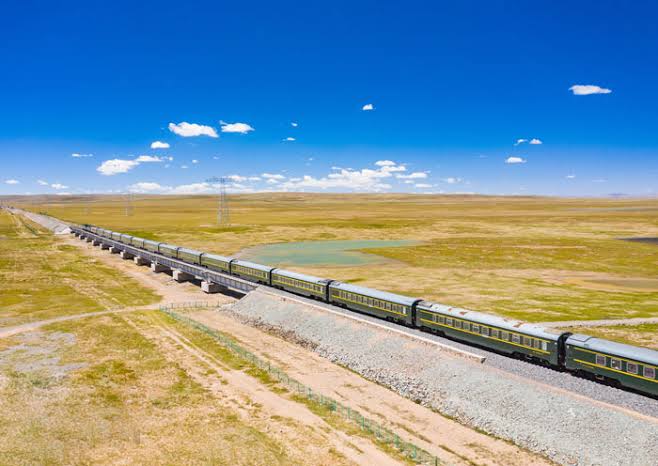
Qinghai-Tibet Railway Train
Misconception 6: You Can See the Best Scenery from Any Seat at Any Time
The route is known for its high-plateau landscapes, but the view is not a nonstop panorama guaranteed from every window. Weather, daylight, cloud cover, the direction of travel, and the location of your seat all influence what you can see. Some stretches are more striking than others, and a passenger who spends the whole journey asleep may miss scenery that another traveler considers a highlight.
Window arrangements and views can vary between carriage types and train services. Rather than choosing a ticket solely on an assumption about a particular side of the train, check what is currently known about the route and coach layout when you book. Keep expectations open: a clear window may show broad grasslands, distant mountains, lakes, or settlement, while another stretch may be less dramatic or obscured by weather.
A camera is optional; looking up from a screen is more important. If you take photographs through the glass, be prepared for reflections and avoid blocking other passengers’ access to the window. Remember that the train is a shared public space. The experience is richer when you allow the landscape to unfold at its own pace instead of treating every minute as a photo opportunity.
Misconception 7: The Railway Travels Only Through Empty Wilderness
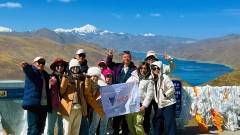
Images of the plateau can create the impression that the train crosses nothing but remote open land. The route does pass through striking high-altitude environments, but it is also a functioning transport corridor connecting communities and cities. Travelers may see settlements, railway infrastructure, roads, grazing areas, and signs of everyday life alongside mountain and plateau scenery.
That mix is part of what makes the journey meaningful. The railway is not a theme-park ride constructed solely for visitors; it is used by residents and travelers with different purposes. Respect fellow passengers’ privacy, avoid photographing people at close range without permission, and follow any instructions regarding sensitive locations or onboard conduct. A landscape can feel remote without being uninhabited or available for unrestricted access.
The scenery also changes with season and weather. The plateau’s natural environment is fragile, and some areas are protected. Do not assume that a view from the train grants access to land outside the railway corridor. If your itinerary includes excursions after reaching Lhasa, follow your guide’s instructions and local regulations rather than attempting independent detours.
Misconception 8: The Train Is Always More Comfortable Than Flying
Rail travel offers a distinctive way to reach Lhasa, but comfort is personal. A sleeper berth gives you room to lie down, yet the journey is long and shared. Noise, movement, unfamiliar food, and disrupted sleep can make the trip tiring. A flight is much faster, although arriving quickly at altitude may not suit everyone. Neither option is universally better for every traveler.
Consider your health, schedule, budget, sleep habits, and interest in the overland experience. If you are sensitive to noise, a shared compartment may be challenging. If your itinerary is short, the time required for a train journey may reduce time available in Tibet. On the other hand, travelers who enjoy rail journeys may value the gradual transition and the chance to watch the landscape change.
The quality of the experience also depends on preparation. Pack earplugs, an eye mask, warm layers, and a small personal hygiene kit. Keep your berth area tidy and be considerate about lighting and noise at night. If you have limited mobility or specific medical needs, ask about the train’s facilities and accessibility before booking rather than assuming every carriage has the same layout.
Misconception 9: Reaching Lhasa Means You Can Sightsee at Full Speed
Arrival in Lhasa is not a signal to start a packed schedule. The city’s altitude affects visitors differently, and even people who feel fine may benefit from taking the first day slowly. A long train ride can also leave you tired, dehydrated, or short on sleep. Trying to combine several major sights, a strenuous walk, and a late night immediately after arrival is an avoidable way to make the first part of the trip harder.
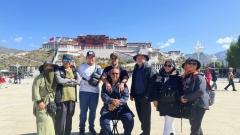
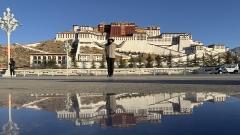
Plan a gentle start and follow the pace advised by your guide or healthcare professional. Spend time resting, eat normally but not excessively, and keep an eye on how you feel. The Potala Palace and other major sites involve stairs and walking; ask your tour coordinator about the physical demands and any timed entry arrangements before the visit. A slower schedule does not mean wasting the trip. It can make later sightseeing more enjoyable.
If symptoms become severe or progress, do not push through merely because a tour is booked. Tell your guide and seek medical care. Travelers should discuss any pre-existing conditions, pregnancy, or prior altitude problems with a clinician before setting out. Sensible pacing is not a guarantee against illness, but it is a practical part of responsible high-altitude travel.
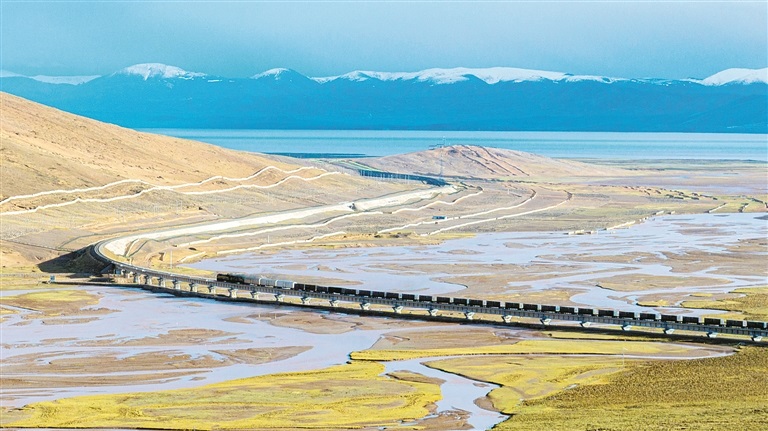
Qinghai-Tibet Railway Train
Misconception 10: The Railway Makes Tibet a Simple, Ordinary City Break
The train makes Lhasa reachable by rail, but the trip still requires more planning than a typical city weekend. Altitude, travel permits, route restrictions, long distances, weather, and local customs all affect the experience. A convenient ticket does not mean every destination in the region can be visited independently or added at short notice. Some areas require additional permissions or specific arrangements, and rules should be checked before an itinerary is finalized.
Expectations matter as much as logistics. Lhasa has urban services and familiar conveniences, but visitors should not assume that every product, facility, or travel style will match what they are used to at home. Keep copies of important documents, follow your guide’s advice, and allow extra time for transport between destinations. Ask clear questions about what is included in a tour, including transfers, meals, accommodation, guide services, and any permits relevant to the planned route.
Respectful travel also means being attentive at religious and cultural sites. Follow posted rules, ask before photographing people or ceremonies, and dress and behave appropriately. The railway is a remarkable way to begin a Tibet journey, but it is only one part of a destination that deserves patience, preparation, and consideration.
Practical Planning for a Smoother Rail Journey
Start with the route and travel documents, then choose dates and tickets. Confirm the rules that apply to your nationality and planned destinations with an authorized provider, and make sure your passport information matches every booking. Once transport is arranged, leave a buffer for arrival and acclimatization rather than packing the itinerary with immediate onward travel.
For the train, pack for a long shared journey: comfortable layers, essential medication, personal toiletries, a portable charger if permitted and suitable for your devices, and simple snacks. Keep your passport, permit documents, and valuables secure. Bring a refillable bottle if practical, but follow onboard rules and use safe drinking water. A small bag for items you need during the night is more convenient than repeatedly opening your main luggage.
For Lhasa, arrange a first day with limited exertion and make sure you know how to contact your guide or accommodation if you feel unwell. Keep your schedule flexible enough to accommodate rest. If you are considering a provider such as China Dragon Travel, compare the itinerary and services carefully, ask which permits and bookings are included, and obtain clear terms for changes or cancellations. The best plan is the one that is transparent about both the memorable parts and the practical limits of high-altitude travel.
Frequently Asked Questions
Is taking the Qinghai-Tibet Railway safer for acclimatization than flying?
The train offers a more gradual journey to Lhasa than a direct flight, which some travelers prefer. However, it does not prevent altitude illness, and people respond differently. Discuss personal medical concerns with a healthcare professional and plan a gentle first few days.
Do foreign travelers need a permit to take the train to Lhasa?
Foreign visitors generally need the required Tibet travel documentation, which may be checked before boarding. Exact requirements depend on nationality, route, and current rules. Confirm them with an authorized travel agency and relevant official channels well before departure.
How far in advance should I book a train ticket?
Book as early as the current railway booking rules allow, especially if your dates are fixed or you want a particular class. Availability varies, so use official railway channels or a trusted provider and keep alternative dates or transport options in mind.
Should I fly to Tibet instead of taking the train?
There is no single best choice. The train takes considerably longer and offers an overland experience; flying saves time but brings you to high altitude more quickly. Compare your health, schedule, budget, and travel preferences before deciding.