
Tibetan New Year, known as Losar, is one of the most important traditional celebrations in Tibetan culture. It marks the beginning of a new year and is a time for family reunions, religious observances, festive food, and wishes for good fortune. In 2027, Losar falls on February 7, welcoming the Tibetan Year 2154, the Year of the Fire Sheep. For international travelers planning a winter trip to Tibet, this festival offers an opportunity to discover local customs and experience Tibetan culture beyond its famous landscapes and monasteries. However, celebrations and religious activities can vary between communities and regions. Understanding the festival calendar, local traditions, winter weather, and travel arrangements in advance will help visitors plan a more comfortable and meaningful journey.
Key Takeaways
- Date: February 7, 2027, marking the beginning of Tibetan Year 2154.
- Zodiac Year: The Year of the Fire Sheep.
- Festival Meaning: A time for renewal, family reunions, and blessings for the year ahead.
- Traditional Customs: House cleaning, making Khapse, eating Guthuk, and offering prayers.
- Travel Advice: February is cold in Tibet, so prepare for winter conditions and confirm transport and accommodation in advance.
When Is Tibetan New Year in 2027?
Tibetan New Year in 2027 falls on Sunday, February 7. It marks the first day of Tibetan Year 2154, the Year of the Fire Sheep.
The Tibetan calendar is a lunisolar calendar that takes both lunar and solar cycles into account. As a result, Losar does not fall on the same Gregorian calendar date every year. It usually takes place between late January and early March.
In 2027, Tibetan New Year falls just one day after Chinese Lunar New Year, which is on February 6. Although the two celebrations are close together that year, they follow different calendar systems and have distinct cultural traditions.
| Detail | 2027 Information |
|---|---|
| Festival | Tibetan New Year (Losar) |
| Gregorian Date | February 7, 2027 |
| Day | Sunday |
| Tibetan Year | 2154 |
| Zodiac Year | Fire Sheep |
| Chinese Lunar New Year | February 6, 2027 |
Calendar calculations and festival customs may vary slightly among Tibetan communities. Travelers hoping to attend a particular monastery celebration or local event should check the latest arrangements with the relevant community or organizer.
Traditional Tibetan New Year Customs
Losar is more than a celebration marking the start of a new year. It is closely connected with family life, religious beliefs, and hopes for peace and prosperity. In the days surrounding the festival, many Tibetan households prepare their homes, make traditional food, offer prayers, and spend time with relatives and friends.
Cleaning the Home and Welcoming the New Year
Before Losar, many families clean their homes, kitchens, and living spaces. This practice symbolizes leaving behind the difficulties of the previous year and welcoming a fresh beginning. Some households also prepare new clothes and festive decorations to create a cheerful atmosphere for the celebrations.
Making Khapse, a Traditional New Year Pastry
Khapse is a traditional deep-fried Tibetan pastry commonly prepared for Losar. Made primarily from flour, it comes in different shapes and sizes, including twists, strips, and decorative flower-like forms. Families may serve Khapse to guests, share it with relatives, or arrange it as part of their festive offerings.
The ingredients and preparation methods can differ from one household or region to another, but Khapse remains one of the best-known foods associated with Tibetan New Year.
Eating Guthuk on New Year’s Eve
Guthuk is a traditional Tibetan noodle soup usually eaten on the eve of Losar. It often contains dough balls along with ingredients such as meat and radish. In some families, small symbolic objects are placed inside the dough balls, creating a playful activity that carries different meanings and wishes for the coming year.
The ingredients and customs associated with Guthuk are not identical everywhere. Each family may have its own way of preparing and enjoying this traditional New Year’s meal.
Making Religious Offerings and Prayers
During Losar, some Tibetan families make offerings at their home altars or shrines. These may include butter lamps, food, barley-based products, and other traditional offerings. Many Buddhists also visit monasteries to pray, make offerings, or take part in religious activities.
Visitors who enter monasteries should respect local religious practices. Follow instructions from staff, avoid restricted areas, and do not photograph ceremonies or locations where photography is prohibited.
Visiting Family and Sharing New Year Greetings
Family visits and exchanging good wishes are important parts of Losar. Relatives and friends may gather to share food and celebrate the beginning of a new year. One of the most familiar Tibetan greetings is “Tashi Delek,” a phrase used to express wishes for good fortune, happiness, and well-being.
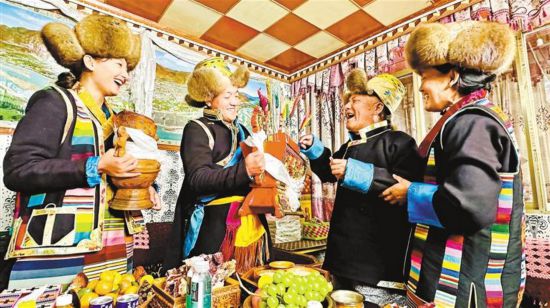
Tibetan New Year (Losar)
Cultural Experiences to Enjoy in Tibet During Losar
Traveling to Tibet around Losar offers more than the chance to see its mountains and historic landmarks. Visitors can also learn about local traditions through everyday life, food, and religious culture.
Lhasa: Discover Tibetan Culture and Daily Life
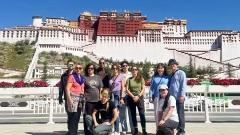
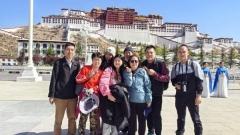
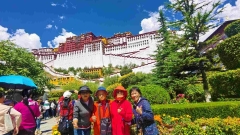
Lhasa is one of the most important cultural and travel centers in Tibet. The Potala Palace, Jokhang Temple, and Barkhor Street are among its best-known landmarks, offering insights into Tibetan history, religion, architecture, and urban life.
Around Losar, some local families and Buddhist pilgrims may take part in prayers and other traditional activities. The city may also have a different atmosphere from the rest of the year. However, monastery schedules, attraction opening hours, and public activities can change during the holiday period. Check the latest arrangements before visiting.
Try Traditional Tibetan New Year Food
Losar is an excellent opportunity to explore Tibetan food culture. In addition to Khapse and Guthuk, travelers can try Tibetan noodle soup, butter tea, tsampa (roasted barley flour), and other local specialties.
Festive meals vary between households and regions, so visitors should not expect every traditional dish to be served everywhere. Trying local food in a respectful and open-minded way is one of the most enjoyable ways to learn about Tibetan culture.
Learn About Tibetan Monasteries and Religious Traditions
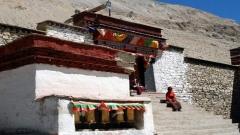
Monasteries play an important role in Tibetan religious and cultural life. Visitors can learn about Tibetan Buddhist architecture, murals, statues, and religious art at monasteries that are open to the public.
When visiting, dress appropriately, follow local rules, and remain quiet in prayer areas. Some spaces may be restricted, and photography may not be permitted in certain halls or during religious ceremonies.
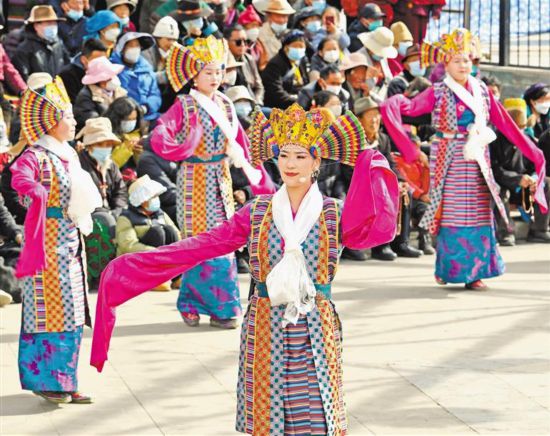
Tibetan New Year (Losar)
Is Tibetan New Year a Good Time to Visit Tibet?
February is part of winter in Tibet, so the travel experience is quite different from visiting during spring, summer, or autumn. Popular destinations may be quieter than during peak travel periods, and winter landscapes offer their own appeal. However, low temperatures, strong sunlight, and changing road conditions should all be considered when planning a trip.
Advantages of Visiting Tibet in Winter
- Fewer Tourists: Some popular attractions may be less crowded than during the main travel season, offering a quieter sightseeing experience.
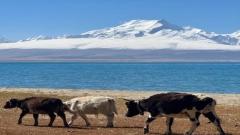
- Distinctive Winter Scenery: Clear weather can provide beautiful views of snow-covered mountains and the high-altitude landscape.
- Cultural Experiences: With suitable timing and local arrangements, visitors may have opportunities to learn about Tibetan New Year food, family traditions, and religious customs.
Things to Consider Before Traveling
- Cold Weather: Temperatures can be particularly low in the morning and evening. Bring a warm down jacket, thermal layers, gloves, a hat, and suitable winter footwear.
- Altitude Sickness: Lhasa is approximately 3,650 meters above sea level. Allow enough time to acclimatize after arrival and avoid strenuous activities during the first few days.
- Weather-Related Transport Changes: Snowfall and road conditions may affect journeys to destinations such as Shigatse and Everest Base Camp. Keep your itinerary flexible and allow extra travel time.
- Seasonal Attraction Arrangements: Opening hours, shuttle services, and accommodation availability may change depending on the season and holiday schedule. Do not assume that all summer travel services operate in the same way during winter.
Practical Tips for Visiting Tibet During Losar
Arrange the Required Tibet Travel Documents in Advance
Foreign travelers generally need to arrange their Tibet visit through an authorized travel agency and obtain the required Tibet Travel Permit and other applicable documents in accordance with current regulations. Additional permits may be necessary for certain destinations or restricted areas.
Requirements can change, so confirm the latest regulations before booking flights or finalizing your itinerary. Do not assume that you can travel independently to every destination in Tibet without the necessary arrangements.
Book Accommodation and Transportation Early
In 2027, Tibetan New Year falls just one day after Chinese Lunar New Year. Some travel dates may overlap with China’s Spring Festival holiday period, when demand for transportation and accommodation can change.
It is advisable to confirm flights, train tickets, hotels, airport transfers, and other essential services well in advance. Travelers should also check whether hotels and restaurants will operate on their usual schedules during the holiday.
Respect Local Customs and Religious Practices
When visiting monasteries or observing local celebrations, respect the customs of the community. Do not touch religious objects without permission or interrupt people who are praying. Always ask before photographing local residents, and follow any restrictions on photography at religious sites.
Prepare for High Altitude and Winter Conditions
Winter sunlight in Tibet can be intense, even when temperatures are low. Bring sunscreen, sunglasses, and moisturizing products to protect yourself from strong ultraviolet radiation and dry air.
Allow time for altitude acclimatization, avoid excessive alcohol consumption, and get sufficient rest. Plan outdoor activities according to your physical condition and the weather.

Plan Your 2027 Tibetan New Year Trip with China Dragon Travel
A trip to Tibet during Losar can combine cultural exploration with visits to some of the region’s most famous landmarks. Depending on your travel dates, interests, and ability to adapt to high altitude, you may include Lhasa, Jokhang Temple, the Potala Palace, and other destinations in your itinerary.
China Dragon Travel can help international visitors understand the arrangements involved in traveling to Tibet, including itinerary planning, accommodation, transportation, and the required travel documents. As some services and attraction schedules may change during the Tibetan New Year period, travelers are encouraged to confirm departure dates, site opening arrangements, and permit requirements in advance.
February 7, 2027, marks the beginning of the Year of the Fire Sheep in the Tibetan calendar. For travelers interested in learning more about Tibetan culture, Losar offers a meaningful opportunity to discover local traditions, family celebrations, and the spiritual heritage of the Tibetan Plateau. With thoughtful preparation and respect for local customs, a winter journey to Tibet can become a memorable cultural experience.