
Tibetan festivals are more than annual celebrations. They offer a window into the region’s religious traditions, everyday life and cultural heritage. From family prayers during Losar to pilgrimage activities during Saga Dawa, and from the giant thangka unveiling at Shoton to traditional horse racing on the northern grasslands, each festival has its own history and atmosphere.
The Tibetan New Year in 2027 falls on February 7, marking the beginning of the Tibetan Fire Sheep Year. The Tibetan calendar also includes a leap second month, which affects the Gregorian dates of some religious observances. If you are planning a trip to Tibet in 2027, this guide will help you identify the major festivals and plan your journey around the celebrations.
Key Highlights
- Tibetan New Year (Losar): February 7, 2027
- Saga Dawa Düchen: June 18, 2027
- Shoton Festival: Expected around August 31, 2027; final arrangements to be confirmed
- Gyantse and Nagqu Horse Racing Festivals: Dates subject to local announcements
- Some festival dates differ from previous years because the 2027 Tibetan calendar includes an intercalary second month.
Tibet Festival Calendar 2027
The following is a quick overview of major Tibetan religious festivals and traditional celebrations in 2027. While many religious observances follow the Tibetan lunar calendar, the exact dates of local festivals and public events may vary. Please check official announcements before making your travel arrangements.
- Tibetan New Year (Losar) – February 7: The most important traditional celebration in Tibet, marking the beginning of the Tibetan New Year and the Fire Sheep Year.
- Monlam Prayer Festival – February: A major Buddhist prayer gathering held during the first Tibetan lunar month. The exact schedule varies among monasteries.
- Chötrul Düchen (Butter Lamp Festival) – February 20: Observed on the fifteenth day of the first Tibetan month, commemorating the Buddha’s miraculous deeds.
- Saga Dawa Düchen – June 18: One of the holiest days in Tibetan Buddhism, commemorating the Buddha’s birth, enlightenment and parinirvana.
- Gyantse Damar Festival – Around June, date to be announced: A traditional local celebration featuring activities such as horse racing, archery and folk performances.
- Tashilhunpo Monastery Thangka Festival – Around July 16–18, to be confirmed: A religious event in Shigatse featuring the display of a large sacred thangka.
- Zamling Chisang (World Incense Offering Day) – July 18: A traditional day for incense offerings and prayers, observed in Samye, Lhasa and other Tibetan areas.
- Nagqu Horse Racing Festival – July to August, date to be announced: A summer celebration showcasing traditional horsemanship, horse racing and local grassland culture.
- Chökhor Düchen (First Turning of the Dharma Wheel) – August 6: A major Buddhist observance commemorating the Buddha’s first teaching.
- Shoton Festival – Expected around August 31, to be confirmed: One of Lhasa’s best-known celebrations, featuring giant thangka displays, Tibetan opera and traditional activities.
- Bathing Festival – Around September: A traditional period when people visit rivers and other water sources for bathing, following local customs and Tibetan calendar traditions.
- Ongkor (Harvest Festival) – August to September: A farming-related celebration held in Tibetan agricultural communities before or around the barley harvest.
- Lhabab Düchen (Buddha’s Descent from Heaven) – November 20: A religious observance commemorating the Buddha’s return to the human world from heaven.
- Ganden Ngamchö (Butter Lamp Festival) – December 22: A day commemorating Je Tsongkhapa, when butter lamps are lit in monasteries and by devotees.
Date note: Religious observance dates are based on Tibetan calendar references for 2027. Local festival schedules may differ from calendar calculations. The dates of the Gyantse and Nagqu horse racing festivals, Shoton events, thangka unveilings and Ongkor celebrations should be checked against local announcements before travel.
Major Tibetan Festivals to Experience in 2027
Tibetan New Year (Losar) | February 7
Losar is the most important traditional festival for Tibetans. It marks the beginning of a new year and is associated with renewal, family reunions, good fortune and prayers for the year ahead. In 2027, Losar falls on February 7, when the Tibetan Fire Sheep Year begins.
Preparations often start several days before New Year’s Day. Families clean their homes, prepare traditional foods and arrange religious offerings. During the holiday, people visit relatives and friends, exchange New Year greetings and visit monasteries to pray for blessings.
Travelers visiting Lhasa during Losar may have an opportunity to experience the festive atmosphere and observe local customs. However, some shops, restaurants and travel services may adjust their opening hours during the holiday. It is advisable to arrange accommodation and transportation in advance.
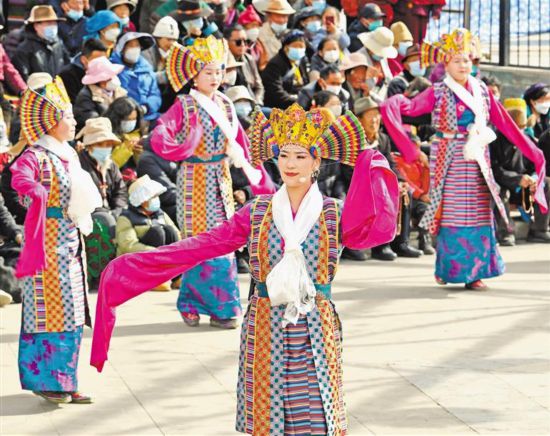
Tibetan New Year (Losar)
Monlam Prayer Festival | During the First Tibetan Month
The Monlam Prayer Festival, also known as the Great Prayer Festival, is one of the major religious events in Tibetan Buddhism. It is closely connected with the tradition of prayer and religious observance during the Tibetan New Year period.
In Lhasa, major monasteries such as Drepung and Sera may hold religious ceremonies according to their own traditions and schedules. Other Tibetan communities, including those in Amdo and Kham, also have their own Monlam celebrations.
The festival does not take place on exactly the same dates in every location. For 2027, some calendars list activities around February 10–21, but travelers should check the schedules of individual monasteries rather than assume that one date applies throughout Tibet.
Chötrul Düchen (Butter Lamp Festival) | February 20
Chötrul Düchen, also known as the Day of Miracles, falls on the fifteenth day of the first Tibetan month. In 2027, it corresponds to February 20. The day commemorates the traditional accounts of the Buddha’s miraculous deeds at Shravasti.
Prayer ceremonies, religious offerings and butter lamps are important parts of the observance. Butter lamps are a familiar feature of Tibetan Buddhist religious life, and their warm light creates a distinctive atmosphere at monasteries and other religious sites.
The scale and style of celebrations vary by location. When visiting monasteries in Lhasa or Amdo, travelers should follow local instructions and avoid touching religious offerings or interrupting worshippers.
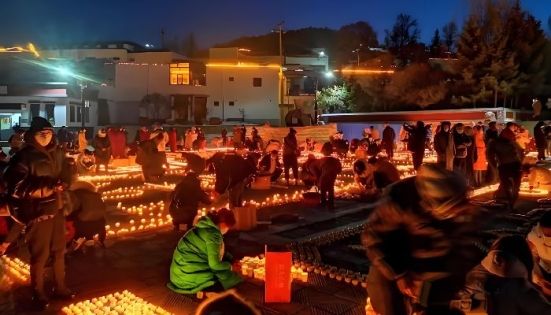
Butter Lamp Festival
Saga Dawa Düchen | June 18
Saga Dawa is one of the holiest periods in the Tibetan Buddhist calendar. The fifteenth day of the fourth Tibetan month, known as Saga Dawa Düchen, commemorates the birth, enlightenment and parinirvana of Shakyamuni Buddha. In 2027, this important date falls on June 18.
During this period, religious activities take place across Tibet. In Lhasa, the Barkhor area around Jokhang Temple may become especially busy with pilgrims, prayer and clockwise circumambulation. Many devotees also practice generosity, observe religious commitments and take part in other acts of merit.
Saga Dawa is also an important time for pilgrims visiting sacred sites, including Mount Kailash. If you would like to experience the religious atmosphere in Lhasa, consider allowing enough time for the city’s main temples and pilgrimage routes. Always walk in the same direction as local pilgrims and avoid blocking their paths.
Gyantse Damar Festival and Tashilhunpo Monastery Thangka Festival | Around June–July
The Gyantse Damar Festival is a traditional celebration associated with Gyantse. Activities have traditionally included horse racing, archery and folk performances, reflecting the area’s local customs and equestrian culture.
Its traditional timing is associated with the Tibetan calendar, but the actual public event schedule can change. The 2027 Gregorian dates have not been confirmed, so travelers should wait for a local announcement before planning a trip specifically around the festival.
Another important religious event to look out for is the thangka unveiling at Tashilhunpo Monastery in Shigatse. During this ceremony, a large religious thangka is displayed for devotees to pay their respects. The event attracts pilgrims and visitors interested in Tibetan Buddhist traditions.
Some 2027 calendars place the Tashilhunpo Monastery thangka display around July 16–18. Treat this as a provisional reference rather than a confirmed schedule. The monastery’s announcement should be checked for the final date, display time and visitor arrangements.
Zamling Chisang (World Incense Offering Day) | July 18
Zamling Chisang is a traditional Tibetan religious and folk observance, often associated with incense offerings and prayers for the well-being of the world. It falls on the fifteenth day of the fifth Tibetan month, corresponding to July 18 in 2027.
People may gather at monasteries, mountain sites and other places of religious significance to burn incense and make offerings. In some areas, the observance is accompanied by prayers and community activities.
The Samye Monastery area in Shannan is one of the places associated with this tradition. However, the exact form of the celebration varies from one community to another. Travelers interested in attending should check local arrangements before setting out.
Nagqu Horse Racing Festival | Summer, Dates to Be Announced
Nagqu, in northern Tibet, is known for its expansive grasslands and nomadic culture. Horse racing events are among the region’s best-known summer traditions. Depending on the local program, celebrations may include horse races, traditional riding skills, cultural performances and displays of local clothing.
These events offer visitors a chance to learn more about the culture and lifestyle of Tibetan communities on the northern plateau. However, the Nagqu Horse Racing Festival does not have one fixed Gregorian date that applies every year. Its schedule and duration depend on local arrangements.
If you hope to attend the festival, confirm whether the event will take place and check the dates before arranging transportation and accommodation between Lhasa and Nagqu.
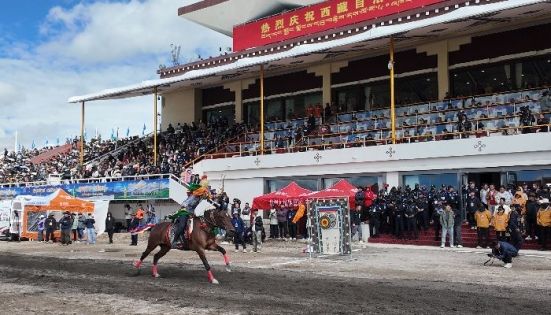
Naqu Qiaqing Horse Racing Festival
Shoton Festival | Expected Around August 31
The Shoton Festival is one of Lhasa’s best-known traditional celebrations. The name is commonly translated as the Yogurt Festival, reflecting the custom of serving yogurt in connection with the festival’s history and religious traditions. It is associated with the end of the summer retreat observed by Buddhist monks.
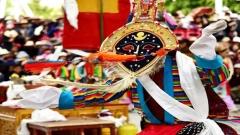
Today, the festival is widely known for its giant thangka unveiling, Tibetan opera performances and public celebrations. The thangka display at Drepung Monastery is one of the most anticipated events. Norbulingka is also an important venue for Tibetan opera and other festival activities.
For 2027, some festival calendars list August 31 as the expected starting date, while other Tibetan calendar references place the observance around September 1. The final program, venues and event times should be confirmed through official Lhasa announcements. Do not rely solely on previous years’ dates when booking your trip.
Ongkor (Harvest Festival) | August–September, Varies by Village
Ongkor is a traditional festival connected with agriculture, harvest prayers and local community life. It is commonly observed in farming areas before or around the time of the barley harvest.
Villagers may walk around their fields to pray for a good harvest. Depending on local customs, celebrations can also include horse racing, singing, dancing and folk performances.
Unlike religious observances that follow a specific Tibetan calendar date, Ongkor does not have one fixed Gregorian date across Tibet. Its timing depends on the local agricultural cycle and village traditions. Travelers hoping to see an Ongkor celebration should first identify the village and confirm its schedule.
Lhabab Düchen (Buddha’s Descent from Heaven) | November 20
Lhabab Düchen is an important Buddhist observance that commemorates the Buddha’s descent from the Heaven of the Thirty-Three, where he is traditionally believed to have taught his mother. It falls on the twenty-second day of the ninth Tibetan month and corresponds to November 20 in 2027.
Monasteries may hold prayer ceremonies and religious activities on this day. Local devotees may also visit temples, make offerings and take part in prayers.
If you are traveling in Tibet in November, you can check the schedules of monasteries in Lhasa and other destinations to see whether public religious activities are planned.
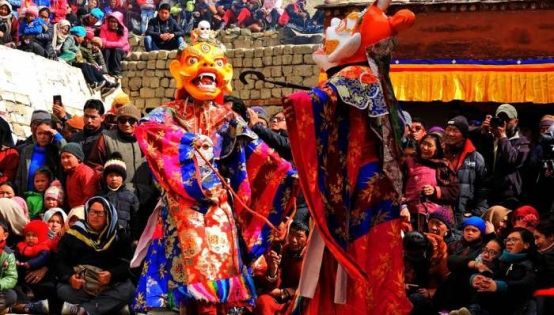
Ganden Ngamchö (Butter Lamp Festival) | December 22
Ganden Ngamchö, also known as the Butter Lamp Festival, commemorates the passing of Je Tsongkhapa, the founder of the Gelug school of Tibetan Buddhism. It falls on the twenty-fifth day of the tenth Tibetan month, which corresponds to December 22 in 2027.
During the festival, butter lamps are lit at monasteries and by devotees as an expression of remembrance and prayer. The sight of illuminated lamps in religious settings is one of the distinctive features of the observance.
This date should not be confused with December 25. If you are planning a winter trip to Tibet, use the 2027 Tibetan calendar date and check local monastery arrangements.
How to Plan a Tibet Trip Around the 2027 Festivals
If you want to experience Tibetan New Year traditions, consider visiting Lhasa around February 7. Winter travel requires some flexibility, and you should allow for possible changes to local business hours and transport arrangements.
June is an interesting time for travelers interested in Tibetan Buddhist culture. Saga Dawa on June 18 offers an opportunity to observe religious activities in Lhasa, while the surrounding weeks may also include local events in other parts of Tibet. In July and August, keep an eye on the schedules for Zamling Chisang, monastery thangka displays and horse racing festivals. Shoton is another major event to consider toward the end of August or beginning of September.
Keep in mind that a festival does not necessarily mean that every tourist attraction will extend its opening hours or that visitors can participate in all religious ceremonies. Some activities have designated viewing areas and specific rules. Always follow instructions from monasteries and event organizers, particularly when taking photographs.
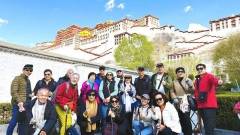
China Dragon Travel can help travelers plan Tibet itineraries around festival dates, available travel time and preferred destinations, including Lhasa, Shigatse, Shannan and Nagqu. If attending a major celebration is a priority, confirm the event schedule before booking flights, accommodation and local transportation. This is especially important for festivals whose dates are determined by local organizers rather than a fixed calendar day.
Frequently Asked Questions About Tibet Festivals in 2027
When is Tibetan New Year in 2027?
Tibetan New Year, also known as Losar, falls on February 7, 2027. It marks the beginning of the Tibetan Fire Sheep Year.
When is Saga Dawa in 2027?
The main day of Saga Dawa, the fifteenth day of the fourth Tibetan month, falls on June 18, 2027. Religious activities take place throughout the wider Saga Dawa period.
Has the 2027 Shoton Festival date been confirmed?
The Shoton Festival is expected around August 31 or September 1, 2027, according to available calendar references. The official Lhasa event schedule should be checked before departure.
Do Tibetan horse racing festivals take place on the same dates every year?
No. Events in places such as Gyantse and Nagqu depend on local arrangements and festival schedules. Previous years’ Gregorian dates should not be treated as confirmed dates for 2027.
How far in advance should I plan a trip around a Tibetan festival?
It is sensible to plan early if you want to visit during major celebrations such as Losar, Saga Dawa or Shoton. Arrange transportation and accommodation in advance, and confirm the official event schedule before finalizing a multi-destination itinerary. Allow extra travel time if you plan to attend festivals in different parts of Tibet.