
Standing majestically at the very heart of Beijing, the Forbidden City stands as the world’s largest and most intact wooden architectural complex. Once the exclusive imperial palace of the Ming and Qing dynasties for over 600 years, it witnessed the rise and fall of 24 Chinese emperors. Now transformed into the Palace Museum, it attracts tens of millions of visitors annually, offering a breathtaking glimpse into China’s glorious imperial past with its iconic vermilion walls, golden glazed roofs and exquisitely carved dougong brackets. Whether you’re a history buff, architecture enthusiast or casual traveler, it promises an unforgettable visual and cultural experience.
Pre-Trip Essentials: Plan Ahead for a Smooth Visit to the Forbidden City
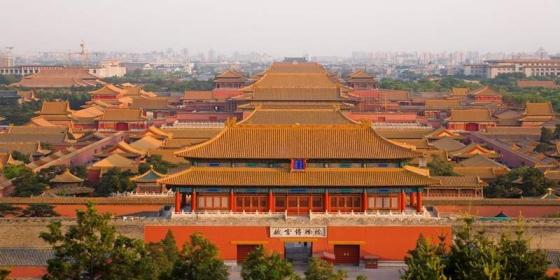
The Forbidden City
Ticket Booking & Opening Hours
- Booking Method: The Forbidden City operates a fully online real-name ticketing system with no on-site ticket booths. All visitors must book tickets in advance to avoid being denied entry. Ensure your ID matches the booking information exactly to prevent delays at the entrance.
- Ticket Prices: General admission is 60 RMB during peak season (April–October) and 40 RMB during off-season (November–March). The Treasure Gallery and Clock and Watch Gallery require separate tickets at 10 RMB each. Both galleries house the museum’s most exquisite collections and are highly recommended for a complete experience.
- Booking Tips: Tickets are released 7 days in advance via the official Palace Museum website or WeChat public account. Tickets sell out extremely fast on weekends and public holidays, so book as early as possible. Screenshot your booking confirmation for quick verification at the gate.
- Opening Hours: Peak season: 8:30 AM–5:00 PM; off-season: 8:30 AM–4:30 PM. Last entry is 1 hour before closing, so plan your visit accordingly to make the most of your time.
- Closure Schedule: The museum is closed every Monday except national holidays. Always check the official website for updated opening hours before your trip, as special events may cause temporary adjustments.
- Entry Tip: Arrive promptly at 8:30 AM when the museum opens. This is the quietest time of day, allowing you to explore without crowds, take unobstructed photos, and fully immerse yourself in the imperial atmosphere.
Getting There & Around
Located in central Beijing, the Forbidden City is easily accessible by public transport. Parking is extremely limited and traffic is often heavy, so public transport is strongly recommended.
- Subway: Take Line 1 to Tiananmen East or Tiananmen West Station, exit through Gate A or B, and walk approximately 10 minutes to the Meridian Gate (Wumen) entrance. The subway is the fastest and most reliable option.
- Bus: Take bus routes 1, 2, 52, 59, or 82 to Tiananmen East or Tiananmen West Stop, then walk 10–15 minutes to the Meridian Gate. Buses are budget-friendly for travelers on a tight budget.
- Guided Tours: For a hassle-free experience, book a Forbidden City tour with China Dragon Travel. They offer door-to-door shuttle service from designated meeting points directly to the Meridian Gate, eliminating the need to navigate public transport or wait in long lines. Their professional guides will also provide in-depth historical context to enhance your visit.
- Important Note: The Meridian Gate is the only entrance to the Forbidden City. The Shenwu Gate (North Gate) and Donghua Gate (East Gate) are exits only. Do not go to these gates first, as you will waste valuable time walking back.
Entry Requirements & Rules
- Bring a valid ID that matches your booking. Minors may enter with a household registration book or ID card. No entry will be granted without proper identification.
- Flammable items such as lighters and matches, as well as pets, are strictly prohibited. Any prohibited items must be stored in lockers before entry.
- Cameras and smartphones are allowed for photography, but flash and tripods are forbidden to protect the cultural relics. Some exhibition halls have no-photography policies; please follow staff instructions.
- Wear comfortable walking shoes, as you will walk 3–5 kilometers during a typical visit. Comfortable footwear will significantly improve your experience.
- Smoking and littering are prohibited throughout the museum. Please help preserve these precious cultural relics and maintain a clean environment for all visitors.
Top 10 Must-See Treasures: Encounter Imperial Masterpieces
The Palace Museum houses over 1.86 million cultural relics, with more than 90% classified as precious artifacts. Each piece tells a story of imperial China’s history and craftsmanship. Below are the top 10 treasures that no visitor should miss, each offering a unique window into the Forbidden City’s 600-year legacy.
The Dragon Throne in the Hall of Supreme Harmony
The centerpiece of the Hall of Supreme Harmony, this throne was the exclusive seat of Ming and Qing emperors and the ultimate symbol of imperial power. Carved from rare golden nanmu wood, which is renowned for its durability and beautiful grain, the throne has survived centuries in perfect condition. It is adorned with nine intricately carved golden dragons coiled among clouds, their claws sharp and expressions fierce, exuding unparalleled royal majesty. Above the throne hangs a magnificent dragon caisson ceiling, and below lies a luxurious carpet, creating an atmosphere of absolute authority. More than just a piece of furniture, this throne represents the pinnacle of ancient Chinese woodcarving and witnessed the coronations and grand ceremonies of 24 emperors.
The Nine-Dragon Wall
Located at the entrance to the Treasure Gallery, the Nine-Dragon Wall is a masterpiece of ancient Chinese glazed tile art and one of the Forbidden City’s most iconic structures. Measuring 29.4 meters long, 3.5 meters high, and 0.45 meters thick, it is composed of 270 colorful glazed tiles, each fired to perfection to retain its vibrant colors for centuries. The wall depicts nine dragons in dynamic poses—some roaring toward the sky, some diving to play in the water, and others soaring through the clouds. Every scale and detail is carved with precision, making the dragons look as if they are about to leap off the wall. Built during the Qianlong reign of the Qing Dynasty to screen the back entrance of a palace, it has now become a symbol of the Forbidden City and a favorite photo spot for visitors.
The Yu the Great Tames the Floods Jade Mountain
Displayed in the Treasure Gallery, this is the largest jade sculpture in existence and the crowning achievement of Qing Dynasty jade craftsmanship. Standing 224 cm tall, 96 cm wide, and weighing approximately 5 tons, it is carved from a single piece of Hetian green jade with a smooth, lustrous texture. The sculpture depicts the legendary story of Yu the Great controlling floods, featuring hundreds of laborers carving rocks and diverting rivers. Every figure has a distinct expression and posture, and the details of mountains, rivers, and plants are rendered with astonishing realism. This masterpiece took 10 years to complete and involved thousands of craftsmen. It not only showcases the extraordinary skill of ancient Chinese jade carvers but also reflects Emperor Qianlong’s admiration for Yu the Great’s heroic deeds.
Along the River During the Qingming Festival
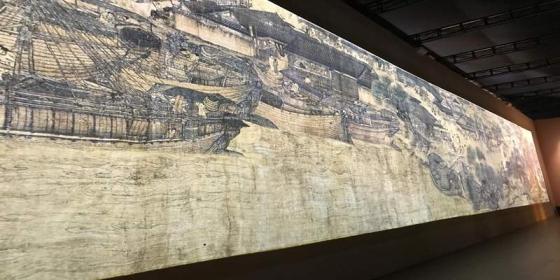
Along the River During the Qingming Festival
Housed in the Palace Museum, this painting by Northern Song artist Zhang Zeduan is one of China’s top 10 traditional paintings and is known as “the greatest painting under heaven.” Measuring 24.8 cm tall and 528.7 cm long, it uses a combination of meticulous and freehand brushwork to vividly portray the bustling city life of Bianjing (modern Kaifeng), the capital of the Northern Song Dynasty. The painting includes over 500 figures, as well as bridges, boats, and buildings, all rendered with incredible detail. Due to its age and fragile material, it is only displayed for a limited time each year. Check the museum’s exhibition schedule in advance if you wish to see this masterpiece in person, as it is an invaluable resource for studying Northern Song history, culture, and economy.
A Thousand Li of Rivers and Mountains
Also in the Palace Museum’s collection, this is the only surviving work by Northern Song artist Wang Ximeng and the pinnacle of Chinese blue-green landscape painting. Measuring 51.5 cm tall and 1191.5 cm long, it uses vibrant blue and green pigments with touches of ochre to depict rolling mountains, winding rivers, and elegant pavilions. The composition is grand and the atmosphere is serene, creating a three-dimensional landscape that seems to stretch endlessly. Wang Ximeng created this masterpiece when he was only 18 years old, demonstrating exceptional talent and skill. This painting not only showcases the beauty of ancient Chinese landscape art but also reflects the aesthetic tastes of the Northern Song Dynasty. It draws crowds of art lovers every time it is exhibited.
The Golden Cup of Eternal Peace
Housed in the Treasure Gallery, this golden cup was used exclusively by Qing emperors and was an essential ritual object symbolizing the eternal stability of the empire and peace for the people. Made entirely of gold, it stands 12.5 cm tall with an 8 cm diameter. The cup is inlaid with numerous pearls, rubies, sapphires, and tourmalines, showcasing exquisite craftsmanship. The rim is carved with a continuous meander pattern, and the sides feature dragon-shaped handles with ruby-encrusted dragon heads. Every New Year’s Day, Qing emperors would use this cup to perform the “first writing ceremony,” praying for a prosperous and peaceful year. This cup is a perfect combination of imperial craftsmanship and symbolic power.
The Kingfisher Feather Phoenix Crown with Pearls and Gems
Displayed in the Treasure Gallery, this phoenix crown was worn by Ming Dynasty empresses and represents the peak of ancient Chinese jewelry craftsmanship. Measuring 27 cm tall and 23.7 cm in diameter, it features intricate kingfisher feather work combined with pearls, gems, and golden dragons. The top of the crown is adorned with nine golden dragons inlaid with pearls and gems, their heads held high in majestic poses. The sides feature phoenixes with feathers made from vibrant kingfisher feathers, which retain their brilliant color even after centuries. Hundreds of pearls and gems of various sizes are scattered across the crown, creating a dazzling effect. This crown reflects the luxurious lifestyle of the Ming imperial court and the extraordinary skill of ancient Chinese jewelers.
The Ivory Mat
Preserved in the Palace Museum, this ivory mat is a masterpiece of ancient Chinese ivory craftsmanship and a precious imperial furnishing from the Qing Dynasty. Measuring 216 cm long and 139 cm wide, it is as thin as a cicada’s wing, smooth, flexible, and durable enough to be folded without creasing. The mat is woven from extremely fine ivory threads, which are produced through a complex process of treating and cutting ivory. Each thread is as thin as a human hair, and the weaving is so tight that no gaps are visible. Due to the extremely complex and labor-intensive production process, the craft of making ivory mats was lost after the Qing Dynasty, and only a handful survive today. The Palace Museum’s example is one of the finest, showcasing the ingenuity of ancient Chinese craftsmen.
The Vase of All Glazes (Porcelain Mother)
Also known as the “Porcelain Mother,” this vase is housed in the Treasure Gallery and represents the highest level of Qing Dynasty porcelain craftsmanship during the Qianlong reign. Standing 86.4 cm tall with a 27.4 cm mouth diameter and 33 cm base diameter, it features over a dozen different glaze techniques, including blue and white, underglaze red, doucai, famille rose, and enamel. The vase is decorated with landscapes, flowers, birds, and figures, all rendered with precise lines and vivid colors. Producing this vase required combining multiple firing techniques, making it an extremely complex and time-consuming process. It is the most representative porcelain piece in the Palace Museum’s collection.
The Bronze Lions
Standing in front of the Gate of Supreme Harmony, these are the largest bronze lions in the Forbidden City and symbols of imperial authority, having witnessed 600 years of the palace’s history. Cast from bronze during the Kangxi reign of the Qing Dynasty, they stand 3.3 meters tall and weigh approximately 4 tons each. The male lion on the left has his paw on a silk ball, symbolizing the emperor’s absolute power over the empire. The female lion on the right has her paw on a cub, symbolizing the continuation of the imperial lineage. Every detail, from their flowing manes to their fierce expressions, is carved with remarkable precision. These lions have stood guard at the gate for centuries and remain one of the Forbidden City’s most iconic landmarks.
Practical Travel Tips for the Forbidden City
How to Avoid Crowds
- Visit on weekdays if possible, as weekends and public holidays are extremely crowded. Weekdays offer a much more relaxed experience, allowing you to admire the architecture and artifacts at your own pace.
- Arrive promptly at 8:30 AM when the museum opens. This is the quietest time of day, and you can explore the most popular areas before the crowds arrive.
- Start your visit with the Treasure Gallery and Clock and Watch Gallery. These areas are less crowded than the central axis, and the morning light is perfect for photography. This also allows you to avoid the peak crowds on the central axis later in the day.
- After 3:00 PM, most tour groups have left the museum, and the central axis becomes significantly quieter. This is the perfect time to wander slowly and soak in the peaceful, historic atmosphere of the Forbidden City.
Dining & Rest Areas
The Forbidden City has several restaurants and snack bars scattered throughout the grounds, offering fast food, drinks, and souvenirs to help you recharge. The Ice Cellar Restaurant, converted from the original imperial ice storage, is a must-visit. It retains the unique architectural features of the ancient ice cellar, offering a one-of-a-kind dining experience where you can enjoy local specialties while learning about imperial history.
There are also numerous rest areas located near the palaces and along the corridors, where you can sit and rest your feet. We recommend bringing your own water and snacks, as food and drinks inside the museum are relatively expensive. Bringing your own supplies will save you money and ensure you have energy throughout your visit.
Hassle-Free Tips for an Unforgettable Forbidden City Experience
The Forbidden City is a museum that you can never fully explore in one visit—every trip reveals new stories and hidden details. It is not only a masterpiece of ancient Chinese architecture but also a living symbol of Chinese history and culture. The red walls and golden roofs hold 600 years of imperial tales, and stepping through its gates is like stepping back in time.
If you find planning a trip to the Forbidden City overwhelming, or if you want to gain a deeper understanding of its history, book a guided tour with China Dragon Travel. Their professional guides will provide detailed explanations of every site, and they offer a full range of services including ticket booking and transportation arrangements. With their help, you can relax and fully immerse yourself in the magic of the Forbidden City, creating memories that will last a lifetime.