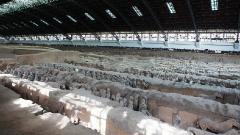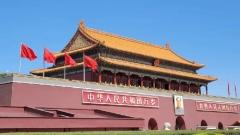

When it comes to Xi’an, besides the Terracotta Army and the Ancient City Wall, food is a key highlight. Xi’an food recommendation is not a fixed list, but a food experience from streets to alleys. Known as the “Capital of Carbohydrates” and a wheat-food kingdom by locals, Xi’an has countless wheat-based dishes. The real Xi’an flavor lies in wall-side alleys and low-key local restaurants with long daily queues. Those time-honored stores have no gorgeous decor, only decades of consistent craftsmanship and sincerity. This guide helps you avoid crowded internet-famous tourist shops and find the genuine old flavors recognized by locals.
Roujiamo Is the Representative of Xi’an Food
Roujiamo has an unshakable status in Xi’an. Laza pork roujiamo uses Baiji mo, featuring “iron ring, tiger back and chrysanthemum center”: the crust is crispy and the inside is soft and tough. Laza pork is pork spareribs braised slowly with more than 20 spices for hours, chopped and stuffed into freshly baked mo, then drizzled with a spoonful of laza sauce. It is fatty but not greasy, with juice soaking into the mo.
- Fanji Laza Pork (Zhabaishi Old Store): Founded in 1904, a China Time-Honored Brand, its production technique is a provincial intangible cultural heritage, about 13 CNY per capita.
- Qinyu Roujiamo (East Mutoushi Branch): Featured on A Bite of China, hand-baked Baiji mo, open until around 2 p.m. every day.
- Ziwulu Zhangji: Baiji mo is crispy outside and soft inside, fully soaked in meat sauce, a well-recognized favorite among locals.
Practical Tips: Authentic laza pork roujiamo only contains meat and mo, no green peppers or coriander. Baiji mo must be freshly baked; you can skip stores using pre-made mo. There is also “Tongguan roujiamo”in Xi’an, with a crispy and flaky crust and a different taste.
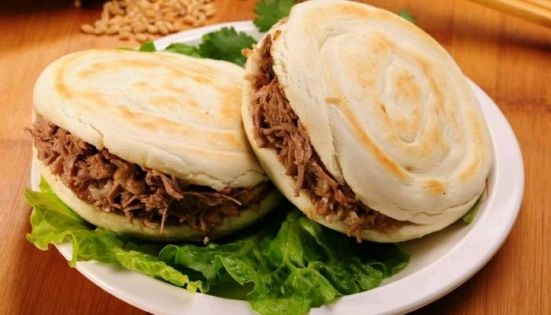
Xi’an Laza Pork Roujiamo
Eat Lamb Paomo to Feel the Slow Pace in Xi’an Food
You cannot hurry to eat lamb paomo. After entering the store, get an empty bowl and one or two unleavened mo first, and tear the mo into soybean-sized pieces by hand. The smaller the pieces, the more flavorful the soup. After tearing, send them back to the kitchen, pour in boiling lamb soup, vermicelli and edible fungus, then top with several large pieces of stewed tender beef or lamb.
There are rules for eating paomo: do not stir when the bowl is served, eat along the edge of the bowl with chopsticks to keep the heat. Pair it with pickled garlic and chili sauce to relieve greasiness and enhance freshness.
- Tongshengxiang: Founded in 1920, a China Time-Honored Brand, its beef and lamb paomo won the Golden Ding Award, about 37 CNY per capita.
- Laosunjia Restaurant (East Street Branch): A century-old brand with a separate cooking process for bones and meat, the soup features a prominent Chinese prickly ash flavor, about 35 CNY per capita.
- Laomijia Lamb Paomo (North Guangji Street): Recognized by locals, only serves breakfast and lunch, sold out after 2 p.m.
Ordering Tips: Say “ganpao”for less soup, “shuichengwei”for more soup, and the classic “koutang”(leave a sip of soup at the bottom of the bowl after eating). First-timers are recommended to order “shuichengwei”.
Liangpi Is the Sour and Spicy Appetizer in Xi’an Food
Liangpi is popular everywhere in Xi’an in summer. There are four main types of liangpi: Qinzhen rice liangpi, Xifu hand-rolled liangpi, Hanzhong hot rice liangpi and Guanzhong niangpi. Rice liangpi is smooth, wheat liangpi is chewy, and hand-rolled liangpi is thin and tough. Sesame paste niangpi in the Muslim Quarter uses sesame paste instead of part of vinegar, rich and smooth.
- Shengzhiwang Sesame Paste Niangpi (Dapiyuan): Rich sesame paste, homemade chili oil. Pairing with braised beef roujiamo makes a full meal.
- Shuanmazhuang Hand-Rolled Liangpi: Firm and chewy, a childhood favorite for locals.
Pairing: The Sanqin Combo (liangpi, roujiamo, Bingfeng soda) is the most convenient way to order. Say “less chili”if you cannot eat spicy food.
Biangbiang Noodles Is the Classic Food among Xi’an Belt Noodles
Biangbiang noodles are named after the sound of noodles slapping on the cutting board. Belt noodles are as wide as a belt, with one noodle filling a whole bowl. After cooking, the noodles are topped with chili powder, chopped green onions and minced garlic, drizzled with soy sauce and vinegar, then poured with boiling hot oil to release the fragrance.
- Aihua Belt Noodle Restaurant (East Mutoushi Branch): A benchmark store, signature noodles about 20 CNY, with minced meat, tomatoes and potatoes as ingredients. The three-in-one version is recommended.
- Shangzhai Liaozhalie Noodle Restaurant: Mainly oil-sprayed dry mixed noodles, frequently visited by locals, with multiple branches.
Tips: Pair with a small bowl of noodle soup; finishing the noodles and drinking the soup makes a perfect meal.
Zenggao Is the Xi’an Food Preferred by Sweet Lovers
Zenggao is steamed in a “zeng”(ancient steamer) with layers of glutinous rice, red dates, honey beans and kidney beans. The top layer is dark red date paste, the middle layer is crystal glutinous rice, with sweetness soaking into the rice grains. Locals often eat it for breakfast, sold by street carts; lift the cotton cloth and it’s steaming hot, about 5 CNY a portion, eaten with a bamboo slice.
- Ma Wenzhang Fatty Zenggao (Sajinqiao): Operating for nearly 40 years, one bucket a day, about 5 CNY per portion, glutinous rice covered with date paste and honey beans. Open from 6 a.m. to 8 a.m., sold out when gone.
- Dongnanya Zenggao (North Guangji Street): Well-known, loved for its taste.
Reminder: Eat it while hot; glutinous rice hardens when cooled, and the taste is much worse.
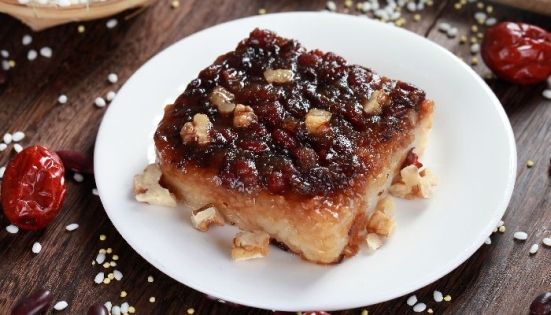
Zenggao with Glutinous Rice and Red Dates
Hulutou Is the Special Breakfast in Xi’an Food
Hulutou is named after the pork large intestine at the junction of the large and small intestines, which looks like a small gourd when cooked. The large intestine is cleaned repeatedly and stewed until tender, soaked in milky white bone soup with torn Baiji mo pieces, added with vermicelli and edible fungus, and topped with chili oil and coriander as you like. It is thoroughly cleaned with no off-flavor, fat and glutinous and delicious.
Chunshengfa Restaurant (South Courtyard): Founded in the 1920s, the name is taken from a poem by Du Fu. Its hulutou paomo is a China Famous Snack, about 41 CNY per capita.
Process: Tear the mo first (the smaller the better), then pour the soup (milky white bone soup), add chili as you like.

Persimmon Cakes and Small Crispy Meat Bring the Sweet and Salty Dual Experience of Xi’an Food
Persimmon Cakes: After autumn, Lintong fire crystal persimmons ripen. The skin is made of persimmon pulp and flour, filled with osmanthus, walnut kernels, sugar and other fillings, roasted over charcoal until golden on both sides. Freshly baked ones are soft and oozing with filling.
- Yiguzhai Osmanthus Persimmon Cakes (No. 119 North Courtyard Gate, Muslim Quarter): Popular rose and sesame flavors, 2 to 3 CNY each, with bagged gift versions.
- Laoxujia Persimmon Cakes (Miahou Street): Only sells persimmon cakes and yuanxiao, considered the most authentic by many locals. Fried with more starch, two fill you up.
Dingjia Small Crispy Meat (Dapiyuan): Beef coated with glutinous rice flour and steamed slowly, served in oily soup, tender meat, paired with rice and Bingfeng soda. Large portion and greasy, about 20 CNY per capita, recommended to share one bowl for two people.
Explore the Muslim Quarter to Find the Real Treasures of Xi’an Food
To eat authentic food in the Muslim Quarter, do not only stick to the main street of North Courtyard Gate. The “Huifang”recognized by locals is a network of narrow alleys including Dapiyuan, Xiyangshi, Sajinqiao and others. The main street caters to tourists, while the treasures are hidden in the branches.
Core Areas
Dapiyuan (pastries, small crispy meat, sour plum soup); Xiaopiyuan (40-year sour soup dumplings); Miahou Street (traditional paomo, mirror cakes); Daxuexi Alley (skewers).
Distribution of Time-Honored Stores
- Sajinqiao: Ma Wenzhang Fatty Zenggao, Laoliujia Paomo.
- Dapiyuan: Dingjia Small Crispy Meat, Shengzhiwang Sesame Paste Niangpi, Gaojia Barbecue, Huahua Nai Sour Plum Soup.
- North Guangji Street: Guoyuanzhai Mijia Paomo, Nianzhipo Laotongjia Braised Beef and Mutton.
- Daxuexi Alley: Popular skewer stores.
Other Food Streets: Yongxingfang (Shaanxi Intangible Cultural Heritage Snacks), South Shaomen Night Market, Weiqu Old Street.
In these blocks, you can hardly go wrong by entering a restaurant full of people speaking local dialects.
Practical Tips for Tasting Xi’an Food
- Dine Off-Peak: Go to Sajinqiao for breakfast in the morning with the fewest people, go to alleys outside the main street of the Muslim Quarter in the afternoon, and the main street is crowded at dinner time.
- Identify Authentic Roujiamo: Check if the mo is freshly baked; charcoal-fired hand-baked mo is authentic. Skip stores using electric ovens and pre-packaged mo.
- Save Money on Paomo: Order the regular version, which is not much different from the premium version; the essence is in the soup. The portion is substantial, share one bowl for two people.
- Eating Habits: Tourists from southern China should not gorge on paomo when first arriving in Xi’an; start with liangpi and wheat food to adapt. There are fusion restaurants in the Muslim Quarter.
- Souvenirs: Vacuum-packed braised beef and mutton from Nianzhipo Laotongjia or Ma Wenzhang, persimmon cakes and zenggao can also be packed.
- Transportation: Take Metro Line 14 to Line 2 from Xianyang International Airport to the urban area. Prioritize Metro Lines 2 and 4 in the city, and walk in the old town.
If you do not want to look for stores one by one and fear choosing tourist-oriented stores, you can let China Dragon Travel plan your food route. They are familiar with Xi’an’s streets and alleys, know which roujiamo is the crispiest when baked and which boss has the longest-brewed old soup for paomo, and can directly mark authentic spots to save trial and error time.
The Value and Significance of Xi’an Food Recommendation
Xi’an has a wide variety of foods, from roujiamo to paomo, from liangpi to zenggao, each carrying the local eating habits and cultural heritage. The flavor of this city is hidden in old stores for decades or even hundreds of years, which can only be found by slowing down. Leave time for truly authentic flavors, carefully experience the stories and craftsmanship behind Xi’an food, and feel the care of every food from raw materials to finished products. We hope this Xi’an food recommendation helps you efficiently plan your food-seeking route, save trial and error costs, discover new taste surprises in every trip to Xi’an, and truly appreciate the endless food charm of this ancient capital. If conditions permit, you may visit multiple times, focusing on different blocks or categories each time, and let your taste buds slowly get familiar with the fireworks of this city.