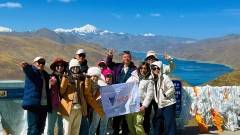

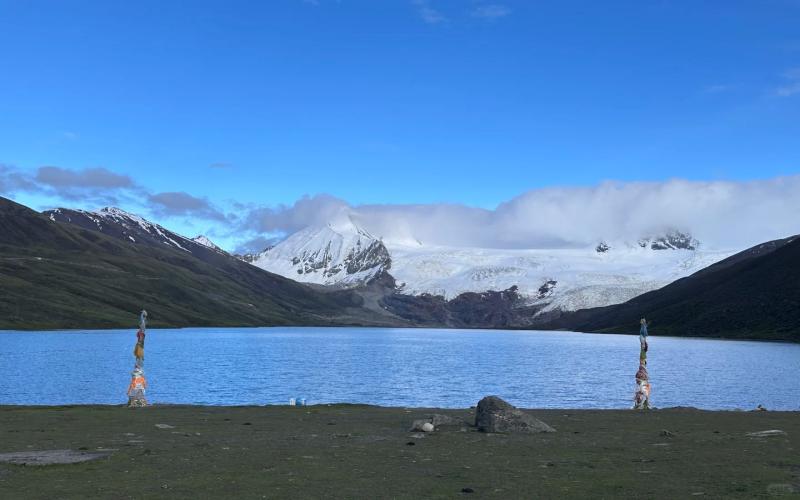
Mount Sapu, located in Biru County in Nagqu, northern Tibet, has become a popular destination for travelers drawn to dramatic snow-covered peaks, glaciers, alpine lakes, and the quiet beauty of the Tibetan Plateau. Its appearance changes considerably throughout the year. In late spring, ice and open water may create striking contrasts; summer brings greener grasslands, while early autumn can offer crisp mountain outlines and beautiful reflections when the weather cooperates. However, Mount Sapu is a high-altitude destination where weather, visibility, and road conditions can change quickly. Understanding the differences between seasons will help you choose a suitable travel window and prepare for the journey.
Key Points
- May–June: Look for the contrast between lingering ice, snow, and lake water.
- July–August: Enjoy greener meadows and lush summer landscapes.
- September–Early October: A promising period for clear mountain views and photography.
- November–April: Potentially striking frozen scenery, but more challenging travel conditions.
- Before Departure: Check local weather, road conditions, and access arrangements.
When Is the Best Time to Visit Mount Sapu?
For most travelers, the period from May to October is a practical starting point when planning a trip to Mount Sapu. Within these months, late spring and early summer offer a different atmosphere from the greener summer landscape, while early autumn may provide better opportunities for clear views on suitable days.
There is no single date that guarantees the best scenery every year. The timing of lake ice breakup varies with temperatures and weather conditions, and clouds can obscure the peaks even during otherwise favorable months. Rather than choosing a date based on photographs alone, consider your preferred landscape, available travel time, and the latest local conditions.
May to June: Ice, Snow, and Changing Lake Scenery
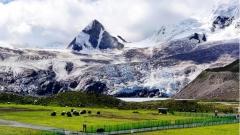
Late spring and early summer can be particularly rewarding for travelers who enjoy the contrast between snow-covered mountains and changing lake conditions. As temperatures rise, sections of the lake may begin to thaw, creating a combination of ice, open water, and towering peaks. The exact timing varies from year to year, so frozen or partially thawed lakes should not be expected on a fixed date.
The surrounding meadows may still look relatively sparse compared with the summer months, giving the landscape a cooler, more rugged appearance. This period is worth considering if you prefer dramatic ice-and-mountain scenery or want to travel outside the busiest summer period. Before setting out, check whether the access road is passable and whether the area is open under current local arrangements.
July to August: Green Meadows and Summer Mountain Scenery
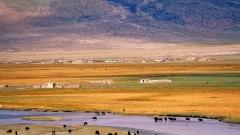
Summer brings more vegetation to the grasslands around Mount Sapu. Green meadows, seasonal flowers, alpine lakes, and snow-covered peaks create a varied landscape that appeals to nature lovers and photographers.
The main disadvantage is that summer weather can be changeable. Rain, low clouds, and mist may reduce visibility or hide the mountain peaks for several hours. Even if you arrive at the scenic area, clear views are not guaranteed. If you travel during July or August, allow some flexibility in your schedule and monitor rainfall and road conditions, particularly if your journey involves mountain roads.
September to Early October: A Good Period for Mountain Photography
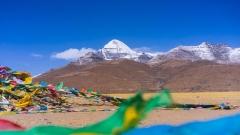
Early autumn is worth considering if your priority is to photograph Mount Sapu’s peaks and surrounding lakes. On clear days, the sky may appear crisp, making the mountain contours and the contrast between snow, rock, and water especially striking.
The weather can still change unexpectedly, and temperatures drop significantly in the mornings and evenings. Travelers should bring warm layers and check the forecast close to departure rather than assuming that autumn conditions will remain stable throughout the trip. If photography is a major goal, keeping an extra period of time in the itinerary may improve your chances of seeing the mountains in favorable light.
November to April: Frozen Landscapes and More Demanding Conditions
Winter can transform Mount Sapu into a landscape of frozen lakes, snow-covered slopes, and quiet mountain valleys. For experienced high-altitude travelers with suitable equipment and flexible plans, these conditions can offer a distinctive photographic experience.
However, winter travel requires greater caution. Very low temperatures, snow, icy roads, and temporary access restrictions can make the journey difficult or unsafe. Some local facilities or transport arrangements may also be unavailable. Do not plan a winter visit solely around the expectation of seeing blue ice without first confirming whether the destination is safely accessible. If local authorities or experienced drivers advise against traveling, postpone the trip.
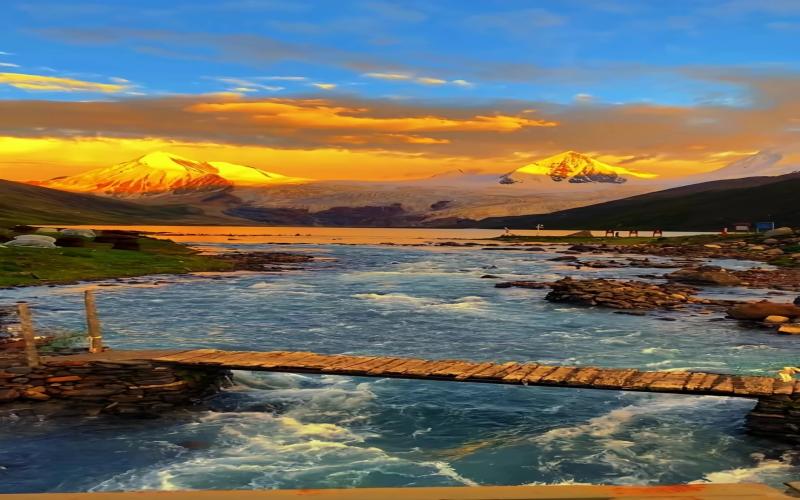
Sapu Mountain
Weather and Road Conditions to Consider
Mount Sapu lies in a high-altitude environment where strong winds, low temperatures, and rapid weather changes are possible even in summer. The weather forecast for Biru County town may not accurately reflect conditions around the mountain, so check information for the scenic area and the roads leading to it whenever possible.
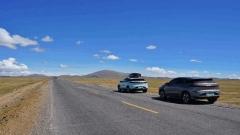
Transportation also requires advance planning. Reaching Mount Sapu commonly involves a private vehicle or self-drive arrangement, and public transport may not provide convenient access for every itinerary. Rain, snow, and freezing conditions can affect road safety, so drivers should assess the actual conditions rather than relying solely on the planned schedule.
Confirm the latest access arrangements, local transport options, and scenic-area operating information before departure. If conditions deteriorate, be prepared to change your plans rather than continue simply to keep to a fixed itinerary.
Preparing for a High-Altitude Trip to Mount Sapu
The viewing areas around Mount Sapu are at high elevations, with some locations above 4,800 meters (15,750 feet). Travelers arriving from lower elevations may experience headaches, breathlessness, fatigue, or difficulty sleeping as their bodies adjust to the thinner air.
Allow sufficient time to acclimatize before undertaking strenuous activities. Walk at a comfortable pace, avoid excessive alcohol, drink fluids regularly, and do not rush to reach higher elevations. If you have an underlying medical condition, consult a healthcare professional before traveling to high altitude.
Pack for changing conditions regardless of the season. A windproof outer layer, warm clothing, sturdy footwear, sunscreen, and sunglasses are useful throughout the year. Summer visitors should not assume that the weather will always be warm, while spring and autumn travelers should prepare for cold mornings and evenings. Winter trips require more substantial cold-weather equipment.
Altitude sickness cannot be completely prevented. If you develop severe headache, breathlessness at rest, confusion, or difficulty walking, seek urgent medical assistance and do not continue ascending.
How to Plan a Mount Sapu Itinerary?
Mount Sapu is best approached as a high-altitude nature trip rather than a quick stop between cities. In addition to the time required for driving, your itinerary should allow for changing weather, rest, and the possibility that the mountains may be hidden by clouds when you arrive.
If you want to combine Mount Sapu with other destinations in Tibet, such as Nagqu, Namtso Lake, or Lhasa, plan the route around realistic driving times and current road conditions. Avoid scheduling every day too tightly, especially when the journey includes remote areas or high mountain passes.
Before confirming your trip, consider your departure dates, preferred scenery, transportation arrangements, accommodation needs, and flexibility if weather conditions change. These details are more useful for choosing the right season than relying on a general claim that one month is always the best.
Plan Your Mount Sapu Trip with China Dragon Travel
The best time to visit Mount Sapu depends on the experience you want: late spring and early summer for the changing relationship between ice and water, summer for greener meadows, or early autumn for potential opportunities to photograph clear mountain peaks. Winter can offer extraordinary frozen scenery, but it also demands more careful preparation and confirmation of road access. Whatever season you choose, checking local conditions and allowing enough time to adjust to the altitude will help you plan a safer and more rewarding journey.
If you are planning a trip to Mount Sapu or combining it with other destinations across Tibet, China Dragon Travel can help you explore suitable routes and coordinate local transportation and itinerary arrangements. By planning around your preferred scenery, available travel dates, and the conditions on the ground, you can make more informed decisions before setting off to experience Mount Sapu’s remarkable mountain landscapes.