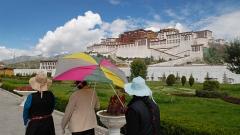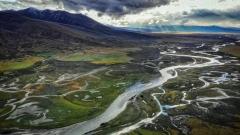

For residents of Hong Kong and Macau, visiting Tibet can be relatively straightforward, but it is important to understand the travel-document requirements, transportation options, and restrictions that may apply to certain destinations.
Before booking flights, train tickets, or hotels, confirm which travel document you will use and whether your planned itinerary includes areas that require additional permits. This guide explains the main considerations for Hong Kong and Macau residents traveling to Tibet in 2026–2027, including routes to Lhasa, the Qinghai–Tibet Railway, border-area permits, and practical advice for a smoother journey. China Dragon Travel can also help travelers plan suitable itineraries and coordinate local travel services.
Key Points
- Travel documents: Hong Kong and Macau residents holding a valid Mainland Travel Permit for Hong Kong and Macau Residents (Home Return Permit) can generally visit Tibet without a Tibet Travel Permit, subject to their specific circumstances and current regulations.
- Border-area permits: Additional authorization may be required for destinations such as Mount Everest and certain areas of Ngari.
- Transportation: Travelers can reach Lhasa by air or train, usually connecting through a mainland Chinese city.
- Accommodation: Confirm that your hotel accepts your travel document and can complete the required registration.
- Altitude preparation: Lhasa sits at approximately 3,650 meters (11,975 feet), so allow time to acclimatize and plan a manageable itinerary.
Do Hong Kong and Macau Residents Need a Tibet Travel Permit?
For Hong Kong and Macau residents traveling with a valid Mainland Travel Permit for Hong Kong and Macau Residents, commonly known as a Home Return Permit, a separate Tibet Travel Permit is generally not required for ordinary travel to Tibet.
However, the requirements depend on the document you hold and the nature of your trip. Do not assume that every passport, identity document, or travel-document combination receives the same treatment. If you plan to travel using a different document, confirm the applicable requirements before making reservations.
It is also important to distinguish between a Tibet Travel Permit and a Border Management Area Pass. They serve different purposes. Even if you do not need a Tibet Travel Permit for your journey, certain border areas may still require additional authorization.
Hotel Registration and Travel Documents
Hotels in Tibet must complete guest registration in accordance with local regulations. Before confirming your accommodation, contact the hotel to make sure it accepts your specific travel document and can complete the necessary registration.
This is particularly important if you intend to stay in smaller towns or remote areas, where accommodation options may be more limited. Confirming document requirements in advance can help prevent last-minute changes to your travel plans.
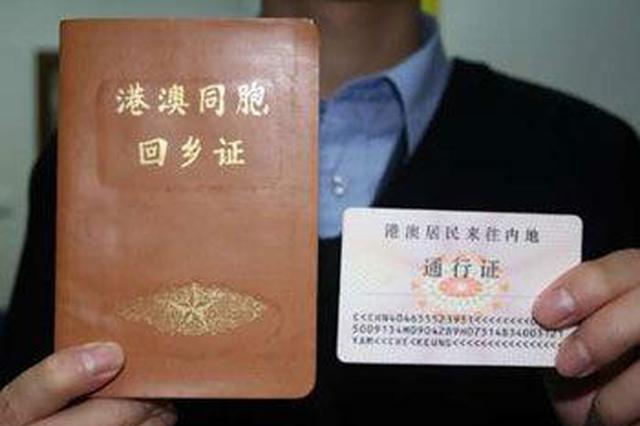
Mainland Travel Permit
Border Permits for Mount Everest and Ngari
Some destinations in Tibet are located within designated border management areas. Travelers may need a Border Management Area Pass to visit these places, even when no separate Tibet Travel Permit is required for their overall trip.
Destinations that may require additional authorization include:
- Mount Everest Base Camp: The Everest region is a popular destination for travelers seeking views of the Himalayas and the world’s highest mountain.
- Ngari (Ali): Certain areas of western Tibet, including routes associated with Mount Kailash and Lake Manasarovar, may be subject to additional access requirements.
- Other restricted border areas: Requirements depend on the specific destination and route.
Electronic Border Management Area Pass in 2026
China introduced an electronic Border Management Area Pass on April 15, 2026. Under the announced arrangements, paper permits are no longer issued, although existing paper permits remain valid until their expiration dates.
Mainland Chinese residents aged 16 and above can apply online for permits with a validity period of up to three months. Hong Kong, Macau, and Taiwan residents, overseas Chinese, foreign nationals, and certain other applicants must apply in person at a designated public security exit-entry administration office at county level or above, or at a designated police station, as applicable. Applications for one-year validity also follow the in-person procedure.
Because eligibility, application locations, and processing requirements can vary, check the latest official instructions before traveling. If your itinerary includes Mount Everest, Mount Kailash, Lake Manasarovar, or another border-area destination, confirm the permit requirements for your exact route before departure.
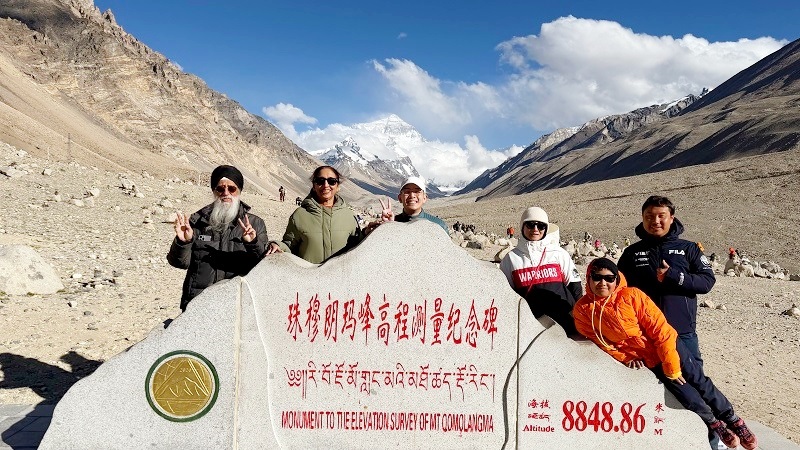
Mount Everest
How to Travel from Hong Kong or Macau to Tibet?
There is generally no need to limit your journey to a single transport option. Most travelers reach Lhasa by connecting through a mainland Chinese city, while others prefer taking the train for the scenery and gradual change in altitude.
Flying to Lhasa
Flights to Lhasa are available from various mainland Chinese cities, although routes, frequencies, and departure times change with airline schedules and the season. Common cities to consider when planning a connection include Chengdu, Chongqing, Kunming, Xi’an, Beijing, and Xining.
The best connection depends on your departure time, ticket availability, budget, and whether you want to spend a day or two exploring another city before continuing to Tibet.
- Chengdu: A convenient gateway for many travelers, with opportunities to enjoy Sichuan cuisine and visit the city’s famous panda attractions.
- Kunming: A useful option for travelers interested in Yunnan’s mild climate and diverse cultural heritage.
- Chongqing: An appealing stop for visitors who enjoy dramatic urban scenery and spicy hotpot.
- Xi’an: A good choice for combining a Tibet trip with China’s ancient history and archaeological attractions.
- Beijing: Suitable for travelers who want to visit major historical landmarks before heading to the Tibetan Plateau.
- Xining: A key gateway for travelers considering the Qinghai–Tibet Railway as well as onward flights.
Flights to Nyingchi may also be available from selected cities, including Chengdu, Chongqing, or Guangzhou, depending on the current schedule. Nyingchi is lower in altitude than Lhasa and can be an alternative starting point for certain itineraries, although the suitability of this option depends on your route and travel plans.
Always check current airline schedules and connection times before booking. If you purchase separate tickets, allow enough time between flights in case of delays or schedule changes.
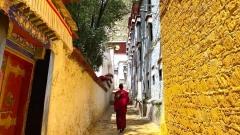
Taking the Qinghai–Tibet Railway
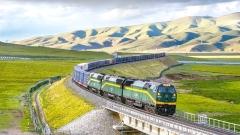
For travelers who prefer rail journeys, the Qinghai–Tibet Railway offers a memorable way to reach Lhasa. The route passes through high-altitude landscapes, open grasslands, mountains, and expansive sections of the Tibetan Plateau.
The journey from Xining to Lhasa typically takes around 21 hours, although the exact duration depends on the train service and timetable. Depending on the current schedule, travelers may also be able to arrange rail connections through other major Chinese cities.
Train tickets can be difficult to obtain during peak travel periods, especially around major holidays and popular travel seasons. Check the official timetable and booking arrangements before finalizing your itinerary.
Although the train journey offers a gradual transition into a high-altitude environment, it does not eliminate the risk of altitude-related illness. Travelers should still plan time to rest after arriving in Tibet.
Traveling Overland to Tibet
Road trips are another option for travelers who have sufficient time and want to experience the changing landscapes on the way to Tibet. Major overland routes include:
- Sichuan–Tibet Highway, Southern Route (G318): Known for its mountain scenery, winding roads, and dramatic changes in elevation.
- Sichuan–Tibet Highway, Northern Route (G317): Offers a different perspective on western Sichuan and the Tibetan Plateau.
- Yunnan–Tibet Highway: Connects landscapes and cultural regions in Yunnan with parts of Tibet.
- Qinghai–Tibet Highway: Crosses broad plateau scenery and connects the Xining region with Lhasa.
- Xinjiang–Tibet Highway: A remote and demanding route that requires careful planning and confirmation of access requirements.
Overland journeys can involve long driving days, high mountain passes, remote sections, and rapidly changing weather. Travelers should confirm road conditions, vehicle arrangements, accommodation, and any applicable travel restrictions before setting out. For most visitors with limited time, flying or taking the train is generally simpler.
When Is the Best Time to Visit Tibet?
The best time to visit depends on your interests, preferred destinations, and tolerance for cold weather and altitude. Many travelers choose the warmer months for sightseeing and overland journeys, while others prefer quieter periods or winter landscapes.
Spring and autumn can offer rewarding conditions for exploring Lhasa and selected regions, although temperatures and road conditions vary by location. Summer is popular for travel across much of Tibet, but demand for transport and accommodation can be high. Winter can bring colder conditions, particularly at higher elevations, so suitable clothing and a flexible itinerary are essential.
If you plan to visit Mount Everest or Ngari, consider the conditions along the entire route rather than relying on the weather in Lhasa alone. High-altitude areas can be substantially colder, and weather may affect road access or sightseeing plans.
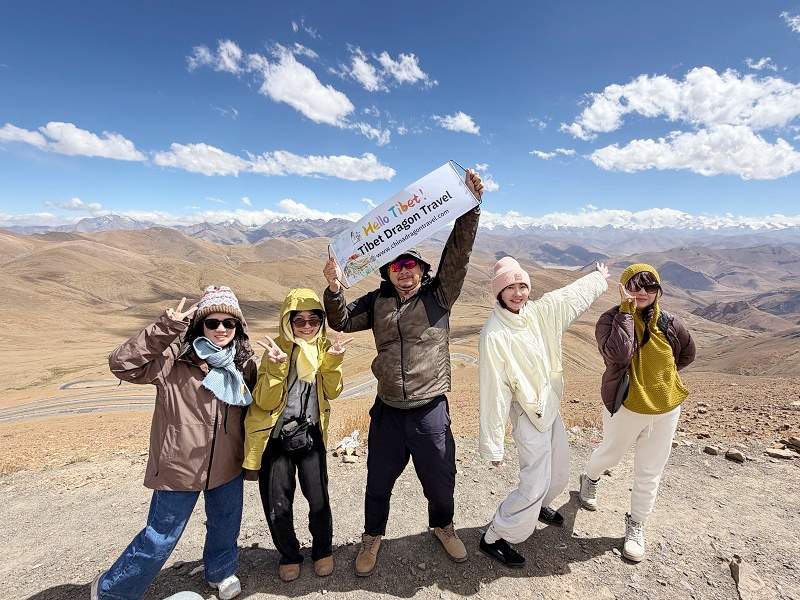
Travelers with China Dragon Travel
How to Prepare for Tibet’s High Altitude
Lhasa is approximately 3,650 meters (11,975 feet) above sea level. Travelers arriving from lower elevations may notice shortness of breath, headaches, fatigue, or difficulty sleeping as their bodies adjust to the thinner air.
A few practical precautions can make the initial days more manageable:
- Allow time to acclimatize: Keep the first day or two relatively relaxed instead of scheduling strenuous activities immediately after arrival.
- Avoid intense exercise at first: Walk at a comfortable pace and increase activity gradually.
- Stay hydrated and eat regularly: Avoid excessive alcohol, especially during the initial acclimatization period.
- Dress in layers: Temperatures can change quickly, particularly between sunny afternoons and cold evenings.
- Protect yourself from the sun: High-altitude sunlight can be intense, so bring sunscreen, sunglasses, and suitable clothing.
- Seek medical advice when appropriate: People with pre-existing medical conditions should consult a healthcare professional before traveling to high altitude.
Altitude sickness cannot be completely prevented, even with careful planning. If you develop worsening symptoms, particularly severe headache, breathlessness at rest, confusion, or difficulty walking, seek urgent medical assistance and do not continue ascending.
Should You Arrange Your Tibet Trip Independently or Through a Travel Agency?
Some travelers prefer to book their own flights and hotels, particularly when visiting Lhasa and other places with straightforward transport connections. However, trips involving remote destinations, multiple stops, border-area permits, or long overland journeys can require more coordination.
A local travel agency can help organize transportation, accommodation, guides, sightseeing, and the applicable permits for destinations on your itinerary. This can be especially useful if you want to combine Lhasa with Mount Everest, Mount Kailash, Lake Manasarovar, or other locations where access arrangements need to be confirmed in advance.
China Dragon Travel helps travelers plan trips in Tibet and coordinate local travel services. When comparing agencies, look at the actual services included, the itinerary’s pace, accommodation standards, cancellation terms, and how the company handles changes caused by weather or access restrictions.
Before paying a deposit, ask for a clear written itinerary and confirm which permits and services are included in the quoted price. Do not assume that a general statement about travel-document requirements automatically covers every destination on your route.
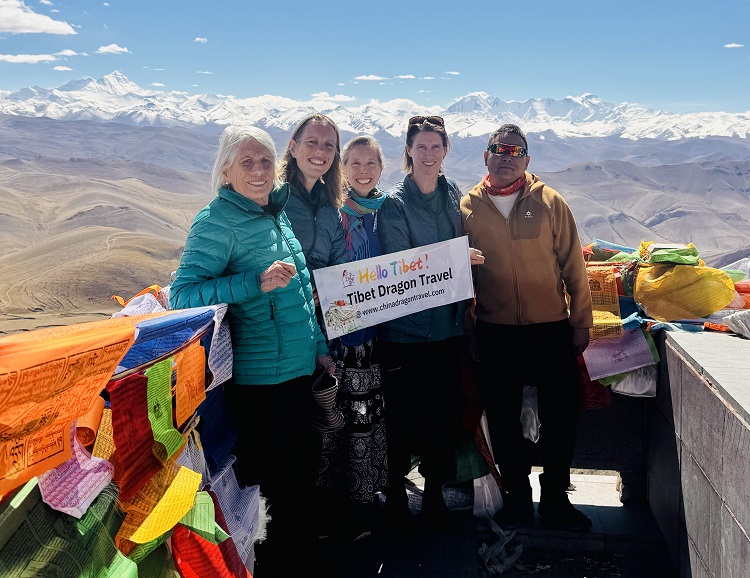
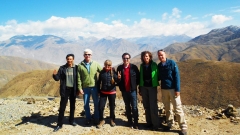
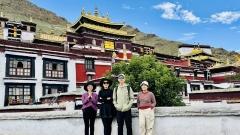
Group Photo of Tourists with China Dragon Travel
Frequently Asked Questions
Can Hong Kong and Macau Residents Visit Tibet Using a Home Return Permit?
Generally, yes. Hong Kong and Macau residents holding a valid Mainland Travel Permit for Hong Kong and Macau Residents can generally visit Tibet without a separate Tibet Travel Permit. However, requirements may differ for other travel documents and for specific destinations, so confirm your circumstances before departure.
Is a Home Return Permit Enough to Visit Mount Everest?
Not necessarily. A Home Return Permit and a Border Management Area Pass serve different purposes. If your itinerary includes Mount Everest or another designated border area, confirm whether an additional permit is required and how to apply.
Is It Better to Fly or Take the Train to Lhasa?
Flying is usually more convenient if you have limited time. The Qinghai–Tibet Railway is a good choice if you enjoy scenic rail travel and can allow approximately 21 hours for the Xining–Lhasa journey. Neither option removes the need to acclimatize after arriving at high altitude.
Can Hong Kong and Macau Residents Plan a Tibet Trip Independently?
Independent travel may be practical for some itineraries, but document requirements, hotel registration, transport arrangements, and access restrictions should be checked in advance. For remote destinations or complex routes, working with a local travel agency can simplify the planning process.
Plan Your Tibet Journey with Confidence
A successful Tibet trip begins with understanding your travel documents, choosing a realistic route, and allowing enough time to adjust to the altitude. For Hong Kong and Macau residents, the key is to distinguish between the general requirements for entering Tibet and the additional authorization that may apply to particular border areas.
Before departure, verify the latest official rules, confirm that your hotel accepts your travel document, and check current transport schedules. If you would like help coordinating local services or planning a route that includes destinations beyond Lhasa, China Dragon Travel can help you explore suitable options for your Tibet journey.