Ringing in the New Year in Tibet is an experience that transcends typical holiday celebrations. Unlike the global countdown marked by fireworks and champagne, the Tibetan New Year—known as Losar—is a deeply spiritual, culturally rich event woven into the fabric of Himalayan life. For travelers seeking something beyond the ordinary, spending Losar on the Roof of the World offers a rare glimpse into centuries-old Buddhist traditions, vibrant community gatherings, and starkly beautiful winter landscapes. The air smells of juniper incense, monasteries echo with chanting monks, and locals welcome visitors with warm bowls of butter tea. If you have ever wondered what it is truly like to celebrate the New Year at such high altitudes, this guide will walk you through the customs, practicalities, and magic of a Tibetan winter celebration.
Key Kakeaways
- Losar follows the lunar calendar, usually falling in February or March.
- Preparations begin weeks ahead with deep cleaning and special foods.
- Monastery ceremonies feature sacred Cham dances and prayers.
- Altitude and cold weather require careful physical preparation.
- Independent travel is restricted; organized tours are mandatory for foreigners.
Understanding Losar: What Is the Tibetan New Year?
To understand what it is like to ring in the New Year in Tibet, you first need to understand Losar itself. The word “Losar” translates directly to “New Year” in the Tibetan language (“Lo” meaning year, and “Sar” meaning new). However, it is far more than a simple date change on a calendar. It is the most important festival in the Tibetan cultural sphere, celebrated not only in the Tibet Autonomous Region but also by Tibetan communities in neighboring provinces like Qinghai, Sichuan, Gansu, and Yunnan, as well as in Nepal, Bhutan, and northern India.
Losar is dictated by the Tibetan lunisolar calendar, which means its dates shift annually relative to the Gregorian calendar. It typically occurs in late February or early March, though occasionally it aligns closely with the Chinese Lunar New Year. The festival traditionally lasts for fifteen days, with the first three days being the most significant and heavily celebrated. During this period, the focus shifts entirely away from daily labor toward spiritual renewal, family bonding, and community festivity.
The origins of Losar predate Buddhism’s arrival in Tibet, rooted instead in ancient winter solstice rituals where locals offered incense to local spirits and deities to ensure a good harvest. Over centuries, these indigenous practices merged seamlessly with Tibetan Buddhist traditions, creating the multi-layered festival seen today. When you arrive in Tibet during this season, you are stepping into a living timeline where ancient animistic roots and sophisticated Buddhist philosophy coexist harmoniously.
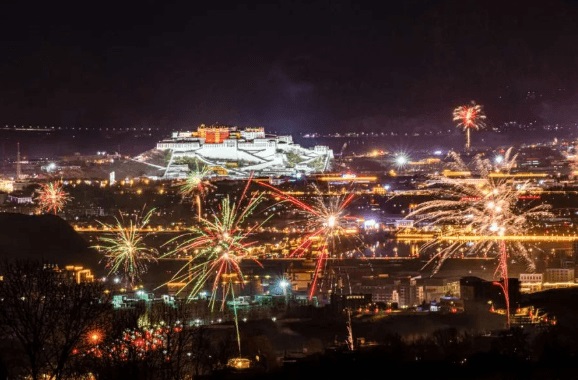
Celebrating New Year’s Eve in Tibet
Preparing for the Celebration: Traditions Before the New Year in Tibet
The atmosphere of the New Year in Tibet does not suddenly appear on the first day of Losar; it builds steadily over the preceding weeks. If you arrive in Lhasa or Shigatse in the days leading up to the festival, you will notice a palpable shift in energy. Markets become incredibly busy, and households engage in rigorous preparations that blend practical chores with deep spiritual significance.
One of the most critical pre-Losar traditions is the thorough cleaning of homes and monasteries. This is not merely about hygiene; it is a symbolic sweeping away of the old year’s bad luck, negative energies, and obstacles. Every corner is scrubbed, and old items are discarded to make room for fresh blessings. Following the cleaning, families repaint decorative motifs on their walls and doors, often using white powder to draw auspicious symbols like the endless knot, the sun, and the moon.
Food preparation is another massive undertaking. The quintessential Losar food is “Kapse,” a type of fried pastry made from dough, butter, and sugar, twisted into various intricate shapes before frying. Different shapes hold different meanings, and no Tibetan household is complete without towering displays of Kapse during the New Year. Another essential item is the “Droso Chema,” a wooden box divided into two sections. One side holds roasted barley flour (tsampa), and the other holds roasted wheat grains. Both are decorated with colorful butter sculptures called “tse-dro” and ears of barley. When guests arrive, they pinch a little tsampa from the box, toss it into the air three times as an offering to the deities, and then taste a small amount, symbolizing shared prosperity and good wishes for the coming year.
On the 29th day of the 12th Tibetan month, known as “Gutor,” families gather for a special noodle soup called “Guthuk.” This soup contains dough balls, some of which hide symbolic items inside—like wool, charcoal, chili, or a coin. Whatever you find in your dough ball is meant to playfully reveal your character or predict your fortune for the upcoming year. After dinner, a ritual exorcism takes place, where people carry torches through their homes shouting to drive out evil spirits, eventually throwing a specially prepared effigy into a crossroads fire to ensure the new year begins completely pure.
The First Three Days: Experiencing the Heart of Tibetan New Year
When asking what it is like to ring in the New Year in Tibet, the answer lies in the distinct rhythm of the first three days of Losar. Each day carries specific customs, shifting the focus from the private family sphere to the broader community and finally to social relaxation.
Lama Losar: The Spiritual First Day
The first day is known as Lama Losar, or “Priest’s New Year.” It is a highly spiritual and relatively quiet day reserved primarily for religious observance and immediate family. Devout Tibetans wake up long before dawn. Women traditionally head to nearby rivers or wells to fetch the first bucket of water of the new year, known as “golden water,” which is considered highly auspicious and blessed. This water is used for offerings and making morning tea.
Families dress in their finest traditional clothing, often wearing heavy brocade robes adorned with turquoise, coral, and amber jewelry. They gather around the home altar, which has been freshly stocked with offerings of fruit, butter tea, Kapse, and incense. The eldest family member leads prayers, and everyone exchanges the greeting “Tashi Delek,” meaning “auspicious greetings” or “good luck.” On this day, visits are generally restricted to close relatives, and many people spend time reciting mantras or visiting their local neighborhood temple to light butter lamps and spin prayer wheels. For a traveler, observing the serene devotion in the streets and temples on Lama Losar is a profoundly moving experience.
Gyalpo Losar: The King’s New Year
The second day, Gyalpo Losar, opens the celebration to the wider community. Historically, this was the day when secular leaders and kings were honored, but today it serves as the primary day for visiting friends, extended family, and neighbors. The streets of Lhasa come alive with color and movement. People carry “Khata”—traditional white silk scarves representing purity and compassion—to exchange with everyone they meet. Offering a Khata is a gesture of deep respect and goodwill.
This is also the day when the grandest public events occur. In Lhasa, the area around the Jokhang Temple and Barkhor Street becomes a sea of humanity. Pilgrims prostrate themselves along the kora (pilgrimage circuit), while vendors sell steaming bowls of thukpa (noodle soup) and sweet milk tea. If you are traveling with a guided group, your guides will likely navigate you through these crowds safely, allowing you to witness the joyous chaos without getting lost. Homes are open to visitors, and it is customary to drink chang (Tibetan barley beer) and eat continuously as you move from house to house. Refusing hospitality can sometimes be seen as impolite, so pacing yourself with the rich food and alcoholic beverages is a necessary skill.
Kyagpa Losar: The Day of Relaxation
By the third day, known as Kyagpa Losar, the intense religious and social obligations begin to ease. This day is dedicated to relaxation, outdoor activities, and community picnics. Families pack up leftover Kapse, thermoses of butter tea, and blankets, heading to parks, the banks of the Lhasa River, or the base of mountains. You will see groups singing traditional folk songs, playing dice games, and simply enjoying the crisp winter sunshine. In some regions, horse racing or archery competitions are organized, adding a thrilling sporting element to the festivities. For tourists, this is an excellent day to mingle casually with locals in a relaxed setting, sharing food and stories without the formal constraints of the previous days.
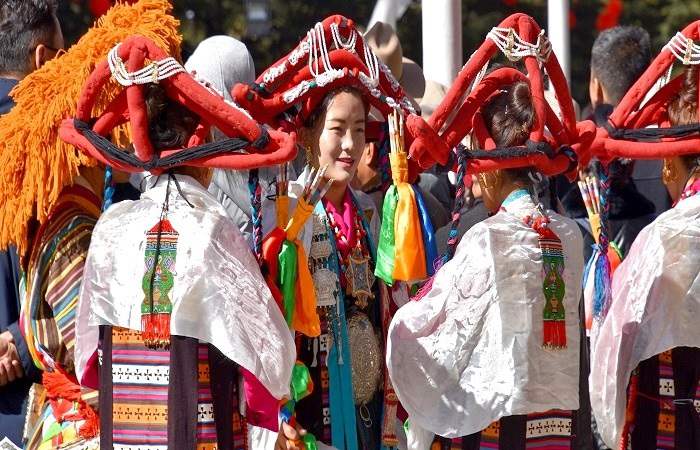
Losar
Monastery Ceremonies and Sacred Dances During the New Year
No description of ringing in the New Year in Tibet is complete without discussing the spectacular monastery festivals. While the first three days of Losar are family-centric, the subsequent days—particularly around the 4th to the 15th of the first Tibetan month—are dominated by grand religious ceremonies held at major monasteries.
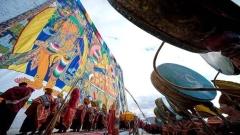
The highlight for many travelers is the Cham dance, a mesmerizing form of masked and costumed ritual dance performed by trained monks. These dances are not mere entertainment; they are profound spiritual practices designed to purify the environment, subdue negative forces, and impart moral lessons to the laypeople watching. Monks don elaborate, brightly colored costumes and wear large masks depicting wrathful deities, protective guardians, and historical figures. Accompanied by the deep, resonant sounds of long copper horns (dungchen), crashing cymbals, and rhythmic drums, the dancers move with precise, hypnotic choreography.
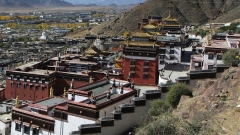
Different monasteries host their own unique variations of these festivals. Tashilhunpo Monastery in Shigatse is famous for its massive display of Thangka paintings, where enormous embroidered scrolls depicting Buddhas are unfurled down the side of a hill for pilgrims to view and receive blessings. Sera Monastery and Drepung Monastery near Lhasa also host incredible gatherings where thousands of monks chant scriptures simultaneously, creating a sonic vibration you can feel in your chest. Witnessing these events requires patience and respect, as the crowds of devout pilgrims can be dense, but the visual and auditory spectacle is unlike anything else on earth.
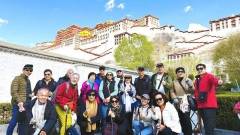
Practical Travel Guide: Visiting Tibet for the New Year
Deciding to experience the New Year in Tibet requires meticulous planning due to the region’s unique geographical and political landscape. Winter travel on the Tibetan Plateau presents challenges, but with the right preparation, it is incredibly rewarding.
Permits and Regulations
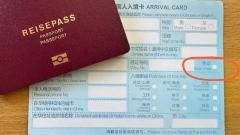
Foreign travelers cannot visit Tibet independently. You must book a tour through a registered travel agency, which will arrange your Tibet Travel Permit. This permit is mandatory for boarding flights or trains into the region and for checking into hotels. During Losar, government offices may operate on reduced schedules, so applying for permits well in advance—typically a month or more—is crucial. Your travel agency will handle the bureaucratic logistics, ensuring you have the correct documentation for your specific itinerary. Working with experienced operators like China Dragon Travel can significantly streamline this process, as they possess deep familiarity with seasonal regulations and local requirements, ensuring your journey proceeds smoothly even during complex festival periods.
Weather and Packing
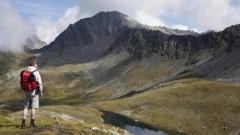
Winter in Tibet is cold, but not always as brutal as people imagine. Lhasa, sitting at about 3,650 meters (11,975 feet), enjoys abundant sunshine during the day. Daytime temperatures might hover around 8°C to 12°C (46°F to 54°F) under clear blue skies, but once the sun sets, temperatures plummet rapidly, often dropping to -10°C (14°F) or lower. Wind chill can make it feel even colder. Layering is the golden rule. Bring thermal base layers, thick fleece mid-layers, and a windproof, insulated outer jacket. High-quality gloves, a warm hat that covers your ears, and UV-protection sunglasses are non-negotiable, as the high-altitude sun reflects intensely off snow and pale surfaces.
Managing Altitude Sickness
Altitude sickness is the most significant health consideration. Arriving in Lhasa during winter means the air is thinner and drier than in summer. Spend your first two to three days doing absolutely minimal physical exertion. Do not rush up stairs, avoid alcohol initially, and drink copious amounts of water. Traditional Tibetan butter tea is excellent for hydration and calorie intake. If you feel severe headaches, nausea, or shortness of breath, inform your guide immediately. Most reputable tours include supplemental oxygen in their vehicles, and hotels in Lhasa often provide oxygen concentrators in the rooms.
Culinary Delights: What to Eat During Tibetan New Year
The food served during the New Year in Tibet is hearty, warming, and designed to sustain people through the cold climate. Beyond the previously mentioned Guthuk and Kapse, there are several culinary staples you should try.
Momos, the beloved Tibetan dumplings filled with yak meat, mutton, or vegetables, are ubiquitous during festivals. They are usually steamed but can also be fried, served with a spicy chili-garlic dipping sauce that warms you from the inside out. Yak meat features prominently in winter dishes, often dried, stewed into rich curries, or sliced thin and stir-fried. Tsampa remains the foundational staple; roasted barley flour mixed with butter tea and rolled into dough balls by hand provides quick, dense energy.
For drinks, sweet milk tea (Cha Ngarmo) is widely available and often preferred by visitors over the salty, savory taste of traditional yak butter tea (Po Cha). Chang, the mildly alcoholic fermented barley beverage, flows freely during Losar celebrations. It tastes somewhat like a sour, uncarbonated beer and is usually served warm. Drinking etiquette involves taking small sips rather than gulping, as your host will continuously refill your bowl.

Tibetan Cuisine
Why Choose a Guided Tour for Losar
Navigating the complexities of Tibetan culture, language barriers, and logistical hurdles makes joining a guided tour the only viable option for foreign visitors. A knowledgeable local guide does much more than translate; they act as cultural bridges. During Losar, certain areas of monasteries may be restricted to monks only, or specific rituals might be sensitive to photography. A guide ensures you participate respectfully without inadvertently causing offense.
Furthermore, transportation between cities like Lhasa, Gyantse, and Shigatse can be unpredictable in winter due to occasional snow passes. Professional agencies monitor road conditions constantly and adjust itineraries for safety. Companies like China Dragon Travel specialize in crafting immersive cultural itineraries that go beyond standard sightseeing, placing you in authentic environments where you can genuinely connect with the spirit of the Tibetan New Year. Their expertise ensures that your focus remains on the breathtaking culture rather than the stress of logistics.
Frequently Asked Questions About the New Year in Tibet
1. When exactly is the Tibetan New Year celebrated?
The date changes every year because it is based on the Tibetan lunisolar calendar. It generally falls sometime in February or March. It is essential to check the specific dates for the year you plan to travel, as they do not always align perfectly with the Chinese Spring Festival or Western calendars.
2. Can foreign tourists attend monastery ceremonies during Losar?
Yes, foreign tourists can attend many public monastery ceremonies and watch Cham dances, provided they have the required Tibet Travel Permit and are accompanied by a licensed guide. However, access to certain inner sanctums or specific monk-only rituals is strictly prohibited for outsiders, including domestic tourists. Respect for these boundaries is paramount.
3. Is it safe to travel to Tibet in winter for the New Year?
Traveling to Tibet in winter is generally safe if you prepare adequately for the altitude and the cold. The main risks involve altitude sickness and icy roads in remote mountain passes. Sticking to established routes, utilizing professional transport, and acclimatizing slowly in Lhasa before venturing to higher elevations mitigates these risks effectively.
4. What should I bring as a gift if invited to a Tibetan home during New Year?
If you are fortunate enough to be invited to a local home, bringing a Khata (white ceremonial scarf) is the most important gesture. Additionally, gifting a box of high-quality tea, fruits, or sweets is highly appreciated. Avoid giving items associated with negative symbolism, and always present gifts using both hands as a sign of respect.
5. Are shops and restaurants closed during the Tibetan New Year?
During the first three days of Losar, many local Tibetan-owned businesses, shops, and smaller restaurants may close so families can celebrate together. However, establishments catering to tourists, larger hotels, and some restaurants in central areas like Barkhor Street usually remain open. Your travel guide will know exactly which places are operating and can arrange meals accordingly.