
Traveling to high elevations during the colder months brings a unique set of challenges that many adventurers overlook until they are already gasping for breath. If you are planning a trip to mountainous regions or high plateaus between November and March, you might be asking yourself a very common question: will altitude sickness be worse in winter? The short answer is that while the fundamental mechanics of altitude illness remain tied to elevation rather than the calendar, winter conditions introduce environmental stressors that can amplify your discomfort and complicate acclimatization. Cold temperatures force your body to work harder, dry air accelerates dehydration, and heavier clothing restricts movement, all of which mimic or worsen the symptoms of acute mountain sickness.
Key Takeaways
- Cold weather increases metabolic demand, reducing oxygen efficiency at high elevations.
- Dry winter air significantly accelerates dehydration, worsening altitude symptoms.
- Heavy winter clothing adds physical strain, mimicking altitude fatigue.
- Indoor heating systems further deplete moisture, complicating overnight recovery.
- Proper acclimatization strategies must be adjusted for winter-specific environmental stressors.
Understanding Altitude Sickness and Its Core Mechanisms
Before addressing whether altitude sickness will be worse in winter, it is essential to understand what actually happens to the human body at high elevations. Altitude sickness, formally known as Acute Mountain Sickness (AMS), occurs when you ascend to higher altitudes faster than your body can adapt to the reduced atmospheric pressure. Contrary to popular belief, the percentage of oxygen in the air remains constant at roughly 21 percent regardless of elevation. What changes is the barometric pressure. As you climb higher, the air becomes thinner, meaning there are fewer oxygen molecules in every breath you take. At 10,000 feet, the effective oxygen level feels like it is about 69 percent of what you experience at sea level.
When your body detects this drop in available oxygen, it initiates several compensatory mechanisms. Your breathing rate increases, a process called hyperventilation, to pull in more air. Your heart beats faster to circulate the limited oxygen more efficiently to vital organs. Over a period of days, your body begins producing more red blood cells to improve oxygen transport. However, if you ascend too quickly, these mechanisms cannot keep pace, leading to the classic symptoms of AMS: throbbing headaches, nausea, dizziness, fatigue, loss of appetite, and disrupted sleep. In severe cases, fluid can accumulate in the lungs or brain, resulting in life-threatening conditions like High Altitude Pulmonary Edema (HAPE) or High Altitude Cerebral Edema (HACE).
These physiological responses happen year-round. The biological trigger is strictly related to elevation gain and the speed of ascent. Therefore, the core pathology of altitude sickness does not change simply because the temperature drops. However, the environment in which your body attempts to acclimatize shifts dramatically during the colder months, creating secondary challenges that directly impact how you feel.
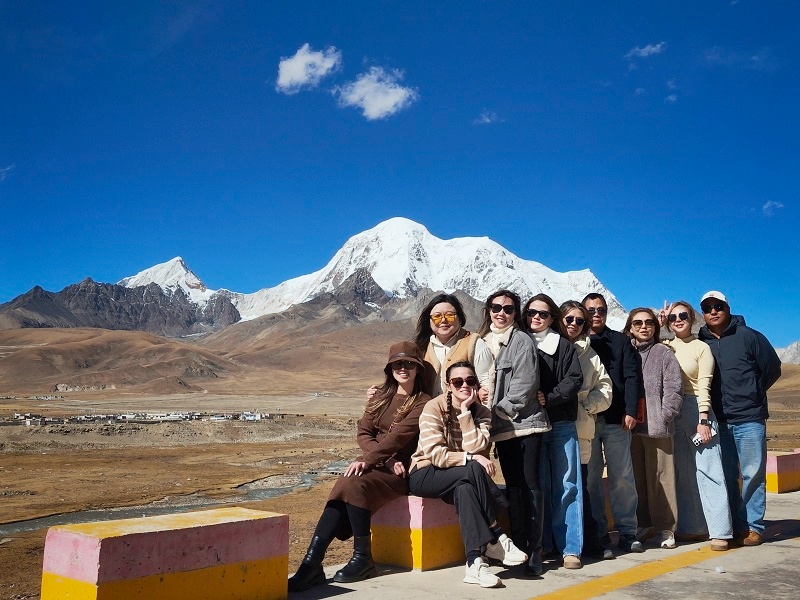
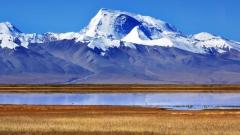
Tourist Photos of Kailash
Will Altitude Sickness Be Worse in Winter Due to Barometric Pressure Changes?
One of the most frequently debated topics among mountaineers and high-altitude travelers is whether winter barometric pressure fluctuations make altitude sickness worse. Atmospheric pressure is not entirely static; it fluctuates based on weather systems. During the winter, large, dense cold fronts often bring periods of unusually high barometric pressure, but they can also be followed by deep low-pressure storm systems. When a massive low-pressure weather system moves over a high-altitude region, the barometric pressure drops further than it normally would for that specific elevation.
This phenomenon is sometimes referred to as “physiological altitude.” If you are standing at 12,000 feet during a severe winter storm with low barometric pressure, your body may react as though it is standing at 13,500 feet on a clear summer day. This sudden drop in pressure means even less oxygen per breath, which can trigger or exacerbate AMS symptoms rapidly. While this is not exclusive to winter—summer monsoons can cause similar drops—the frequency and intensity of rapid pressure changes tend to be higher in colder seasons. Consequently, if you are asking if altitude sickness will be worse in winter during unstable weather patterns, the answer leans toward yes, simply because the effective altitude can spike unpredictably due to meteorological shifts.
How Cold Temperatures Increase Metabolic Strain at High Elevations
Temperature plays a massive role in how your body allocates its resources, and winter cold demands a significant physiological toll. When you are exposed to freezing temperatures, your body must burn additional calories and consume more oxygen simply to maintain its core temperature of 98.6 degrees Fahrenheit. Shivering, for instance, is an involuntary muscle response that generates heat but requires a substantial amount of oxygen to sustain. Even without visible shivering, your basal metabolic rate increases in cold environments.
At high altitudes, where oxygen is already scarce, this increased metabolic demand creates a physiological bottleneck. Your body is suddenly asking for more oxygen to stay warm, but the thin air cannot provide it. This mismatch forces your cardiovascular and respiratory systems into overdrive. You may find yourself breathing heavily after minimal exertion, such as walking from your hotel room to the dining area. This exaggerated breathlessness is often mistaken for a sudden worsening of altitude sickness, but it is largely the result of your body struggling to balance thermoregulation with oxygen deprivation. Wearing appropriate thermal layers is not just about comfort; it is a critical strategy for conserving oxygen and minimizing the metabolic strain that makes winter altitude travel so exhausting.
The Role of Dehydration: Why Dry Winter Air Complicates Acclimatization
Dehydration is one of the most common catalysts for altitude sickness, and winter environments are notoriously deceptive when it comes to fluid loss. Many travelers assume that because they are not sweating profusely as they would on a summer hike, their hydration needs are lower. This is a dangerous misconception. Winter air at high elevations holds significantly less moisture than warm air. Furthermore, indoor heating systems used in hotels and lodges strip whatever little humidity remains from the environment, creating incredibly arid microclimates.
Every time you exhale in cold, dry air, you lose water vapor. Because you are breathing faster and deeper to compensate for the altitude, this respiratory water loss multiplies rapidly. Additionally, the cold suppresses the thirst mechanism, meaning you rarely feel the urge to drink water even as your body quietly dries out. Dehydration thickens the blood, making it harder for the heart to pump and reducing the efficiency of oxygen delivery to tissues. Thickened blood also increases the risk of frostbite and blood clots. If you do not consciously force yourself to drink three to four liters of water daily during a winter high-altitude trip, dehydration will almost certainly amplify your AMS symptoms, making the overall experience feel much worse than it would in a humid summer climate.
Physical Exertion and the Burden of Winter Gear
The logistics of dressing for winter at high elevations introduce another layer of difficulty. To survive freezing temperatures, you must wear heavy base layers, insulating mid-layers, windproof outer shells, thick gloves, and insulated boots. This gear can easily add ten to twenty pounds of weight to your body. Moving through deep snow or navigating icy trails while wearing restrictive clothing requires significantly more muscular effort than walking in lightweight summer hiking gear.
Physical exertion is a primary trigger for altitude sickness. The golden rule of acclimatization is to move slowly and avoid overexertion during your first few days at a new elevation. However, the sheer weight and bulk of winter clothing make slow, effortless movement nearly impossible. Climbing a simple flight of stairs at 11,000 feet while wearing a heavy down suit can elevate your heart rate to levels comparable to a vigorous workout at sea level. This forced exertion drives up your oxygen demand instantly, triggering headaches and dizziness. Travelers often interpret this as the altitude sickness being inherently worse in winter, when in reality, it is the physical burden of winter survival gear that is pushing their bodies past safe exertion limits before they have properly acclimatized.
Sleep Disruption and Overnight Oxygen Saturation Drops
Restful sleep is vital for acclimatization, as the body performs much of its adaptive physiological work during rest. Unfortunately, winter conditions severely disrupt sleep quality at high elevations. First, altitude naturally causes periodic breathing during sleep, a condition where breathing cycles alternate between rapid, deep breaths and brief pauses (apnea). This leads to frequent awakenings and leaves travelers feeling unrefreshed.
In winter, the extreme cold outside often forces travelers to seal their rooms tightly, reducing ventilation. While this keeps the warmth in, it allows carbon dioxide levels to rise slightly and oxygen levels to dip marginally throughout the night. Combined with the dry air from heaters, travelers frequently wake up with parched throats, nosebleeds, and splitting headaches. Because the body’s oxygen saturation naturally drops lowest during sleep, the added environmental stressors of a sealed, heated, dry winter room can make morning AMS symptoms feel exceptionally harsh. Using a humidifier, leaving a window slightly cracked if safely possible, and staying hydrated before bed are essential practices to mitigate overnight deterioration.

Tour Companion Physician Checking Blood Oxygen
Practical Strategies to Prevent Winter Altitude Sickness
Knowing that environmental factors can make altitude sickness feel worse in winter, proactive preparation becomes your best defense. The standard rules of acclimatization still apply: ascend gradually, do not increase your sleeping elevation by more than 1,000 to 1,500 feet per day once above 8,000 feet, and include rest days in your itinerary. However, winter travel requires additional modifications to these rules.
Pace yourself even slower than you would in summer. Account for the extra energy required to move in heavy clothing and cold temperatures. Hydration must be treated as a scheduled task rather than a response to thirst. Carry insulated water bottles to prevent your drinking water from freezing, and sip continuously throughout the day. Nutrition is equally important; your body needs ample carbohydrates to fuel the increased metabolic demands of staying warm in thin air. Avoid alcohol completely during your first few days, as it depresses respiration, promotes dehydration, and disrupts sleep architecture.
Medications like Acetazolamide (Diamox) can accelerate acclimatization by stimulating breathing and altering blood chemistry to better tolerate low oxygen. Consult a travel medicine physician before your trip to determine if prophylactic medication is appropriate for your specific itinerary. Finally, never ignore worsening symptoms. If a headache becomes severe, or if you develop a persistent cough, confusion, or loss of coordination, descending immediately is the only definitive cure. No amount of winter gear or medication can replace the healing power of lower elevation.
Planning Your High Elevation Journey with China Dragon Travel
Navigating the complexities of high-altitude destinations during the winter months requires meticulous logistical planning, local expertise, and reliable support networks. Whether you are exploring the sweeping, snow-covered expanses of the Tibetan Plateau, trekking through the rugged landscapes of Yunnan, or visiting ancient cultural sites situated thousands of feet above sea level, having the right guidance is paramount. China Dragon Travel specializes in crafting itineraries that prioritize traveler safety, proper acclimatization schedules, and authentic experiences, even in the most challenging seasonal conditions. Their deep understanding of regional weather patterns, access to oxygen-supplemented vehicles, and relationships with high-quality accommodations ensure that your winter adventure focuses on the breathtaking scenery rather than the physical discomfort. By consulting with experienced operators like China Dragon Travel, you can tailor your ascent profile to match your fitness level, ensuring that the stunning winter vistas of high-elevation China remain a source of joy rather than a medical concern.
Frequently Asked Questions About Winter Altitude Sickness
1. Does the actual oxygen level in the air decrease during winter?
No, the percentage of oxygen in the atmosphere remains constant at approximately 21 percent regardless of the season. However, winter weather systems, particularly low-pressure storms, can temporarily lower the overall barometric pressure. This reduces the partial pressure of oxygen, meaning each breath delivers slightly fewer oxygen molecules to your lungs, effectively simulating a higher altitude and potentially worsening symptoms.
2. Is it safer to visit high altitudes in summer compared to winter?
Neither season is inherently “safer,” as altitude sickness depends primarily on your rate of ascent and individual physiology. However, summer generally offers milder temperatures, lighter clothing requirements, and less metabolic strain, which can make acclimatization feel physically easier. Winter introduces cold stress, dehydration risks, and heavier gear, requiring more deliberate preparation and pacing to manage safely.
3. Can drinking hot beverages help prevent altitude sickness in winter?
Drinking hot, non-caffeinated beverages like herbal tea or warm water helps maintain core body temperature and encourages fluid intake, which combats the severe dehydration caused by dry winter air. While the heat itself does not cure or prevent altitude sickness, the hydration it promotes is absolutely critical for helping your blood transport oxygen efficiently during acclimatization.
4. Should I exercise before my winter high-altitude trip to prepare?
Being physically fit improves your overall stamina, but it does not prevent altitude sickness. In fact, highly fit individuals sometimes push themselves too hard upon arrival, ignoring early warning signs because they are accustomed to intense exertion. Focus on cardiovascular health before your trip, but remember that once you arrive at elevation, especially in demanding winter conditions, you must intentionally slow down regardless of your baseline fitness level.
5. How long does it take to acclimatize to high altitudes in cold weather?
The general timeline for initial acclimatization remains one to three days at a given elevation, regardless of the season. However, because winter conditions impose additional metabolic and respiratory stressors, your body may require more rest during this period. It is highly recommended to build extra buffer days into a winter itinerary to allow for slower adaptation and to account for potential weather delays that could trap you at an uncomfortable elevation.