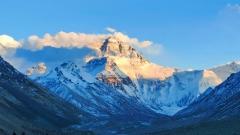
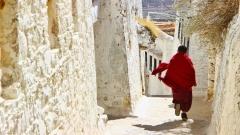
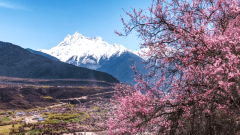
Everest Base Camp, situated at an altitude of 5,364 meters, is a crucial base for climbing the world’s highest peak and a dream destination for many mountaineering enthusiasts and trekkers. The weather conditions here are extreme and highly variable, not only affecting climbing success rates but also directly impacting the safety of every visitor. Understanding Everest Base Camp’s weather patterns and mastering its seasonal variations is the primary prerequisite for planning any Everest-related itinerary. Due to the complex local climate and treacherous terrain, this article provides you with detailed and professional travel planning to help you adapt to changing conditions.
In-Depth Analysis of Everest Base Camp’s Climate Characteristics
Everest Base Camp’s climate is typical of a high-altitude cold desert, characterized by low temperatures, low pressure, low oxygen levels, strong winds, and significant daily temperature fluctuations. Located in the mid-section of the Himalayas, its weather systems are influenced by both the South Asian monsoon and westerlies, creating unique seasonal patterns.
- Daily Temperature Fluctuations at Everest Base Camp: Average temperatures hover around -17°C, but actual temperatures vary greatly with seasons and time of day. During the coldest month of January, nighttime temperatures can drop below -30°C, while daytime highs remain around -15°C. In the relatively warmer month of July, daytime temperatures can briefly reach about 5°C under direct sunlight, but nights still plummet below -10°C. These dramatic daily temperature fluctuations often exceed 20°C.
- Annual Wind Speeds at Everest Base Camp: During winter (December to February), wind speeds can consistently exceed 50 km/h, with gusts over 80 km/h. In spring (March to May), average wind speeds are approximately 30-40 km/h. During the summer monsoon period (June to September), wind speeds are relatively lower but bring significant moisture. Autumn (October to November) is typically calm and considered the ideal climbing season.
- Oxygen Levels at Everest Base Camp: At 5,364 meters, atmospheric pressure is about 50% of sea level, with oxygen partial pressure correspondingly halved, potentially exacerbating altitude sickness symptoms. Winter atmospheric pressure is usually slightly lower than in summer.
This information is essential preparation before deciding to visit Everest Base Camp and can effectively help you combat various potential problems caused by the extreme climate.

The Majestic and Magnificent Everest
EBC’s Detailed Seasonal Weather and Best Visiting Times
You can refer to the climatic characteristics of Everest Base Camp in different seasons to choose the most suitable travel time and season. Detailed information is as follows:
- Spring (March – May): Spring is the best season for climbing Everest, particularly May, when winter’s severe cold gradually subsides and the summer monsoon has not yet arrived, resulting in relatively stable weather. In early March, daytime temperatures at base camp begin to rise to between -5°C and 0°C, but nights remain cold, ranging from -15°C to -20°C. Wind speeds are moderate, considerably milder than in winter. Precipitation is minimal, with typically clear skies and excellent visibility. During this time, daytime temperatures in sunlight can reach 0°C to 5°C, making it an ideal period for climbing.
- Summer (June – August): Summer is the wettest season in the Everest region, with warm, moist air currents bringing heavy snowfall. This period is often shrouded in clouds and fog with poor visibility, making it unsuitable for climbing. Daytime temperatures can exceed 5°C, but due to cloud cover and frequent snowfall, the perceived temperature is not high. High humidity intensifies the cold, and equipment is prone to moisture. Persistent snowfall significantly increases avalanche risks.
- Autumn (September – November): Skies clear and visibility improves, but temperatures begin to drop. In September, daytime temperatures range from 0°C to 5°C, falling to around -10°C at night. By October and November, daytime temperatures range from -5°C to 0°C, while nighttime temperatures can drop to between -15°C and -20°C. Weather is relatively stable, but temperatures decline rapidly, and conditions may deteriorate quickly later in the season.
- Winter (December – February): Winter at Everest Base Camp is one of the harshest environments on Earth. Intense westerly jet streams bring extreme cold and fierce winds. In January, average daytime temperatures are around -15°C, while nighttime temperatures can drop below -30°C, with wind chill making it feel even colder. Wind speeds frequently exceed 50 km/h, drastically reducing visibility. Hard snow crusts and dangerous cornices form. Ordinary travelers are strongly advised against visiting base camp during this season.
For the vast majority of travelers and climbers, late April to mid-May and late September to mid-October are the best visiting times. These two windows combine relatively mild temperatures, minimal precipitation, lower wind speeds, and greater weather stability.
Everest Base Camp Climbing Windows: Key Information for Successful Summit
In Everest climbing, “weather windows” specifically refer to periods of consecutive good weather suitable for summit pushes, typically lasting 3-5 days. Identifying and utilizing these windows is crucial for climbing success..
- Spring Summit Window: In mid-May, several consecutive days of clear, breezy weather may occur at high altitudes. Ideal conditions include wind speeds below 30 km/h above 8,000 meters, no precipitation, and good visibility.
- Autumn Summit Window: The autumn window is shorter and less stable, usually occurring in early October. By this time, residual monsoon moisture has dissipated, and westerly winds have not yet intensified. The window may last only 2-3 days, requiring precise timing. Weather systems change more rapidly in autumn, with greater forecast uncertainty, necessitating more flexible decision-making.
Before climbing, pay attention to local professional meteorological services. Providers such as Switzerland’s “Meteotest,” France’s “Météo-France,” and Nepal’s local “Everest Weather” are commonly used by climbing teams. They offer customized forecasts for different altitudes on Everest, including key parameters such as temperature, wind speed, wind direction, precipitation probability, and cloud cover, serving as valuable assistants for your successful Everest climb.
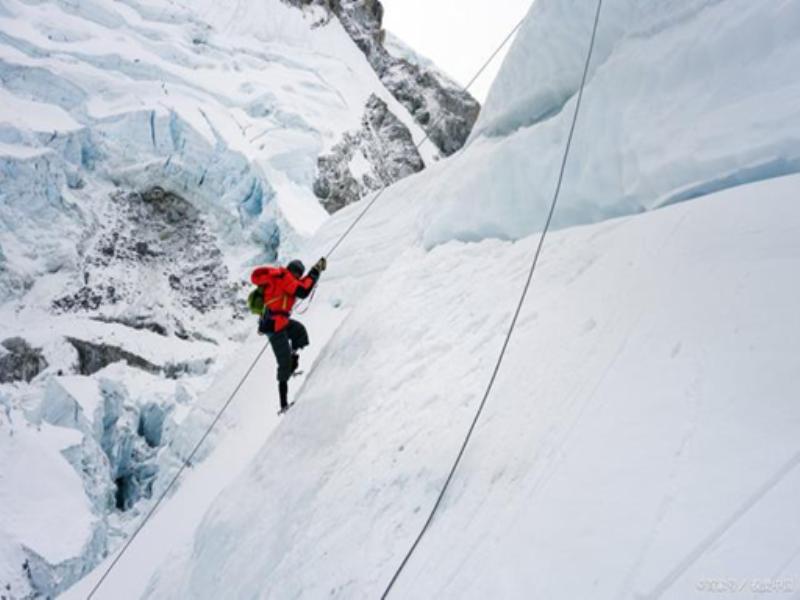
Summiting Everest – A Challenge of Perseverance and Courage
EBC’s Extreme Weather Phenomena and Response Strategies
Extreme weather in the Everest region is diverse, but the main types include the following, requiring targeted protective measures.
Risks and Response Strategies for Blizzards
- The primary impacts are reduced visibility and increased hypothermia risk. During blizzards, trail markers are often buried, leading to disorientation, while tents may collapse under snow accumulation or be torn apart by wind.
- Response Strategies: Closely monitor weather forecast alerts; ensure tents are securely anchored and regularly clear accumulated snow; keep all personnel inside tents during blizzards and fasten safety harnesses; prepare backup navigation equipment (GPS, satellite phones).
Whiteouts
- Whiteouts cause the sky and ground to blend into uniform white, completely eliminating contrast and making it impossible to distinguish direction, distance, or even slope angles, greatly increasing the risk of falling into crevasses or slipping.
- Response Methods: Immediately halt progress, set up temporary shelter, and wait for conditions to improve; use GPS to set waypoints for navigation; connect team members with ropes to prevent separation.
High-Altitude Jet Streams and Extreme Winds
- Altitudes above 7,000 meters are often affected by high-altitude jet streams, with wind speeds exceeding 100 km/h. Such winds not only directly threaten climber safety but also cause severe wind chill, making perceived temperatures at least 20°C lower than actual temperatures.
- Response Strategies Include: Choose to pass through windy sections during forecasted periods of lower wind speeds; use outerwear with excellent windproof capabilities; set fixed ropes on highly exposed sections; shorten rest periods and avoid prolonged inactivity.
By understanding the main types of extreme weather and their potential impacts, you can adopt correct response methods.
EBC’s Selecting Targeted Clothing and Equipment
In extreme high-altitude environments, clothing and equipment are not only essential for comfort but also for survival. Their selection must be based on a deep understanding of weather conditions at Everest Base Camp and higher altitudes.
- Base Layer (Moisture-Wicking Layer): Must be made of materials like wool or synthetic fibers that quickly wick sweat away from the skin. Absolutely avoid cotton. Keeping the body dry is crucial during the humid monsoon season or high-intensity exertion.
- .Mid-Layer (Insulation Layer): Adjust flexibly based on temperature and activity level. Lightweight fleece jackets are suitable for daytime trekking; heavy-duty down jackets or synthetic insulated jackets are lifesaving equipment for resting at camp and during extremely cold nights. Down offers the highest warmth-to-weight ratio but loses all insulating properties when wet; synthetic insulation retains some warmth in damp conditions but is heavier and bulkier. A wise approach is to have both.
- Outer Layer (Protective Shell): Must be waterproof, windproof, and highly breathable hard-shell or soft-shell jackets and pants. Key metrics to consider include waterproof rating (at least 20,000mm) and moisture vapor transmission rate (at least 15,000g/m²/24h). In storms with strong winds and snow, the seam sealing and zipper waterproofing of the outer layer will be severely tested.
- Mountaineering Boots: Must be double-layer plastic boots or modern high-performance single-layer boots (e.g., La Sportiva Olympus Mons). Their insulation rating (such as the “8,000-meter” designation) must withstand extreme cold below -30°C. Compatibility with crampons and walking flexibility should also be considered.
- Glove System: Use a layered approach. The inner layer consists of thin fleece or wool gloves for fine motor tasks at camp; the outer layer comprises thick, waterproof, windproof mittens or gloves filled with high-quality down. Backup outer gloves are essential.
- Oxygen System: Above 7,000 meters, most climbers require supplemental oxygen. This relates not only to physical endurance but is also crucial for maintaining core body temperature. The oxygen mask must work well with windproof face masks and goggles to prevent exhaled moisture from freezing and clogging the system internally
EBC’s Other Safety Considerations
- Hypothermia Protection: Strictly follow the layering principle for clothing, adjusting layers promptly; keep clothing dry; regularly consume high-calorie food and hot drinks; team members should monitor each other for early signs of hypothermia; if symptoms occur, move to a sheltered area, change into dry clothing, and descend as quickly as possible.
- UV Radiation Protection: Use broad-spectrum sunscreen with SPF 50+, reapplying every two hours; wear high-quality goggles to protect eyes; wear sun-protective clothing covering the entire body, including face masks and gloves.
- Dehydration Prevention: Dehydration exacerbates altitude sickness, impairs judgment, and increases frostbite risk. Enforce strict hydration discipline: aim to drink 4-5 liters of water daily; monitor urine color; use insulated water bottles to prevent drinking water from freezing.
The weather at Everest Base Camp is an invisible hand governing all plans. It shapes the extreme beauty of this land while presenting severe survival challenges. A successful Everest journey—whether an arduous summit or an awe-inspiring trek—begins with a profound understanding and sincere respect for its weather patterns. By studying seasonal patterns, seizing climbing windows, selecting equipment scientifically, preparing detailed emergency plans, and acknowledging new challenges posed by climate change, you can minimize risks and safely embrace the unique experience offered by the world’s highest peak. Remember, in the face of Everest, patience and preparation are always your most reliable companions.