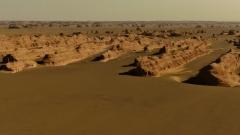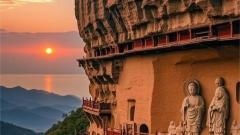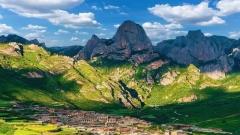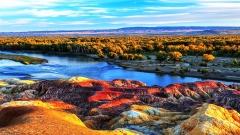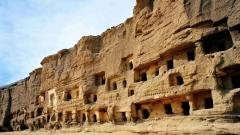

For many, the image of Northwest China is defined by the desolation of the Gobi Desert, the jagged peaks of snow-capped mountains, and the endless undulation of sand dunes. However, for those who have walked this land, the true romance of the Northwest lies not in its grand landmarks, but in the “micro-moments” and authentic local traditions that touch the soul.
In your 2026 journey, instead of just ticking off famous sites, try to slow down and fulfill these 10 ritualistic experiences. They will lead you through the wind and sand to see a gentle, delicate, and vibrant reality of the Silk Road.

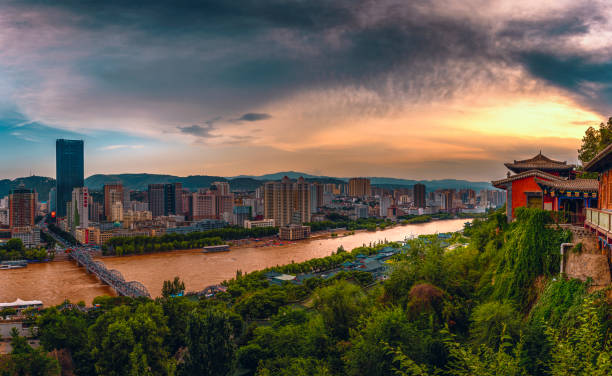
1. Sip “Sanpao Tai” Gaiwan Tea by the Yellow River in Lanzhou
This is more than just drinking tea; it is a spiritual sanctuary for the people of Lanzhou. Along the banks of the Yellow River, rows of benches face the water, occupied by locals and travelers alike.
-
History & Ritual: Gaiwan tea, also known as “Sanpao Tai,” originated from the tea-horse trade on the ancient Silk Road. It is a fusion of tea leaves from the south, red dates from the north, and dried apricots and rock sugar from the Western Regions.
-
Sensory Experience: As you sit and listen to the roar of the Yellow River, stirring the dates and longans in your bowl, the “slow life” found amidst the heat will instantly heal the fatigue of long-distance travel.
2. At 7:00 AM, Eat a Steaming Bowl of “First Pot” Beef Noodles
In Lanzhou, beef noodles are a morning faith, and the “First Pot” is the highest treat for that faith.
-
The First Pot: This refers to the very first pot of fresh broth brewed in the early morning—clear, rich, and free of any impurities.
-
The Art of the Maker: Watching the noodle master’s fingers dance over the counter, transforming dough into noodles as thin as dragon whiskers or as wide as belts, is the most vivid human landscape of a Northwest morning.
3. Gaze into the Eyes of a Thousand-Year-Old “Flying Apsaras” at Mogao
The Mogao Caves are not a cold museum; they are a living epic of grotto history.
-
A Miracle Revealed: When the faint beam of a flashlight illuminates the mottled murals, the graceful Flying Apsaras seem to fly through the walls from a thousand years ago.
-
Soul Resonance: In that moment, you forget the heat and sand outside. This dialogue across time with ancient believers and craftsmen is a profound shock to the soul.
4. Drink an in the Heat of the Desert
If you ask what the taste of a Dunhuang summer is, the answer is undoubtedly Apricot Peel Tea.
-
Nature’s Gift: Dunhuang is famous for its Li Guang apricots. Locals sun-dry them and simmer them with hawthorn and rock sugar to create the “nectar” of the desert.
-
Taste Memory: After climbing Mingsha Mountain, a cold glass of this tea provides a tart, sweet, and fruity refreshment that becomes a permanent flavor symbol of the Silk Road journey.

5. Personally Hang a Five-Color Prayer Flag by Qinghai Lake
In the cultures of the plateau, color has a voice.
-
Wishes in the Wind: The five colors of the prayer flags represent the five elements of nature. By the mirror-like blue waters of Qinghai Lake, you can tie your own flags to the wind.
-
Power of Faith: It is believed that every time the wind blows the flag, a prayer is sent. Watching your wishes spread across the horizon with the wind is a peace that words cannot replace.
6. Indulge in the “Kang Mutton” at a Night Market
The nights in Northwest China are not for silence; they are for the sizzle of iron pans and grills.
-
Culinary Peak: Kang Mutton is a hardcore delicacy of the Hexi Corridor. Mutton chops and potatoes are seared in fat until they are crispy on the outside and tender on the inside.
-
The Social Experience: Eating and drinking in the noisy night market crowds captures the true lifestyle of Silk Road traders from two thousand years ago.
7. Sit on the Ridge of Mingsha Mountain and Wait for the Desert Sunset
This is perhaps the most extreme visual feast of the Northwest journey.
-
Magic of Light and Shadow: As the sun sinks behind the dunes, the desert shifts from golden to a magnificent orange-red, and finally to a deep purple.
-
The Beauty of Solitude: Listening to the distant camel bells and the sound of the wind, you will understand why ancient poets wrote of the “round sun setting over the long river.”
8. Taste the Subtle “Wine Aroma” of Sweet Fermented Barley (Tianpeizi)
This is a special dessert of the Northwest, allowing even non-drinkers to feel slightly tipsy in the wind.
-
Fermentation Charm: This dish uses the highland barley of the plateau, fermented to produce an aroma similar to rice wine but richer.
-
Textured Layers: The chewiness of the barley combined with the sweet fermented juice is a comfort for the soul on a summer day.
9. Walk the “Tang-Tibet Ancient Road” in the Footsteps of Princess Wencheng
History here is not just words; it is a physical path.
-
Historical Site: Cross the Riyue (Sun and Moon) Mountain and watch the dramatic change in the landscape. Stand by the Daotang (Backward-Flowing) River and imagine the resolve of Princess Wencheng over a thousand years ago.
-
Historical Depth: This path ensures your journey is not just a movement between attractions, but a deep pilgrimage through the history of ethnic integration.
10. Look Up at the Milky Way in the Midnight Gobi Desert
The sky of Northwest China is pure and flawless—the final romance left by God for this wilderness.
-
Star Theater: Away from the neon lights of the city, the Milky Way is visible to the naked eye as a white band across the sky.
-
Self-Reflection: Under the vast stars, you realize the smallness of humanity and the harmony with which the universe embraces this silent land.
Practical Travel Advice
1. Pacing and Energy Management
The Northwest is vast, and distances between sites are extreme. Do not try to pack every moment with activities. Focusing on “one small thing” a day can effectively reduce physical stress, especially at altitudes like Qinghai Lake (above 3,200 meters). This “slow travel” model is safer and more meaningful for senior travelers.
2. Climate Adaptation and Gear
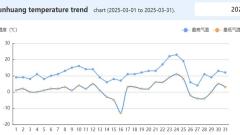
The climate is extremely dry with drastic temperature changes between day and night. Bring sufficient moisturizer and strong sunscreen. For clothing, use the “onion style” layering method to handle the chilly desert mornings and scorching afternoons.
3. Vegetarian and Dietary Advice
While famous for meat, items like Apricot Peel Tea, Tianpeizi, and Gaiwan Tea are naturally vegan-friendly. Local staples like cold noodles (Liangpi) and roasted potatoes are also excellent plant-based choices. For those sensitive to the smell of mutton, the local fried potato slices (Kang Tudou) are a delicious alternative.