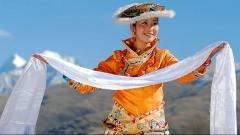

Tibet remains one of the most extraordinary destinations on Earth, drawing travelers who seek spiritual depth, staggering landscapes, and a culture unlike anywhere else. However, foreigners traveling to Tibet face unique logistical hurdles that do not exist in other parts of China or Asia. Independent travel is not permitted; every international visitor must be part of an organized tour with a licensed guide. Beyond the paperwork, the extreme altitude, harsh climate, and deeply rooted religious customs require careful preparation. Rushing into a Tibetan journey without proper planning often leads to disappointment or health issues. This guide breaks down exactly what you need to know before stepping onto the Roof of the World.
Key Takeaways
- A Tibet Travel Permit is mandatory for all foreigners.
- Altitude sickness requires gradual acclimatization and medical prep.
- Independent travel is prohibited; guided tours are required.
- Pack for extreme temperature shifts between day and night.
- Respect local Buddhist customs and photography restrictions.
1. Understand the Mandatory Permit Requirements for Foreigners Traveling to Tibet
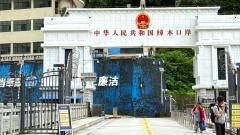
The most critical hurdle for any international visitor is securing the correct documentation. You cannot simply buy a plane ticket and fly into Lhasa. The Tibet Travel Permit (TTP) is issued by the Tibet Tourism Bureau and is an absolute requirement for all non-Chinese passport holders. Without it, you will be denied boarding on flights or trains heading into the region.
To obtain this permit, you must book your trip through a registered Tibetan travel agency. The agency will apply on your behalf using copies of your passport and Chinese visa. The processing time usually takes between fifteen to twenty days, so planning well in advance is non-negotiable. If your itinerary includes restricted areas like Mount Everest Base Camp, Mount Kailash, or certain remote monasteries, additional documents such as the Alien Travel Permit or Military Area Entry Permit will be required. Your travel agency handles these secondary permits during your tour, but the primary TTP must be in hand before you depart your gateway city.
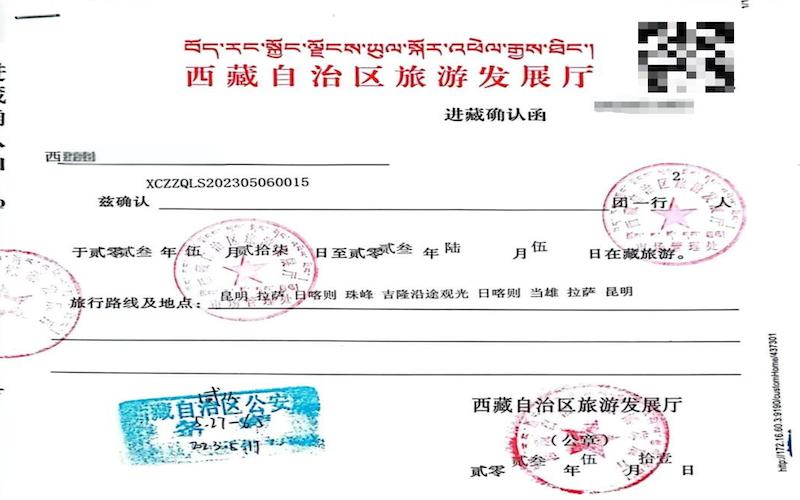
Tibet Travel Permit
2. Choose the Right Guided Tour Since Independent Travel Is Not Allowed
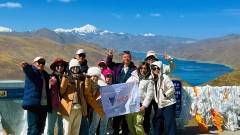
Unlike backpacking through Southeast Asia or exploring mainland China independently, foreigners traveling to Tibet must be accompanied by a licensed tour guide at all times. This regulation is strictly enforced. While some adventurous travelers might find this restrictive, a good guide transforms the experience from a simple sightseeing trip into a profound cultural immersion.
When selecting a tour operator, look for agencies with deep local roots and excellent reviews regarding their guides’ English proficiency and historical knowledge. Agencies like China Dragon Travel specialize in navigating the complex logistics of Tibetan tourism, offering tailored itineraries that balance popular landmarks with authentic cultural encounters. Whether you prefer a small group tour to share costs or a private vehicle for flexibility, ensure the agency explicitly states they handle all permit applications. Verify what is included in the price—some budget operators exclude entrance fees to major monasteries or meals, which can add up quickly once you arrive.
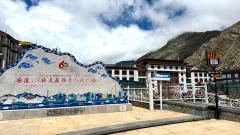
3. Prepare Your Body for High Altitude and Prevent Sickness
Lhasa sits at an elevation of roughly 3,650 meters (nearly 12,000 feet), and many excursions push well above 5,000 meters. Altitude sickness, or Acute Mountain Sickness (AMS), is the most common reason tourists have to cut their trips short. Symptoms include throbbing headaches, nausea, dizziness, shortness of breath, and severe fatigue.
Preparation begins before you leave home. Consult your doctor about prescription medications like acetazolamide (Diamox), which helps accelerate acclimatization. Once you arrive in Tibet, the golden rule is to take it incredibly slow for the first forty-eight hours. Do not rush to climb the steps of the Potala Palace on your first afternoon. Walk slowly, avoid strenuous exercise, and resist the urge to take a hot shower immediately upon arrival, as sudden temperature changes can exacerbate symptoms. Stay hydrated by drinking plenty of water, and avoid alcohol entirely during your first few days. If symptoms worsen rather than improve, descending to a lower altitude is the only reliable cure.
4. Decide Between Flying or Taking the Train to Lhasa
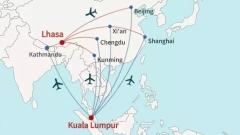
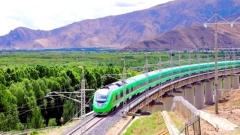
Your mode of entry significantly impacts your physical adjustment and overall experience. The Qinghai-Tibet Railway is often romanticized as the best way to enter Tibet. The train features pressurized cabins and supplemental oxygen, and the scenery crossing the Tibetan Plateau is undeniably spectacular. Many travelers believe the slow ascent helps with acclimatization. However, because the train cabins are pressurized, you are not actually exposed to the high altitude until you step off the train in Lhasa, meaning AMS can still hit suddenly.
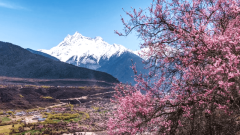
Flying directly into Lhasa Gonggar Airport is faster and allows you to immediately rest in your hotel, though the sudden jump in altitude requires strict adherence to resting protocols. Some seasoned travelers recommend flying into Nyingchi first, which sits at a much lower elevation of around 2,900 meters, spending a few days there to adjust, and then traveling overland to Lhasa. Discuss these routing options with your travel agency to determine what best suits your physical condition and schedule.
5. Pack Strategically for Extreme Weather and Temperature Swings
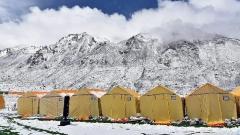
The climate on the Tibetan Plateau is defined by intense solar radiation, dry air, and drastic temperature fluctuations between day and night. Even in the warmer months, evenings can drop near freezing. Packing requires a layering strategy rather than relying on a single heavy winter coat.
Start with moisture-wicking base layers, add insulating mid-layers like fleece or down, and finish with a windproof and waterproof outer shell. Sun protection is arguably more important here than anywhere else you have traveled. The thin atmosphere offers little UV filtration. Bring high-SPF sunscreen, polarized sunglasses with UV protection, and a wide-brimmed hat. Lip balm and heavy moisturizer are essential to combat the arid air that cracks skin quickly. Sturdy, broken-in walking shoes are mandatory, as monastery courtyards and mountain trails are uneven. Finally, carry a reusable water bottle and consider bringing a thermos, as drinking warm water is both comforting and recommended for altitude adjustment.
6. Know the Best Time of Year for Foreigners Traveling to Tibet
Timing your visit correctly dictates everything from road accessibility to the clarity of the skies. The general consensus among travel experts is that the best windows are from April to early June, and September to October. During these months, the weather is relatively stable, rainfall is minimal, and daytime temperatures are comfortable for exploring.
July and August constitute the monsoon season. While the landscape turns lush and green, heavy rains frequently cause landslides that block remote roads, particularly those leading to Everest Base Camp or Mount Kailash. Cloud cover also obscures the towering peaks. Winter, from November to February, brings freezing temperatures and occasional snow closures of high mountain passes. However, winter travel has its perks: fewer crowds, lower prices, and incredibly clear blue skies that offer unobstructed views of the Himalayas. Your choice depends heavily on your tolerance for cold versus your desire to access specific remote trekking routes.
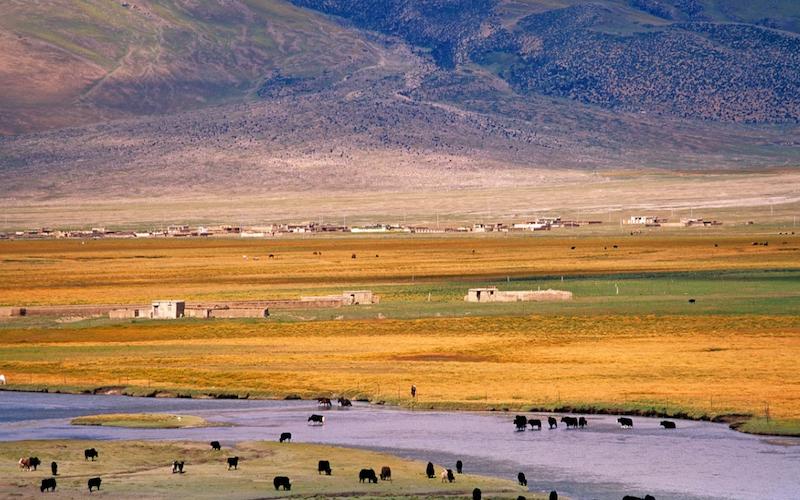
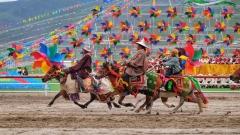
Scenery of Grassland and Pastures in Tibet
7. Respect Local Culture, Monasteries, and Religious Etiquette
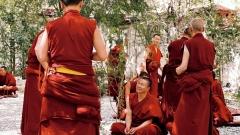
Tibet is a deeply spiritual place where religion permeates daily life. Foreigners traveling to Tibet must approach local customs with immense respect. When visiting monasteries such as Sera, Drepung, or Jokhang Temple, dress modestly. Avoid wearing shorts, tank tops, or revealing clothing. Always remove your hat when entering temple buildings.
Movement within sacred spaces follows specific rules. Walk clockwise around stupas, mani stone walls, and inside temples. Never point your feet toward a Buddha statue or a monk, as feet are considered the lowest and dirtiest part of the body. Touching monks, especially female travelers touching male monks, is inappropriate. Photography is another sensitive area. While exterior shots of monasteries are generally fine, taking photos inside chapels almost always requires purchasing a photography permit or paying a fee to the attendant. Never photograph military installations, bridges, or police stations. If you wish to photograph local pilgrims or nomads, always ask for permission first, ideally through your guide.
8. Manage Your Expectations Regarding Food and Dining
Traditional Tibetan cuisine is hearty, designed to sustain people in a harsh, high-altitude environment. Staples include tsampa (roasted barley flour mixed with butter tea), yak meat, momos (steamed dumplings filled with meat or vegetables), and thukpa (noodle soup). Butter tea, made with black tea, yak butter, and salt, is an acquired taste for many foreigners but provides essential calories and hydration.
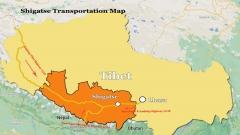
However, you do not need to survive solely on local fare. In Lhasa and Shigatse, restaurants cater extensively to tourists. You will easily find Chinese Sichuan dishes, Indian food, and Western staples like pizza and pasta. Because the boiling point of water decreases at high altitudes, cooking takes longer, and noodles or rice might have a slightly different texture than you are used to. To avoid stomach issues, drink only bottled or boiled water. Carry digestive aids and basic snacks like nuts or energy bars for long drives between towns where restaurant options are sparse.
9. Navigate Money, Connectivity, and Digital Realities
Cash remains king in many parts of Tibet, especially outside Lhasa. While mobile payment platforms like WeChat Pay and Alipay dominate mainland China, setting them up requires a Chinese bank account, which tourists do not have. Therefore, carrying sufficient Chinese Yuan (RMB) in smaller denominations is crucial. ATMs are available in major cities like Lhasa and Shigatse, but become virtually nonexistent once you venture toward Everest or the western regions.
Regarding connectivity, prepare for limited internet access. Wi-Fi in hotels can be slow or unreliable. Purchasing a local SIM card is possible in Lhasa, but registration requires your passport and guide assistance. Be aware that many Western websites, social media platforms, and messaging apps are blocked in China. If staying connected is vital for work or family, download a reliable roaming eSIM or VPN solution before arriving in China, though even these can experience throttling at extreme altitudes or in remote valleys.

Alipay
10. Prioritize Health, Hygiene, and Personal Safety on the Road
Medical facilities in Lhasa are adequate for treating common ailments and altitude sickness, featuring dedicated tourist clinics with English-speaking staff. However, once you leave the capital, hospitals become basic and scarce. Bringing a comprehensive personal first-aid kit is essential. Include painkillers, anti-diarrheal medication, throat lozenges, blister plasters, and any personal prescriptions you require.
Hygiene standards vary wildly. Luxury hotels in Lhasa offer modern amenities, but guesthouses in remote towns might feature squat toilets and lack running hot water. Carry toilet paper, wet wipes, and hand sanitizer everywhere you go, as public restrooms rarely provide them. Safety-wise, Tibet is remarkably secure regarding violent crime. The primary risks are environmental: altitude, treacherous roads, and roaming dogs in rural villages. Listen to your guide regarding stray animals, stay on marked paths during hikes, and never wander off alone at night in unfamiliar towns.
Planning Your Journey with Confidence
Embarking on a journey to the Tibetan Plateau is not a casual vacation; it is an expedition that demands respect, preparation, and patience. By understanding the strict permit regulations, prioritizing your physical health against the altitude, and approaching the rich Buddhist culture with an open and respectful mindset, you set the stage for a transformative experience. The logistical barriers might seem daunting initially, but they exist to protect both the fragile environment and the visitors themselves.
Partnering with experienced professionals makes all the difference. Established operators like China Dragon Travel understand the intricate dance of securing permits, timing acclimatization stops, and providing knowledgeable guides who bridge the language and cultural gaps. They ensure that your focus remains on the breathtaking landscapes, the chanting monks, and the crisp mountain air, rather than stressing over bureaucratic hurdles. With the right preparation and guidance, your first trip to Tibet will not just be a vacation, but a milestone journey that stays with you forever.