Traveling to Tibet is a dream for many adventurers around the world, and Thai citizens are no exception. The breathtaking landscapes, ancient monasteries, and unique cultural heritage make this region one of the most sought-after destinations on the planet. However, unlike traveling to other parts of China, visiting Tibet requires specific documentation beyond a standard Chinese visa. For Thai passport holders, understanding the exact requirements and application process is crucial before booking flights or packing bags. This guide provides a comprehensive overview of how Thai citizens can successfully navigate the regulations, secure the necessary permits, and embark on a memorable Tibet Travel experience without unnecessary stress or administrative delays.
Key Takeaways
- Thai citizens must hold a valid Chinese visa before applying for a Tibet permit.
- Independent travel is not allowed; you must book through a registered travel agency.
- The Tibet Travel Permit usually takes 15 to 20 days to process.
- Additional permits are required if you plan to visit restricted areas like Mount Everest.
- Working with experienced agencies like China Dragon Travel simplifies the entire application process.
Understanding the Basics of Tibet Travel for Thai Citizens
Before diving into the paperwork, it is important to understand why Tibet has different entry requirements compared to Beijing, Shanghai, or Guangzhou. The Tibet Autonomous Region (TAR) maintains strict regulations regarding foreign visitors to protect its fragile environment, preserve local culture, and manage tourism infrastructure. These rules apply to all non-Chinese passport holders, including citizens of Thailand.
For Thai travelers, this means you cannot simply buy a flight ticket to Lhasa and show up at the airport. Every foreign visitor must be part of an organized tour arranged by a licensed travel agency operating within Tibet. Whether you prefer a private tour with your family or a small group trip with friends, the itinerary must be pre-approved. Your Tibetan guide will accompany you throughout your stay in the region. This regulation might seem restrictive at first, but it actually ensures a safer, more structured, and deeply informative experience, as local guides provide invaluable context about the history, religion, and geography of the plateau.
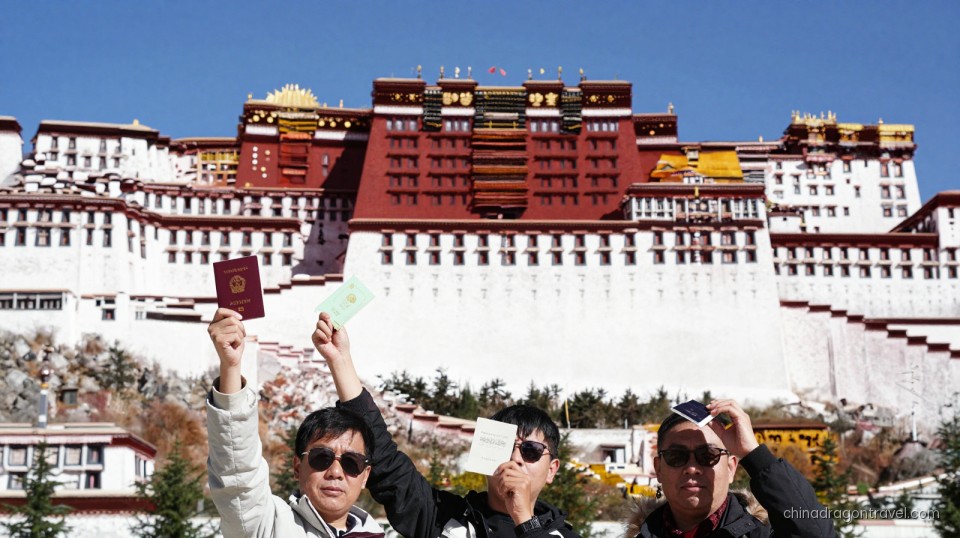
Step One: Securing Your Chinese Visa in Thailand
The foundation of any successful Tibet Travel plan for Thai citizens begins in Bangkok. You must first obtain a standard Chinese tourist visa (L Visa) from the Chinese Embassy or Consulate in Thailand. Do not mention Tibet on your Chinese visa application. This is a critical piece of advice that many first-time travelers overlook.
When filling out your Chinese visa application form, list standard Chinese cities such as Chengdu, Beijing, Xi’an, or Kunming as your intended destinations. If you write “Tibet” or “Lhasa” on the application, the embassy will likely reject your visa request immediately, instructing you to get the Tibet permit first—a classic catch-22 situation since you need the visa to get the permit.
To apply for the Chinese visa in Thailand, you will typically need:
- A valid Thai passport with at least six months of remaining validity and blank visa pages.
- A completed Chinese visa application form.
- Recent passport-sized photographs meeting specific dimensions.
- Proof of round-trip flight bookings entering and exiting mainland China.
- Hotel reservations for your stay in mainland Chinese cities (outside of Tibet).
- Bank statements proving sufficient funds for your trip.
Once your Chinese visa is approved and stamped in your passport, you have cleared the first major hurdle. It is highly recommended to apply for your Chinese visa well in advance, ideally two to three months before your planned departure date, to allow ample time for the subsequent permit application.
Step Two: Choosing a Registered Travel Agency
Because independent travel is prohibited for foreign nationals in Tibet, selecting the right travel agency is perhaps the most important decision you will make. Only agencies officially registered and licensed to operate in the Tibet Autonomous Region can apply for the Tibet Travel Permit on your behalf. Agencies based outside of Tibet, including those in Bangkok, cannot directly issue this document; they must partner with a local Tibetan operator.
This is where specialized operators become invaluable. Companies like China Dragon Travel have extensive experience handling logistics for international tourists, including Thai citizens. By working with a seasoned agency like China Dragon Travel, you benefit from their established relationships with local authorities, their deep knowledge of the terrain, and their ability to handle unexpected bureaucratic hurdles smoothly. They will help you design an itinerary that aligns with both your interests and government regulations, ensuring every location you wish to visit is legally accessible.
When selecting your agency, look for transparent pricing, clear communication regarding the permit process, and positive reviews from previous international clients. A reliable agency will never ask you to pay for the permit itself, as the Tibet Travel Permit is issued free of charge by the Tibet Tourism Bureau. You are paying for the tour services, guide, vehicle, and the administrative effort required to secure the document.
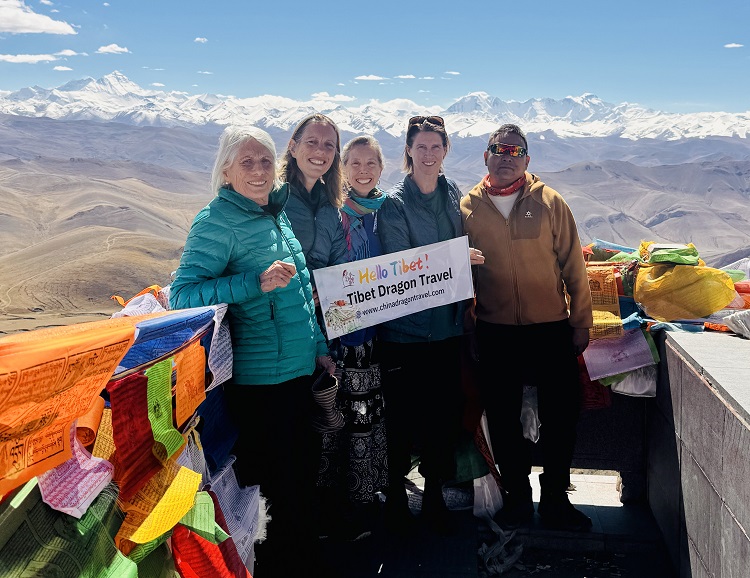
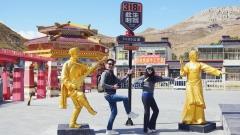
Group Photo of Tourists with China Dragon Travel
Step Three: Preparing Documents for the Tibet Travel Permit Application
Once you have chosen your agency and finalized your itinerary, you need to provide them with the necessary documentation to initiate the permit application. The agency will act as your representative before the Tibet Tourism Bureau (TTB) in Lhasa.
You will need to send clear, high-resolution digital copies of the following documents to your travel agency:
- Your Thai Passport Information Page: Ensure all details are clearly legible and the passport is valid for at least six months beyond your planned exit date from China.
- Your Chinese Visa Page: The agency needs proof that you have legal entry status into mainland China.
- Personal Details: Full name, gender, date of birth, nationality, and occupation exactly as they appear on your passport. Any discrepancy between your passport and the permit will result in denied boarding for your flight or train to Lhasa.
- Detailed Itinerary: The exact dates you plan to enter and exit Tibet, along with the specific cities and sites you intend to visit.
Accuracy is paramount here. Even a minor typo in your passport number or a misspelled name can cause significant delays or outright rejection of your application. Double-check every piece of information before submitting it to your agency.
Step Four: The Application Timeline and Process
Patience is a virtue when planning Tibet Travel. The processing time for the Tibet Travel Permit is generally between 15 and 20 working days, though it can occasionally take longer during peak tourist seasons or around major national holidays. Therefore, you should submit your documents to your travel agency at least one month before your intended arrival date in Tibet.
Here is how the process unfolds behind the scenes: Your agency submits your documents and proposed itinerary to the Tibet Tourism Bureau. The TTB reviews the application, cross-referencing your details with security and tourism databases. Once approved, the physical permit is printed.
Unlike a visa stamped in your passport, the Tibet Travel Permit is a separate, multi-page paper document. Because it is a physical paper, it must be mailed to you. If you are flying to Lhasa from a city like Chengdu, Kunming, or Xining, your agency will courier the original permit to your hotel in that transit city before you board your flight. You absolutely must have the original physical permit in your hands to check in for any flight or train bound for Lhasa. Photocopies or digital versions on your phone will not be accepted by airlines or railway staff.
Beyond the Basic Permit: Additional Documentation for Tibet Travel
The Tibet Travel Permit allows you to enter the Tibet Autonomous Region and visit open areas like Lhasa, Gyantse, Shigatse, and Yamdrok Lake. However, if your itinerary includes venturing into remote, unopened, or border regions, you will need additional permits. Your travel agency will handle these applications concurrently with your main permit.
Aliens’ Travel Permit (PSB Permit): Issued by the Public Security Bureau, this is required if you plan to visit areas such as Mount Everest Base Camp, Mount Kailash, or the Guge Kingdom ruins in Ngari. Your guide will usually help arrange this upon your arrival in Lhasa or Shigatse, using your passport and Tibet Travel Permit.
Military Permit: Necessary for traveling to highly sensitive border areas, particularly those near the borders of India, Nepal, or Bhutan. Trips to Mount Kailash or certain parts of Nyingchi often require this additional clearance.
Foreign Affairs Permit: Sometimes required for visits to specific monasteries or culturally sensitive sites.
A reputable agency like China Dragon Travel will inform you exactly which permits are needed based on your customized itinerary, ensuring you face no roadblocks while exploring the vast Tibetan plateau.

Tibet Military Permit
Entering Tibet from Thailand: Practical Route Options
There are no direct flights from Bangkok to Lhasa. Thai citizens must transit through mainland China or Nepal to reach Tibet. Each route has distinct advantages and logistical considerations.
Transiting via Mainland China (Recommended)
The most common and straightforward method is to fly from Bangkok to a major Chinese hub like Chengdu, Kunming, Chongqing, or Xining. From there, you can either catch a domestic flight to Lhasa Gonggar Airport or board the famous Qinghai-Tibet Railway.
Flying is faster, but taking the train offers a gradual ascent, which is highly beneficial for acclimatizing to the high altitude. The train journey from Xining to Lhasa takes about 21 hours and passes through some of the most spectacular scenery on earth, including the Hoh Xil nature reserve and the Tanggula Mountain pass. Remember, you must present your original Tibet Travel Permit at the train station or airport in your transit city before boarding.

Entering via Nepal (Overland or Flight)
Some adventurous Thai travelers choose to fly from Bangkok to Kathmandu, Nepal, and then enter Tibet overland via the Gyirong border crossing or by flying from Kathmandu to Lhasa. However, this route requires a different type of documentation known as a Tibet Group Visa, which is issued by the Chinese Embassy in Kathmandu. If you choose this route, you cannot use a standard Chinese tourist visa obtained in Bangkok. Discuss this option thoroughly with your agency, as the regulations for entering from Nepal are stricter and subject to sudden changes based on diplomatic or border conditions.
Health, Altitude, and Preparation Tips for Thai Travelers
Thailand is a tropical country at or near sea level, making the transition to the Tibetan plateau—which averages over 4,000 meters (13,000 feet) in elevation—a significant physiological shock. Altitude sickness is a real concern for Thai citizens undertaking Tibet Travel, and preparation is key.
Acclimatization: Upon arriving in Lhasa (elevation 3,650 meters), do not rush to explore. Spend the first 48 hours resting, drinking plenty of water, and eating light meals. Avoid alcohol, smoking, and strenuous exercise. Most reputable itineraries are designed to start in Lhasa and gradually move to higher elevations, giving your body time to adjust.
Medical Consultation: Before leaving Thailand, consult your doctor. They may prescribe medications like Acetazolamide (Diamox) to help prevent altitude sickness. Pack a basic medical kit including pain relievers, stomach medicine, and cold remedies, as pharmacies in remote Tibetan towns may not stock brands you are familiar with.
Packing Essentials: The weather in Tibet is unpredictable. Even in summer, temperatures can drop below freezing at night. Pack layers, including thermal underwear, a heavy down jacket, windproof outerwear, and sturdy walking shoes. The UV radiation on the plateau is incredibly intense due to the thin atmosphere. High-SPF sunscreen, polarized sunglasses, and wide-brimmed hats are mandatory to prevent severe sunburn.
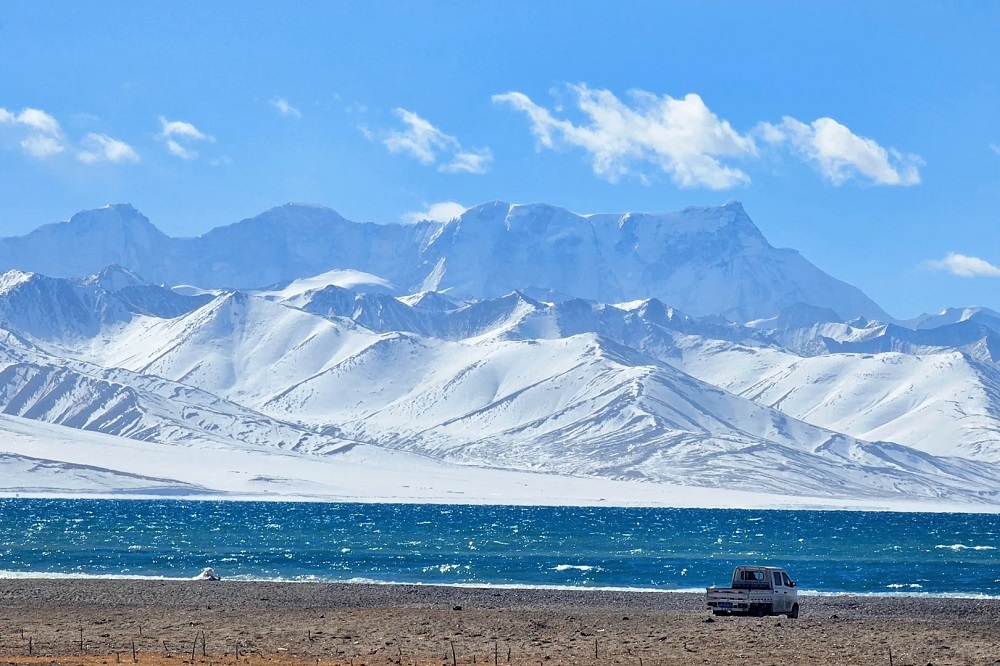
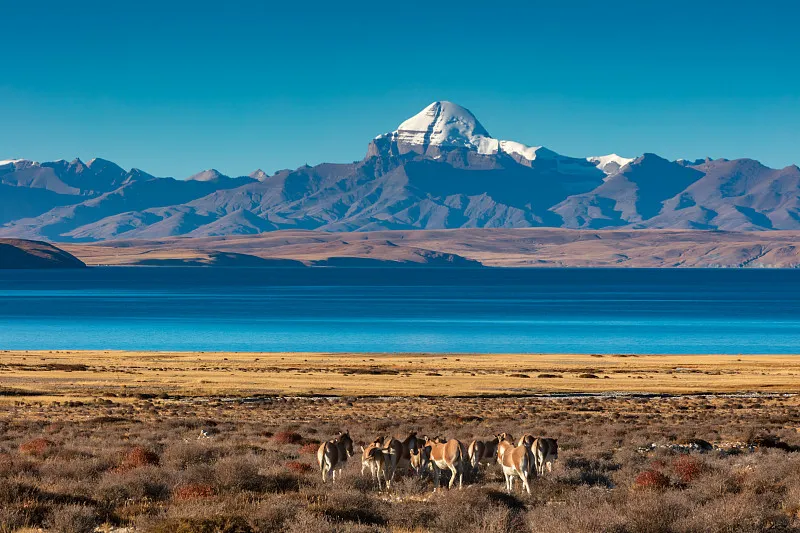
Namtso Lake
Cultural Etiquette and Responsible Tourism
Tibet is not just a scenic destination; it is a deeply spiritual homeland. Thai citizens, who largely come from a Theravada Buddhist background, will find many familiar elements in Tibetan Buddhism, yet the customs and practices differ significantly. Showing respect for local traditions will greatly enhance your experience.
Always walk clockwise around monasteries, stupas, and mani stones. When entering a temple, remove your hat and sunglasses, and never point your feet toward Buddha statues or monks. Ask for permission before photographing local people, especially inside religious buildings where photography is often strictly prohibited. Dress modestly, covering shoulders and knees when visiting sacred sites.
By traveling responsibly and respecting the local culture, Thai visitors contribute positively to the preservation of Tibet’s unique heritage. Engaging a knowledgeable guide through an agency like China Dragon Travel ensures you understand the nuances of these customs, transforming a simple sightseeing trip into a profound cultural exchange.
Navigating the permit process for Tibet Travel as a Thai citizen requires careful planning, attention to detail, and the right partnerships. By securing your Chinese visa correctly, providing accurate documents, allowing sufficient processing time, and partnering with an experienced agency, you can bypass the bureaucratic complexities and focus entirely on the awe-inspiring beauty of the roof of the world. The majestic Potala Palace, the serene waters of Namtso Lake, and the towering peaks of the Himalayas await those who prepare diligently for this extraordinary journey.