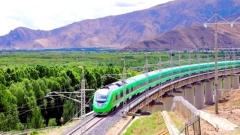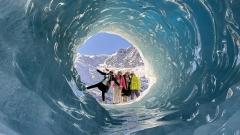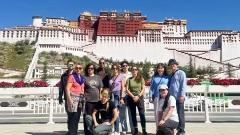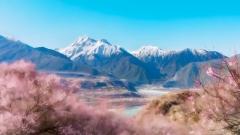

Traveling to Tibet offers unforgettable views of snow-capped mountains, turquoise lakes, vast grasslands, and ancient monasteries. However, one detail that many travelers underestimate is how cold it can become after sunset. Even during summer, temperatures can drop significantly at higher elevations, especially around Everest Base Camp, Namtso Lake, and remote mountain areas. Whether you are staying in a hotel in Lhasa, visiting traditional villages in Nyingchi, or camping near the Himalayas, preparing for cold nights is essential for a comfortable trip. With the right clothing, accommodation choices, and simple precautions, you can stay warmer and enjoy Tibet’s extraordinary landscapes with greater confidence.
Key Takeaways
- Expect significant temperature changes: Days can be sunny and relatively warm, while nights become cold, particularly at higher elevations.
- Dress in layers: Thermal base layers, insulating midlayers, and a windproof outer jacket provide more flexibility than one thick coat.
- Prepare differently for camping: A suitable sleeping bag and insulated sleeping mat are essential for overnight stays outdoors.
- Protect your health: Stay warm, rest adequately, and pay attention to symptoms of altitude-related illness.
Why Do Nights Get So Cold on the Tibetan Plateau?
The Tibetan Plateau is known for its high elevation, wide-open landscapes, and strong sunshine. These conditions can create a noticeable difference between daytime and nighttime temperatures.
During the day, direct sunlight may make the weather feel pleasant, especially when the sky is clear. After sunset, however, the ground loses heat, and temperatures can fall quickly. Wind, cloud cover, humidity, and local terrain also influence how cold it feels.
High Elevation Makes a Difference
Many popular destinations in Tibet sit at elevations of 3,000 meters or higher. Lhasa is approximately 3,650 meters above sea level, while the areas around Namtso Lake and Everest Base Camp are considerably higher.
At higher elevations, travelers may experience colder nighttime conditions, greater exposure to wind, and more demanding outdoor environments. Remote locations may also have fewer accommodation facilities than major towns.
Even if you visit Tibet during summer, do not assume that nighttime temperatures will remain comfortable. A sunny afternoon in Lhasa or Nyingchi does not necessarily mean you can sleep comfortably in light clothing.
Weather Varies by Destination and Season
Tibet covers a large area, and local conditions vary considerably. Nyingchi, with its forests and valleys, has a different climate from the dry, exposed landscapes around Mount Everest or the open shores of Namtso Lake.
Spring and autumn can bring particularly cold mornings and evenings. Winter generally requires more substantial cold-weather preparation, while summer travelers should still pack warm layers for high-altitude destinations and overnight stays.
Before departure, check the forecast for each stop on your itinerary rather than relying on a general weather report for Tibet.

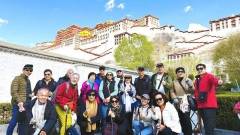
Tibetan Tourists
Pack the Right Clothing for Cold Nights
The most effective way to prepare for cold nights is to bring clothing that can be worn in layers. Instead of relying on one very thick jacket, choose several pieces that can be added or removed as conditions change.
Base Layer: Keep Your Body Warm and Dry
Thermal tops and bottoms help retain body heat while managing moisture. Merino wool and synthetic thermal fabrics are practical choices, particularly if you expect to spend time outdoors in cold weather.
Avoid wearing damp clothing to bed. Sweat and moisture can make you feel colder, so change into dry base layers before sleeping.
Midlayer: Add Insulation
A fleece jacket, wool sweater, or lightweight insulated jacket provides an additional layer of warmth. This layer is useful during evening walks, early-morning departures, and time spent outside after sunset.
Outer Layer: Block Wind and Weather
A windproof, weather-resistant jacket helps reduce heat loss when you are outdoors. If your itinerary includes exposed mountain viewpoints or lakeside areas, protection against wind is particularly important.
For winter travel or very cold overnight conditions, a properly insulated down or synthetic-filled jacket may be necessary. Choose insulation according to the expected temperatures and activities on your route.
Do Not Forget Your Extremities
Hands, feet, ears, and the head can become uncomfortable quickly in cold conditions. Pack warm socks, gloves, a beanie, and a neck warmer or scarf.
If you plan to get up early for sunrise photography or stargazing, these items are especially useful because you may be standing still for extended periods.
A Simple Clothing Checklist
| Item | Why You Need It |
|---|---|
| Thermal base layers | Provide warmth beneath everyday clothing |
| Fleece or wool midlayer | Add insulation when temperatures drop |
| Insulated jacket | Provide additional warmth outdoors |
| Windproof outer shell | Reduce exposure to cold wind |
| Warm socks | Keep feet comfortable at night |
| Gloves and beanie | Protect hands, ears, and head |
| Neck warmer or scarf | Help protect the neck and face from wind |
| Warm sleepwear | Keep you comfortable inside your accommodation |
The precise combination depends on your travel season, altitude, forecast, and whether you will be staying indoors or camping outside.
Prepare Differently for Everest Base Camp and Other Remote Areas
If your Tibet itinerary includes Everest Base Camp, Namtso Lake, or other remote high-altitude destinations, nighttime preparation becomes even more important.
These areas are more exposed to wind and may have limited accommodation options compared with Lhasa. Temperatures can fall considerably after sunset, and weather conditions can change quickly.
What to Expect at Everest Base Camp
The Everest Base Camp area is one of the most demanding destinations in a typical Tibet sightseeing itinerary because of its high elevation and exposed environment. The precise overnight experience depends on the season, accommodation type, and current weather.
If you stay overnight near Everest Base Camp, confirm the current accommodation arrangements before departure. Facilities can vary, and basic guesthouses or tent accommodation may provide less insulation and fewer amenities than city hotels.
Prepare warm clothing even if you visit during a popular travel season. A sunny afternoon does not guarantee a warm evening.
Namtso Lake and Other Exposed Locations
Namtso Lake is known for its vast turquoise waters and dramatic mountain scenery. The open lakeside environment can feel particularly cold when wind picks up, especially during early mornings and after sunset.
The same principle applies to other exposed viewpoints and high mountain passes: limit the time you spend standing still outdoors, wear wind-resistant layers, and keep warm clothing readily accessible rather than buried in your luggage.
If your itinerary includes overnight stays at remote locations, ask your tour operator about the available facilities, room heating, bedding, and expected nighttime conditions.
Camping in Tibet? Choose the Right Sleeping Bag
Travelers joining trekking or camping trips need to prepare differently from those staying in hotels. At higher elevations, the combination of low nighttime temperatures, wind, and limited shelter can make outdoor sleeping particularly challenging.
A suitable sleeping system typically includes both a sleeping bag and an insulated sleeping mat.
Check the Sleeping Bag’s Temperature Rating
Sleeping bags are commonly labeled with temperature ratings, but these figures are not all equivalent. Where possible, compare standardized ratings such as the ISO or EN temperature ratings and pay attention to the comfort rating rather than choosing a bag based only on its lowest advertised limit.
Choose a sleeping bag suited to the expected nighttime low, your personal sensitivity to cold, and the conditions of your trip. If the temperature forecast is uncertain, allow a sensible margin rather than selecting a bag that is only just adequate for the expected minimum.
A liner can add some warmth and help keep the sleeping bag clean, but it should not be treated as a substitute for a properly rated bag in very cold conditions.
Do Not Overlook the Sleeping Mat
Heat can be lost to the cold ground even when you have a good sleeping bag. An insulated sleeping mat reduces this heat transfer and improves comfort.
For camping, check the mat’s insulation rating, often expressed as an R-value. Colder conditions generally require more insulation, and the appropriate level depends on the expected ground temperature and sleeping system.
If your tour operator supplies camping equipment, confirm which items are included and whether they are suitable for the season and elevation. Do not assume that a standard summer sleeping bag or thin mat will be sufficient for a cold high-altitude night.
Never Use Outdoor Heaters Unsafely
Do not use a stove, charcoal burner, or unvented fuel-burning heater inside a tent or enclosed sleeping space. These can cause carbon monoxide poisoning or fire. Use only equipment designed for the intended setting and follow the manufacturer’s safety instructions.
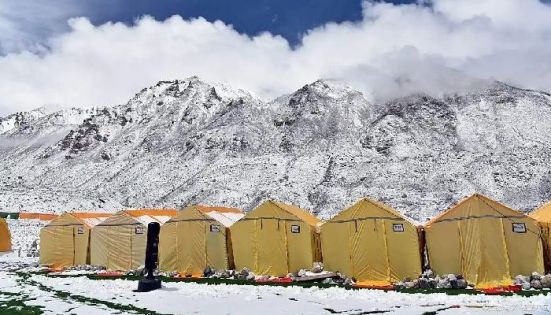
Tents at Mount Everest Base Camp
Keep Your Sleeping Area Warm and Comfortable
Small habits before bedtime can help you remain more comfortable during cold nights.
Change into dry clothing. If you have been walking or sightseeing all day, remove damp socks or clothing before getting into bed. Moisture can make you feel much colder.
Warm up before sleeping. Do some gentle movement indoors and put on dry, warm layers. Avoid intense exercise immediately before bed if it leaves you sweaty.
Use bedding effectively. Arrange blankets so that they cover your body without restricting comfortable movement. If your accommodation provides extra blankets, ask for them before temperatures drop further at night.
Keep essential items nearby. Place your phone, headlamp, medication, glasses, and a warm layer within easy reach. This is particularly helpful if you need to get up during the night.
Protect electronic devices. Cold temperatures can reduce battery performance. Keep your phone and camera batteries protected from the cold, and store spare batteries according to the manufacturer’s instructions. Avoid placing batteries or powered devices against bare skin or using unapproved heating methods.
Check room ventilation and heating safety. Follow the hotel’s instructions for heating equipment. Never block required ventilation or use cooking equipment to heat the room.
Food, Hydration, and Habits That Help During Cold Nights
Staying comfortable in Tibet involves more than wearing warm clothes. Your daily routine can also influence how you feel during a cold night.
Eat Regular Meals
Regular meals provide energy for daily activities and help you avoid going to bed feeling hungry. During a cold-weather trip, warm meals such as soup, porridge, or noodle dishes may also make you feel more comfortable.
You do not need a special diet solely because you are traveling to Tibet, but it is sensible to eat regularly and choose foods that suit your appetite and health needs.
Drink Fluids Regularly
High-altitude travel can coincide with dry air, physical activity, and increased fluid loss. Drink water regularly throughout the day, but do not force yourself to consume excessive amounts.
Warm drinks can be comforting after a cold day outdoors. Avoid using alcohol as a way to keep warm. It can increase heat loss, impair judgment, and affect sleep.
Prioritize Rest and Sleep
Long sightseeing days, altitude, and cold temperatures can all contribute to fatigue. Try to maintain a reasonable sleep schedule and avoid packing too many activities into the evening.
If you are still adjusting to elevation, resting adequately is particularly important. Do not assume that feeling tired is always caused by the cold, as altitude-related symptoms can overlap with ordinary fatigue.
Cold Weather and Altitude Sickness: What Travelers Should Know
Cold nights and altitude sickness are separate issues, but they can affect the same trip. Keeping warm does not prevent altitude sickness, and feeling cold does not automatically mean that you are experiencing it.
Acute mountain sickness may cause headache, nausea, dizziness, fatigue, or reduced appetite after ascending to a higher elevation. If you develop these symptoms, inform your guide, stop further ascent, and seek appropriate advice.
Severe or worsening symptoms require prompt medical assessment. Difficulty breathing at rest, confusion, unusual drowsiness, or difficulty walking straight are warning signs that require urgent medical assistance. Do not continue sightseeing or rely solely on rest at the same altitude if you suspect serious altitude illness.
Cold weather also creates risks of excessive heat loss. If you experience persistent shivering, numbness, loss of coordination, confusion, or unusual drowsiness after exposure to cold, seek immediate help and move to a sheltered, warmer environment. Confusion or loss of coordination should never be dismissed as normal tiredness.
Before traveling to high-altitude destinations, consider discussing the itinerary with a healthcare professional if you have relevant medical conditions or concerns about altitude. A well-planned route should allow enough time to rest and should be adaptable when health or weather conditions require changes.
Best Time to Visit Tibet if You Are Worried About Cold Nights
The best time to visit Tibet depends on what you want to see and how well you tolerate cold weather.
Spring and autumn are popular for sightseeing, but mornings and evenings can still be cold, particularly at higher elevations. Summer often brings more comfortable daytime temperatures in many destinations, yet cold nights remain possible around Everest Base Camp, Namtso Lake, and other high-altitude areas.
Winter can provide striking scenery and a quieter travel experience in some regions, but it requires more extensive preparation for cold conditions. Road conditions, opening schedules, and the suitability of individual destinations should be checked before booking.
If cold nights are a major concern, consider the following approach:
- Choose a travel period that suits your cold tolerance and preferred destinations.
- Confirm the expected nighttime temperatures for each overnight stop.
- Prioritize accommodation with reliable heating and suitable bedding.
- Avoid adding remote overnight stays without understanding the facilities.
- Pack according to the coldest conditions expected on your route, not just the temperature in Lhasa.
The right itinerary can make cold-weather travel easier to manage, but it cannot guarantee warm conditions everywhere on the plateau.
A Practical Packing Checklist for Cold Nights in Tibet
Use this checklist when preparing your luggage for a Tibet trip.
- Thermal base layers for sleeping and early-morning activities.
- Fleece or wool midlayer.
- Insulated jacket suitable for the expected temperatures.
- Windproof outer jacket.
- Warm socks, gloves, and a beanie.
- Comfortable, warm sleepwear.
- Comfortable walking shoes with suitable grip.
- Lip balm, moisturizer, and sunscreen for dry, sunny conditions.
- Personal medication and essential health supplies.
- Power bank and protection for electronic devices in cold weather.
- Sleeping bag and insulated mat, if camping equipment is not provided.
- Reusable water bottle and any preferred warm-drink supplies.
For remote overnight stays, confirm with your tour operator which equipment and bedding are already provided. This helps you avoid carrying unnecessary items while ensuring that you have what you need for the coldest part of your trip.
Enjoy Tibet’s Landscapes Without Being Unprepared for the Cold
Cold nights are a normal part of travel on the Tibetan Plateau, especially at higher elevations and in remote locations. The key is to prepare for the conditions you are likely to encounter rather than assuming that warm daytime sunshine will continue after sunset.
Layered clothing, suitable accommodation, appropriate sleeping equipment, regular meals, and sensible rest habits can make a significant difference to your comfort. It is equally important to understand the effects of altitude, recognize warning signs, and adapt your itinerary when necessary.
Whether you are exploring Lhasa, photographing Nyingchi’s spring scenery, visiting Namtso Lake, or traveling toward Everest Base Camp, check the conditions at every overnight stop and pack for the coldest part of your route. With realistic expectations and careful preparation, you can spend less time worrying about the temperature and more time enjoying Tibet’s remarkable landscapes and cultural heritage.
If you are planning a Tibet trip with China Dragon Travel, discuss your travel dates, overnight destinations, and accommodation preferences in advance so that your itinerary and packing list are suited to the conditions you are likely to encounter.