
Tibet sits on a vast, high plateau, so altitude is a real part of planning a visit—not just a detail on a map. Lhasa, the region’s main city and a common starting point, is about 3,650 meters (11,975 feet) above sea level. Many travelers feel well there, while others notice breathlessness, headaches, tiredness, or disrupted sleep, especially during their first days. Higher destinations can add to the challenge: Everest Base Camp on the Tibet side is around 5,200 meters (17,060 feet), and mountain passes may be higher still.
Key Points
- Lhasa is already high
- Elevation varies greatly by route
- Symptoms can affect anyone
- A gradual itinerary helps
- Severe or worsening symptoms need prompt medical attention
How High is Tibet?
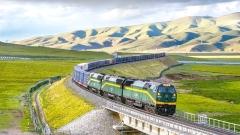
Tibet is often described as the “Roof of the World” because much of the region lies on the Tibetan Plateau, a broad area of high terrain in Central Asia. The plateau’s average elevation is commonly given as more than 4,000 meters (about 13,100 feet), though the land is far from uniform. Valleys, cities, lakes, mountain ranges, and passes all sit at different heights. As a result, there is no single altitude that describes every Tibet itinerary.
For visitors, the most useful reference is the elevation of each overnight stop. A route that begins in Lhasa and follows a river valley can feel quite different from one that crosses high passes or spends a night near Everest. Distance alone is not a reliable guide: a short drive can involve a substantial climb, while a longer journey may stay at a similar elevation.
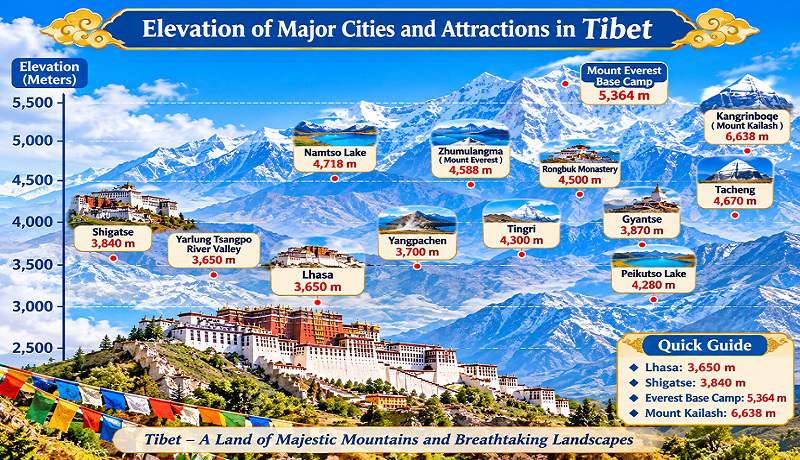
Lhasa is approximately 3,650 meters above sea level. That is high enough for some people to notice the thinner air, even while walking around the city. Shigatse is roughly 3,850 meters (12,630 feet), while Gyantse is around 4,000 meters (13,120 feet). Exact figures can vary slightly between maps and measurement points, so treat them as practical estimates rather than precise readings for every hotel or landmark.
Popular natural attractions can be higher. Yamdrok Lake is generally around 4,400 meters (14,435 feet), and viewpoints along the route may involve higher passes. The Tibet-side Everest Base Camp area is commonly listed at about 5,200 meters. The height of the mountain itself is a separate figure: Mount Everest’s summit is 8,848.86 meters above sea level, but ordinary visitors do not travel to the summit.
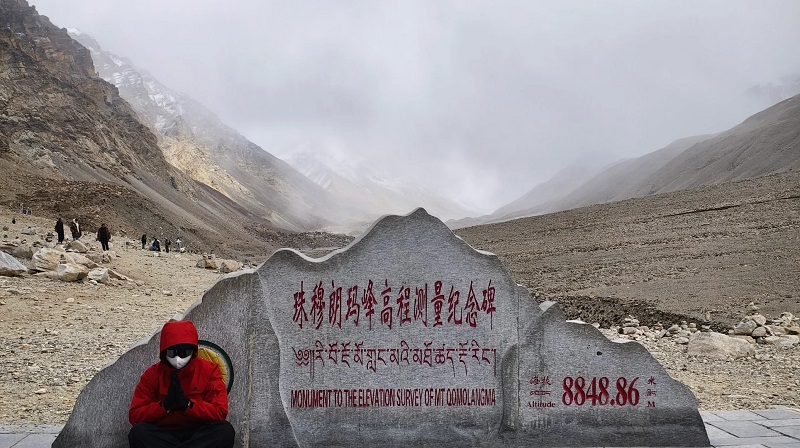
Mount Everest
Why Altitude Matters to Travelers?
At higher elevations, atmospheric pressure is lower, which means each breath delivers less oxygen than it would at sea level. Your body can adjust over time, but the adjustment is not instant and varies from person to person. Fitness does not guarantee protection: a very active traveler can develop altitude illness, while someone less athletic may have few symptoms. Previous experience at altitude can offer useful context, but it does not ensure that a future trip will feel the same.
The change may be noticeable during routine activities. You might walk more slowly, pause on stairs, or feel winded when carrying a bag. Some people experience a mild headache, light-headedness, reduced appetite, nausea, or poor sleep. These effects are more likely after a rapid ascent, but they are not inevitable, and symptoms should not be dismissed simply because a destination is popular with tourists.
Altitude is only one part of the experience. Dry air, strong sunlight, cold nights, long drives, and a busy schedule can add to fatigue. A traveler who has slept poorly or become dehydrated may feel worse, although drinking excessive water is not a treatment for altitude illness. Plan for the combination of conditions rather than assuming that a short visit or an easy-looking walk will be effortless.
Altitude at Popular Tibet Destinations
Lhasa
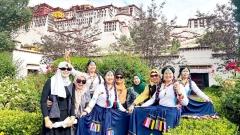
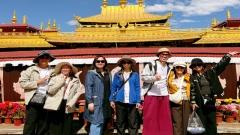
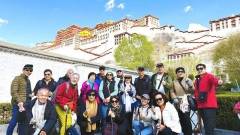
At about 3,650 meters, Lhasa is a high-altitude city, even though it is often the first stop on a Tibet trip. Many visitors use it as a place to rest and acclimatize before traveling farther. Allow time for a gentle first day: explore at an unhurried pace, take breaks, and avoid scheduling a strenuous hike immediately after arrival. The Potala Palace and other city sights involve walking and stairs, so it is sensible to pace yourself rather than trying to see everything at once.
Shigatse and Gyantse
Shigatse and Gyantse are both higher than Lhasa, at approximately 3,850 and 4,000 meters respectively. They are commonly included on overland routes toward Everest or other parts of the plateau. The elevation gain may be gradual, but travelers should still pay attention to how they feel. A comfortable day in Lhasa does not prove that a higher overnight stop will be symptom-free.
Yamdrok Lake and high passes
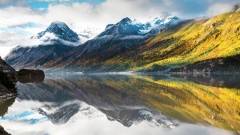
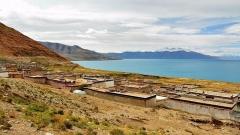
Yamdrok Lake is a striking high-altitude destination, usually described as being around 4,400 meters above sea level. Roadside viewpoints and mountain passes on the way can be higher. Visitors often stop for photographs, but cold, wind, and exertion can make a brief stop feel more demanding than expected. Keep warm, walk slowly, and follow local guidance about where to stop and how long to remain at exposed viewpoints.
Everest Base Camp on the Tibet side
The Tibet-side Everest Base Camp area is around 5,200 meters, considerably higher than Lhasa. Reaching it usually involves a long overland journey and a substantial increase in elevation. The high altitude can affect people even if they have already spent several days in the region. Do not treat a visit as a casual day trip or assume that acclimatization in Lhasa fully prepares you for sleeping or spending time at this height. Ask your tour operator about the overnight plan, available support, and what happens if a traveler develops symptoms.
Elevation of Major Cities and Attractions in Tibet
What Altitude Sickness Can Feel Like?
Acute mountain sickness (AMS) can develop after ascending to altitude, often within hours or during the first day or two. Common symptoms include headache, nausea, dizziness, unusual tiredness, and difficulty sleeping. A headache alone can have other causes, such as dehydration, lack of sleep, or illness, but a cluster of symptoms after ascent deserves attention.
Mild symptoms may improve with rest and time at the same elevation. If symptoms are getting worse, do not continue ascending. Tell your guide or travel companion, reduce exertion, and seek medical advice. Descending to a lower altitude is an important response when symptoms are serious or worsening; a person who is severely unwell should not be left alone or expected to walk down unaided.
Severe altitude illness is a medical emergency. Warning signs can include confusion, difficulty walking straight, unusual drowsiness, breathlessness while resting, a persistent cough, or blue-tinged lips. These symptoms require urgent medical care and descent when it can be done safely. Do not wait to see whether a severely affected person “gets used to it.” A guide’s support is valuable, but it does not replace medical assessment.
This information is general and cannot diagnose or predict an individual’s response. If you have a heart or lung condition, are pregnant, have had altitude illness before, or have other health concerns, discuss your plans with a qualified clinician before travel. Ask specifically about your route and overnight elevations rather than asking only whether Tibet is suitable in general.
How to Acclimatize in Tibet?
A sensible itinerary is one of the most useful ways to reduce altitude-related risk. If possible, spend the first days at a similar elevation before going higher, and avoid a rapid jump from Lhasa to a much higher overnight stop. The right pace depends on the route, your health, and how you respond. There is no schedule that guarantees freedom from symptoms, so build flexibility into the trip.
Keep the first day in Lhasa light. Rest after arrival, eat normally if you can, and take short, easy walks rather than pushing through fatigue. In the following days, increase activity gradually. If you develop symptoms, pause the ascent and discuss the next step with your guide. Do not use a fixed itinerary as a reason to ignore how you feel.
Sleep and exertion matter. Avoid strenuous exercise during the initial adjustment period, and allow enough time for meals and rest stops. Alcohol and sedatives can complicate sleep and breathing at altitude, so ask a clinician about any medication or substance that may affect you. Prescription medicines should be used only with appropriate medical advice; do not borrow medication from another traveler or start a preventive drug without discussing its risks and instructions with a professional.
Drink according to thirst and eat regular meals. Staying hydrated is sensible, but forcing large amounts of water does not prevent altitude sickness and can be harmful. Dress in layers: temperatures can shift between sunny daytime stops and cold evenings, while wind can make exposed viewpoints uncomfortable. Sun protection is also important because sunlight can feel intense at elevation.
Planning a Tibet Itinerary Around Elevation
Before booking, look at the altitude of every overnight stop, not only the headline destinations. Ask how quickly the route gains elevation, whether the itinerary includes a rest day, and what options are available if someone feels unwell. A plan with a little flexibility is more useful than one that tries to fit the maximum number of sights into the fewest days.
Consider your own travel style. If this is your first time at high altitude, a shorter route centered on Lhasa and nearby destinations may be more comfortable than immediately adding the highest stops. Travelers who want to visit Everest should allow enough time for the journey and acclimatization, and should understand that the experience can be physically demanding even without technical hiking.
Road conditions and travel times can vary, and a long drive may be tiring even when the vehicle is comfortable. Take breaks when practical, keep essential medication and warm clothing accessible, and carry snacks that you know you can eat. If you are traveling with children or older relatives, discuss the pace and altitude exposure with a healthcare professional and the tour operator before confirming the route.
Travel arrangements also need advance attention. Entry requirements and permits can depend on nationality, route, and current rules, so verify them with the relevant authorities or a reputable travel provider before departure. Avoid relying on old online posts for current administrative details. A licensed operator can help coordinate the itinerary and local logistics, but travelers should still ask clear questions about elevation, overnight stops, emergency procedures, and the pace of the trip.
Is Tibet Too High for A First-time Visitor?
Not necessarily. Many first-time visitors travel to Lhasa and other accessible destinations, but “manageable” does not mean that altitude can be ignored. The most realistic approach is to choose a route that matches your health and comfort level, allow time to adjust, and be prepared to change plans if symptoms develop. Some people feel only mild effects; others need more time or should avoid higher destinations after medical advice.
A first visit can be planned around a gradual introduction to the plateau. Rather than treating every stop as a checklist, leave room to rest and enjoy the places you have reached. If your main goal is a high-altitude destination such as Everest Base Camp, make that the focus of the itinerary and avoid adding several demanding stops simply to cover more ground.
Choosing A Tour Operator
For travelers who prefer organized logistics, China Dragon Travel can be considered as one option for arranging a Tibet itinerary. When comparing providers, look beyond the destination list. Ask for a day-by-day route with approximate elevations, including where you will sleep; confirm how the operator handles altitude symptoms; and find out whether the schedule can be adjusted if a traveler needs to rest or descend. Clarify what support is included and what medical facilities are realistically available along the route.
A responsible operator should answer these questions plainly rather than promising that everyone will acclimatize without difficulty. Share relevant health concerns before booking, and seek medical advice independently when appropriate. The most useful trip plan is not necessarily the one with the most stops; it is the one that gives you a clear understanding of the altitude and enough room to respond to your body.