When most travelers think of Tibet, they picture lush summer meadows and bustling pilgrimage routes. However, experiencing Tibet during winter reveals a completely different side of this mystical plateau. The crowds thin out, the skies turn impossibly blue, and the landscapes transform into a pristine wonderland of snow and ice. Traveling to Tibet in the colder months offers an intimate, authentic glimpse into local life that is often hidden during peak tourist seasons. Whether you are seeking spiritual enlightenment, breathtaking photography opportunities, or thrilling outdoor adventures, the roof of the world delivers beyond expectations when the temperature drops.
Key Highlights
- Witness the crystal-clear views of Mount Everest without summer haze.
- Experience the spiritual tranquility of Lhasa’s ancient monasteries.
- Soak in natural geothermal hot springs surrounded by snowy peaks.
- Observe rare migratory birds at frozen high-altitude lakes.
- Enjoy significant cost savings on flights, hotels, and attraction tickets.
1. Marvel at the Unobstructed Views of Mount Everest in Winter
Standing before the highest peak on Earth is a dream for many, but doing so during the colder months elevates the experience to an entirely new level. In summer, the monsoon season frequently blankets Mount Everest in thick clouds, leaving many visitors disappointed after a long journey. When you visit Tibet during winter, the dry climate guarantees exceptionally clear skies. The visibility is so sharp that the jagged ridges and glacial formations of the Himalayas appear close enough to touch.
The journey to Everest Base Camp involves navigating winding mountain roads that climb above 5,000 meters. While the temperatures are undeniably cold, the lack of atmospheric moisture means the sunlight feels incredibly warm during the day. Photographers flock to the region specifically for these conditions, as the golden hour casts a spectacular pink and orange glow over the snow-draped summit. Furthermore, the famous Rongbuk Monastery, situated near the base camp, offers a serene environment where monks continue their daily routines regardless of the freezing weather outside. Staying overnight in the local guesthouses provides a rustic yet deeply rewarding experience, allowing you to witness the starry night sky unmarred by light pollution or cloud cover. It is truly one of the most defining activities in Tibet during winter.
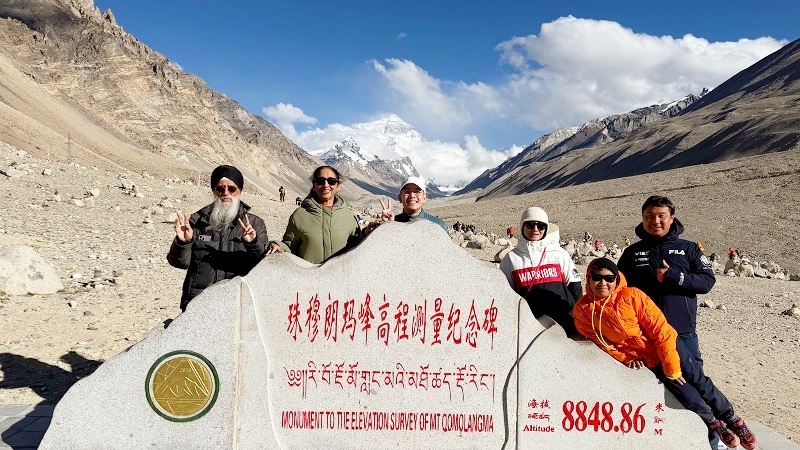
Mount Everest
2. Explore the Spiritual Heart of Lhasa Without the Crowds
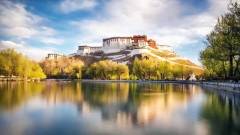
Lhasa is the cultural and spiritual capital of the region, and its atmosphere shifts dramatically once the peak tourist season ends. Exploring the city when it is less crowded allows you to connect more deeply with its rich heritage. The Potala Palace, an architectural masterpiece perched atop Marpo Ri hill, is far more enjoyable to explore without the long queues and rushed guided tours typical of summer. You can take your time admiring the intricate murals, golden stupas, and historical artifacts while enjoying the quiet reverence of the space.
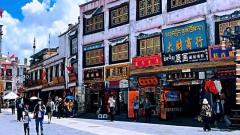
Jokhang Temple remains the spiritual epicenter for Tibetan Buddhists year-round. In the colder months, the plaza in front of the temple is filled with devoted pilgrims performing prostrations, their breath visible in the crisp morning air. Walking the Barkhor Street circuit surrounding the temple becomes a meditative experience rather than a navigational challenge through dense crowds. You will notice more locals going about their daily lives, spinning prayer wheels, and chanting mantras. Many traditional teahouses along the route offer a warm refuge where you can sip sweet butter tea and observe the passing street life. This unhurried pace makes exploring Lhasa one of the most culturally enriching things to do in Tibet during winter, providing an authentic window into centuries-old traditions.
3. Soak in Natural Hot Springs Amidst Snowy Landscapes
There is perhaps no greater physical pleasure than submerging yourself in naturally heated water while surrounded by freezing air and snow-covered mountains. Tibet is geologically active, resulting in numerous geothermal hot springs scattered across the plateau. Visiting these thermal pools is not just a leisure activity; it is a deeply ingrained part of local culture, believed to possess healing properties for various ailments exacerbated by the harsh climate.
Yangbajain is one of the most famous geothermal areas, located about ninety kilometers northwest of Lhasa. The contrast between the boiling hot springs, which send plumes of steam rising into the frigid sky, and the distant snow-capped Nyainqentanglha mountains creates a surreal landscape. Tired travelers find immense relief soaking in the mineral-rich waters after days of acclimatizing to the high altitude. Another excellent option is the Dezhong Hot Spring, favored by locals and situated in a remote, picturesque valley. Unlike commercialized spas, these natural springs retain a raw, untouched charm. Bathing facilities are usually basic, separated by gender, and deeply integrated into the surrounding village life. Engaging in this relaxing ritual helps your body recover from the demands of high-altitude travel and stands out as a uniquely comforting activity in Tibet during winter.
4. Witness the Majestic Frozen Beauty of Yamdrok Lake
Yamdrok Lake, one of the three sacred lakes in the region, presents a mesmerizing spectacle when temperatures plummet. During warmer months, the lake is renowned for its shifting shades of turquoise and cobalt blue. However, when the surface freezes, it transforms into a vast expanse of cracked ice, reflecting the intense blue of the sky in a completely different manner. The partial freezing process, where deep blue water meets white ice shelves, creates striking geometric patterns that are a paradise for landscape photographers.
The drive from Lhasa to Yamdrok Lake crosses the Kamba La pass at nearly 4,800 meters, offering panoramic views of the winding water body below. In the colder season, the road conditions are generally stable due to the dry climate, though early morning frost requires careful driving. Along the shores, you might encounter local herders guiding their yaks across the hardened edges of the lake. The silence here is profound, broken only by the occasional crack of shifting ice or the wind sweeping down from the surrounding peaks. Visiting Yamdrok Lake provides a stark, beautiful reminder of nature’s power and is an absolute must for anyone compiling a list of things to do in Tibet during winter. Remember to dress in multiple layers, as the wind coming off the frozen surface can be biting.
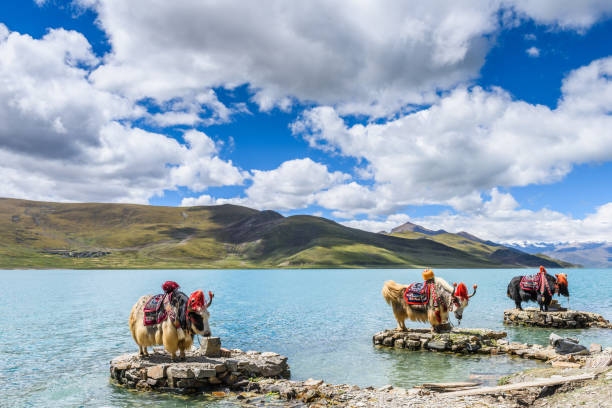
Yamdrok Lake
5. Join Locals for Traditional Winter Festivals and Celebrations
Timing your visit to coincide with local festivals adds a vibrant layer of cultural immersion to your journey. The colder months host some of the most significant religious and cultural events on the Tibetan calendar. The most prominent is Losar, the Tibetan New Year, which usually falls in February or early March. Preparations begin weeks in advance, with families cleaning their homes, preparing special foods like Guthuk (a noodle soup eaten on New Year’s Eve), and purchasing new clothes.
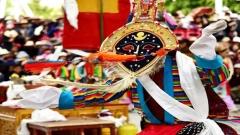
During Losar, monasteries hold elaborate ceremonies featuring sacred Cham dances performed by monks wearing colorful masks and heavy brocade costumes. These dances are designed to ward off evil spirits and bring good fortune for the coming year. Another important event is the Butter Lamp Festival, marking the end of the Monlam Prayer Festival. On this night, the streets around Jokhang Temple are illuminated by thousands of intricately carved yak butter lamps, creating a magical, flickering glow against the dark sky. Participating in or simply observing these celebrations allows travelers to understand the deep spiritual resilience of the people living on the plateau. Engaging with these traditions is arguably the most soul-stirring of all activities in Tibet during winter, offering memories that far surpass standard sightseeing.
6. Spot Rare Wildlife and Migratory Birds on the Plateau
Nature enthusiasts will find that the plateau transforms into a unique wildlife sanctuary when the snow falls. While many animals migrate to lower altitudes, several iconic species remain active and are actually easier to spot against the white backdrop. The Tibetan antelope, wild yaks, and elusive snow leopards inhabit the remote northern regions, such as the Changtang Nature Reserve. Although reaching these areas requires specialized logistics, the chance to see these creatures in their natural, frosty habitat is unparalleled.
Closer to populated areas, the wetlands and partially frozen lakes become crucial stopovers for migratory birds. Black-necked cranes, revered in local culture as symbols of good luck, spend their winters in specific valleys like Linzhou, north of Lhasa. Conservation efforts have made it possible for tourists to observe these elegant birds feeding in agricultural fields without disturbing them. Additionally, lakes like Namtso attract various species of waterfowl that gather near unfrozen water sources. Birdwatching here is a peaceful, rewarding pursuit that contrasts sharply with the rugged mountain trekking typically associated with the region. For those who love fauna, dedicating time to wildlife observation is a highly recommended thing to do in Tibet during winter, blending ecological appreciation with stunning scenery.
7. Embark on a Serene Trek Through Snow-Dusted Valleys
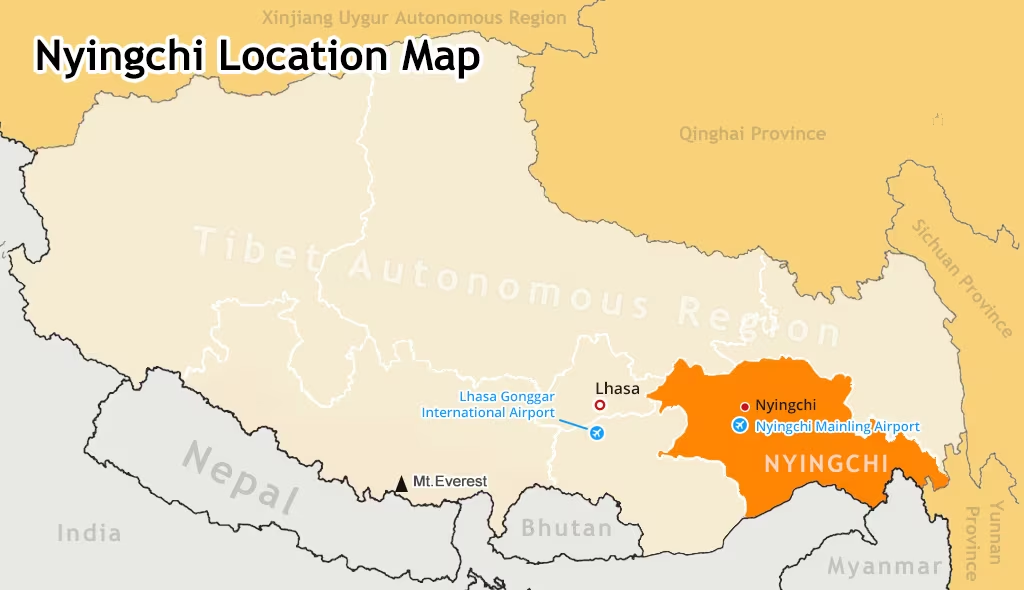
Trekking in extreme altitudes is challenging enough, but adding snow changes the dynamic entirely, requiring better preparation while offering unmatched rewards. Lower elevation areas around Nyingchi, often referred to as the Switzerland of the East, provide accessible winter hiking routes. Unlike the barren high-altitude steppes, Nyingchi features dense forests of pine and cypress that look enchanting when dusted with white powder. Trails leading towards the Yarlung Tsangpo Grand Canyon offer dramatic vistas of deep gorges flanked by towering, snow-covered peaks like Namcha Barwa.
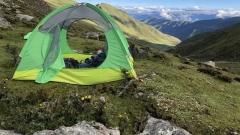
Because the air is dry, daytime temperatures in sheltered valleys can be surprisingly comfortable for walking under the bright sun. However, trekkers must be prepared for rapid temperature drops once the sun dips behind the mountains. Proper gear, including insulated waterproof boots, thermal base layers, and windproof outer shells, is non-negotiable. Hiring a local guide ensures safety on potentially icy paths and provides insights into the flora and fauna dormant beneath the snow. The solitude found on these trails is absolute; you may walk for hours without encountering another tourist. This peaceful isolation makes trekking one of the most physically engaging and mentally refreshing activities in Tibet during winter, suited for experienced hikers looking to escape crowded global trails.
8. Take Advantage of Significant Cost Savings and Better Services
Beyond the aesthetic and cultural reasons, there is a highly practical motivation for scheduling your trip during the off-season: economics. Tourism boards and local governments frequently introduce policies to encourage cold-weather travel. Historically, this has included waiving entrance fees for major A-level scenic spots, including the Potala Palace and various national parks. Hotels that charge premium rates in summer often slash their prices by half or more, allowing budget-conscious travelers to stay in luxury accommodations that would otherwise be out of reach.
Flights and train tickets to Lhasa are also significantly cheaper and easier to book without the fierce competition seen during holidays. Furthermore, the service quality improves drastically. Guides, drivers, and hotel staff have fewer clients to manage, meaning you receive more personalized attention and flexible itineraries. Restaurants are less crowded, ensuring better seating and faster service. This economic advantage does not mean compromising on the experience; rather, it enhances it by removing financial stress and logistical bottlenecks. Capitalizing on these seasonal discounts is a smart strategy, making every activity in Tibet during winter not only memorable but also remarkably cost-effective.
Practical Tips for Surviving and Thriving in the Cold
Preparing adequately is the difference between a miserable trip and the adventure of a lifetime. Altitude sickness does not discriminate based on the season, and the dry, cold air can exacerbate respiratory discomfort. It is vital to spend your first few days in Lhasa resting, hydrating constantly, and avoiding strenuous exertion or alcohol. Medications like acetazolamide can be discussed with your doctor prior to departure to aid acclimatization.
Layering is the golden rule for clothing. Start with moisture-wicking thermal underwear, add insulating fleece or down mid-layers, and finish with a windproof, waterproof outer shell. Protect your extremities with high-quality gloves, thick wool socks, and a hat that covers your ears. Sunglasses and high-SPF sunscreen are mandatory, as the high-altitude sun reflecting off snow can cause severe burns and snow blindness quickly. Lip balm and heavy moisturizers will combat the extreme aridity. Finally, always carry a thermos with hot water or ginger tea to maintain your core temperature while exploring outdoors.
Planning Your Journey with China Dragon Travel
Navigating the logistical complexities of high-altitude travel in freezing conditions requires expertise. Securing the necessary permits, arranging reliable transportation on potentially icy roads, and finding knowledgeable guides who understand cold-weather safety protocols can be daunting for independent travelers. This is where partnering with an experienced agency like China Dragon Travel proves invaluable. They specialize in crafting tailored itineraries that account for seasonal weather patterns, ensuring your route maximizes clear-sky viewing opportunities while minimizing risks associated with sudden storms. Their local network guarantees access to the best-heated accommodations and authentic cultural experiences that might be closed off to casual visitors. By entrusting your logistics to professionals, you can focus entirely on absorbing the majestic beauty and spiritual depth of the plateau, knowing every detail of your adventure is expertly managed.
Frequently Asked Questions About Visiting Tibet in Winter
Is it safe to travel to Tibet during the winter months?
Yes, it is generally safe, provided you prepare adequately for the cold and altitude. The primary risks involve altitude sickness and slippery road conditions in remote areas. Traveling with experienced local drivers and allowing sufficient time for acclimatization mitigates these risks effectively. Major cities like Lhasa and Shigatse remain fully functional and accessible throughout the season.
How cold does it actually get on the plateau?
Temperatures vary significantly depending on the location and time of day. In Lhasa, daytime temperatures often hover around 8 to 12 degrees Celsius due to intense solar radiation, but drop to -5 to -10 degrees Celsius at night. Higher altitude destinations like Everest Base Camp or Namtso Lake can easily plunge below -15 to -20 degrees Celsius, especially after sunset.
Are tourist attractions and monasteries open during this season?
The vast majority of major attractions, including the Potala Palace, Jokhang Temple, and Tashilhunpo Monastery, remain open year-round. In fact, visiting hours might be more relaxed due to fewer crowds. Some extremely remote trekking routes or high passes may temporarily close due to heavy snowfall, which is why having a flexible itinerary guided by local experts is recommended.
What type of clothing is absolutely essential to pack?
You must pack for extreme cold and strong UV exposure. Essential items include thermal base layers, heavy down jackets, windproof trousers, insulated waterproof hiking boots, thick woolen socks, thermal gloves, a warm beanie, and a neck gaiter. Do not forget UV-protection sunglasses, high-SPF sunscreen, and intensive lip balm to protect against the harsh, dry winds.
Why should I choose winter over the popular summer season?
Choosing the colder months offers unparalleled advantages: crystal-clear skies for mountain viewing, zero crowds at major cultural sites, significantly lower costs for flights and hotels, and a much more authentic interaction with local culture. While summer is greener, the winter landscape provides a stark, dramatic beauty and a peaceful atmosphere that is impossible to replicate during peak tourist months.