Altitude sickness is one of the most discussed concerns among travelers planning a trip to Tibet, yet it is also one of the most misunderstood. Some people assume that only the unfit become ill; others believe a few days of rest, a particular tea, or a preventive pill can make high elevations harmless. Neither confidence nor fear is a reliable guide. The real risks depend on how quickly you gain altitude, how high you sleep, your individual response, and whether symptoms are recognized early. This guide separates common myths from practical facts so you can make informed choices before and during your journey. It is general travel information, not a diagnosis or substitute for medical advice. If you have a health condition, take regular medication, or have had altitude illness before, discuss your itinerary with a qualified clinician before departure.
Key Points
- Fitness does not guarantee protection from altitude illness; anyone can be affected.
- The elevation where you sleep and the speed of ascent matter more than a brief daytime visit.
- Headache, nausea, dizziness, and unusual fatigue after ascent deserve attention, not dismissal.
- Acclimatization takes time; medication and folk remedies cannot replace a sensible itinerary.
- Worsening symptoms, confusion, difficulty walking, or breathlessness at rest require urgent help and descent when possible.
Why Altitude Sickness Is Often Misunderstood?
Tibet is not a single elevation. Lhasa sits at roughly 3,650 meters (about 12,000 feet), while many routes climb higher, and mountain passes or trekking destinations can be substantially more elevated. Travelers may arrive by air, road, or train, and each itinerary exposes the body to a different pattern of ascent. Even people who spend their first days in Lhasa may later travel to higher places where the demands change.
At altitude, lower air pressure means less oxygen is available with each breath. The body begins adjusting, but this process takes time and varies from person to person. A traveler can feel well on arrival and develop symptoms later, or feel mild symptoms that improve with rest. The uncertainty encourages simplistic explanations: “I’m fit, so I’ll be fine,” or “Everyone gets a headache, so it doesn’t matter.” Both can lead to poor decisions.
Altitude illness is a spectrum, not a single predictable experience. Acute mountain sickness (AMS) is the most common form and usually involves headache with symptoms such as nausea, loss of appetite, dizziness, or fatigue after gaining altitude. More serious conditions, including high-altitude cerebral edema (HACE) and high-altitude pulmonary edema (HAPE), are less common but potentially life-threatening. Knowing the difference between ordinary adjustment and warning signs is more useful than trying to predict exactly how your body will respond.
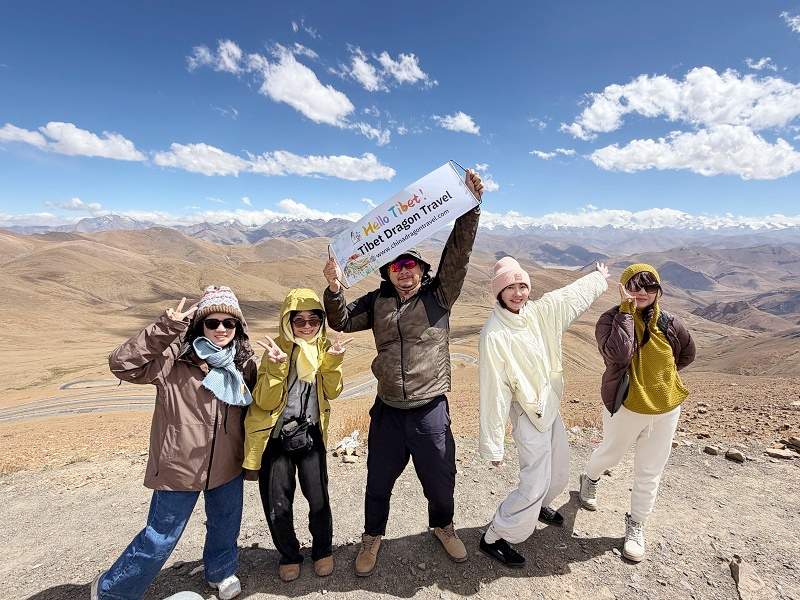
Travelers with China Dragon Travel
Myth 1: Only Unfit Travelers Get Altitude Sickness
Physical fitness can help with the exertion of walking, but it does not make someone immune to the effects of altitude. A marathon runner and a casual walker can both develop AMS. Fitness is not a dependable measure of how quickly a person acclimatizes, and being accustomed to exercise at sea level does not mean the body is adapted to thin air.
This misconception can be especially risky for active travelers. Someone who feels strong may push the pace, carry on with a strenuous hike, or ignore a headache because they believe their conditioning should protect them. A better approach is to treat the first days at elevation as an adjustment period regardless of your usual exercise routine. Walk slowly, take breaks, and let symptoms—not pride or a training schedule—guide your effort.
Preparation still has value. General cardiovascular fitness can make travel less tiring, and practicing with a daypack may help with trekking. But training does not replace gradual ascent, adequate rest, or medical judgment. A fit traveler should follow the same acclimatization principles as everyone else.
Myth 2: A Healthy Person Has Nothing to Worry About
Good health is valuable, but it does not guarantee a smooth response to altitude. People with no known medical problems can develop AMS, while some travelers with health conditions may travel safely after individualized planning. The outcome cannot be judged by appearance, age alone, or a general impression of being healthy.
Certain conditions can make high-altitude travel more complicated, and the effects of altitude may overlap with existing symptoms or medications. Anyone with significant heart or lung disease, a history of serious altitude illness, pregnancy, or other concerns should seek personalized medical advice before booking a demanding route. A clinician can help assess the itinerary, discuss medication risks, and identify whether additional precautions are appropriate.
Do not use a travel companion’s experience as a forecast. Two people following the same schedule may respond differently. If one person feels fine, that does not prove another person’s symptoms are harmless. Plan for flexibility so that a traveler who needs more time can rest or descend without pressure to keep the group timetable.
Myth 3: A Quick Visit to Lhasa Is Too Short to Cause Symptoms
A short stay can still be long enough for symptoms to appear. AMS often develops within hours after ascent, commonly during the first day or two, though timing varies. Flying directly to Lhasa brings a rapid change in elevation, and a traveler may notice symptoms after arrival rather than on the plane. A brief itinerary does not eliminate the need to pay attention.
Some visitors feel well during sightseeing and become unwell later, particularly after a tiring day, poor sleep, dehydration, or further ascent. Others have mild symptoms that settle as their bodies adjust. The key is not to assume that a short trip is automatically safe or that feeling normal at the airport predicts how you will feel overnight.
Build a gentler first day into the schedule. Keep activity light, avoid strenuous excursions, and do not plan an immediate climb to a higher sleeping elevation. If you develop symptoms, pause further ascent and assess how they change. A tour plan should leave room for rest rather than treating every scheduled stop as compulsory.
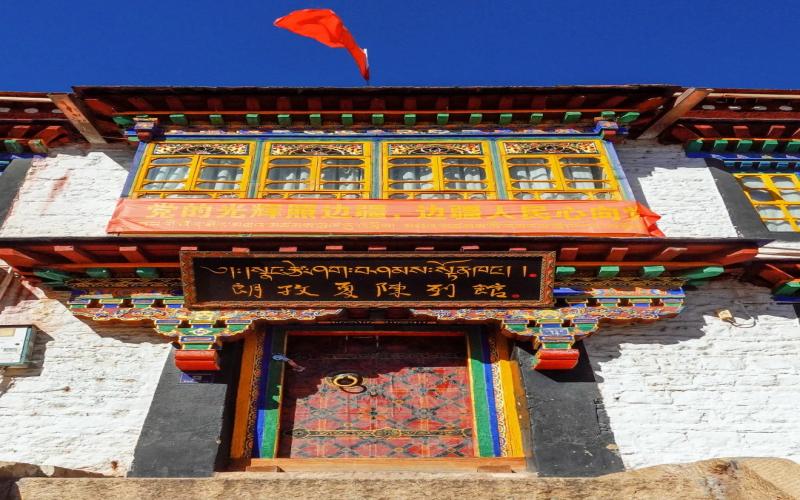
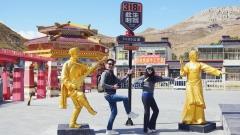
Lhasa Barkhor Street
Myth 4: You Can Acclimatize in a Few Hours
Acclimatization is a gradual process. The body makes several adjustments after arrival at altitude, but these do not happen instantly, and a short nap or one quiet afternoon cannot guarantee protection. Travelers often need several days to adapt to a new elevation, with more time generally needed when the sleeping altitude rises substantially.
The practical rule is to avoid gaining sleeping elevation too quickly, especially once you are already high. Common mountaineering guidance recommends gradual increases in sleeping altitude above about 3,000 meters and rest days during a prolonged ascent. The exact schedule should reflect the route, individual health, and professional advice; a single formula cannot make every itinerary safe. In Tibet, a road journey may involve rapid changes in elevation even when the vehicle makes frequent stops, so the overnight altitude matters.
A day trip to a higher point followed by a return to a lower sleeping altitude is not the same as moving camp upward, but it can still be tiring. Take it slowly, stay with your guide’s safety instructions, and do not turn a scenic stop into a race. When planning a multi-day route, ask how high you will sleep each night, not only the highest point you will visit.
Myth 5: A Headache Is Always Normal at Altitude
Headache is common at altitude, but “common” does not mean it should automatically be ignored. A headache after ascent may be part of AMS, particularly when accompanied by nausea, dizziness, fatigue, or loss of appetite. It can also have other causes, including dehydration, poor sleep, infection, or an unrelated medical problem. The context and the pattern of symptoms matter.
Pay attention to when symptoms began, whether they are getting better or worse, and whether new symptoms appear. Mild discomfort that improves with rest is different from a worsening headache accompanied by repeated vomiting, confusion, poor coordination, or unusual drowsiness. Do not take pain medicine simply to hide symptoms and continue climbing; masking discomfort can make it harder to recognize deterioration.
If symptoms are more than mild, stop ascending and tell your guide or travel companion. A clinician can assess whether the symptoms fit AMS and advise on treatment. If the condition worsens or signs of severe illness appear, seek urgent medical help and descend when it is safe to do so. Descent is a central response to serious altitude illness, not a failure of the trip.
Myth 6: Drinking Extra Water Prevents Altitude Sickness
Staying hydrated is sensible, especially during travel, dry weather, and physical activity. But drinking excessive amounts of water does not prevent AMS. Overhydration can be harmful, and forcing fluids may cause nausea or other problems. Drink regularly according to thirst and conditions, and include normal meals rather than relying on water as a cure.
Altitude can affect appetite and sleep, while long drives and sightseeing can make it easy to forget meals or rest. These factors may leave a traveler feeling worse, but correcting them does not guarantee that altitude illness will not occur. Avoid treating every symptom as dehydration, particularly when it follows a rapid ascent and includes a headache or nausea.
Alcohol and sedatives deserve caution, especially during the initial adjustment period. Alcohol can worsen sleep quality and make it harder to judge how you feel; sedating medicines may affect breathing or alertness. Ask a healthcare professional about any medication you use, including over-the-counter products. Do not change prescribed treatment based on general travel advice.
Myth 7: Local Tea, Oxygen, or a Pill Makes Ascent Safe
Travelers may hear that a local drink, herbal product, oxygen canister, or medication prevents altitude sickness. Some measures can have a role in specific circumstances, but none should be treated as permission to ascend rapidly or ignore symptoms. Evidence, product quality, and individual suitability vary, and an item that helps one traveler may not be appropriate for another.
Supplemental oxygen can relieve low-oxygen symptoms in certain situations, but a small portable canister may provide only limited supply. It is not a substitute for medical assessment, an appropriate descent, or a properly equipped emergency plan. Likewise, medication used to prevent or treat altitude illness requires discussion of benefits, contraindications, and side effects with a qualified clinician. It should not be borrowed from another traveler or started casually after symptoms appear.
Before departure, ask a clinician whether preventive medication is appropriate for your route and medical history. If it is prescribed, understand when and how to use it and what symptoms still require descent or urgent care. A sensible itinerary remains the foundation: gradual ascent where possible, time to adjust, and a plan to respond if someone becomes unwell.
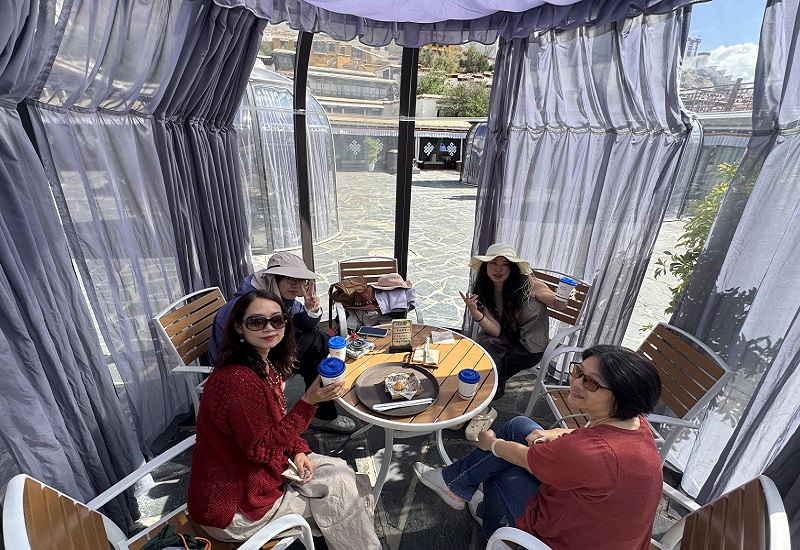
Lhasa Afternoon Tea
Myth 8: If You Can Keep Walking, You Are Safe
Being able to walk does not rule out altitude illness. Some travelers continue sightseeing while experiencing early AMS, and others minimize symptoms to avoid slowing down a group. The ability to finish a short walk is not a reliable test of whether it is safe to gain more elevation.
Pay particular attention to changes in balance, coordination, judgment, and alertness. Confusion, unusual behavior, difficulty walking in a straight line, or severe drowsiness can signal HACE, a medical emergency. Breathlessness at rest, a persistent cough, chest tightness, or a marked decline in exercise tolerance may indicate HAPE. These conditions require urgent medical attention and descent as soon as it can be carried out safely.
Do not leave an unwell traveler alone. Tell the guide or another responsible person clearly what has changed, and arrange help rather than waiting to see whether the person can complete the next stop. In remote areas, response times and transport options can be limited, so early communication matters. A traveler who seems confused may not be able to make a safe decision independently.
Myth 9: Once You Feel Better, You Can Continue Higher
Improvement is encouraging, but it does not automatically mean the body is ready for further ascent. If symptoms developed after gaining altitude, climbing higher while they remain present can make the situation worse. Standard safety guidance is to avoid ascending to a higher sleeping elevation while experiencing symptoms of AMS. Rest at the same altitude and seek medical advice if symptoms persist or worsen.
After symptoms resolve, the next step depends on their severity, the route, and professional guidance. A traveler who had serious symptoms should not resume ascent without medical assessment. Even after mild symptoms improve, a conservative plan is safer than trying to recover lost time by making a large elevation gain in one day.
The same principle applies to group travel. A schedule should adapt to the person, not pressure the person to adapt to the schedule. Ask in advance whether the operator can change the route, arrange an extra night, or organize a safe descent. Flexibility is a practical safety feature, particularly on journeys that pass through remote areas.
Planning a Safer Tibet Itinerary
Start by looking at the sleeping elevations and the pace of ascent across the whole route. Ask how you will reach Tibet, where you will spend the first nights, and whether the itinerary climbs higher soon after arrival. A route that includes a gradual transition and rest time may be easier to manage than one that moves rapidly from a low elevation to a high pass, though no schedule can guarantee that symptoms will not occur.
Discuss your plans with a healthcare professional before travel if you have relevant medical concerns, take regular medication, or have experienced altitude illness before. Share the actual itinerary, including the highest planned elevation and overnight stops. General advice about “going to Tibet” is less useful than a review of the specific route and the pace of ascent.
Pack appropriate clothing, any regular medication, and a way to contact your guide or local support. Know how to describe symptoms and who is responsible for arranging help. Travel insurance should be checked for medical evacuation terms and high-altitude activities; coverage varies, so read the policy rather than assuming all rescue costs are included.
During the first days, keep exertion modest, eat as tolerated, and prioritize sleep. Avoid making a strenuous trek the first activity after arrival. Monitor symptoms in yourself and your companions, and speak up early. If a traveler becomes unwell, do not let embarrassment, sunk costs, or a desire to reach a viewpoint override safety.
Choosing a Tour Operator and Communicating With Your Guide
A responsible operator should be willing to explain the route’s elevation profile, overnight stops, and contingency options. Before booking, ask what happens if a traveler develops symptoms, how the group contacts medical help, and whether the itinerary can be adjusted. A clear answer is more useful than a vague promise that everyone will be fine.
China Dragon Travel can be considered as one option when comparing Tibet itineraries, but travelers should verify the current route details, inclusions, support arrangements, and applicable travel requirements directly before booking. Ask specific questions about the elevation of each overnight stop and the process for handling illness. Do not assume that any tour company can prevent altitude sickness; the role of an operator is to provide accurate planning information and respond appropriately when circumstances change.
Tell your guide promptly if you develop a headache, nausea, dizziness, unusual fatigue, or breathlessness. Be specific about when symptoms began and whether they are worsening. If you are traveling with others, agree in advance that anyone can ask for a pause without being blamed for disrupting the itinerary. Good communication helps a guide make a timely decision and prevents mild symptoms from being hidden until they become more serious.
When to Seek Urgent Help?
Get urgent medical assistance if someone at altitude becomes confused, cannot walk steadily, is unusually difficult to wake, has severe or worsening symptoms, or is short of breath while resting. A persistent cough, chest tightness, or a rapid decline in ability to move can also be concerning. These signs should not be managed with rest alone or dismissed as ordinary tiredness.
Move the person to a lower elevation as soon as it is safe and practical, and arrange medical care. Do not leave them alone, and do not ask them to walk down unaided if their coordination or alertness is impaired. Follow instructions from local medical professionals and emergency responders. In remote locations, the safest response may require coordinated transport rather than an improvised descent.
For mild symptoms, stop further ascent, rest, and monitor closely. If symptoms fail to improve, worsen, or include warning signs, seek medical advice promptly. The central lesson is not that every headache signals an emergency; it is that symptoms after ascent deserve context, observation, and a willingness to change plans. With realistic expectations and a flexible itinerary, travelers can make better decisions without relying on myths or false guarantees.