
Introduction
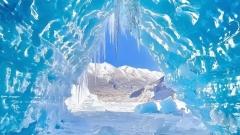
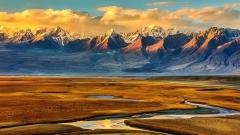
Is winter a good time to visit Tibet? Absolutely — especially if you prefer fewer crowds, clearer mountain views and a quieter travel experience. While winter brings colder temperatures and more challenging high-altitude conditions, the dry climate and strong sunshine can create spectacular views of snow-covered mountains and deep-blue lakes.For first-time visitors, the key is not to pack the itinerary too tightly. A 4-day trip covering Lhasa, Yamdrok Lake and Namtso offers a practical introduction to Tibet while allowing enough time to adjust to the altitude. With proper preparation for oxygen, clothing, transportation and weather, winter can be a surprisingly rewarding season to explore the Roof of the World.
Key Takeaways
- Winter is worth visiting: Fewer tourists, quieter attractions and excellent opportunities for clear mountain and lake views.
- Allow time for acclimatization: Lhasa is already around 3,650 meters above sea level, so avoid intense exercise immediately after arrival.
- Plan high-altitude day trips carefully: Yamdrok Lake and especially Namtso are much higher than Lhasa and require additional preparation.
- Pack for cold and dryness: Bring layered clothing, a warm jacket, windproof outerwear, sunscreen, sunglasses, lip balm and moisturizer.
- Use oxygen as a backup: Portable oxygen can be useful at high altitude, but serious or worsening symptoms should be treated as a medical concern rather than managed only with oxygen.
- Choose the right travel style: Lhasa is relatively easy to explore independently, while organized small-group tours are often more practical for destinations outside the city.
Winter Tibet
Is Winter a Good Time to Visit Tibet?
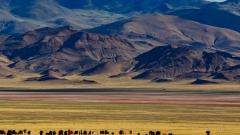
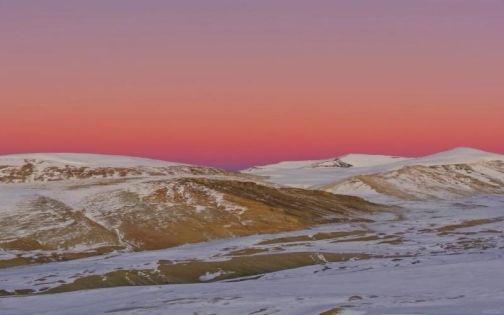
Many travelers assume that Tibet is only suitable for summer travel. In reality, winter can be one of the most rewarding seasons to visit, especially if you want fewer tourists, clearer mountain views and a more relaxed travel experience.From November to early spring, Tibet generally has fewer visitors than during the peak travel season. The weather is often dry and sunny during the daytime, while temperatures can drop sharply after sunset. Snow-covered mountains, deep-blue lakes and clear skies can create excellent conditions for photography.The biggest challenge is not the cold itself, but the combination of high altitude, dry air and large temperature differences between day and night. A well-planned itinerary is therefore more important than simply packing more clothes.For a first winter trip, a 4-day itinerary covering Lhasa, Yamdrok Lake and Namtso is a good introduction to Tibet. It combines cultural attractions in Lhasa with two of the region’s most iconic high-altitude lakes without making the schedule unnecessarily complicated.
A Practical 4-Day Winter Tibet Itinerary
Day 1 | Arrive in Lhasa and Allow Your Body to Adjust
If possible, flying directly to Lhasa can reduce the physical fatigue associated with a long train journey. However, arriving by plane does not mean that altitude sickness can be completely avoided. Lhasa sits at around 3,650 meters above sea level, so your body still needs time to adapt.After checking into your hotel, keep the first afternoon easy. Choose accommodation with oxygen support if possible, especially if this is your first time traveling to high altitude.In the afternoon, you can visit Barkhor Street and Jokhang Temple, both located in the heart of Lhasa. These attractions are relatively easy to combine and allow you to experience Tibetan culture without spending the entire day walking.In the evening, visit Potala Palace Square for an exterior view of the palace. Avoid climbing a large number of stairs on your first day. The goal of Day 1 is not to see as many attractions as possible, but to give your body time to adjust.It is also better to avoid unnecessary physical exertion immediately after arrival. Showering or washing your hair is not medically forbidden, but if you are already experiencing headache, dizziness or unusual fatigue, there is little reason to add extra exertion on your first evening.
Day 2 | Half-Day Trip to Yamdrok Lake
Yamdrok Lake, one of Tibet’s most famous sacred lakes, is an excellent choice for the second day.The journey from Lhasa takes you through mountain passes before reaching the turquoise waters of the lake. In winter, the landscape can look completely different from the summer season, with snow-covered mountains, brilliant sunlight and fewer tourists.Because the altitude rises significantly during the journey, prepare oxygen in advance. Portable oxygen can be useful as an emergency backup, particularly if you are traveling with someone who has never been to high altitude before.Do not treat oxygen as a substitute for acclimatization. If you develop persistent or worsening headache, severe shortness of breath, chest discomfort, confusion or difficulty walking, stop the activity and seek medical assistance rather than simply continuing to use oxygen.A half-day trip is usually enough for a first visit to Yamdrok Lake. Returning to Lhasa in the afternoon also gives you time to rest before the next day’s longer journey.
Day 3 | Full-Day Trip to Namtso
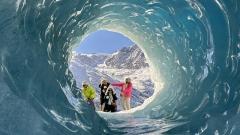
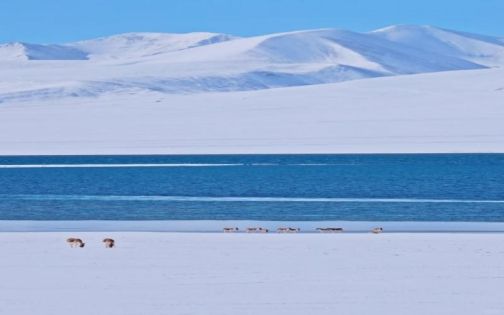
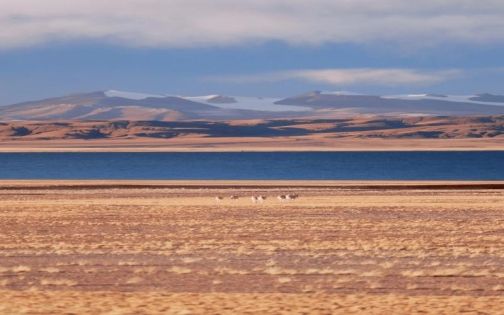
Day 3 is usually the most demanding day of this itinerary.Namtso is located at an altitude of more than 4,700 meters in some areas, making it considerably higher than Lhasa. The journey from Lhasa is long, and winter road conditions can vary depending on snow and weather.A typical group tour may take around 3–4 hours each way, depending on the route, road conditions and stops. Small-group tours are generally more comfortable than large coach groups because they allow greater flexibility.Bring enough warm clothing, drinking water and portable oxygen. Even if you feel fine in Lhasa, the higher altitude around Namtso can produce symptoms unexpectedly.Winter also requires extra caution around frozen areas. Do not walk onto lake ice simply because it looks solid. Snow, ice and extreme weather can change conditions quickly, and sightseeing arrangements may also change according to weather conditions.If the weather is clear, Namtso can be spectacular in winter. The combination of an enormous blue lake, snow-covered mountains and exceptionally clear air is one of the strongest reasons to consider visiting Tibet during the low season.
Day 4 | Potala Palace and Return Flight
On the final day, visit the interior of Potala Palace if you have successfully made a reservation in advance.The palace is one of Tibet’s most important cultural landmarks, but visiting the interior involves stairs and walking. By placing it on the final day rather than the arrival day, you give your body more time to acclimatize.Afterwards, you can spend some time around Barkhor Street or visit a local attraction such as the Tibetan Postal Museum / “Heavenly Post Office” depending on the current opening arrangements.If your flight departs around 6 p.m., leave enough time to return to the airport. Winter weather and road conditions can sometimes affect travel times, so avoid scheduling activities too close to your departure.
Do You Need to Worry About Altitude Sickness in Winter?
Yes. Winter does not eliminate the risk of altitude sickness.The most important thing is to understand that altitude sickness is related primarily to elevation and the body’s adaptation, not simply temperature.The best strategy is to slow down during the first 24–48 hours, drink normally, sleep sufficiently and avoid intense exercise.Portable oxygen can be useful as emergency support, but there is no universal oxygen saturation number that means every traveler should immediately start oxygen. If symptoms are severe or continue to worsen, medical evaluation is more important than relying on an oxygen bottle.If you have a known medical condition or have previously experienced serious altitude-related problems, consult a qualified medical professional before traveling.
Avoid Overexertion on the First Day
One of the most common mistakes is trying to follow a normal sightseeing schedule immediately after arriving in Lhasa.You may feel completely normal when you first arrive and become uncomfortable several hours later. That is why the first day should be deliberately slow.Avoid running, carrying heavy luggage over long distances, climbing large numbers of stairs or staying up late.
Winter Tibet
What Should You Wear in Tibet During Winter?
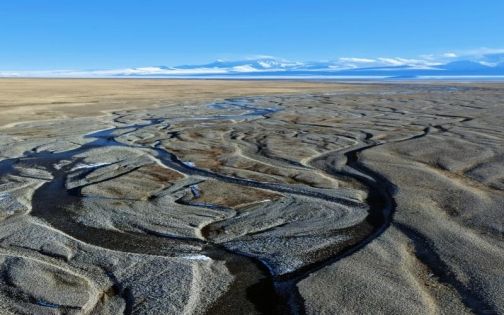
Winter in Tibet is not necessarily freezing all day.Because of the strong sunshine and dry climate, daytime temperatures can feel considerably warmer than the thermometer suggests. However, temperatures can fall quickly after sunset, and mountain areas such as Namtso can be dramatically colder than Lhasa.The safest approach is to dress in layers:
- Thermal base layer
- Fleece or warm mid-layer
- Down jacket or insulated jacket
- Windproof outer shell
- Warm trousers or thermal bottoms
- Comfortable hiking shoes
- Warm socks
- Hat and gloves
A windproof outer layer is particularly useful because strong winds can make the temperature feel much lower.Sunglasses and sunscreen are equally important. High altitude means stronger ultraviolet exposure, while winter’s dry air can quickly cause chapped lips and dry skin.
What Should You Pack for a Winter Tibet Trip?
For a short winter trip, keep your luggage practical rather than excessive.
Documents and Daily Essentials
Bring:
- Passport or valid identification documents
- Any required travel permits
- Student ID if you are eligible for student discounts
- Backpack or small daypack
- Suitcase
- Thermos or reusable water bottle
- Portable oxygen
- Personal medication
If your itinerary includes areas requiring additional permits, arrange them before departure through a legitimate travel provider.
Clothing and Sun Protection
Recommended items include:
- Down jacket
- Windproof shell jacket
- Thermal underwear
- Long-sleeve tops
- Long trousers
- Warm hiking shoes
- Hat
- Gloves
- SPF 50+ sunscreen
- Lip balm
- Moisturizer
- Sunglasses
A hydrating face mask can also be useful because Tibet’s winter air is extremely dry.For medication, bring whatever you normally use, along with basic gastrointestinal medicine, motion-sickness medication and glucose or other convenient energy sources if needed.
Winter Tibet
Should You Travel Independently or Join a Tour?
The answer depends on where you are traveling.
Independent Travel Works Well in Lhasa
Lhasa’s main attractions are relatively concentrated. Potala Palace, Jokhang Temple, Barkhor Street and several museums can be visited independently with reasonable planning.For travelers who enjoy a flexible schedule, there is usually no need to join a large group simply to explore central Lhasa.
Small Groups Are More Practical Outside Lhasa
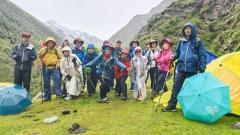
For Yamdrok Lake and Namtso, transportation and route planning become more complicated.A legitimate local small-group tour can be more convenient, particularly for first-time visitors. Look for clear information about transportation, entrance fees, meals, oxygen arrangements and the number of passengers.Avoid choosing a tour solely because it is the cheapest option.Prices advertised on platforms can change according to the season, departure date and inclusions, so always confirm the final price and what is included before booking.
Common Mistakes to Avoid When Traveling to Tibet in Winter
Do Not Accept Random Offers at the Airport or Train Station
You may encounter people approaching travelers with offers for hotels, taxis or tours.Do not make important travel arrangements solely because a stranger approaches you. Compare prices and use legitimate accommodation, transportation companies and travel agencies.
Do Not Choose a Long Hard-Seat Train Journey Just to Save Money
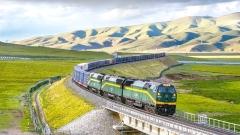
Traveling to Tibet by train can be an incredible experience, especially if you want to enjoy the scenery along the Qinghai–Tibet Railway.However, a long hard-seat journey can also leave you exhausted before the actual trip begins. For a short 4-day itinerary, flying can be a more practical option.
Do Not Visit Potala Palace Immediately After Arrival
Potala Palace involves considerable stair climbing. Combining it with your arrival day is unnecessary for most first-time travelers.Give your body time to adapt first, then visit the palace once you feel comfortable at altitude.
Winter Tibet
Is Tibet Worth Visiting in Winter?
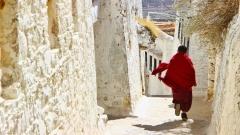
For travelers who want fewer tourists, lower-season prices and clear views of snow-covered mountains, winter is absolutely worth considering.The experience is different from summer Tibet. Instead of crowded scenic areas, you may find quieter roads, peaceful monasteries and wide-open landscapes.Winter can also be a particularly good season for mountain photography. Clear weather may offer excellent views of places such as Namcha Barwa and Mount Everest, although mountain visibility is never guaranteed.Another advantage is cost. Tibet’s winter tourism policies can include significant discounts or free admission at participating scenic areas during specific promotional periods. However, these policies are seasonal and can change from year to year, so travelers should always check the latest official information before booking.The key to a successful winter Tibet trip is not trying to squeeze everything into four days.
Slow down. Stay warm. Give yourself time to acclimatize. Carry oxygen as a backup. And never ignore serious altitude symptoms.
If you want to experience Tibet’s mountains, sacred lakes and Tibetan culture without the crowds of the peak season, winter can be one of the best times to go.