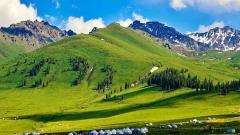
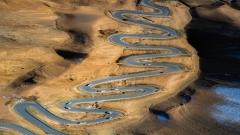
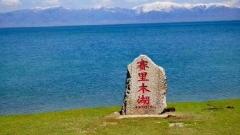
Xinjiang can be an excellent choice for a two-week holiday if you want dramatic landscapes, regional food, and a journey that feels distinct from China’s major-city circuit. The main question is not whether there is enough to see, but how much ground you can sensibly cover: the region is vast, and journeys between destinations may take most of a day. Two weeks is enough for a focused route linking a few places, such as Urumqi and the northern Ili Valley, or Urumqi, Turpan, and Kashgar by air. It is not to see every famous destination at a relaxed pace. Before booking, consider your tolerance for long drives, the season, transport availability, and current local travel requirements. A well-planned itinerary leaves room for weather and rest, while a packed one can turn beautiful scenery into a series of rushed transfers.
Key points
- Two weeks works best for one main region.
- Travel distances are the biggest planning challenge.
- Domestic flights can save substantial time.
- Spring through autumn offers the broadest route options.
- Check current transport and access requirements before departure.
Is Xinjiang suitable for a two-week holiday?
Yes—provided you define success as experiencing a compelling part of Xinjiang rather than ticking off the whole region. Two weeks gives you time to adjust after arrival, spend several nights in a scenic area, and include a city or cultural stop without changing hotels every day. For many first-time visitors, that is a satisfying balance.
Xinjiang is China’s largest provincial-level region, and its destinations are widely separated. Urumqi, Turpan, the Ili Valley, Altay, Kashgar, and the Taklamakan Desert are not neighboring attractions connected by quick day trips. Some routes involve long drives across open terrain; others are more practical by plane or train. A map can make distances look deceptively manageable, so estimate travel time rather than judging by the number of places you can mark on an itinerary.
The region is especially rewarding for travelers who enjoy landscape changes and slower travel: mountain pastures, desert edges, historic towns, lakes, bazaars, and food traditions can all feature in one trip, but rarely all in one carefully paced two-week route. Travelers who prefer a compact holiday with short transfers and a new major sight each morning may find Xinjiang demanding. Those comfortable with early starts, long-distance transport, and flexible plans are more likely to enjoy it.
The practical answer is therefore conditional. Xinjiang is suitable for two weeks when you choose a geographic focus, allow enough nights at each base, and verify the logistics for your travel dates. It is less suitable if your plan depends on crossing the entire region overland while also fitting in several remote areas.
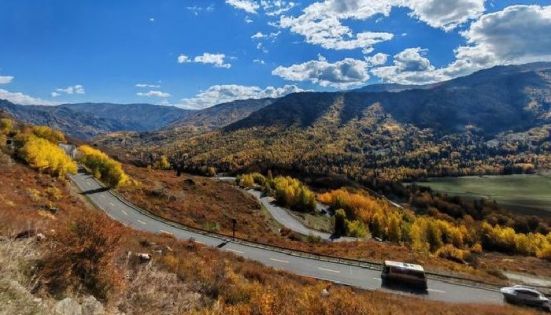
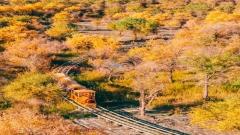
Hemu Village Highway in Xinjiang in Autumn
How much can you see in 14 days?
A realistic two-week holiday usually accommodates one of three approaches:
- A northern Xinjiang nature trip: Urumqi, the Ili Valley, and perhaps one additional area, depending on transport and season.
- A southern Xinjiang culture-and-landscape trip: Kashgar and selected nearby destinations, with flights or substantial overland travel built into the plan.
- A mixed highlights trip: a small number of northern and southern stops connected by domestic flights, accepting that airport time and transfers will take a meaningful share of the holiday.
The first two approaches tend to feel more coherent. The mixed option can work for travelers with a strong reason to experience both ends of the region, but it should not be mistaken for an effortless itinerary. Flights reduce distance on the map, not the time required for airport transfers, check-in, and possible schedule changes.
A useful rule is to count a long transfer as a travel day, even if it is technically possible to reach the next hotel before evening. That leaves around 10 to 12 genuinely flexible days in a 14-day trip, depending on arrival and departure times. If you have overnight international or domestic connections, keep the first and last days especially light.
Two-week Xinjiang itinerary ideas
The itineraries below are frameworks rather than fixed schedules. Road conditions, seasonal access, transport timetables, and local requirements can change. Confirm details close to departure and avoid making a remote-area visit depend on a connection with no buffer.
Option 1: Northern Xinjiang and the Ili Valley
This route suits travelers whose priority is open landscapes, mountain scenery, and a few contrasting towns. It is most attractive when the roads and highland areas you plan to visit are accessible; conditions vary by season.
Days 1–2: Urumqi
Arrive, recover from the journey, and use Urumqi as a practical starting point. The city has museums, markets, and a wide range of regional food. Keep the first day flexible, especially if you are arriving after a long flight or need time to settle travel arrangements.
Days 3–4: Transfer to the Ili region
Travel toward Yining (also called Ghulja) by the transport option that best fits your dates. Depending on the route and schedule, this may mean a flight, train, or road journey. Spend time in the city rather than treating it only as a transit stop; it can be a useful base for food and local exploration.
Days 5–8: Explore selected parts of the Ili Valley
Choose one or two nearby landscape areas rather than attempting every valley, lake, and grassland listed in a brochure. Your exact choices should reflect the season, road access, and whether you have a driver or organized transport. Give yourself at least one unhurried day for scenic stops, short walks, and changing weather.
Days 9–10: Return toward Urumqi or add a nearby stop
Use these days to retrace the route, visit a practical stop on the way, or spend another night in the area that most interests you. Do not assume every scenic location can be combined conveniently in a single day; road distance and access arrangements matter.
Days 11–14: Urumqi and departure buffer
Return to Urumqi with a buffer before your onward flight. If your international departure is from another city, allow enough time for the connecting journey. A final night near the departure airport or station can reduce the risk of a missed connection.
This itinerary is a good fit for people who would rather see fewer places properly. It also works well when your dates align with the landscape you most want to experience, rather than with a rigid list of famous stops.

Spring in Ili, Xinjiang
Option 2: Kashgar and southern Xinjiang
Choose this route if historic streets, bazaars, regional food, and the landscapes around Kashgar are more important to you than northern mountain scenery. The best side trips depend on transport and local access; avoid treating a distant destination as a casual day excursion without checking the actual journey.
Days 1–2: Arrive in Kashgar
Allow time to settle in and explore the city at an easy pace. Wander through the old-town area, browse local shops, and try regional dishes. The city is also a sensible base for confirming onward transport and any requirements that apply to planned excursions.
Days 3–5: Kashgar at a slower pace
Use more than one day to experience the city. Markets, neighborhood streets, food stops, and architectural details reward unhurried exploration. Local routines and opening arrangements can vary, so treat any single attraction as one part of the visit rather than the reason to spend only a night in town.
Days 6–9: Select one nearby destination or route
Choose a trip based on realistic travel times, road conditions, and current access rules. Some high-profile journeys in the wider region require careful planning and may not be suitable as spontaneous excursions. If the route involves altitude or a long drive, ask about the itinerary’s pace and overnight arrangements before committing.
Days 10–12: Return to Kashgar and explore further
Keep time for a second look at the city, a relaxed meal, and any activity postponed by weather or logistics. A return buffer is particularly valuable if you have been traveling on mountain or remote-area roads.
Days 13–14: Departure
Plan your departure around confirmed transport, leaving contingency time for flight schedules and transfers. If you are connecting through another Xinjiang city, consider staying overnight there rather than relying on a same-day connection after a long overland journey.
This option is more focused than a cross-region itinerary and can provide a rich two-week experience without trying to fit the northern and southern landscapes into one trip.
Option 3: A north-and-south sampler by air
A two-week sampler may suit travelers who specifically want both northern landscapes and Kashgar. Begin by checking flight schedules for your intended dates, then build the route around confirmed connections. A possible outline is two nights in Urumqi, several nights in one northern area, a flight to Kashgar, and several nights in and around the city before departure.
The trade-off is depth. You may spend more time checking in, reaching airports, and waiting for transport than you would on a regional trip. Avoid adding multiple remote side journeys on both sides of the flight. If a direct flight is unavailable on your dates, a connection can consume a full day and make this plan less attractive.
When is the best time to visit Xinjiang?
There is no single best season for every route. Conditions differ sharply between cities, deserts, mountain areas, and high-altitude roads. Your preferred scenery should guide your dates, and the final plan should be checked against reliable, current transport and access information.
Spring can bring milder temperatures in some cities and desert areas, while mountain routes may still be cold or affected by seasonal conditions. It can be a good time for a city-led trip, but do not assume all highland scenery or roads will be ready for travel.
Summer offers long daylight hours and is popular for northern landscapes. It can also bring stronger visitor demand and hot conditions in low-lying desert areas. Book transport and accommodation ahead when traveling during busy holiday periods, and plan outdoor activities around heat and sun exposure.
Autumn is appealing for cooler travel conditions and changing colors in some landscapes. Daylight becomes shorter as the season advances, and temperatures can fall quickly at elevation. Build a flexible schedule rather than assuming that every scenic road remains suitable throughout the season.
Winter can be cold, with snow and ice affecting some routes. It may suit travelers prepared for low temperatures and a more limited itinerary, particularly in cities, but it is not the easiest season for a broad road trip. Check heating, transport, and road conditions before choosing remote accommodation.
For any season, check local forecasts close to departure. Temperature and conditions in Urumqi are not a reliable guide to those in Kashgar, a mountain pass, or a desert destination on the same day.
Getting around: the biggest factor in your plan
Transport is what makes or breaks a two-week Xinjiang holiday. The main cities have air and rail connections, while road travel is essential for many scenic areas. Which option is best depends on your route, dates, budget, and willingness to spend time in transit.
Flights
Domestic flights are useful when moving between far-apart cities, particularly if you are combining northern and southern Xinjiang. They can save a long overland journey, but you still need to account for airport transfers, check-in, luggage, and the possibility of schedule changes. Avoid booking a tight onward connection after a separate domestic flight.
Trains
Rail can be comfortable for some intercity journeys and may be a good alternative to flying, depending on the route and timetable. Travel times vary widely. Check the actual journey duration before building a sightseeing day around arrival, and book through a legitimate channel using the passenger details required for travel.
Private car or organized tour
A driver or organized tour can make remote routes more manageable, particularly when public transport does not reach the places you want to visit. Before confirming, ask for the daily driving time, overnight locations, planned stops, vehicle arrangements, and what happens if weather or access conditions change. A clear itinerary is more useful than a promise to “see everything.”
Public transport and taxis
In cities, taxis and local transport can be practical for short journeys. For intercity or rural travel, availability may be limited or schedules may not match a visitor’s plan. Confirm the return leg before setting out, especially when visiting a place where there are few alternatives.
How much does a two-week Xinjiang holiday cost?
There is no reliable single price for a two-week trip. The total depends on your departure city, season, accommodation standard, domestic flights, private transport, group size, and how many remote areas you visit. A city-based route using trains and shared transport will usually have a different cost structure from a custom road trip with a dedicated vehicle.
The main budget categories are:
- International and domestic flights
- Accommodation and meals
- Intercity trains or flights
- Local transfers and private driving, if needed
- Entrance fees and guided activities
- Travel insurance and contingency funds
Remote travel can raise transport costs even when accommodation is simple, because a long route may require a driver, fuel, and additional overnight stops. Conversely, spending several nights in one base can reduce the cost and hassle of repeated transfers. Compare complete itineraries, not just headline tour prices, and check what is included: permits or access arrangements where applicable, meals, accommodation, fuel, tickets, and guide services may be treated differently by different providers.
Food and accommodation
Food is one of the pleasures of a Xinjiang trip, and variety differs from city to city. Travelers may encounter hand-pulled noodles, kebabs, flatbreads, rice dishes, dumplings, and fruit when in season. Menus and restaurant routines vary, so use a translation app or ask your hotel for help if you have allergies or dietary restrictions. Make the restriction clear rather than relying on a dish name to communicate it.
Accommodation choices range from larger city hotels to simpler guesthouses and rural stays. Standards, facilities, and booking arrangements can differ by location. Confirm that a property can accept your booking and that its location works with your transport plan. For a remote stay, ask about heating, meals, payment methods, check-in time, and what support is available if your arrival is delayed.
Build some flexibility into meal planning on long drives. Services may be limited between towns, and a roadside stop cannot always be treated as a guaranteed restaurant break. Carry water and suitable snacks, especially when traveling with children or following a restricted diet.

Xinjiang Dapan Chicken
Practical planning and travel requirements
Requirements and procedures can change, and they may differ by destination, transport provider, and traveler circumstances. Check the latest official travel advice and confirm local arrangements before departure. Do not rely on old forum posts or assume that a visitor can enter every site simply because it appears on a standard itinerary.
Keep your passport and travel documents accessible, and follow instructions from transport operators and local authorities. Some visits may involve checkpoints or additional registration procedures. Allow time for these where relevant, and do not photograph security facilities or restricted locations. A responsible local guide or established operator can explain the practical expectations for a specific route.
Download offline maps, save hotel details in Chinese where possible, and keep essential addresses available without an internet connection. Mobile coverage may vary in remote areas. Tell someone your broad route if you are traveling independently, and avoid setting out on a long rural drive without confirming fuel, road conditions, and return transport.
Pack for changing conditions. Even a warm-weather city trip can include cool evenings, while mountain destinations may be much colder. Comfortable walking shoes, sun protection, layers, a refillable water bottle, and any personal medication are useful basics. Travel insurance should cover the activities and regions on your itinerary; check the policy wording rather than assuming all remote travel is included.
Is Xinjiang suitable for families, solo travelers, and first-time visitors?
Families can enjoy a two-week trip if the itinerary includes manageable travel days and enough downtime. Children may find repeated long drives tiring, so choose fewer bases and confirm child-friendly accommodation and transport. Carry familiar snacks and any essential medicines, and plan stops around the youngest traveler’s needs.
Solo travelers can visit independently in cities, but reaching rural attractions may be less straightforward without a car or group arrangement. Compare the cost of joining a small-group excursion with hiring a vehicle alone, and confirm meeting points and return transport in advance. Keep accommodation and route details available offline.
First-time visitors to China may find the language and booking systems unfamiliar, especially outside major cities. A focused route and a reputable local operator can reduce the amount of logistics to manage. Independent travel is possible for some itineraries, but it works best when you are comfortable checking schedules, communicating across a language barrier, and adapting when plans change.
When should you use a local travel company?
A local travel company can be helpful when your preferred route includes long drives, rural accommodation, or destinations with extra access considerations. The value is not simply having someone reserve hotels; it is having realistic travel times, suitable transport, clear communication, and a plan for disruptions.
China Dragon Travel can be considered as one option for travelers who want support arranging a Xinjiang itinerary. Before booking with any operator, ask for a day-by-day route, the expected hours on the road, hotel names or standards, inclusions and exclusions, cancellation terms, and the process for handling schedule or access changes. Check that the proposed itinerary matches your own pace and that there is enough time to enjoy each stop rather than only pass through it.
If you prefer independent travel, you can still use local expertise for a specific transfer or excursion instead of handing over the entire holiday. Whichever approach you choose, make sure the final arrangements are clear in writing and based on current conditions.
Common planning mistakes to avoid
Trying to cover the whole region. A list of famous places is not an itinerary. Choose a north-focused or south-focused route unless flights and travel days genuinely leave room for both.
Treating a long drive as a short transfer. Check door-to-door time, including stops and access procedures. A full travel day should not also carry several major sightseeing commitments.
Booking every connection tightly. Weather, traffic, and schedules can affect travel. Keep a buffer before international departures and avoid relying on a same-day connection after a remote overland journey.
Planning around a single seasonal image. The landscape you have seen in photographs may depend on a specific month, road condition, or local access arrangement. Verify that the place is accessible for your dates.
Leaving all logistics until arrival. In a city, last-minute choices may be easy; in a remote area, transport and accommodation options can be limited. Confirm the essential pieces before setting out.
Frequently asked questions
Is two weeks enough to visit both northern and southern Xinjiang?
It is possible to visit selected stops in both areas if you use domestic flights and keep the route focused. It will be a sampler rather than a thorough regional trip. If you want time for scenic detours or multiple remote destinations, choose either the north or the south.
Is Xinjiang safe for tourists?
Travel conditions and requirements can vary by location and change over time. Review your government’s current travel advice, follow local instructions, and confirm the arrangements for each destination. Use reputable transport providers, keep documents accessible, and avoid restricted areas.
Do I need a tour to travel in Xinjiang?
Not necessarily. Some city-based travel can be arranged independently, while rural routes may be easier with a driver or organized excursion. The right choice depends on your language confidence, transport access, and the destinations you want to visit.
What is the best way to travel between Xinjiang’s major cities?
There is no single best option for every journey. Compare domestic flights and trains by total door-to-door time, schedule, and cost. For scenic areas beyond city connections, road transport may be necessary. Confirm actual timetables and transfer details for your dates.
Should I choose a north-focused or south-focused itinerary?
Choose the north if your priority is mountain and valley scenery; choose the south if you are more interested in Kashgar, regional culture, and the landscapes around it. The best choice depends on season, access, and personal interests—not on trying to fit the longest list into 14 days.