

Planning a trip to Xinjiang? Knowing how to pay for meals, transport, accommodation, and everyday purchases can make your journey much smoother. Although mobile payments are widely used across China, international visitors may find that payment options vary between major cities such as Urumqi and Kashgar and smaller towns or remote destinations near the Pamir Mountains. The most practical approach is to prepare Alipay before departure, set up a backup payment method, and carry some Chinese yuan (RMB) for places where mobile payments or foreign bank cards may not work.
Key Takeaways
- Set up Alipay before arrival: Link an eligible international bank card and complete any required verification.
- Keep WeChat Pay as a backup: It can be useful, although acceptance and setup may vary.
- Carry cash in RMB: Small notes are especially helpful in rural areas, markets, and remote destinations.
- Bring two bank cards: A backup card can help if your primary payment method is declined.
- Prepare for weak mobile signals: Download essential travel information and keep your phone charged.
Which Payment Methods Work Best in Xinjiang?
Mobile payments are convenient in Xinjiang, but no single payment method works everywhere. Your options may depend on the merchant, your bank card, your phone’s internet connection, and the location you are visiting.
| Payment Method | Works | Notes |
|---|---|---|
| Alipay | Everyday purchases, restaurants, transport, and many tourist services | International cards may be linked, subject to eligibility and verification |
| WeChat Pay | An additional mobile payment option | Foreign-card support and merchant acceptance may vary |
| Visa or Mastercard | Selected hotels, larger retailers, and some airport businesses | Acceptance is less dependable at small local businesses |
| Cash in RMB | Markets, small shops, roadside vendors, and remote areas | Carry smaller denominations |
| Mainland UnionPay bank card | Payments at compatible terminals and ATMs | Usually not a practical standalone option unless you already have an eligible mainland Chinese bank card |
For most international travelers, Alipay is a sensible starting point, with cash and a second payment method as backups. WeChat Pay is worth setting up if you can, but avoid relying entirely on a single app or assuming that a foreign bank card will work at every payment terminal.
How to Set Up Alipay Before Traveling to Xinjiang
Setting up your payment apps before leaving home can save time when you arrive in China. Start by downloading Alipay and following the registration and identity-verification instructions available in the app.
Link Your International Bank Card
Open Alipay, go to the account or bank-card section, and follow the prompts to add an eligible card. Depending on the current service requirements, supported international cards may include Visa, Mastercard, and JCB. Enter your name exactly as it appears on your passport and bank card, and complete any verification steps requested.
If your card cannot be linked, check the spelling of your name and the card details, then contact your bank if necessary. Some banks block certain overseas or digital transactions. If possible, register a second eligible card so that you have an alternative if the first one is declined.
Understand How QR Code Payments Work
Alipay and WeChat Pay commonly use QR codes. Depending on the merchant’s setup, you may scan the merchant’s code and enter the amount, or the merchant may scan your personal payment code. Follow the instructions shown in the app and check the amount before confirming the transaction.
It is also useful to learn two simple Mandarin phrases:
- Wǒ sǎo nǐ de mǎ (我扫你的码): I’ll scan your code.
- Nǐ sǎo wǒ de mǎ (你扫我的码): You scan my code.
These phrases can help clarify which person should scan the QR code and prevent confusion at a busy counter.
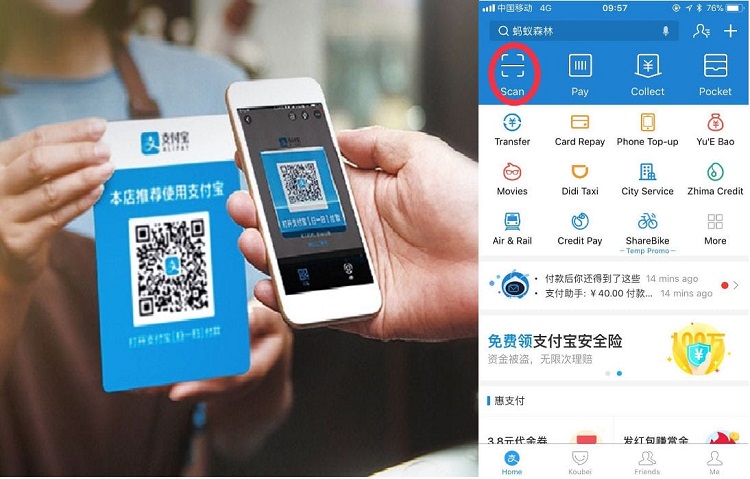
Alipay
Why You Should Still Carry Cash in Xinjiang
Even if you use Alipay for most everyday purchases, cash remains a valuable backup, particularly outside major urban areas. At traditional bazaars, roadside food stalls, small local businesses, and some rural transport services, payment options may be limited.
This can become more important when traveling through remote parts of northern or southern Xinjiang, including areas around the Pamir Plateau or the Karakoram Highway. Mobile signals may be weak, and ATMs can be harder to find once you leave larger towns.
A practical starting point is to carry around RMB 200–500 in smaller notes, adjusting the amount to your itinerary, expected expenses, and access to banking services. Replenish your cash in larger towns such as Urumqi or Kashgar before heading into remote areas. Do not assume that every vendor will be able to break a large RMB 100 note.
ATMs, Currency Exchange, and Foreign Bank Cards
International visitors may be able to withdraw Chinese yuan from compatible ATMs operated by major banks, including Bank of China and ICBC. However, foreign-card compatibility, withdrawal limits, and fees vary by bank and card issuer, so check your options before relying on an ATM.
If you need cash, withdraw enough in a major city before traveling into the mountains or countryside. Airport exchange counters can be convenient for a small initial amount, but compare the exchange rate and fees with other available options rather than exchanging all your money at once.
Foreign Visa and Mastercard payments are generally less dependable at small restaurants, local markets, and roadside businesses than mobile payments or cash. Even when a hotel accepts an international card, a deposit or pre-authorization may be subject to your bank’s rules and exchange-rate conditions. Confirm the payment arrangements directly with your accommodation before arrival.
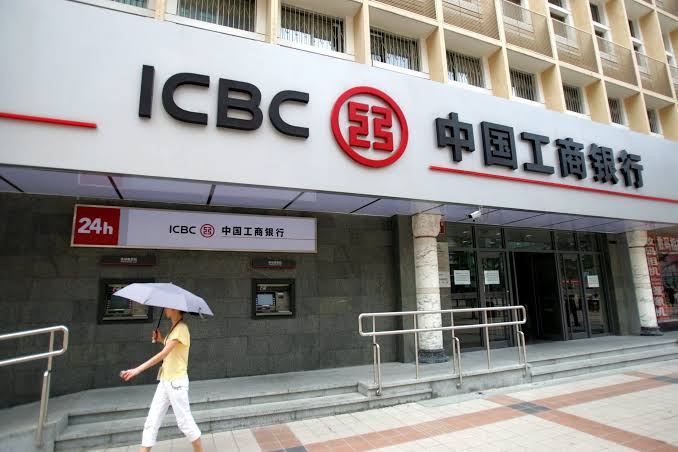
ICBC
Paying at Hotels, Markets, and Tourist Attractions
Hotels and Accommodation
Larger hotels in Urumqi and Kashgar may accept international bank cards, while smaller guesthouses and rural accommodation may have more limited options. Check whether your booking requires prepayment, whether the property accepts your card, and whether a deposit is needed.
If you are traveling to remote destinations, keep enough cash available for unexpected changes, additional transport, or accommodation arrangements. Do not assume that a foreign card will be accepted simply because the property appears on an international booking platform.
Markets and Street Food
Local markets are excellent places to experience Xinjiang’s food and culture, from naan bread and tea to hand-pulled noodles and lamb skewers. Many vendors may accept mobile payments, but smaller stalls can have different payment preferences.
If you plan to bargain, agree on the final price before paying. With cash, count the change carefully and politely. With a QR payment, check the amount displayed before confirming the transaction. Bargaining customs vary by seller and product, so approach negotiations with patience and respect.
Government Offices and Permits
If your itinerary includes a border-area destination, check the applicable permit requirements and accepted payment methods in advance. Do not assume that every government counter accepts the same payment methods or that a particular fee can only be paid in cash. Confirm the current procedure with the relevant office or your travel organizer before setting out, especially when the nearest ATM may be far away.
Staying Connected: Essential for Mobile Payments
Mobile payment apps generally need a working connection to complete transactions. A weak signal, a depleted battery, or an app that requires additional verification can make paying difficult at the wrong moment.
Before departure, consider arranging a suitable local SIM or travel eSIM, checking device compatibility, and confirming that your phone can access the services you need in China. Mobile coverage varies by provider and location, particularly in mountainous and remote areas.
Keep your phone charged, carry a power bank, and download offline maps and essential booking details. Save screenshots of important information, such as hotel addresses and reservation confirmations. A screenshot of your personal payment code may be useful in some circumstances, but do not rely on it as a guaranteed offline payment method: payment codes can expire or refresh, and transactions may still require a live connection.
What Does a Day in Kashgar Cost?
Your daily spending depends on your accommodation, dining choices, transport, and sightseeing plans. The following example illustrates a modest day of local expenses using the sample prices provided; actual costs may differ by season, location, and provider.
| Expense | Illustrative Cost |
|---|---|
| Breakfast with naan and tea | RMB 6 |
| Shared taxi across town | RMB 4 |
| Lunch, such as lagman noodles | RMB 25 |
| Optional private guide for Kashgar Old City | RMB 80 |
| Dinner with lamb skewers and bread | RMB 45 |
| Bottled water | RMB 3 |
| Total with the optional guide | RMB 163 |
This example excludes accommodation, long-distance transport, shopping, and other optional activities. Treat it as a sample budget rather than a guaranteed current price list. Carrying a mix of mobile payment options and cash can make it easier to pay for small purchases throughout the day.
Common Payment Problems and How to Avoid Them
A few simple precautions can prevent many payment headaches during your trip.
- Do not rely only on Visa or Mastercard. Small restaurants and market stalls may not accept foreign cards directly.
- Link a backup card. If your main card is declined, you will have another option.
- Carry cash outside major cities. Withdraw RMB before heading into remote areas where ATMs may be scarce.
- Keep your phone charged. Mobile payments become difficult if your battery runs out or your app needs verification.
- Check the amount before confirming. This is especially important when paying by QR code or shopping at busy markets.
- Notify your bank about your trip if necessary. Review overseas transaction settings, fraud controls, and fees before departure.
A reliable payment plan is straightforward: prepare Alipay, set up a backup option, carry cash in small denominations, and check your arrangements before traveling away from major cities.
Pre-Trip Payment Checklist for Xinjiang
Before flying to Xinjiang, take a few minutes to prepare:
- Download Alipay and complete the available setup and verification steps.
- Link two eligible bank cards if possible.
- Set up WeChat Pay as an additional option if supported.
- Bring a modest amount of RMB in smaller notes.
- Check your bank’s overseas payment and ATM withdrawal fees.
- Arrange reliable mobile connectivity and bring a power bank.
- Confirm payment requirements for hotels, transport, and any permits on your itinerary.
Preparing these essentials at home is usually easier than troubleshooting an unfamiliar payment app after arrival.
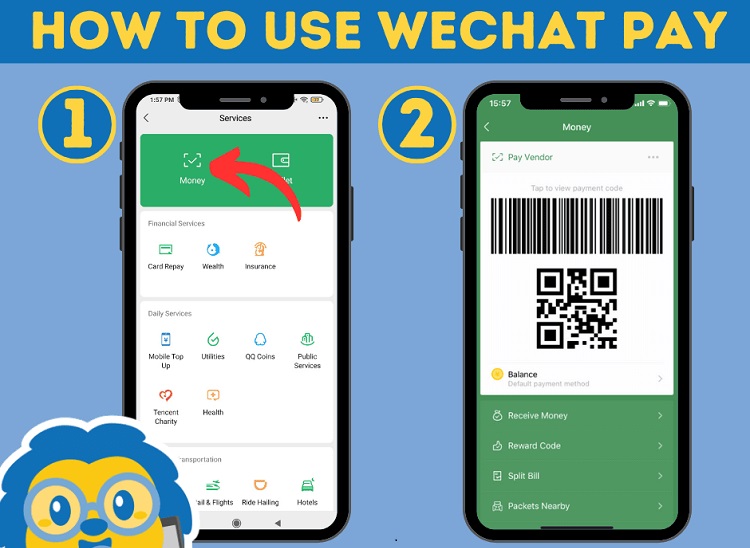
WeChat Pay
Travel in Xinjiang with China Dragon Travel
Understanding local payment options is an important part of planning a smooth trip to Xinjiang, particularly if your itinerary includes traditional markets, smaller towns, or remote mountain destinations. China Dragon Travel helps international visitors plan travel in China and organize itineraries around their destinations, transport arrangements, and practical travel needs. Before departure, confirm your accommodation’s payment policies, check the requirements for any special permits, and prepare more than one way to pay.
With Alipay ready, a backup payment method available, and some RMB in your wallet, you can spend less time worrying about transactions and more time enjoying Xinjiang’s historic cities, regional cuisine, and remarkable landscapes.