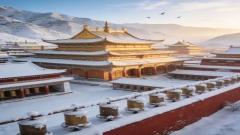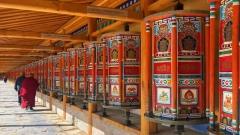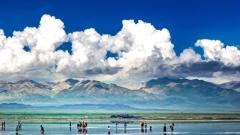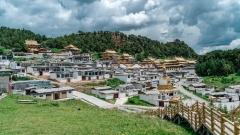

Nestled in the northwestern part of Gansu Province, Jiuquan stands as a pivotal hub along the ancient Silk Road and the strategic gateway to the Hexi Corridor. For thousands of years, this land has borne witness to bustling caravans, vibrant cultural exchanges, and the rise and fall of dynasties. It is a mesmerizing tapestry where millennia-old historical heritage intertwines with the raw, untamed beauty of the Gobi Desert, offering travelers an unparalleled blend of art, history, and natural wonder.
Must-Visit Iconic Attractions in Jiuquan
Mogao Caves
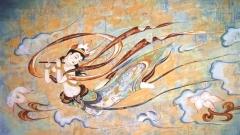
Mogao Caves, hailed as the “Pearl of Oriental Art,” is Jiuquan’s iconic attraction and the world’s largest Buddhist art repository. Built in 366 AD during the Former Qin Dynasty and expanded over ten dynasties, this UNESCO site preserves 735 caves, 45,000 square meters of murals, and 2,415 clay sculptures. Its vivid murals depict Buddhist stories, celestial beings, and ancient life, with masterpieces like the Giant Northern Buddha, Giant Southern Buddha, and “Nine-Colored Deer” tale. To protect these relics, advance booking is mandatory—reserve tickets 3-7 days in advance via the official website, as same-day tickets are scarce.
Mingsha Mountain and Crescent Lake
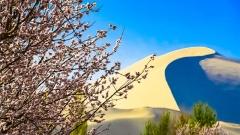
Mingsha Mountain and Crescent Lake is a unique natural wonder where golden sand dunes coexist with a never-drying clear spring. Mingsha Mountain, named for its melodious sand hum, offers camel riding, sand sledding, and hot air balloon rides. Crescent Lake, known as “the First Spring in the Desert,” reflects the dunes and sky like a mirror. The best time to visit is sunrise or sunset, when the landscape turns magical, ideal for photography. Avoid midday heat, wear sunscreen, a hat and sunglasses, and carry plenty of water for hydration in the arid desert.
Jiayuguan Pass
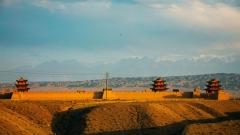
Jiayuguan Pass, the western start of the Ming Great Wall and “the First and Greatest Pass Under Heaven,” was built in 1372. Strategically located at the Hexi Corridor’s narrowest point, it has three defense layers: inner city, outer city, and moat. Its sturdy walls and towering gatehouses showcase ancient Chinese military architecture. Climbing the wall offers panoramic views of snow-capped Qilian Mountains and the Gobi. Inside, well-preserved buildings like the General’s Mansion reveal frontier life. Visit nearby First Beacon Tower and Overhanging Great Wall for a complete Great Wall experience.
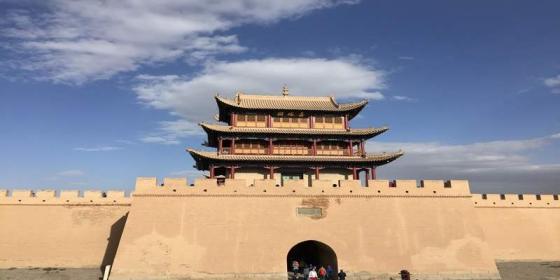
Jiayuguan Pass
Yumenguan Pass
Yumenguan Pass, immortalized in Tang poetry, was built over 2,000 years ago during Emperor Wu’s reign as the western gateway to the Western Regions and a key Silk Road hub. Today, only a square earthen wall stands in the windswept Gobi, bearing the marks of centuries of sandstorms. Despite its ruins, it exudes profound historical charm, letting visitors imagine ancient caravans and soldiers’ vigil. Nearby, Han Dynasty Great Wall ruins and Hecang City (Granary City) offer further insights into Silk Road military and economic life.
Yardang National Geopark
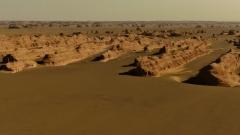
Yardang National Geopark, known as “Devil’s City,” is one of China’s top three yardang landforms. Shaped by millions of years of wind and water erosion, it has thousands of uniquely shaped earthen mounds. Strong winds produce eerie howls, earning its name. Famous formations include “Fleet Sailing Out to Sea” and “Peacock Spreading Its Tail,” lifelike especially at sunset. To explore safely, take the official sightseeing bus. Wear a face mask, goggles and sunscreen, and never enter restricted areas alone.
Hidden Gem Attractions in Jiuquan
Yulin Grottoes
Yulin Grottoes, also called Ten Thousand Buddha Gorge, is Mogao Caves’ lesser-known sister site, hidden in Guazhou’s Yulin River Valley. Built in the Northern Wei Dynasty and expanded through multiple dynasties, it has 43 caves, 5,000 square meters of murals, and 272 sculptures. Its Tang and Western Xia murals are exquisite, complementing Mogao’s art. With far fewer visitors, it offers a peaceful space to admire ancient Buddhist art and immerse oneself in the Silk Road’s profound cultural heritage without crowds.
Suoyang City Ruins
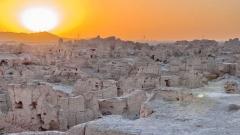
Suoyang City Ruins, a key Silk Road city, is one of China’s best-preserved Han and Tang Dynasty ruins in Guazhou’s Gobi. Originally built in the Han Dynasty as Kuyu City, it was renamed after General Xue Rengui used local suoyang as army rations. It has well-preserved inner and outer cities, with remains of palaces, temples, and gates. Numerous artifacts unearthed here reveal Silk Road’s economic and military life. Standing on the ruins, one can imagine the bustling caravans and vibrant scenes of ancient times.
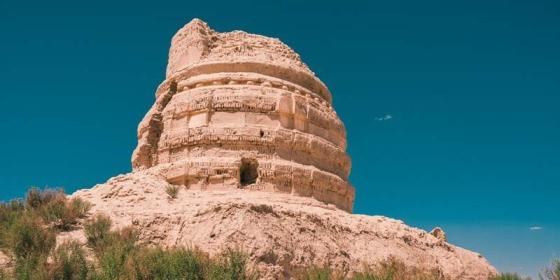
Suoyang City Ruins
Jinta Populus Euphratica Forest
Jinta Populus Euphratica Forest, Jiuquan’s stunning natural attraction, is northwest China’s largest artificial euphratica forest, covering 80,000 mu in Jinta County. Known for resilience, euphratica trees live for millennia, stand for millennia after death, and remain immortal after falling. Every mid-October to early November, their leaves turn golden, creating a breathtaking scene with the sky, lakes, and Gobi—perfect for photography. Wear light-colored clothes for better photos, as they stand out against the golden foliage and blue sky.
Western Han Jiuquan Historic Site
Western Han Jiuquan Historic Site, the origin of Jiuquan’s name, is a classical garden in downtown Jiuquan. Legend says General Huo Qubing, after a victory, poured imperial wine into a spring for his soldiers to share—naming it “Jiuquan” (Wine Spring). Today, the park preserves the ancient spring, a Huo Qubing statue, traditional pavilions, and lush gardens. It is a peaceful retreat from the city’s hustle, ideal for a leisurely stroll and learning about Jiuquan’s early history and cultural roots.
Practical Travel Guide for Jiuquan
Best Time to Visit
Jiuquan has a continental arid climate with extreme seasonal variations, so choosing the right time to visit is essential for a comfortable and enjoyable trip.
- Peak Travel Season: May to October is the best time to visit Jiuquan. During this period, the weather is mild and pleasant, with little rainfall and plenty of sunshine, making it ideal for exploring outdoor attractions. It avoids the bitter cold of winter, when temperatures can drop below -20°C (-4°F), and the scorching heat of summer, when midday temperatures can soar above 38°C (100°F).
- Best Scenery Season: September to October is the golden period for photography and sightseeing. The temperature is comfortable, with moderate day-night temperature differences, and the Jinta Populus Euphratica Forest is at its most spectacular, with golden leaves covering the entire forest.
- Important Note: Regardless of when you visit, Jiuquan has large day-night temperature differences. Even in summer, nights can be surprisingly cool, so it is always advisable to carry a warm jacket or sweater to stay comfortable in the evenings.
Transportation Options
Jiuquan has a well-developed transportation network, making it easily accessible from major cities across China.
- By Air: Dunhuang International Airport is the main airport serving Jiuquan, with direct flights to major cities such as Beijing, Shanghai, Guangzhou, Shenzhen, and Xi’an. The airport is approximately 13 kilometers from Dunhuang City and 400 kilometers from Jiuquan City. Taxis and airport shuttles are available to take you to your destination.
- By Train: The Lanzhou-Xinjiang High-Speed Railway runs through Jiuquan, with two main railway stations: Jiuquan Station and Dunhuang Station. There are frequent high-speed trains from Lanzhou, Xi’an, Urumqi, and other major cities to Jiuquan, offering a fast, comfortable, and affordable way to travel.
- By Self-Driving: Self-driving is one of the best ways to explore Jiuquan’s attractions, as it allows you to set your own pace and enjoy the stunning scenery along the way. The roads in Jiuquan are well-maintained, and all major attractions are connected by paved highways.
- By Group Tour: For travelers who prefer a hassle-free experience, group tours are an excellent option. Most group tours include round-trip transportation, entrance tickets to attractions, professional guide services, and accommodation. China Dragon Travel offers a variety of group tour packages tailored to different interests and budgets, allowing you to sit back, relax, and enjoy your trip without worrying about logistics.
Accommodation Recommendations
Jiuquan offers a wide range of accommodation options to suit every budget, from luxury five-star hotels to affordable budget guesthouses and convenient chain hotels.
- By Location: If you are mainly visiting attractions in the Dunhuang area, such as Mogao Caves and Mingsha Mountain and Crescent Lake, it is recommended to stay in Dunhuang City. The city has excellent transportation links, a wide variety of restaurants and shops, and is just a short drive from the main attractions. If you are focusing on the Jiayuguan area, staying in Jiayuguan City is the best choice, as it will save you time and transportation costs.
- Unique Accommodation Experiences: For a truly unforgettable experience, consider staying in a boutique desert guesthouse near Mingsha Mountain and Crescent Lake. Many of these guesthouses offer stunning views of the desert, and you can wake up early to watch the sunrise over the sand dunes or take a leisurely walk on the desert at sunset. Some guesthouses also offer traditional cultural activities such as camel riding, bonfire parties, and stargazing sessions, allowing you to immerse yourself in the local desert culture.
Local Cuisine Highlights
Jiuquan’s cuisine is deeply rooted in the culinary traditions of northwest China and incorporates flavors from the Silk Road, resulting in a rich and flavorful dining experience. The cuisine is characterized by its bold, savory flavors and heavy use of fresh beef and lamb.
- Must-Try Signature Dishes: Donkey Meat with Yellow Noodles is the most famous dish in Dunhuang. The chewy, hand-pulled yellow noodles are served with tender, flavorful donkey meat and a rich, savory sauce, creating a delicious and satisfying meal. Populus Euphratica Braised Cake is another classic northwest Chinese dish, where layers of flatbread are braised with tender lamb, absorbing all the delicious meat juices and spices.
- Classic Staples: Lamb Noodle Soup is a popular breakfast choice among locals and tourists alike. Made with fresh lamb simmered for hours with ginger, garlic, and spices, the soup is rich and flavorful, and served with thin, soft noodles. Jiangshui Noodles is a refreshing summer dish, made with fermented vegetable soup and cold noodles, which is perfect for beating the heat and cutting through the richness of meat dishes.
- Seasonal Specialties: In autumn, you can try dishes made with fresh suoyang and populus euphratica, which are unique to the region and have a delicate, fresh flavor. In summer, a variety of cold noodles and salads are available, providing a light and refreshing meal after a day of exploring the desert.
Important Travel Tips
To ensure a safe and enjoyable trip to Jiuquan, please keep the following tips in mind:
- Jiuquan is located in an extremely arid region with very strong ultraviolet radiation. Be sure to apply high-SPF sunscreen regularly, wear a wide-brimmed hat, polarized sunglasses, and a face mask, and drink plenty of water to stay hydrated throughout the day.
- When visiting Mogao Caves, cameras, mobile phones, and other electronic devices are strictly prohibited inside the caves. Touching the murals and sculptures is also forbidden, as even the slightest contact can cause irreversible damage to these precious cultural relics.
- When participating in desert activities such as camel riding and sand sledding, always follow the instructions of your local guide. Never venture into the deep desert alone, as it is easy to get lost and the conditions can be extremely dangerous, especially at night.
- Respect the local customs and religious beliefs of the people of Jiuquan. Dress modestly when visiting religious sites, and be polite and friendly to local residents.
Embark on an Unforgettable Journey to Jiuquan
Jiuquan, a true pearl of the Silk Road, blends ancient history with stunning natural beauty, from Mogao Caves’ magnificent Buddhist art and Mingsha Mountain’s desert wonder to Jiayuguan Pass and Yardang Geopark, each attraction telling a unique Silk Road story that caters to history buffs, nature lovers and photography enthusiasts alike. For a hassle-free trip, choose China Dragon Travel—our experienced team offers customized itineraries, handles all details from transportation to ticket reservations, letting you fully immerse in the Silk Road’s magic.