
Introduction
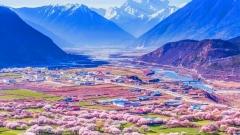
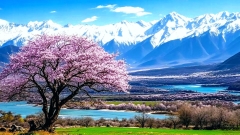
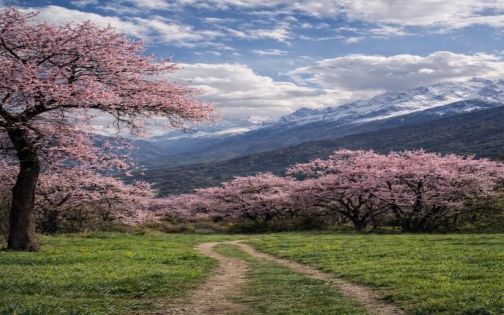
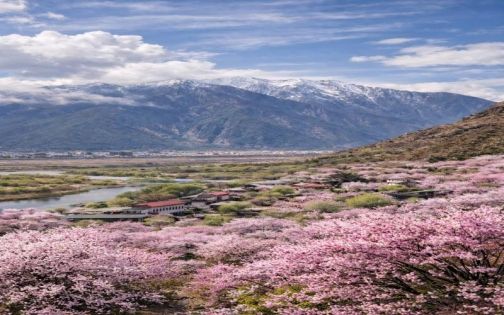
Linzhi is one of the most spectacular places in Tibet to photograph spring landscapes. From late March to early April, thousands of wild peach trees bloom across valleys, villages and riverbanks, creating a striking contrast with snow-covered mountains, blue rivers and highland farmland. However, the most memorable photos are not always taken at the most famous tourist attractions. Choosing the right photography spot, timing your visit according to the flowering season and using the right lens can make a significant difference. This guide covers the most useful Linzhi Peach Blossom Festival photography locations, including Duodang Village, Gala Peach Blossom Village, Suosong Village, the Yarlung Tsangpo Grand Canyon and Bomi Peach Blossom Valley, together with practical advice on composition, lenses, clothing, weather and travel planning.
Key Takeaways
- Best photography period: Late March to early April is generally a good period for combining peak peach blossoms with snow-covered mountain scenery, but flowering times vary by location and weather.
- Best locations for different photography styles: Duodang Village is suitable for quieter portrait photography, Gala Village offers classic festival scenes, Suosong Village is ideal for peach blossoms with Namcha Barwa, while Bomi Peach Blossom Valley is suited to large-scale wild peach blossom landscapes.
- Best time of day: Shoot before 9:00 a.m. or after 4:00 p.m. for softer natural light, more balanced exposure and better conditions for portraits.
- Recommended lenses: A 24-70mm lens is versatile for general travel photography; 14-35mm or 16-35mm lenses work well for large landscapes, while 70-200mm lenses are useful for snow mountain compression, flower details and avoiding crowds.
- Plan around weather and road conditions: Mountain weather can change quickly, especially around Namcha Barwa and the Yarlung Tsangpo Grand Canyon. Allow extra time for changing conditions and avoid rushing on mountain roads simply to catch a sunset or sunrise.
Nyingchi Peach Blossoms
When Is the Best Time to Photograph Peach Blossoms in Linzhi?
Late March to early April is a practical period for photography
The peach blossom season in Linzhi generally begins from mid to late March and continues into early April, although different areas bloom at different times because of variations in altitude, temperature and local climate. Gala Village and Duodang Village are usually among the earlier areas to enter peak bloom, while some sections of Bomi Peach Blossom Valley can remain attractive into mid-April.If your main goal is to photograph “peach blossoms + snow mountains,” check the local weather and flowering conditions about one week before departure. For photography, before 9:00 a.m. and after 4:00 p.m. are generally easier times to work with. The sunlight is softer, facial shadows are less harsh and the pink color of the flowers appears more natural.Midday light can still produce clear blue skies, but the strong high-altitude sunlight can create harsh shadows and highlights, making portraits more difficult.
Best Photography Spots for the Linzhi Peach Blossom Festival
Duodang Village: Close to Linzhi City and Suitable for Creative Photography
Duodang Village in Bujiu Township is about 20 kilometers from Linzhi City and is a practical choice for travelers who want to photograph peach blossoms without spending too much time on the road. Compared with the much more famous Gala Peach Blossom Village, Duodang Village generally offers more space and fewer visitors.The area combines peach trees, rapeseed flowers, farmland and village scenery, making it particularly suitable for portrait photography and creative shoots. Some areas may require an entrance ticket, so check the latest local arrangements before visiting.For large-scale landscape shots, an ultra-wide-angle lens such as a 14mm or 16-35mm lens can capture the peach forest, sky, valley and people in the same frame. Instead of photographing directly in front of a tree, look for paths, farmland and village buildings to create depth.
Gala Peach Blossom Village: The Main Festival Venue
Gala Peach Blossom Village is one of the most recognizable peach blossom destinations in Linzhi and serves as the main venue for the local peach blossom festival. The peach trees are densely distributed, and elevated viewpoints make it possible to photograph peach blossoms together with fields and distant mountains.The main disadvantage is the number of visitors during the festival period. Rather than using a wide-angle lens to photograph the entire crowd, consider a 70-200mm telephoto lens. You can use the shallow perspective and background compression to photograph individual peach blossoms, portraits and distant snow peaks while reducing distracting elements.
Langga Village: Reflections Along the Yarlung Tsangpo River
On the way toward Suosong Village, there are several small villages and roadside viewpoints along the Yarlung Tsangpo River. Near Langga Village, calm sections of the river can sometimes create clear reflections of the sky and clouds.This type of photography depends heavily on weather and wind conditions. When the river surface is calm, the reflections can be particularly striking. If the wind is strong, however, the effect may disappear. It is therefore better treated as a roadside photography opportunity rather than a location worth visiting solely for reflections.
Sangba Village: Terraced Fields, Peach Blossoms and the River Valley
Continuing toward Suosong Village, look for viewpoints around Sangba Village. From higher ground, photographers can capture farmland, peach trees and the Yarlung Tsangpo River valley in one composition.A 24-70mm standard zoom lens works well here. Use the wider end for environmental landscapes and switch to the longer end to compress the terraces, peach trees and distant mountains.
Yarlung Tsangpo Grand Canyon: Peach Blossoms with Namcha Barwa
The Yarlung Tsangpo Grand Canyon is one of the most important areas for peach blossom photography in southeastern Tibet. From viewpoints on the southern side of the canyon, you can look down toward peach-covered villages such as Yusong Village. When weather conditions are favorable, Namcha Barwa can also appear in the background.Weather is particularly important here. Namcha Barwa is frequently surrounded by clouds, and visibility can change quickly. Even if the mountain is hidden in the morning, it may appear later in the day. If photographing “peach blossoms + Namcha Barwa” is one of your priorities, allow enough time to wait for changing weather rather than leaving after one unsuccessful attempt.
Yusong Village: A More Natural Village Photography Experience
Yusong Village is located on the southern side of the Yarlung Tsangpo Grand Canyon and is surrounded by peach trees. Instead of photographing from a fixed observation platform, you can walk along village paths and look for combinations of peach blossoms, traditional houses, farmland and the river.This area is particularly suitable for lifestyle-style travel portraits. Ask your subject to walk slowly, look at the flowers, turn around or adjust their hair while you shoot continuously. Natural movement usually produces better results than asking someone to stand still and pose.
Suosong Village: Classic Peach Blossom and Namcha Barwa Photography
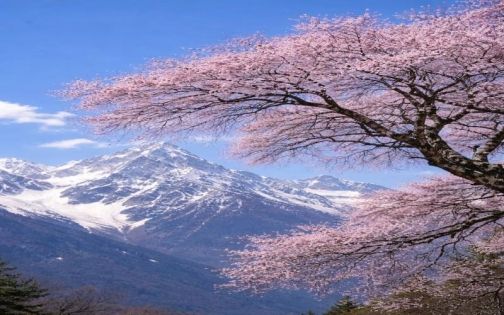
Suosong Village is one of the most famous photography locations in the Linzhi region. Its appeal comes from the combination of peach blossoms, the Yarlung Tsangpo River and Namcha Barwa rather than simply the number of flowers.Recommended areas include Peach Blossom Charm Viewpoint, Suosong Village viewpoints, old peach trees near the village entrance, the ancient tree known as “Qingbi Shijian,” and several viewpoints around the river and village.For the classic “peach blossom + Namcha Barwa” composition, use peach branches as the foreground, place the person slightly to one side and leave enough space for the mountain in the background.Suosong Village is also a popular location for sunrise and the famous golden mountain phenomenon on Namcha Barwa. If this is part of your photography plan, check the sunrise and sunset times in advance and allow sufficient waiting time.Accommodation in Suosong Village can become busy during the peach blossom season, so travelers planning to photograph sunrise or sunset should arrange accommodation ahead of time.
Niyang River Scenic Area: An Easy Stop Near Linzhi City
If you have limited time, the Niyang River Scenic Area is an easy addition to your itinerary. Along the route between Linzhi City and Milin Airport, you can find river views, green willow trees, farmland and spring landscapes.This area may not offer the largest peach blossom forests, but it is useful for travel photography. Roads, rivers, trees and people can be combined to create a strong sense of movement and location. A 24-70mm lens is sufficient for most compositions.
Nyingchi Peach Blossoms
Bomi Peach Blossom Valley: Photograph Vast Natural Peach Forests
Explore Beyond the Main Entrance
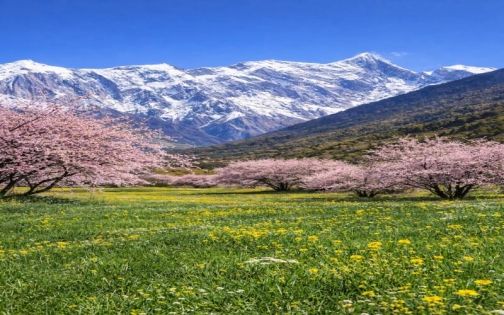
For travelers with more time, Bomi Peach Blossom Valley deserves at least one full day. Its biggest attraction is the enormous number of wild peach trees spread along valleys, villages and hillsides.The route toward areas such as Qingduo Town and Yuxu Township passes through multiple villages and valleys with different photography opportunities. Near Bakang Village, higher viewpoints can provide panoramic views of peach-covered valleys. Gutong Village is another impressive location, although some of its peach blossoms bloom earlier than other areas.If your schedule allows, continue deeper toward Yuxu Township. The landscape becomes more remote and natural, with fewer tourists in some areas and extensive wild peach forests.For Bomi, a 16-35mm wide-angle lens is useful for large landscapes, while a 70-200mm telephoto lens can compress peach blossoms and snow mountains into a more concentrated composition.
Free Peach Blossom Photography Along the Milin Airport Route
A Good Option for Road Photography
The road from Linzhi toward Milin Airport follows sections of the Yarlung Tsangpo River and passes through numerous villages and agricultural landscapes. During the flowering season, peach trees can be found along parts of the route, providing opportunities for roadside photography without entering a major tourist attraction.Villages around Milin Airport and sections of the G219 route back toward Linzhi can be particularly interesting for road-trip photography.The advantage of these locations is that the compositions feel more natural and less staged. Use the road as a leading line, place the subject on one side and use peach blossoms in the foreground to create a strong sense of depth.
How to Take Better Portraits Among Linzhi Peach Blossoms
Four Easy Compositions for Beginners
The first is the “low-angle shot under the peach tree.” Ask the subject to stand beneath the branches while the photographer lowers the camera slightly and shoots upward. This brings the person, peach blossoms and blue sky together and can also help avoid distracting crowds.The second is using “peach branches as foreground.” Place several branches close to the lens and position the subject farther away. With a wide aperture, the flowers can become soft foreground blur, creating a stronger sense of depth.The third is the “peach blossoms + snow mountain” composition. Instead of placing the person directly in front of the mountain, position them slightly to one side. This leaves enough space for both the flowers and the mountain and creates a more balanced image.The fourth is using paths and farmland as leading lines. Let the subject walk slowly along a path, then capture moments such as looking back, smiling or turning naturally. This creates a stronger travel-story feeling than a static pose.
Clothing and Natural Poses
White, beige, light blue and simple red accessories such as scarves work particularly well against pink peach blossoms. Wearing an entirely pink outfit can sometimes blend too closely with the flowers, while lighter neutral colors create clearer separation.If you are uncomfortable posing, try simple movements instead: looking at flowers rather than the camera, turning sideways and looking back, adjusting your hair, lightly touching a branch, walking away and turning around, or sitting naturally beside a tree.The photographer can use continuous shooting to capture small movements rather than asking the subject to hold a fixed pose.
Nyingchi Peach Blossoms
Which Camera Lenses Should You Bring?
Wide-Angle Lenses for Landscapes and Telephoto Lenses for Snow Mountains
If you only want to carry one lens, a 24-70mm zoom is one of the most versatile choices for Linzhi. It can cover portraits, villages, flowers and landscapes without frequent lens changes.A 16-35mm or 14mm ultra-wide-angle lens is useful for large scenes containing peach forests, snow mountains, rivers and valleys. It is especially useful in Duodang Village and Bomi Peach Blossom Valley.A 70-200mm telephoto lens becomes valuable when photographing Namcha Barwa or shooting at crowded festival locations. It can compress the distance between peach blossoms and mountains, isolate individual branches and reduce unwanted background elements.
Practical Tips for Peach Blossom Photography in Linzhi
Protect Yourself from High-Altitude Sun and Changing Weather
The spring sun in Tibet can be strong even when temperatures feel cool. Bring sunscreen, sunglasses, a sun hat and lip balm. Layered clothing is recommended because temperatures can change considerably between morning and afternoon.Many photography locations are located near mountain roads, rivers and villages. Do not stand in the middle of roads, approach unstable cliff edges or enter farmland simply to find a better angle. When photographing inside villages, respect local residents and avoid breaking branches, climbing old trees or entering private property without permission.For self-driving travelers, mountain roads around Bomi, Suosong Village and the Grand Canyon can include narrow sections and sharp bends. Spring weather can also bring rain or snow to some higher areas. Avoid planning every minute of the day around sunset photography, especially when driving unfamiliar mountain roads.
How to Plan a Linzhi Peach Blossom Photography Trip
A 3-Day Photography Route
With three days, you can combine Linzhi City, Duodang Village, Gala Peach Blossom Village and the Niyang River during the first part of the trip, then continue toward the Yarlung Tsangpo Grand Canyon and Suosong Village for peach blossoms and Namcha Barwa.
A 5-6 Day Photography Route
With five to six days, you can slow down and combine Linzhi, Milin, the Grand Canyon, Suosong Village and Bomi Peach Blossom Valley. This gives you more flexibility to adjust your schedule according to flowering conditions and weather.If portraits are your priority, focus more on Duodang Village and Yusong Village, where you can find more open compositions and natural village environments. If your goal is snow mountain photography, prioritize Suosong Village and the Yarlung Tsangpo Grand Canyon. If you want large-scale wild peach forests, allow sufficient time for Bomi Peach Blossom Valley.The best Linzhi peach blossom photographs are not simply close-ups of flowers. The real character of the region comes from the combination of pink peach blossoms, snow-covered mountains, rivers, villages and highland farmland.Instead of spending the entire day at one crowded festival venue, consider combining Duodang Village, Suosong Village, the Yarlung Tsangpo Grand Canyon, the Milin area and Bomi Peach Blossom Valley according to the flowering season and weather. With the right timing, lens and composition, you can capture a much more complete picture of spring in southeastern Tibet.
Nyingchi Peach Blossoms