
For many travelers planning to visit Tibet, Kailash and Everest Base Camp are two of the most appealing names, but they often lead to a dilemma. One is regarded as the cosmic center of multiple religions, while the other lies at the foot of the world’s highest peak. When your vacation time and physical strength only allow you to focus on one of them, which is more worth visiting? There is no standard answer to this question—it entirely depends on what you most want to gain from the trip. This article will clearly compare the core experiences of these two places, the costs involved (including time, physical strength and money), and who they are suitable for, helping you make a choice that fits you with practical information.
Mount Kailash vs Everest Base Camp – Cultural Immersion vs. Natural Wonder
Before making a choice, it is first necessary to recognize that Kailash and Everest Base Camp offer two distinct travel values.
Kailash: A Hiking Journey Centered on Faith
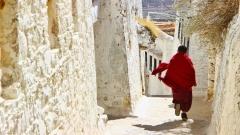
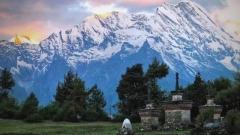
Its primary significance is not sightseeing, but participating in an ancient cultural and religious practice. The kora—hiking around the sacred mountain once—is the core experience that almost everyone must have here. This is a long-distance hike at an altitude exceeding 4,000 meters, where you will encounter a large number of pilgrims, see countless prayer flags and mani stones, and stay in simple guesthouses. Landscapes (snow-capped mountains, lakes) are important backdrops, but the focus of the trip is to personally immerse yourself in that strong spiritual atmosphere and cultural traditions. If you have an interest in exploring Tibet’s religious beliefs and lifestyle, this place will bring you profound touches.
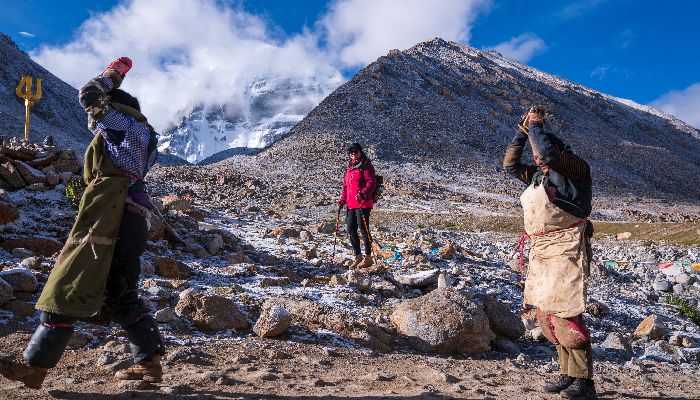
Kailash
Everest Base Camp: A Journey to Witness the Pinnacle of the Earth
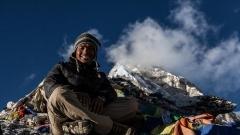
Its goal is very straightforward: to see and get as close as possible to Mount Everest in person. The journey is mainly by car, ultimately reaching the camp at an altitude of about 5,200 meters. The experience here is focused on visual shock—the intense feeling when you see the world’s highest peak standing in front of you. The atmosphere of the camp is more inclined to adventure and geographical achievement; you will see climbers’ camps and feel that you are standing at a iconic geographical coordinate. This is a trip centered on pursuing top-level natural landscapes and checking in at landmarks.
In short: Choose Kailash if you focus on cultural experience and spiritual feelings; choose Everest Base Camp if you focus on stunning natural landscapes and geographical significance.
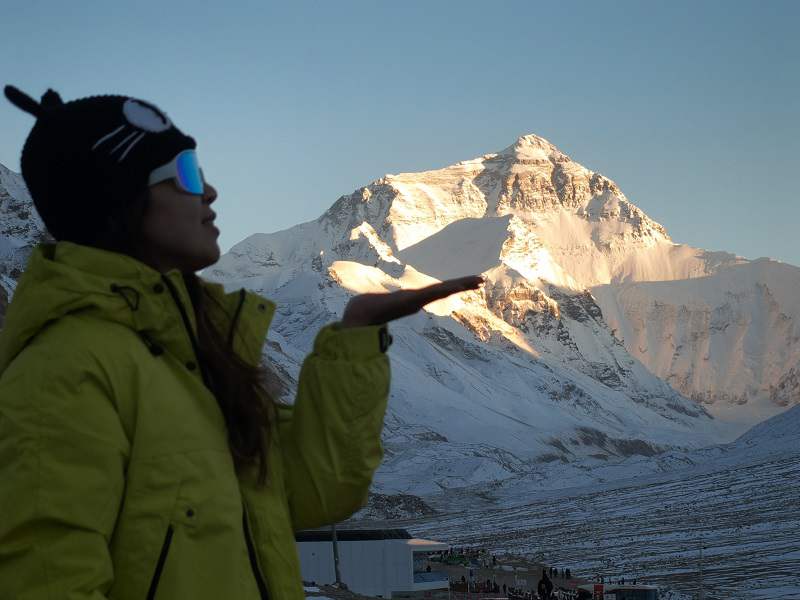
Sunrise Over Everest
Detailed Travel Guide to Kailash
Location and Core Activities
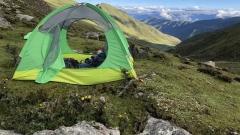
Kailash is located in the Ngari region in western Tibet, in a very remote location. It takes at least 2-3 days just to reach the foot of the mountain by car from Lhasa. The core activity is the kora. The full outer kora route is about 52 kilometers long and usually takes 2 to 3 days to complete, with the highest point being the Drolma La Pass at an altitude of 5,630 meters. This is a high-altitude hike that requires physical fitness and willpower.
What You Will See and Experience
– Diverse natural landscapes: In addition to the sacred mountain itself, you will also pass by Lake Manasarovar, Lake Lhanag-tso, as well as vast plateau wilderness and river valleys.
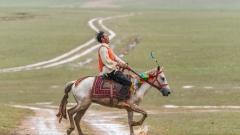
– In-depth cultural contact: You can stop or stay at several important monasteries along the way, and observe the daily life and rituals of pilgrims up close.
– Unique travel atmosphere: On the entire kora route, no matter where you are from, everyone has a common goal. This simple sharing and greeting is hard to experience in ordinary scenic spots.
Who Is It Suitable For
– People who have a sincere interest in Tibet’s religion, history and culture and are willing to spend time understanding them.
– People with good physical fitness who like or can accept multi-day hiking as a travel method.
– People who do not mind the hardships of the journey and can adapt to the very basic accommodation and catering conditions along the way.
Practical Information to Know in Advance
– High time and money costs: Just traveling to and from the Ngari region takes a long time, and the overall itinerary usually requires 12-15 days or more.
– Strict physical requirements: Hiking at high altitude for several consecutive days is not an easy activity; you need to exercise in advance and fully acclimatize to the plateau.
– Limited living conditions: The guesthouses on the kora route are mainly dormitories with simple meals and difficult bathing conditions. You need to make psychological and material preparations.
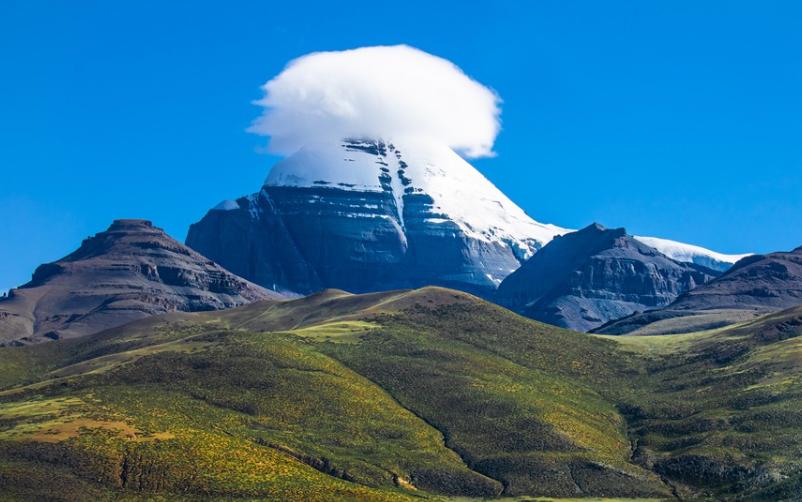
Detailed Travel Guide to Everest Base Camp
Location and Core Activities
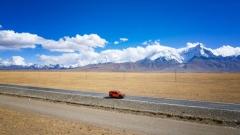
Everest Base Camp is located in Tingri County, Xigaze City. Starting from Lhasa, traveling by car is the main way, and the overall itinerary is much shorter than going to Ngari. The core activity is to reach the camp by car and watch Mount Everest there. You will pass through the famous winding mountain road, overlook the continuous snow-capped mountains at several viewing platforms, and finally reach the camp area accessible to tourists, where you will stay overnight to wait for the sunrise and sunset of Mount Everest.
What You Will See and Experience
– Exciting scenery along the way: On the way to the camp, you can see multiple 8,000-meter-class snow-capped peaks at the same time from Gawula Pass, and the scenery is extremely spectacular.
– Face-to-face shock of the peak: At the camp, the huge mountain of Mount Everest seems to be close at hand, especially on clear mornings or evenings, the scenery is very shocking.
– Adventure environment experience: Being in the climbers’ base camp, you can see the logistics scene of mountaineering activities and feel a unique atmosphere of geographical edge.
Who Is It Suitable For
– People who take “seeing Mount Everest in person” as an important travel goal.
– Travelers who hope for a relatively compact itinerary and do not like or cannot carry out long-distance hiking.
– Photography enthusiasts who have a special passion for shooting snow-capped mountain scenery.
Practical Information to Know in Advance
– Experience is decisively affected by weather: If the weather is bad and the mountain peak is covered by clouds, you may not see anything, which is the biggest risk.
– Altitude sickness may be more severe: The camp is at an altitude of about 5,200 meters, and you need to stay overnight here. It is an extremely high altitude point that ordinary travelers can reach, and the probability of severe altitude sickness is higher.
– Relatively single activity content: The core of the trip is to see the mountain and the scenery along the way, with less cultural experience content, and the scope of free activities at the camp is also limited.
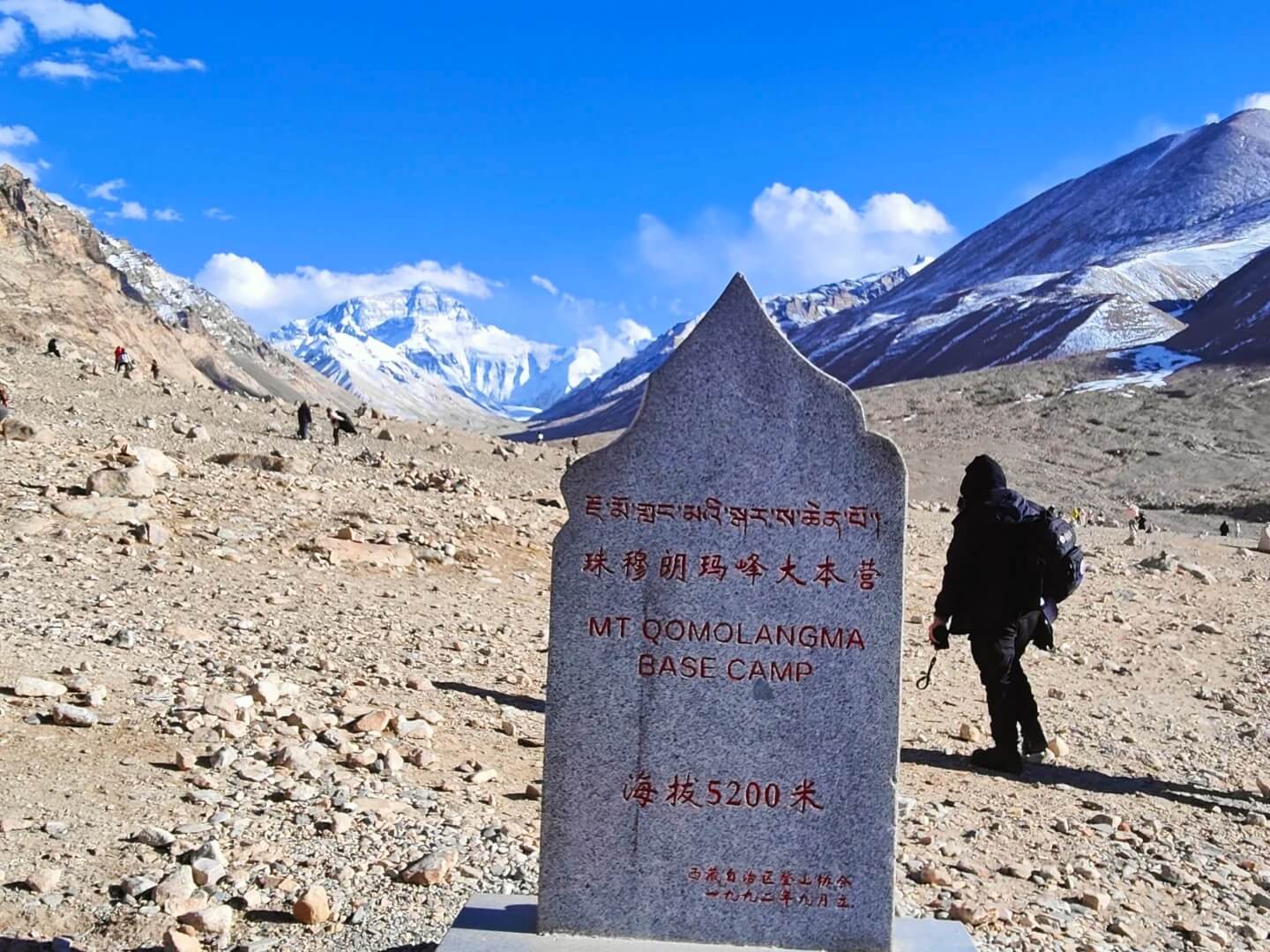
Mount Everest
Direct Comparison in Five Practical Dimensions
For a clearer choice, you can make a direct comparison from the following five aspects.
- Required Travel Time
– Kailash: Starting from Lhasa, completing the kora and round trip requires at least 8-12 days.
– Everest Base Camp: Starting from Lhasa, the standard itinerary is 4-5 days.
– Comparison result: Choose Everest Base Camp if you have a short vacation; consider Kailash only if you have a sufficient long vacation.
- Physical Requirements
– Kailash: Requires the ability to hike at high altitude for consecutive days, testing endurance, cardiopulmonary function and perseverance.
– Everest Base Camp: Requires the ability to adapt to activities and overnight stays in an extremely high altitude (5,200 meters) environment, testing the body’s tolerance to low oxygen environments.
– Comparison result: If you exercise regularly, can hike but are not sure if you can tolerate extremely high altitudes, you can consider Kailash; if you are afraid of long walks but want to experience high altitudes, choose Everest after careful evaluation.
- Focus on Landscape and Culture
– Kailash: Focus on cultural experience, with natural landscapes as a supplement. Mountains and lakes are more meaningful because of cultural stories.
– Everest Base Camp: Focus on natural landscapes, almost purely for sightseeing. Cultural sites such as Rongbuk Monastery are foils to the landscapes.
– Comparison result: Choose Kailash if you want to deeply understand the culture; choose Everest if you pursue visual shock.
- Impact of Weather on the Journey
– Kailash: The best season is from May to early October. Bad weather will make hiking difficult and dangerous, but the kora activity itself is carried out in all kinds of weather.
– Everest Base Camp: The best viewing period is April-May and September-October. Cloudy or snowy weather will completely hide the main peak, leading to the loss of core experience.
– Comparison result: If you have an absolute requirement for “seeing” the peak, you need to focus on the weather risk of Everest; if you have a higher tolerance for weather, you can choose Kailash according to the season.
- Approximate Cost Range
– Kailash: Due to the long distance and long time, the overall cost is usually higher. The cumulative cost of transportation, guide and multi-day accommodation and meals is a considerable expense.
– Everest Base Camp: As a mature short-distance route, the overall cost is relatively low and more fixed.
– Comparison result: If your budget is very limited, Everest Base Camp is easier to achieve; if your budget is sufficient, weigh other conditions.
Three Steps to Make a Choice
Faced with the question of which is more worth visiting between Kailash and Everest Base Camp, you can find the answer by following these three steps.
Step 1: Clarify Your Primary Travel Motivation
Calm down and ask yourself: What do I most want to get from this Tibet trip? If the answer is “experience a different culture”, “complete a meaningful challenge” or “feel the religious atmosphere”, then Kailash is more suitable. If the answer is “see the world’s highest peak in person”, “take the most spectacular snow-capped mountain photos” or “reach a geographical landmark”, then Everest Base Camp is more matching.
Step 2: Objectively Evaluate Your Own Conditions
– Time: Take out your calendar and calculate the number of actual available vacation days. If it is less than 10 days, choose Everest; if it is more than 12 days, both options are possible.
– Physical fitness and health: Honestly assess your physical fitness and past plateau experience. Consult a doctor to understand if your body can cope with the corresponding challenges.
– Budget: Calculate your total travel budget. Long-distance trips to Ngari are generally more expensive than short-distance trips to Everest.
Step 3: Accept the Imperfections of Each Choice
Every choice requires compromise. Choosing Kailash means accepting the fatigue of long-distance travel and harsh accommodation conditions. Choosing Everest Base Camp means bearing the risk of not seeing the peak due to weather and discomfort from extremely high altitude. Figuring out which kind of imperfection you can least accept often allows you to eliminate one option.
In the end, the best choice for you is the one that best meets your inner desires and is within your actual capabilities (time, physical strength, budget). If you still have doubts after weighing, you can inform experienced agencies like China Dragon Travel of your specific situation (such as vacation length, physical condition, interests), and they can usually give professional advice more suitable for your personal situation.
Mount Kailash or Everest Base Camp – Which Is Right for You?
To finally decide which is more worth visiting between Kailash and Everest Base Camp, you only need to grasp three key judgment points:
- First, look at your travel theme. Choose Kailash if you want a in-depth cultural experience combined with hiking. Choose Everest Base Camp if you want a journey centered on viewing iconic natural landscapes.
- Second, look at your objective conditions. Do you have enough time (more than 12 days)? Is your physical fitness sufficient to complete multi-day high-altitude hiking? If the answer is no, Everest Base Camp is a more reliable and realistic choice.
- Third, look at your risk preference. Can you accept a hard journey and simple accommodation and meals? If yes, you can consider Kailash. Can you accept spending money and time but possibly not seeing the main peak due to weather? If yes, you can consider Everest Base Camp.
The right choice depends on your priorities: pick Mount Kailash for a culturally immersive, multi-day pilgrimage that emphasizes spiritual experience and sustained high-altitude trekking; pick Everest Base Camp if your main goal is to witness the world’s highest peak and you prefer a shorter, scenery-focused trip (note: the base-camp area sits at extreme altitude and weather can determine visibility). List your available days, fitness level and tolerance for high-altitude risk, then follow the article’s three-step method to decide.