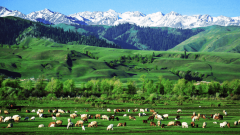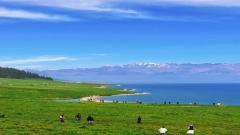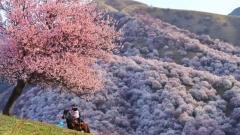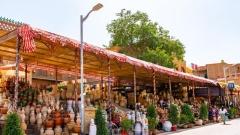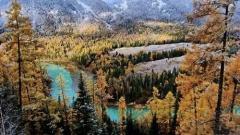

Xinjiang is one of China’s most geographically diverse regions, featuring spectacular destinations such as Kanas Lake, Hemu Village, the Ili grasslands, and Kashgar Old Town. However, because Xinjiang shares international borders with several neighboring countries, travelers sometimes ask: Which places in Xinjiang are off-limits to foreigners?
The answer is not as simple as labeling an entire city or region as prohibited. Many popular tourist destinations can be visited by foreign travelers, while certain border areas require additional permits. Other locations, particularly military facilities and specially controlled areas, may be inaccessible without specific authorization.
Key Takeaways
- Many popular destinations in Xinjiang welcome foreign visitors, subject to local regulations.
- Some border areas require additional permits before entry.
- Baihaba and parts of Tashkurgan require careful route and access checks.
- Military facilities, restricted border zones, and unauthorized crossing points must not be entered without permission.
- Always verify current regulations and document requirements before departure.
Which Areas in Xinjiang May Restrict Foreign Visitors?
1. Border Management Areas and Certain Border Villages
Xinjiang shares borders with several countries, and some counties, villages, and roads fall within designated border management areas. Holding a valid passport and Chinese visa does not automatically grant access to every location in these areas.
For example, Baihaba Village in Altay Prefecture and certain routes in Tashkurgan Tajik Autonomous County, Kashgar Prefecture, are destinations where travelers should verify access requirements in advance.
This does not mean that every part of these regions is closed to foreigners. Restrictions may apply to specific villages, roads, or border-adjacent locations rather than the entire administrative area.
Some border management areas require an electronic Border Management Area Pass. Other locations that are not open to foreign visitors may require additional authorization or may remain inaccessible to certain travelers. Even if a scenic area sells admission tickets, visitors should confirm that they are personally eligible to enter.
2. Military Facilities, Border Crossings, and Specially Controlled Areas
Certain locations in Xinjiang are subject to special controls for national security, military management, or border protection. Travelers must not enter military facilities, restricted border zones, or unauthorized border crossings without the required permission.
When traveling near an international border, do not assume that every road shown on a navigation app is open to tourists. Some routes have checkpoints or may be subject to temporary access restrictions.
If your itinerary includes remote mountain roads, border highways, or areas near a border crossing, confirm that the intended route is open to visitors before setting off.
3. Destinations Requiring Additional Approval
Access to a scenic area and permission to enter a border management zone are not necessarily the same thing. A destination may welcome tourists while access to a nearby village, road, or border area remains subject to additional requirements.
For this reason, travelers should not rely solely on older travel blogs or online reports. Information about a destination’s previous opening status may no longer reflect the rules that apply on your travel dates.
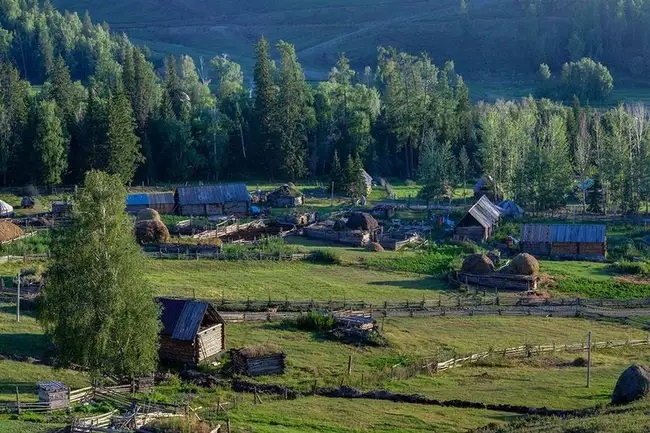
Baihaba Village
Can Foreigners Visit Kanas, Hemu, and the Ili Grasslands?
Xinjiang is not generally closed to foreign tourism. Urumqi, Turpan, Kashgar Old Town, the Ili Valley, and many established scenic destinations can often be included in ordinary tourist itineraries, provided visitors meet the relevant requirements and confirm local access conditions.
- Kanas Lake and Hemu Village: These are popular destinations in northern Xinjiang. If you plan to continue to Baihaba or other border management areas, check the additional access and transportation requirements.
- The Ili Grasslands: Many established sightseeing routes can be included in a Xinjiang itinerary. However, specific locations near the border may have separate access restrictions.
- Kashgar Old Town: This is a well-known cultural destination. If your journey continues toward Tashkurgan or the area around Khunjerab Pass, verify the relevant documents and route requirements.
- Urumqi and Turpan: These cities are common stops on Xinjiang sightseeing itineraries. Nevertheless, check the current opening status of individual attractions and the identification requirements for accommodation.
The key point is that being allowed to visit a city does not automatically mean that every location within its administrative boundaries is open to foreign visitors.
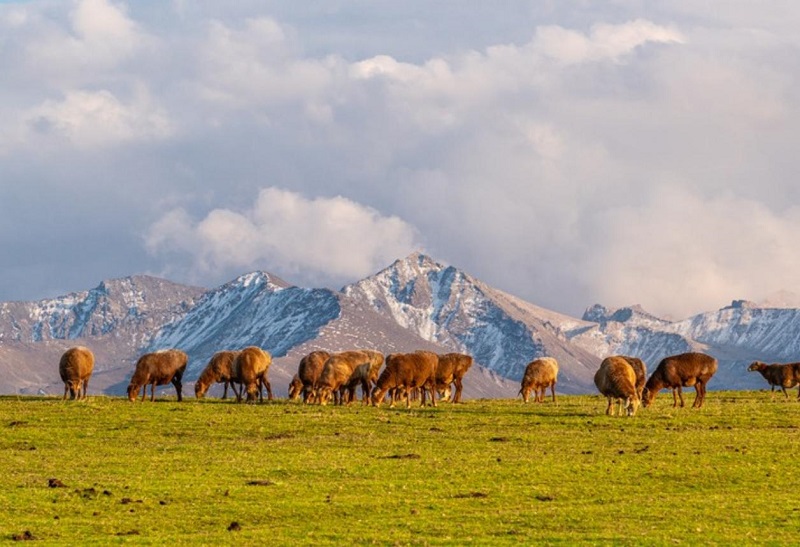
Ili Karakol Grassland
Do Foreigners Need a Border Permit to Visit Xinjiang?
Whether you need an additional permit depends on your itinerary and whether your destination falls within a regulated border management area. Ordinary city sightseeing and travel to border regions should be assessed separately.
Mainland China introduced an electronic Border Management Area Pass system on April 15, 2026. Under the applicable procedures, foreign visitors who need to enter designated border management areas should apply through the relevant public security exit-entry administration authority or designated police station, following the requirements for their circumstances.
Some border management areas that are not open to foreign visitors may also require additional authorization, such as a Foreigners’ Travel Permit, where applicable. Obtaining an ordinary border permit does not automatically grant access to every restricted location.
Before departure, confirm the following:
- Whether your destination is within a designated border management area.
- Whether an electronic Border Management Area Pass or other authorization is required.
- Whether foreign passport holders are eligible to enter.
- Which documents are needed and where the application must be submitted.
- Whether the authorization covers your intended villages, roads, and attractions.
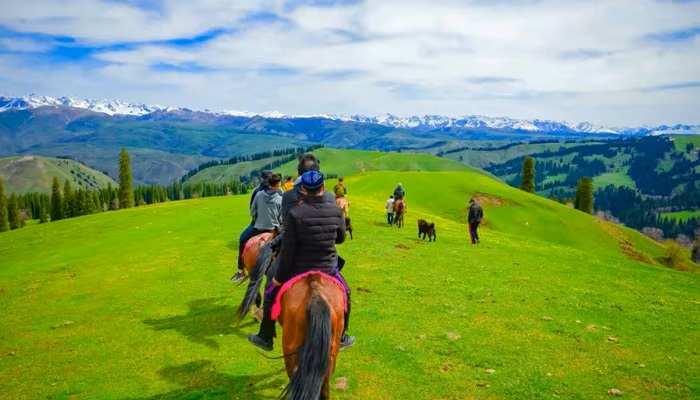
How Can Foreign Visitors Avoid Access Problems When Planning a Xinjiang Trip?
Xinjiang’s attractions are spread across a vast area. Discovering that a planned destination is inaccessible after arrival can disrupt your itinerary and lead to unexpected transportation or accommodation costs.
First, distinguish ordinary tourist destinations from border management areas. Next, confirm foreign visitor eligibility with the relevant authorities or a travel agency experienced in the applicable arrangements. Do not rely exclusively on older online information.
If your itinerary includes Baihaba, Tashkurgan, or the area around Khunjerab Pass, allow extra time to verify document requirements and access arrangements.
Travelers unfamiliar with Xinjiang’s routes and local requirements may also contact China Dragon Travel to discuss itinerary planning and transportation options. For destinations involving border controls or special authorization, however, the final decision must be based on confirmation from the relevant authorities.
Before paying for a trip, clarify which arrangements have been confirmed and which remain subject to official approval.
Xinjiang Is Not Entirely Off-Limits to Foreigners
When asking which places in Xinjiang are off-limits to foreigners, it is important to distinguish between ordinary tourist destinations, border areas requiring additional permits, and specially controlled locations that cannot be entered without authorization.
A destination’s proximity to an international border does not automatically mean that the entire area is closed to foreign visitors. Conversely, a scenic area’s general opening does not guarantee that every traveler is eligible to enter all nearby locations.
Before planning your trip, verify the destination’s current access status, confirm that your documents meet the applicable requirements, and determine whether additional permits are necessary. Once these details are settled, you can arrange transportation and accommodation with greater confidence and reduce the risk of last-minute changes.
If you need assistance exploring Xinjiang routes and transportation options, China Dragon Travel is one travel service provider you can contact when planning your journey.