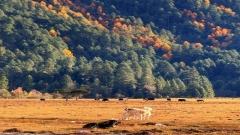

For many travelers, visiting Tibet is more than just a vacation—it is a once-in-a-lifetime adventure.
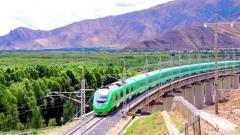
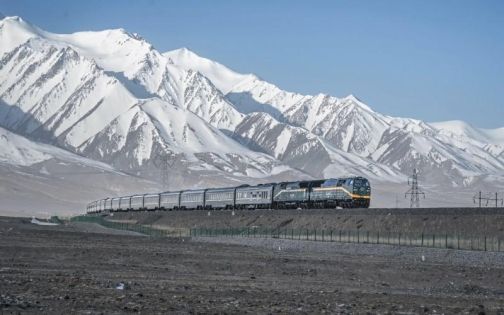
While some people choose to fly directly to Lhasa, experienced travelers often recommend taking the Qinghai–Tibet Railway. As the train gradually enters the vast wilderness of Hoh Xil, crosses the Tanggula Pass at an altitude of 5,072 meters, and passes snow-capped mountains, grasslands, turquoise lakes, and herds of Tibetan antelope, you’ll realize that the journey itself is already one of the highlights of Tibet.
If you’re planning to travel from Xining to Lhasa by train, this guide covers everything you need to know, including train options, ticket booking tips, sleeper classes, scenic highlights, altitude sickness advice, and essential travel preparations.
Qinghai–Tibet Railway
Why Take the Qinghai–Tibet Railway Instead of Flying?
One of the biggest advantages of traveling to Tibet by train is gradual acclimatization to the increasing altitude.
Xining sits at approximately 2,275 meters above sea level, while Lhasa is about 3,650 meters. The gradual ascent allows your body more time to adjust, making it a popular choice for first-time visitors.
The Qinghai–Tibet Railway is also an engineering marvel. It is the highest railway in the world, crossing permafrost regions, remote wilderness areas, and some of the harshest high-altitude environments on Earth.
Along the route, you’ll pass:
- Qinghai Lake
- Kunlun Mountains
- Hoh Xil Nature Reserve
- Tuotuo River
- Tanggula Pass
- Cuona Lake
- Nagqu Grasslands
- Nyenchen Tanglha Mountains
Many travelers believe the scenery along the Qinghai–Tibet Railway rivals any road trip in Tibet.
Which Xining–Lhasa Train Should You Choose?
The three most popular train services from Xining to Lhasa are Z8981, Z8991, and Y929.
Z8981 – Best for Daytime Scenery
Departure: 12:50 PM
Arrival: 10:25 AM the next day
Duration: Approximately 21 hours 35 minutes
Major Stops:
- Delingha
- Golmud
- Budongquan
- Amdo
- Nagqu
Best For:
- Photography enthusiasts
- Travelers who prefer daytime views
- Scenic train lovers
Highlights:
This train allows passengers to enjoy the afternoon and sunset scenery across the Qinghai Plateau, making it a favorite among photographers.
Z8991 – Best Overall Choice
Departure: 10:00 PM
Arrival: 6:26 PM the next day
Duration: Approximately 20 hours 26 minutes
Major Stops:
- Golmud
- Budongquan
- Tuotuo River
- Amdo
- Nagqu
Best For:
- First-time visitors to Tibet
- Travelers with limited time
- Those seeking maximum efficiency
Highlights:
Z8991 is currently the fastest train from Xining to Lhasa. You can sleep through the night and wake up as the train enters the most spectacular section of the Qinghai–Tibet Plateau.
For most travelers, this is the most recommended option.
Y929 – Slow Travel Experience
Departure: 11:15 PM
Arrival: 9:07 PM the following day
Duration: Approximately 21 hours 52 minutes
Best For:
- Leisure travelers
- Slow-paced journeys
- Travelers who want the full railway experience
Highlights:
Y929 offers a more relaxed pace and allows passengers to fully immerse themselves in the atmosphere of the Qinghai–Tibet Railway.
Qinghai–Tibet Railway
The Real “Most Beautiful Tibet Train”: Z165 / Z164
If you cannot secure tickets for the dedicated Xining–Lhasa trains, many experienced travelers recommend Z165/Z164.
This train originates in Shanghai and travels through:
- Suzhou
- Wuxi
- Nanjing
- Xuzhou
- Zhengzhou
- Xi’an
- Lanzhou
- Xining
- Golmud
- Nagqu
- Lhasa
Total Journey Time:
Approximately 45 hours.
Although the trip is longer, its schedule often provides the best daylight conditions for viewing the most scenic parts of the Qinghai–Tibet Plateau. For this reason, many photographers consider it the most beautiful train route to Tibet.
Some travelers even fly directly to Xining and board the train there, since the most spectacular scenery begins after leaving Xining.
Scenic Highlights Along the Qinghai–Tibet Railway
Times may vary slightly depending on season and train schedules.
Golmud
Around 9:00 PM
Altitude: Approximately 2,800 meters
This is where the train prepares for the high-altitude section of the journey.
Hoh Xil (Kekexili)
Approximately 2:00 AM–5:00 AM
One of China’s largest uninhabited regions.
You may spot:
- Tibetan antelope
- Wild yaks
- Tibetan wild donkeys
Wildlife sightings are especially common during summer.
Tuotuo River
Approximately 4:00 AM–7:00 AM
Known as the source region of the Yangtze River and part of the Sanjiangyuan ecosystem.
Tanggula Pass
Approximately 5:30 AM–9:00 AM
Altitude: 5,072 meters
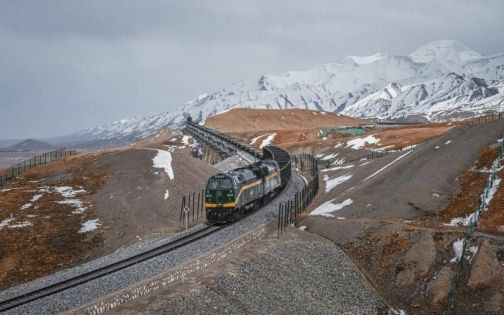
The highest point of the Qinghai–Tibet Railway and often the first 5,000-meter mountain pass travelers ever cross.
Cuona Lake
Approximately 7:00 AM–10:00 AM
One of the most beautiful lakes along the route.
At certain points, the railway runs only a few dozen meters from the shoreline.
On sunny days, the lake shines with stunning shades of blue and turquoise.
Nagqu Grasslands
Morning to midday
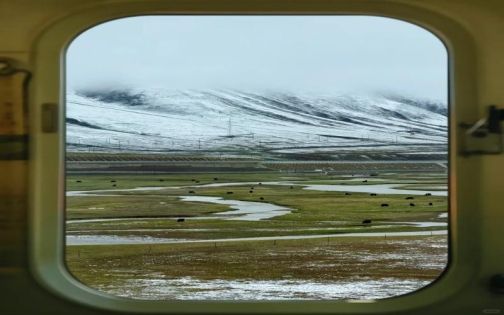
One of northern Tibet’s most iconic landscapes, featuring vast grasslands dotted with yaks and sheep.
First View of Potala Palace
About 30–40 minutes before arriving in Lhasa
Many passengers gather by the windows to catch their first glimpse of the Potala Palace, one of the most memorable moments of the journey.
How to Get Train Tickets Successfully
The Qinghai–Tibet Railway is one of China’s most popular train routes.
Tickets are especially difficult to obtain during:
- Summer holidays
- National Day Golden Week
- School vacations
Book Early
Tickets generally become available 14 days before departure.
Tips:
- Create your account in advance.
- Save passenger information beforehand.
- Be online the moment tickets are released.
Use Waitlist Services
If tickets sell out, join the official waitlist immediately.
Many travelers successfully secure tickets through cancellations and schedule changes.
Difficulty Ranking
Soft Sleeper > Hard Sleeper > Hard Seat
Soft sleeper tickets are usually the first to sell out.
Which Class Should You Choose?
Soft Sleeper
Starting from approximately ¥781
Advantages:
- Four-berth private compartment
- More privacy
- Quieter environment
- Better rest
Recommended For:
- First-time Tibet travelers
- Older travelers
- Long-distance journeys
Hard Sleeper
Starting from approximately ¥495
Advantages:
- Best value for money
- Most popular option
Recommended For:
- Budget-conscious travelers
- Young adventurers
Hard Seat
Starting from approximately ¥224
Advantages:
- Cheapest option
Disadvantages:
- More than 20 hours of sitting
- Much less comfortable
Generally not recommended unless budget is the primary concern.
Qinghai–Tibet Railway
Is Altitude Sickness a Serious Problem?
Most travelers experience only mild symptoms.
Common symptoms include:
- Headaches
- Shortness of breath
- Increased heart rate
- Mild insomnia
- Reduced appetite
All Qinghai–Tibet trains are equipped with oxygen supply systems.
Each berth also has an individual oxygen outlet.
If you feel uncomfortable, simply ask the train staff for an oxygen tube.
Most mild symptoms improve after rest and oxygen support.
Essential Packing List for the Qinghai–Tibet Railway
Documents
- Passport
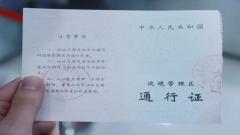
- Tibet Travel Permit (for foreign travelers)
- Train tickets
Daily Necessities
- Thermos bottle
- Power bank
- Wet wipes
- Foldable slippers
- Earplugs
- Eye mask
High-Altitude Essentials
- Sunglasses
- Sunscreen
- Lip balm
- Moisturizing spray
- Glucose supplements
Snacks
- Instant noodles
- Bread
- Nuts
- Energy bars
- Self-heating meals
Many travelers are grateful they packed extra snacks once the train passes Golmud.
Is Taking the Train to Tibet Worth It?
If you’re wondering whether to fly directly to Lhasa or take the train, the answer depends on what kind of travel experience you’re seeking.
A flight gets you to Tibet quickly.
The Qinghai–Tibet Railway turns the journey itself into part of the destination.
As the train rolls through Hoh Xil, crosses the Tanggula Pass, and passes the breathtaking blue waters of Cuona Lake, you’ll understand why so many travelers consider this one of China’s most unforgettable railway journeys.
For many people, Lhasa may be the destination—but the Qinghai–Tibet Railway is where the adventure truly begins.
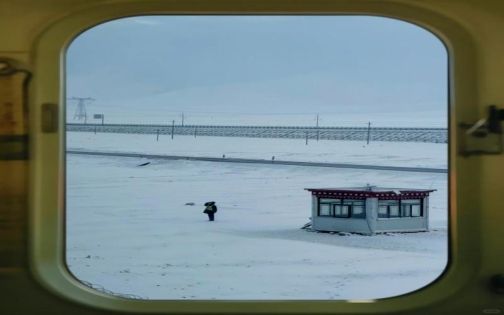
Qinghai–Tibet Railway
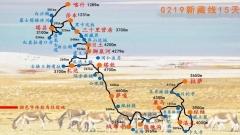
recommend route: