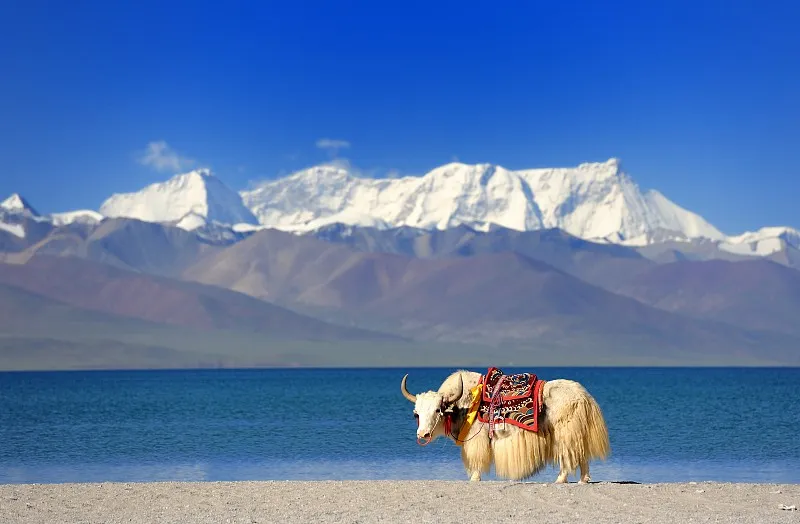

Tibet can be visited throughout the year, but winter and summer offer very different travel experiences. Winter brings clear Himalayan views, fewer tourists, and lower travel costs, while summer offers greener landscapes, milder temperatures, and vibrant Tibetan festivals. If you are planning a Tibet trip and wondering which season is best, the answer depends on your interests, budget, and travel style. This guide compares winter and summer in Tibet, helping you choose the perfect time for your journey to the Roof of the World.
Winter Vs Summer In Tibet: Key Differences At A Glance
Before exploring the details, it helps to understand the major differences between Tibet’s winter and summer seasons.
| Factor | Winter | Summer |
|---|---|---|
| Weather | Cold nights, sunny days | Mild and greener |
| Everest Views | Excellent visibility | More clouds |
| Oxygen | Slightly lower | Higher |
| Crowds | Fewer tourists | Peak season |
| Cost | Lower prices | Higher prices |
| Festivals | Losar | Saga Dawa, Shoton |
Both seasons are suitable for travel, but they cater to different interests and expectations.
What Is The Weather Really Like In Tibet During Winter And Summer?
Weather is often the first concern for travelers planning a trip to Tibet. Many assume winter is unbearably cold and summer is excessively rainy. In reality, neither assumption is entirely accurate.
Winter Weather In Tibet
Winter in Tibet is often much more comfortable than visitors expect. Although nighttime temperatures can fall below freezing, daytime conditions are generally pleasant thanks to Tibet’s strong sunshine and dry climate.
Cities such as Lhasa, Shigatse, and Shannan frequently experience sunny days throughout the winter season. The high altitude means Tibet receives abundant solar radiation, making daytime sightseeing surprisingly comfortable. Visitors can often walk around monasteries, old streets, and cultural sites under clear blue skies while enjoying bright sunshine.
Excellent Visibility Throughout The Season
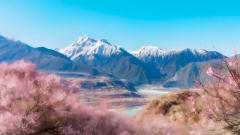
One of winter’s greatest advantages is visibility. The air becomes exceptionally dry and clear, creating ideal conditions for viewing distant mountain ranges. Snow-covered peaks stand out sharply against deep blue skies, making winter a favorite season among photographers.
Cold Nights Require Proper Preparation
The main challenge of winter travel is the large temperature difference between day and night. Travelers should pack layered clothing, thermal wear, gloves, and a warm down jacket to remain comfortable after sunset.
Summer Weather In Tibet
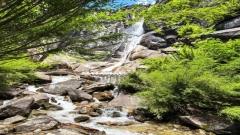
Summer transforms Tibet into a completely different world. Temperatures become milder, vegetation flourishes, and valleys across the plateau turn vibrant shades of green.
The average daytime temperature in many regions ranges between 10°C and 23°C, making outdoor activities particularly enjoyable. Summer is considered the most comfortable season for general sightseeing and long-distance travel.
Rainfall Is Less Problematic Than Many Expect
Many international travelers worry about monsoon rains affecting their Tibet trip. However, the Himalayas block much of the moisture moving north from South Asia. Although rain does occur during summer, it is usually light and often falls during late afternoons or overnight.
Most mornings remain clear, allowing travelers to enjoy sightseeing under pleasant conditions.
Green Landscapes Reach Their Peak
Summer is when Tibet’s grasslands, valleys, and lakes appear at their most colorful. Northern Tibet’s vast pastures become covered with lush vegetation, while yaks and sheep graze across the landscape, creating some of the most iconic Tibetan scenery.
How Do Oxygen Levels Differ Between Winter And Summer?
Altitude is one of the most important considerations when visiting Tibet. The Tibetan Plateau averages more than 4,000 meters above sea level, meaning oxygen levels are naturally lower than at sea level regardless of the season.
However, seasonal conditions do influence how the air feels.
Winter Oxygen Conditions
During winter, colder temperatures and reduced vegetation result in slightly lower oxygen levels compared to summer. The air often feels crisp and dry, which can make some travelers more aware of the altitude.
Fortunately, most visitors adapt successfully with proper acclimatization. Spending the first few days in Lhasa before traveling to higher elevations significantly reduces the risk of altitude-related discomfort.
Summer Oxygen Conditions
Summer generally provides the most comfortable breathing conditions in Tibet. Warmer temperatures, increased humidity, and flourishing vegetation contribute to slightly higher oxygen availability.
For first-time visitors concerned about altitude sickness, summer can offer a gentler introduction to Tibet’s high elevations.
A Smart Acclimatization Strategy
Many experienced travelers choose to begin their Tibet journey in Nyingchi before continuing to Lhasa. Located at a lower altitude and surrounded by forests, Nyingchi provides an excellent environment for gradual acclimatization.
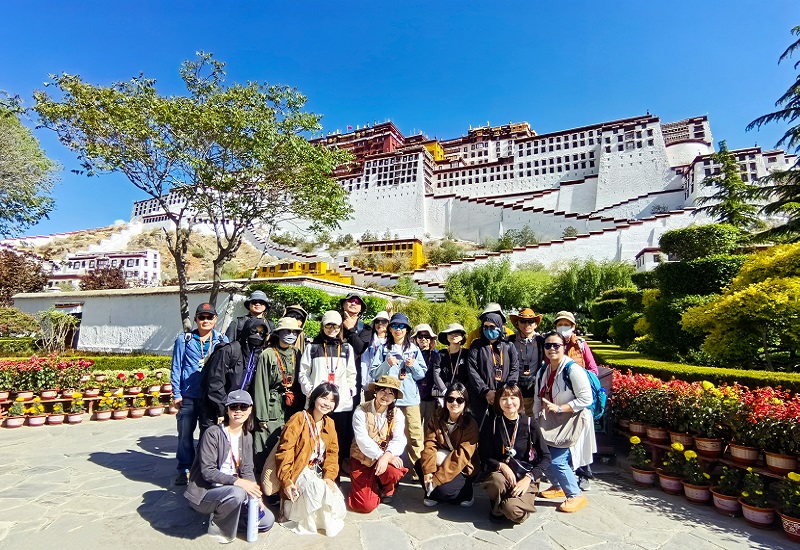
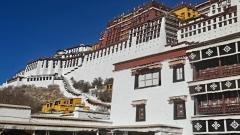
Visitors to the Potala Palace
Which Season Offers Better Views Of Mount Everest?
For many visitors, seeing Mount Everest is the highlight of a Tibet trip. If Everest photography is your priority, the season you choose can make a significant difference.
Winter: The Best Season For Everest Photography
Winter provides the clearest skies of the year. Low humidity and dry air eliminate much of the haze that can obscure mountain views during other seasons.
At famous viewpoints such as Gawu La Pass and Everest Base Camp, travelers often enjoy uninterrupted views of Everest’s magnificent north face. Sunrise and sunset photography conditions are particularly impressive during winter.
Another advantage is the lack of crowds. Photographers can spend more time setting up shots without competing with large numbers of tourists.
Summer: Beautiful Landscapes But Less Predictable Views
Summer offers greener surroundings and more comfortable temperatures, but mountain visibility becomes less predictable. Clouds and mist can develop throughout the day, sometimes partially covering Everest.
This does not mean Everest cannot be seen during summer. Many travelers still enjoy spectacular views, especially during clear mornings. However, visibility is generally less consistent than during winter.
For travelers whose primary goal is photographing Mount Everest, winter remains the superior choice.
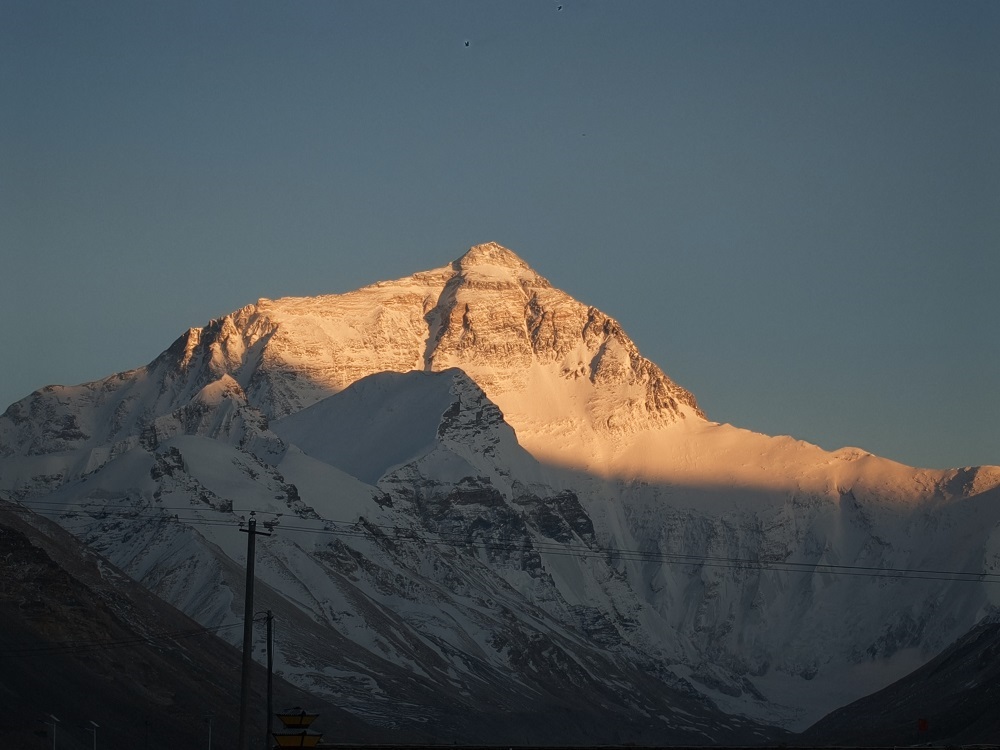
Mount Everest Sunrise
Which Season Is More Budget-Friendly?
Budget is another major factor when deciding when to visit Tibet.
Winter: The Best Value Season
Winter is considered the off-season for Tibet tourism. As a result, travelers can often find lower prices for flights, hotels, and tour packages.
Accommodation options in major cities frequently offer significant discounts compared with summer rates. Transportation is easier to arrange, and popular attractions are generally less crowded.
A More Peaceful Experience
The reduced number of tourists also creates a more authentic atmosphere. Visitors can spend more time interacting with local Tibetans and exploring cultural sites without large crowds.
Summer: Peak Season Pricing
Summer is Tibet’s busiest travel season. Domestic and international tourism reaches its highest levels, especially during school holidays and major festivals.
Because demand increases substantially, prices for hotels, transportation, and travel services rise accordingly. Train tickets and flights often sell out well in advance.
Travelers planning a summer trip should make reservations as early as possible.
Cultural Experiences And Festivals In Winter And Summer
Beyond landscapes and weather, Tibet’s culture offers unforgettable experiences throughout the year.
Winter: Experiencing Tibetan New Year
Winter provides a rare opportunity to witness Losar, the Tibetan New Year. This important celebration is filled with traditional rituals, family gatherings, religious ceremonies, and festive activities.
The atmosphere in monasteries and old neighborhoods becomes particularly vibrant as local communities prepare for the holiday.
Winter is also a time when many pilgrims travel to Lhasa, creating a deeply spiritual atmosphere around Barkhor Street, Jokhang Temple, and other sacred sites.
Summer: Tibet’s Festival Season
Summer hosts some of Tibet’s most famous festivals.
Saga Dawa Festival
Saga Dawa is one of the most significant events in Tibetan Buddhism. Pilgrims gather from across the plateau to perform religious activities and circumambulations around sacred sites.
Shoton Festival
Known as the Yogurt Festival, Shoton features giant Thangka displays, Tibetan opera performances, traditional music, and public celebrations throughout Lhasa.
Horse Racing Festivals
Across northern Tibet, horse racing festivals showcase traditional nomadic culture through competitions, performances, and cultural exhibitions.
For travelers seeking vibrant cultural events, summer offers more opportunities than any other season.
Transportation, Permits, And Practical Travel Considerations
Modern transportation infrastructure has made Tibet more accessible than ever, regardless of the season.
Tibet Travel Permit Processing
All international travelers require a Tibet Travel Permit. During winter, permit applications are typically processed more quickly due to lower demand.
In summer, increased visitor numbers can lead to longer processing times, making advance planning essential.
Flights And Tibet Train Tickets
Flights and trains operate year-round. However, summer demand often makes transportation reservations more challenging.
Travelers planning to visit during peak season should secure tickets well in advance to avoid disappointment.
Road Conditions And Trekking Routes
Most major roads in Tibet remain accessible throughout the year. Popular destinations such as Lhasa, Shigatse, Yamdrok Lake, and Everest Base Camp are generally reachable during both winter and summer.
However, high-altitude trekking routes, particularly around Mount Kailash, are best enjoyed between April and October. Heavy winter snowfall can make some mountain passes difficult or inaccessible.
Which Season Should You Choose?
There is no universally perfect season for visiting Tibet because every traveler seeks something different.
If your priorities include clear Himalayan views, lower travel costs, fewer tourists, and exceptional photography opportunities, winter is likely the better choice. The peaceful atmosphere, excellent visibility, and authentic cultural experiences make winter one of Tibet’s most underrated travel seasons.
If you prefer comfortable temperatures, greener scenery, higher oxygen levels, and world-famous festivals, summer may suit you better. The landscapes are vibrant, outdoor activities are more accessible, and Tibetan culture comes alive through colorful celebrations.
Ultimately, both winter and summer reveal different aspects of Tibet’s extraordinary beauty.
Discover Tibet In Every Season
Whether you choose winter or summer, Tibet promises an unforgettable journey unlike anywhere else on Earth. Winter offers serene monasteries, breathtaking Everest views, and outstanding value, while summer showcases lush landscapes, vibrant festivals, and ideal conditions for outdoor exploration. The best season depends entirely on the experience you hope to have.
At China Dragon Travel, we help international travelers plan customized Tibet journeys throughout the year. Whether you dream of photographing Mount Everest under crystal-clear winter skies or experiencing the energy of Tibet’s summer festivals, our experienced local team can help you choose the perfect itinerary and make your Tibet adventure smooth, safe, and memorable.