Introduction
For travelers driving along the G318 Sichuan-Tibet Highway, Ranwu Lake is one of the most rewarding places to slow down and enjoy the scenery. Snow-covered mountains, forests, alpine meadows and turquoise water come together to create a spectacular high-altitude landscape. On clear days, the lake can appear bright blue or blue-green, while changing weather brings drifting clouds and mountain reflections across the water.However, first-time visitors often face a practical question: where exactly should you stop to enjoy the best views? Unlike conventional tourist attractions with a main entrance, visitor map and clearly marked sightseeing route, Ranwu Lake has numerous viewpoints scattered along the surrounding roads. Some can be reached directly from the highway, while others require a detour or a short walk from a parking area.The lake is also commonly described in terms of Upper, Middle and Lower Ranwu Lake, with different sections offering different landscapes. Without a little planning, it is easy to drive past attractive viewpoints without realizing what you have missed.This Ranwu Lake travel guide covers driving routes, the characteristics of the three lake sections, scenic viewpoints, parking, photography, accommodation and high-altitude travel precautions. Whether you are planning a dedicated visit or including Ranwu Lake in a longer Tibet road trip, these practical tips will help you make better use of your time.
Ranwu Lake Travel Essentials
- Location: Near Ranwu Town in Baxoi County, Qamdo, Tibet Autonomous Region, China, along the G318 Sichuan-Tibet Highway.
- Main attractions: Alpine lake scenery, snow-covered peaks, forests, meadows and mountain reflections.
- Getting there: Drive along G318 toward Ranwu Town and choose suitable viewpoints based on road conditions and local signs.
- Parking: Use designated parking areas whenever possible. Avoid stopping on narrow shoulders, bends or sections with limited visibility.
- Photography: Look for mountain reflections, lakeside meadows and compositions featuring the highway, lake and mountains together.
- Suggested itinerary: Combine Ranwu Lake with Laigu Glacier, Bomi and other destinations along the G318 route.
- Important note: Confirm the current location, accessibility and parking arrangements of any viewpoint before departure, as facilities and access conditions may change.
Ranwu Lake
1. Where Is Ranwu Lake, and Why Visit?
1.1 Location and Natural Scenery
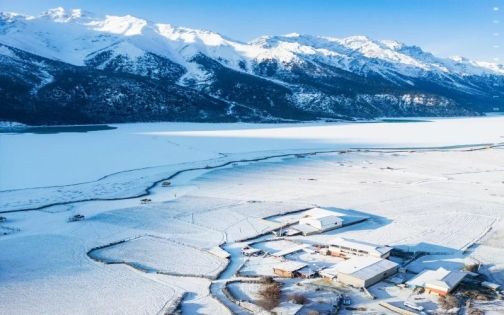
Ranwu Lake is located near Ranwu Town in Baxoi County, Qamdo, in eastern Tibet. It is a well-known stop along the G318 Sichuan-Tibet Highway and is surrounded by snow-capped mountains, forests, river valleys and alpine meadows. Its varied landscapes make it an appealing destination for travelers driving between Bomi, Baxoi and other parts of the Tibetan Plateau.The color of Ranwu Lake changes with the weather and surrounding conditions. On sunny days, the water may appear blue or turquoise. During cloudy weather, rainfall or periods of increased glacial meltwater, it may look greener, grayer or even slightly muddy. On calm mornings, the lake can reflect the surrounding mountains, creating particularly beautiful photographic opportunities.
1.2 Why Can It Be Difficult to Find the Best Viewpoint?
Ranwu Lake is not a single, enclosed attraction with one official entrance. Instead, there are multiple places along the surrounding roads where visitors can stop to enjoy the scenery. Some provide panoramic views of the lake and distant mountains, while others offer closer perspectives of the shoreline, meadows and nearby villages.Simply entering “Ranwu Lake” into your navigation app may not take you to the viewpoint you have in mind. Before setting off, check your driving direction, identify suitable stopping areas and confirm whether parking is permitted.The search term “Ranwu Lake Free Viewing Platform” may help you locate viewpoints mentioned in travel reports. However, similarly named locations, entrances and parking facilities may differ. Always check the latest map information and follow local signs when you arrive.
2. Exploring Upper, Middle and Lower Ranwu Lake
2.1 Upper Ranwu Lake: Mountains and Alpine Lake Scenery
The Upper Ranwu Lake area offers beautiful mountain and lake scenery, making it a good choice for travelers who enjoy dramatic landscapes and quieter natural surroundings. On clear days, pay attention to the changing colors of the water and the contrast between the lake and the surrounding mountains. When clouds hang low, the peaks may appear and disappear through the mist.If you are driving, stop only at safe, suitable locations. Avoid turning onto unverified side roads or driving onto grassland simply to find a more open photographic angle.
2.2 Middle Ranwu Lake: Convenient Stops Along the Highway
The Middle Ranwu Lake area can be incorporated into a G318 road trip without necessarily requiring a major detour. It is suitable for travelers who want to enjoy the lake while keeping their itinerary manageable.On clear days, try composing photographs that include the water, lakeside meadows and distant peaks. However, not every viewpoint offers a perfect reflection. When strong winds disturb the water, shift your focus to the mountain outlines, shoreline or highway scenery.
2.3 Lower Ranwu Lake: Lake Views and River Valley Landscapes
The Lower Ranwu Lake area offers another perspective on the surrounding landscape, where the lake and river valley scenery can be enjoyed as part of a drive toward Bomi or Baxoi.If you have enough time, choose one or two safe stopping points rather than trying to visit every possible viewpoint. The shoreline, vegetation and mountain angles vary along the route, so a short stop at the right location may be more rewarding than rushing through several locations.Descriptions and boundaries of the three lake sections can vary between travel resources. When planning your route, prioritize actual map locations, road access and local signage rather than relying entirely on fixed labels used in online guides.
Ranwu Lake
3. Driving Routes and Parking Tips
3.1 From Bomi to Ranwu Lake
From Bomi County, follow the G318 Sichuan-Tibet Highway toward Baxoi and Ranwu Town. You can stop at Ranwu Lake along the way before continuing toward Laigu Glacier or Baxoi, depending on your itinerary.Allow enough time for sightseeing rather than relying solely on the estimated driving time shown by your navigation app. Road conditions, weather and photography stops can all affect the schedule. If you want to photograph reflections on the lake, leave some flexibility in your itinerary.
3.2 From Baxoi Toward Ranwu Town
Travelers coming from the Baxoi direction can follow G318 toward Ranwu Town and choose viewpoints that are convenient for their direction of travel.Some sections of the highway may have sharp bends, restricted visibility or heavy vehicle traffic. Before stopping, check the surrounding road conditions. Avoid sudden braking or reversing on busy sections of the highway.
3.3 How to Find a Free Viewing Platform
Some travel reports refer to a location using the name “Ranwu Lake Free Viewing Platform,” while others mention viewpoints near the G318 kilometer marker labeled 3888. These descriptions can help with online searches, but they do not guarantee that your navigation app will lead to the same location or that a large, free parking area and wooden boardwalk are currently available.Before departure, check the map pin, recent visitor reports and road access. Once there, follow official signs and local instructions. If navigation directs you to a narrow shoulder, private property or an unsuitable stopping point, choose another location rather than risking an unsafe stop.
3.4 Parking Advice for Self-Drive Travelers
Parking facilities around Ranwu Lake vary from one viewpoint to another. Even if a map labels a parking area as free, check for restrictions, construction work or temporary access controls.Long vehicles, motorhomes and buses should prioritize designated parking areas with sufficient space. Never park on sharp bends, steep slopes or road junctions. Before rejoining the highway, check for approaching traffic and make sure your vehicle can pull out safely.
4. Best Time to Visit Ranwu Lake and Photography Tips
4.1 Spring: Snow-Capped Mountains and Meltwater Scenery
In spring, snow may still cover the surrounding peaks, while rising temperatures gradually change the appearance of the lake and nearby valleys. If you are visiting Bomi during the peach blossom season, Ranwu Lake can be incorporated into a broader G318 itinerary.However, high-altitude weather can change quickly, so check the forecast and road conditions before setting out.
4.2 Summer: Lush Meadows and Rich Lake Colors
Summer brings greener vegetation and fuller alpine meadows, adding depth and color to the landscape. However, rainy weather may bring low clouds, muddy surfaces and changes to road accessibility. Check weather forecasts and local road information before departure.If thick clouds obscure the distant peaks, focus on closer views of the shoreline, nearby vegetation and highway scenery instead.
4.3 Autumn and Winter: Seasonal Changes in the Landscape
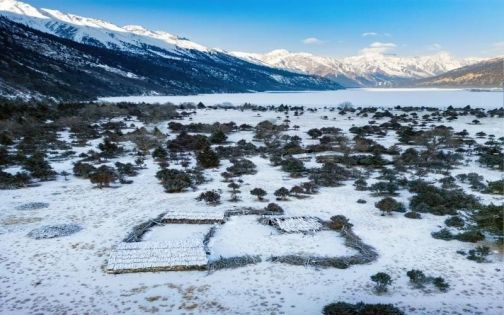
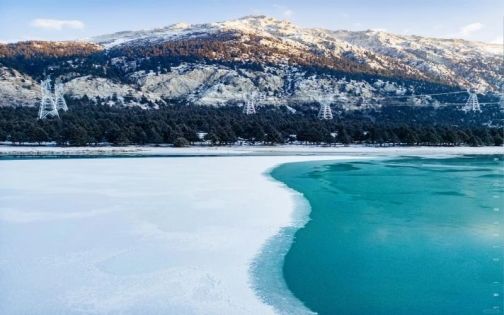
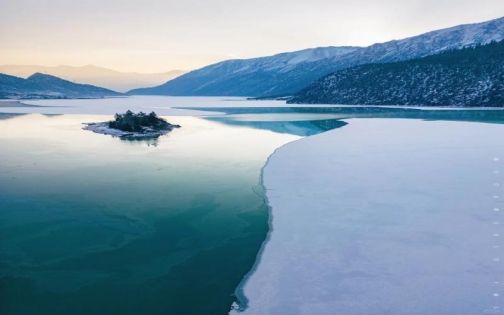
Autumn brings changing vegetation colors, while winter may introduce snow-covered scenery and icy conditions. Whether the lake freezes, whether the ice is safe and whether visitors can approach the shoreline depend on actual conditions rather than the season alone.Never walk onto a frozen lake or attempt to photograph from unstable, icy shorelines without explicit authorization and appropriate safety arrangements.
4.4 What Time of Day Is Best for Photography?
Early morning can offer calmer water and a better chance of capturing mountain reflections, although the result depends on wind and weather conditions. From morning through the afternoon, the direction and quality of light change, creating different opportunities for photographing the mountains and shoreline.For a composition featuring the highway, lake and mountains together, try a wider field of view. Always park in a safe location that does not obstruct traffic.Rather than chasing a single popular photo spot, pay attention to the color of the water, cloud formations and mountain outlines. The changing weather is part of what makes Ranwu Lake special.
Ranwu Lake
5. Accommodation and Nearby Attractions
5.1 Should You Stay in Ranwu Town or Bomi?
If you want to photograph Ranwu Lake early in the morning or combine it with a visit to Laigu Glacier, staying in or near Ranwu Town is usually convenient. It reduces the need for long drives before and after sightseeing.If your itinerary includes several attractions around Bomi, choose your accommodation according to your overall route. Check heating, hot water, parking facilities and winter access conditions before booking. In colder months, reliable room facilities may be more important than choosing the cheapest option.
5.2 How to Combine Ranwu Lake with Laigu Glacier
Ranwu Lake and Laigu Glacier can be included in the same travel itinerary. However, check the glacier area’s current opening status, ticket arrangements and local transport services before planning your visit.If access to the glacier is restricted because of weather or safety management, spend more time enjoying Ranwu Lake and the surrounding viewpoints instead of attempting to reach closed areas.If you are continuing toward Bomi or Baxoi on the same day, avoid scheduling too many attractions or driving long distances after dark. High-altitude road trips require extra time for changing weather and unexpected delays.
6. High-Altitude Travel Tips for Ranwu Lake
6.1 Be Aware of Altitude-Related Symptoms
Ranwu Lake is located at high altitude, and some travelers may experience headaches, dizziness, nausea or unusual shortness of breath.Allow time to acclimatize, avoid strenuous exercise immediately after arrival and drink water regularly. If symptoms persist or worsen, stop your activities, descend to a lower altitude as soon as possible and seek medical assistance.
6.2 Bring Sun Protection and Warm Clothing
Ultraviolet radiation is strong on the Tibetan Plateau, even when temperatures are low. Bring sunscreen, sunglasses and a sun hat. Wind near the lake can make conditions feel colder, so a windproof jacket, warm layers and drinking water are essential.Phones and cameras may also lose battery power more quickly in cold weather. If you plan to spend a long time taking photographs, carry a power bank and keep spare batteries warm.
6.3 Protect the Lake and Surrounding Environment
The natural environment around Ranwu Lake deserves careful protection. Take all rubbish with you, including food packaging and cigarette butts. Avoid driving onto grassland, damaging vegetation or approaching unstable shorelines.If you pass through areas used by local residents for grazing or daily activities, maintain a respectful distance and avoid disturbing their routines.
Ranwu Lake
Conclusion: Take Your Time and Enjoy Ranwu Lake
The beauty of Ranwu Lake lies not in a single free viewing platform, but in the constantly changing scenery along the G318 highway. Snow-covered mountains, alpine water, meadows and forests create different views as you travel through the area.By planning your stops, understanding the differences between the lake sections and choosing viewpoints according to the day’s weather and lighting, you can enjoy a more rewarding visit than simply rushing between popular photo spots.If your itinerary also includes Laigu Glacier, Bomi or Baxoi, consider setting aside approximately half a day for Ranwu Lake, with extra time if you want to explore several viewpoints. Check road and parking information before departure, drive carefully and take all rubbish with you. With a little preparation, Ranwu Lake can become one of the most memorable stops on your Tibet road trip.