
Introduction
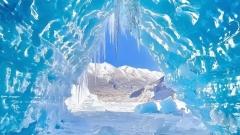
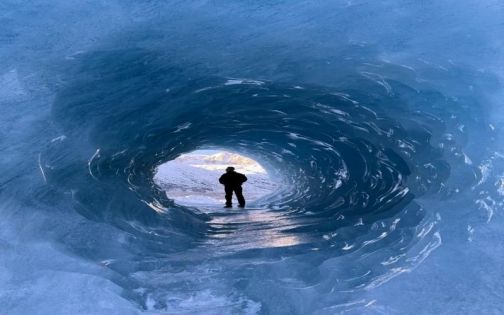
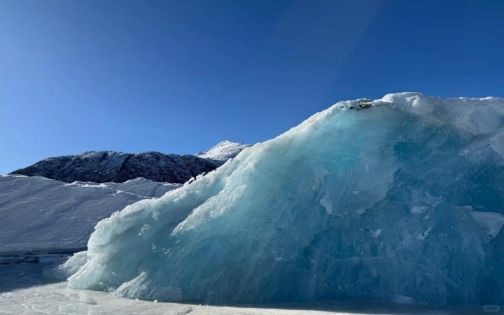
If Tibet’s snow-capped mountains showcase the grandeur of the plateau, Laigu Glacier reveals a completely different kind of beauty. Deep blue ice, intricate glacial cracks, and frozen lakes surrounded by towering peaks create one of the most remarkable winter landscapes in eastern Tibet. When sunlight filters through the ice, its surface can glow in shades of blue and turquoise, making the landscape feel like a world preserved in time.However, Laigu Glacier is not a destination where visitors can expect to access blue ice throughout the year. Rising temperatures, glacial melting, changing ice conditions, and local access restrictions can all affect what visitors can see and where they can go. Whether the blue ice caves are accessible or walking on the ice is permitted must be confirmed locally.This comprehensive Laigu Glacier travel guide covers transportation, sightseeing routes, the best time to visit, accommodation, essential equipment, photography tips, and safety precautions. Whether you are driving along the famous G318 Sichuan–Tibet Highway or planning a winter adventure around Ranwu Lake, this guide will help you prepare for your trip.
Laigu Glacier Travel Guide: Key Takeaways
- Location: Near Ranwu Town in Baxoi County, Qamdo, Tibet, close to the scenic Ranwu Lake along the G318 highway.
- Best time for blue ice: December to February is generally a popular period for blue ice viewing, although actual conditions vary each year.
- Main attractions: Laigu Glacier, glacial lakes, surrounding snow-capped mountains, and the Yalong Glacier area when accessible.
- Transportation: Self-driving or hiring a local driver from Bomi or Ranwu Town.
- Essential gear: Warm, windproof clothing, sunglasses, sunscreen, suitable footwear, water, snacks, and a power bank.
- Important reminder: Always confirm current access restrictions before visiting. Previous reports of walking on the ice or entering blue ice caves may no longer reflect current conditions.
Laigu Glacier
1. Where Is Laigu Glacier and Why Visit?
1.1 What Is Laigu Glacier?
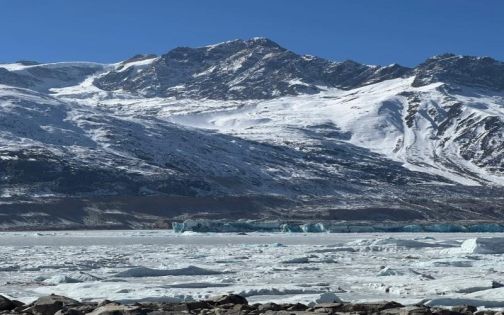
Laigu Glacier is located near Ranwu Town in Baxoi County, Qamdo, eastern Tibet. It is one of the most distinctive glacial landscapes along the Sichuan–Tibet Highway.The name Laigu Glacier does not refer to just one glacier. It is commonly used to describe a group of glaciers around Laigu Village, including the Meixi, Yalong, and Dongga glaciers. These glaciers descend from the surrounding high mountains, creating a dramatic landscape of ice, glacial lakes, snow peaks, and traditional Tibetan settlements.What makes Laigu Glacier particularly fascinating is how much the scenery changes with the seasons. In winter, low temperatures may allow parts of the glacial lake to freeze, revealing layers of ice in varying shades of blue. In spring, melting ice and changing water levels create a different landscape, with snow-covered peaks reflected in the surrounding lakes.Keep in mind that the presence of blue ice or a frozen lake cannot be guaranteed simply by visiting during a particular month.
1.2 Laigu Glacier vs. Yalong Glacier: What’s the Difference?
Travel information about Laigu Glacier often refers to two routes, commonly described as Route A and Route B, with Route B heading toward the Yalong Glacier area. The exact routes, fees, and accessible areas may change depending on local management policies.Route A is generally the more straightforward option for first-time visitors. It focuses on the Laigu Glacier landscape and the surrounding glacial lake. In previous seasons, visitors could walk or ride horses toward the lake, but these historical arrangements do not guarantee that the ice surface or blue ice caves are currently accessible.Yalong Glacier is another important part of the Laigu glacier group. Reaching its surrounding viewpoints may require traveling farther into the mountains, where road conditions can be challenging.Before setting out, confirm whether the route is open, which vehicles are permitted, and how close visitors may approach the glacier. If access to the ice is prohibited, enjoy the scenery from designated viewpoints instead of attempting to find unofficial entrances.
2. Best Time to Visit Laigu Glacier
2.1 December to February: A Popular Season for Blue Ice
Winter is one of the most popular periods for travelers hoping to see Laigu Glacier’s blue ice. Lower temperatures increase the likelihood of frozen sections of the glacial lake, while sunlight can reveal beautiful blue, turquoise, and translucent patterns within the ice.On clear days, the combination of snow-covered mountains, frozen lakes, and blue ice can be spectacular.However, winter does not guarantee that the entire lake will freeze or that the ice caves will be open. Glaciers can contain hidden crevasses, unstable ice, and thin areas covered by snow. Never judge the safety of an ice surface solely by its appearance or by photographs shared by other travelers.
2.2 March to April: A Different View of the Glaciers
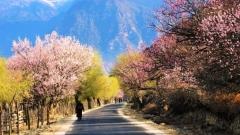
As spring approaches, daytime temperatures gradually rise and melting may begin in some areas. Visitors may still encounter blue ice, but the extent of frozen surfaces and the accessibility of different areas can change considerably.Spring can be a good option for travelers combining Laigu Glacier with other destinations along the Sichuan–Tibet Highway, including Ranwu Lake, Bomi, and the spring peach blossoms around Nyingchi.If you are traveling during this period, check the latest weather forecasts and local access information before finalizing your itinerary.
2.3 What Time of Day Is Best?
Late morning to early afternoon is often a good time for sightseeing and photography, as natural light is usually more favorable. However, the best viewing conditions depend on cloud cover, wind, weather, and the site’s operating hours.Strong winds may develop later in the afternoon, while temperatures can drop rapidly after sunset. Allow enough time to return safely before dark, rather than staying too long to wait for a particular lighting effect.
Laigu Glacier
3. How to Get to Laigu Glacier
3.1 From Bomi: Ideal for Sichuan–Tibet Highway Road Trips
From Bomi County, follow National Highway G318 toward Ranwu Town, then follow local signs or navigation directions to Laigu Glacier.The route can be combined with a stop at Ranwu Lake, where visitors can enjoy views of the surrounding mountains, river valleys, and high-altitude landscapes.Allow approximately half a day for the journey and sightseeing, depending on road conditions and the number of stops you make. Navigation apps may underestimate the time required if you plan to stop for photographs or explore viewpoints along the way.
3.2 From Ranwu Town: A Convenient Half-Day Excursion
Ranwu Town is a practical base for visiting Laigu Glacier. If you stay overnight, you can leave in the morning after confirming that the glacier area is accessible, then return to town or continue along the highway later in the day.Some mountain roads are narrow and may include sharp bends, loose gravel, snow, or muddy sections caused by melting ice. During winter, icy surfaces can make driving particularly dangerous.If you have limited experience driving on high-altitude mountain roads, consider hiring a local driver who is familiar with the route.
3.3 Traveling from Lhasa, Nyingchi, or Qamdo
Travelers coming from Lhasa can plan a road trip through Nyingchi, Bomi, and Ranwu Town. Visitors starting in Nyingchi can combine Bomi, Ranwu Lake, and Laigu Glacier into one section of their itinerary.Those arriving from Qamdo or the Bangda area should plan according to actual road conditions and local traffic information.Driving times in Tibet can vary considerably because of weather, roadworks, traffic restrictions, and mountain conditions. Avoid scheduling too many distant attractions on the same day. If your itinerary includes sunrise photography at Ranwu Lake, glacier sightseeing, and a long drive, staying overnight in Ranwu Town is a practical choice.
4. Route A vs. Route B: Which Should You Choose?
4.1 Route A: A More Straightforward Option for First-Time Visitors
If this is your first visit to Laigu Glacier, or you are traveling with older family members or people who prefer less strenuous activities, start by checking the availability of Route A.In previous seasons, visitors could walk from the parking area toward the glacial lake or use local horse-riding services. However, the walking distance, service prices, and final access point may change.Older travel reports mention an entrance ticket of approximately RMB 150 per person and a walk of around 15 minutes to reach the lake, with horse riding available as an alternative.These figures are historical references, not confirmed current prices. Before visiting, check whether the entrance ticket includes shuttle transportation, whether additional route fees apply, and whether visitors are currently allowed near the ice.
4.2 Route B: Exploring the Yalong Glacier Area
The Yalong Glacier area offers a more remote mountain landscape, but the journey can be more demanding.Previous travelers have reported local transportation services provided by villagers, as well as the option of driving part of the route independently. Historical accounts mention transportation fees of approximately RMB 200 per person and self-driving-related fees of around RMB 100 per person.These figures should not be treated as current official prices. Actual fees, service arrangements, and road access must be confirmed locally.Some sections of the mountain road may feature steep gradients, tight hairpin turns, narrow passages, and loose gravel. Conditions can become especially hazardous after rain or snowmelt.If you are unfamiliar with the local terrain, hiring an experienced local driver is generally the safer option. Reaching a designated viewpoint also does not automatically mean that visitors may walk onto the glacier. Always follow the current restrictions.
4.3 Can You Still Enter the Blue Ice Cave?
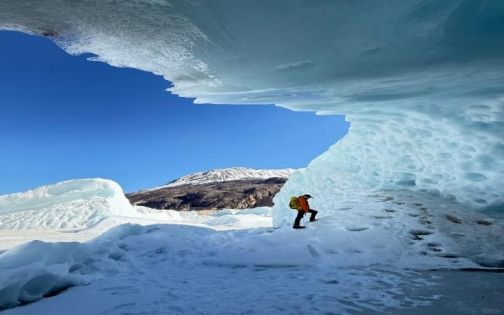
This is one of the most important questions to resolve before visiting Laigu Glacier.Previous travel reports describe visitors reaching blue ice caves along designated routes, while others have reported being restricted to distant viewpoints following changes in site management.Glacial melting, changes in ice stability, and safety regulations can all affect access. An entrance shown in an older travel blog should not be assumed to remain open.Inside a glacier cave, falling ice, structural collapse, hidden cracks, and meltwater can pose serious risks. Even an apparently solid ice wall may be unstable.Do not use old directions, unofficial guides, or alternative entrances to bypass access restrictions. If the cave is closed, enjoy the glacier from an authorized viewpoint instead.
Laigu Glacier
5. Entrance Fees, Accommodation, and Travel Budget
5.1 Entrance Tickets and Transportation Costs
The cost of visiting Laigu Glacier depends on the current ticket policy, transportation arrangements, and which routes are open.Older travel guides mention an entrance ticket of approximately RMB 150 per person for Route A, horse riding at around RMB 100–150, and separate transportation charges for the Yalong Glacier area.These prices may no longer be accurate and should not be considered fixed rates.Before departure, confirm whether shuttle buses are included, whether separate route fees apply, whether reservations are required, and what transportation services are operating that day.Because mobile payment services and supply facilities may be unreliable in remote mountain areas, carrying some cash is also advisable.
5.2 Should You Stay in Ranwu Town or Bomi?
If your main priorities are Laigu Glacier and Ranwu Lake, staying overnight in Ranwu Town is a convenient option. It allows you to start early and reduces the need for a long round trip.If you are also visiting Bomi’s peach blossom areas, Midui Glacier’s surrounding region, or other attractions along the Sichuan–Tibet Highway, Bomi may fit better into your itinerary.When booking accommodation, check the availability of heating, hot water, and other facilities suited to cold-weather travel. In winter, comfortable heating can be more important than choosing the cheapest room.Advance reservations are recommended during busy travel periods or when weather conditions may limit the number of available rooms.
5.3 Suggested Itinerary
If you are traveling from Bomi, consider making Laigu Glacier a full-day excursion. Visit Ranwu Lake in the morning, then continue to Route A if it is open. If the Yalong Glacier area is also accessible and road conditions are suitable, consider adding a visit to its designated viewpoints.Allow sufficient time to return before dark.If you plan to continue toward Nyingchi or Qamdo afterward, avoid combining glacier sightseeing with a long drive late into the evening. Safety, acclimatization, and adequate rest should take priority over visiting as many attractions as possible.
6. Essential Equipment and Photography Tips
6.1 Warm Clothing, Sun Protection, and Traction
Temperatures around the glacier can feel much colder than in nearby towns, particularly when strong winds are present.Wear a windproof outer layer, a warm insulating layer, moisture-wicking base clothing, and waterproof shoes with good traction. Bring a warm hat, scarf, and insulated gloves. Layering makes it easier to adjust your clothing as temperatures and activity levels change.High-altitude sunlight can be intense, and snow and ice reflect additional ultraviolet radiation. Sunglasses, sunscreen, and a sun hat are essential.If access to designated ice surfaces is permitted, use appropriate traction equipment according to local instructions. Ordinary shoes or simple slip-on covers cannot guarantee safe movement on ice.Also bring drinking water, high-energy snacks, a power bank, and any personal medication you normally need. Cold weather can drain phone and camera batteries quickly, so keep spare batteries somewhere warm.
6.2 How to Photograph Blue Ice
Clear mornings and the earlier part of the afternoon often provide favorable natural light, although actual conditions depend on the weather.Bright clothing in red or orange creates a striking contrast against blue ice. White, cream, and other light colors can also produce clean, minimalist photographs.To emphasize the scale of the glacier, include the surrounding mountain peaks and a person in the frame. Close-up photographs of natural ice patterns can also reveal beautiful textures and colors.If access to the ice is prohibited, take photographs from designated viewing areas. Do not cross barriers or enter restricted zones to obtain a better angle.Drone use should also be checked against local regulations and flight restrictions before takeoff.
7. Safety Tips and Frequently Asked Questions
7.1 Can You Walk Directly on the Glacier?
Not necessarily. Whether visitors may step onto the ice depends on current site regulations, ice conditions, and instructions from local staff.The fact that someone entered an ice cave or walked on the glacier during a previous visit does not mean the same activity is permitted today.Glaciers can contain hidden crevasses, unstable ice, and areas vulnerable to collapse. Never enter without explicit authorization, and do not bypass safety barriers.
7.2 Should You Bring Supplemental Oxygen?
Laigu Glacier is located in a high-altitude region, where physical activity can feel more demanding than at lower elevations.Allow time to acclimatize, avoid strenuous exercise immediately after arrival, and pay attention to symptoms such as headaches, nausea, dizziness, or unusual shortness of breath.Whether you need supplemental oxygen depends on your individual circumstances and itinerary. Carrying oxygen is not a substitute for proper acclimatization or medical care.If symptoms worsen, stop the activity, descend to a lower altitude as soon as safely possible, and seek medical assistance.
7.3 Is Laigu Glacier Suitable for Children and Older Travelers?
It may be suitable for some families, depending on individual fitness, altitude tolerance, weather, and the day’s access arrangements.Cold temperatures, strong winds, slippery paths, and longer walking sections can make the experience challenging for some visitors.If you are traveling with children or people with limited mobility, confirm whether suitable shuttle services are available and ask about the actual walking distance to the viewing area.
7.4 How Can You Travel Responsibly?
Glaciers and high-altitude lakes are fragile natural environments. Waste decomposes slowly in cold conditions, so take all food packaging, cigarette butts, and other rubbish with you.Do not carve into the ice, strike ice formations, damage cave structures, or touch unstable ice walls for photographs.Respect local residents, cultural traditions, and the surrounding environment. Responsible travel helps preserve these remarkable landscapes for future visitors.
Laigu Glacier
Conclusion: Check Access Conditions Before Setting Out
The appeal of Laigu Glacier goes beyond the possibility of entering a blue ice cave. Its dramatic combination of glaciers, snow-capped mountains, and high-altitude lakes offers a memorable glimpse into the natural beauty of eastern Tibet.Whether you admire the glacial lake from the Laigu Glacier scenic area or explore designated viewpoints around Yalong Glacier, the journey is worth planning carefully.However, glaciers are constantly changing. Rising temperatures, melting ice, and updated safety regulations can all affect how visitors experience the area.Before departure, check the latest scenic-area announcements, road conditions, and local transportation arrangements. Never rely on an old travel guide as permission to walk onto the ice or enter a restricted area.With proper preparation, a flexible itinerary, and respect for the environment, you can enjoy Laigu Glacier’s extraordinary landscapes while helping protect this precious natural heritage.