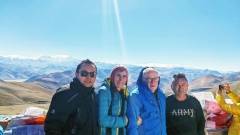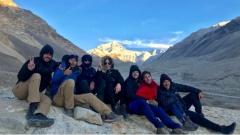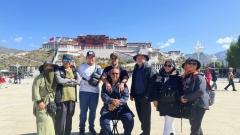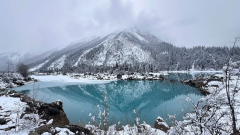

Traveling to Tibet via the Sichuan-Tibet Highway is one of the most spectacular overland journeys on the planet. Stretching from the lush basins of Sichuan Province into the rugged, high-altitude landscapes of the Tibetan Plateau, this route offers an unforgettable transition in geography, culture, and atmosphere. However, travelers quickly face a crucial decision: should you take the southern G318 route or the northern G317 route? Both highways lead to Tibet, but they offer vastly different experiences. The choice depends entirely on your travel style, physical readiness, and what you hope to see. Whether you are a seasoned overlander or planning your first high-altitude adventure, understanding the nuances of these two legendary roads is essential before setting out.
Key Takeaways
- G318 offers better infrastructure and iconic alpine scenery.
- G317 provides deeper cultural immersion and remote wilderness.
- Altitude sickness risk is generally higher on the G317 route.
- G318 is ideal for first-time visitors to the Tibetan Plateau.
- Both routes require careful preparation and proper travel permits.
Overview of the Sichuan-Tibet Highway
The Sichuan-Tibet Highway is not just a single road; it is a network of lifelines connecting Chengdu, the capital of Sichuan Province, with Lhasa, the heart of Tibet. Historically, these routes were ancient tea-horse trading paths where merchants risked their lives navigating treacherous mountain passes. Today, they have been paved and developed into some of the most famous driving and cycling routes in the world. The journey typically takes anywhere from seven to twelve days, depending on the route chosen, the pace of travel, and how many stops are made along the way.
Both routes begin in Chengdu and share the same starting trajectory through the Sichuan basin before diverging. The southern route, known as National Highway 318 (G318), passes through Kangding and Litang before crossing into Tibet at Markam. The northern route, National Highway 317 (G317), heads through Maerkang and Seda before entering Tibet at Jomda. While G318 has long been celebrated as “China’s most beautiful landscape avenue,” G317 has quietly earned a reputation among hardcore travelers as the more authentic, untamed alternative. Deciding which Sichuan-Tibet Highway route suits you best requires looking closely at several practical factors.
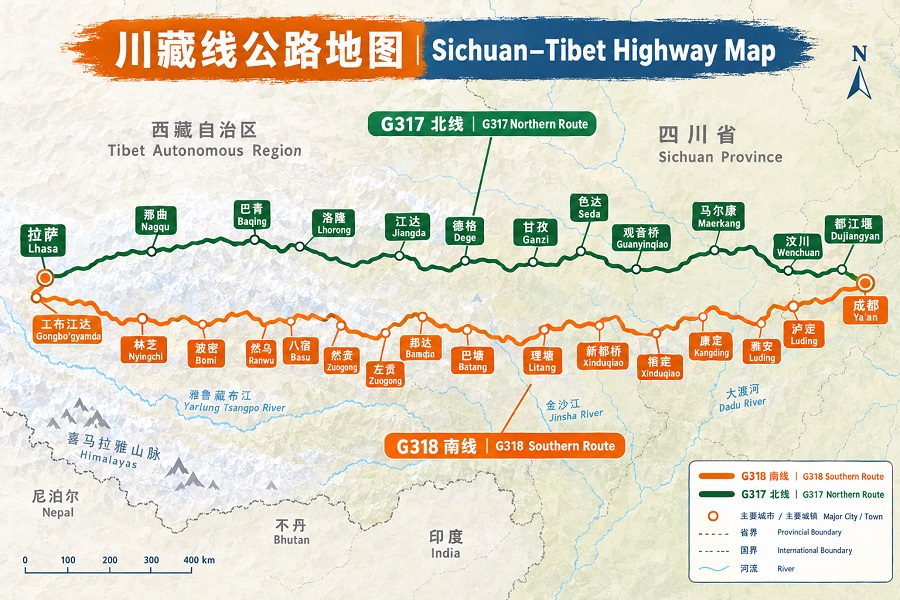
Sichuan-Tibet Highway
Route Comparison: G318 vs G317 Sichuan-Tibet Highway
The G318 Southern Route: Scenery and Accessibility
The G318 Sichuan-Tibet Highway is widely considered the classic route for travelers heading to Tibet. Spanning roughly 2,140 kilometers from Chengdu to Lhasa, this highway is famous for its dramatic shifts in topography. You will pass through deep river gorges, cross towering snow-capped mountains, and drive alongside turquoise glacial lakes. Key highlights include the photogenic Ranwu Lake, the majestic glaciers of Midui, and the sweeping grasslands of Litang, often referred to as the “City in the Sky” due to its elevation above 4,000 meters.
One of the primary reasons travelers choose the G318 route is its relatively mature infrastructure. Over the years, significant investments have been made to improve road conditions, build tunnels through dangerous mountain passes, and establish reliable service stations. Towns along the G318 are accustomed to tourists, meaning you will find a wide range of accommodations, from basic guesthouses to comfortable hotels, as well as restaurants catering to various tastes. This makes the G318 highly recommended for first-time visitors to the plateau, cyclists, and those who prefer a slightly more comfortable overland experience. The gradual ascent profile, while still challenging, allows for a somewhat more manageable acclimatization process compared to the northern route.
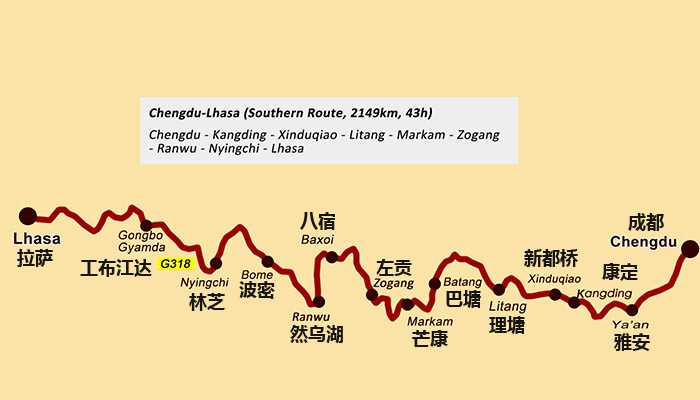
Sichuan-Tibet Highway Map G318
The G317 Northern Route: Culture and Wilderness
If the G318 is the popular scenic corridor, the G317 Sichuan-Tibet Highway is the rugged, spiritual backcountry. Stretching approximately 2,400 kilometers from Chengdu to Lhasa (via Nagqu), the northern route is significantly less traveled by mainstream tourists. It cuts through the heartland of Kham and Amdo Tibetan cultures, offering an unfiltered look into traditional nomadic life and ancient religious practices. Instead of tourist-oriented viewpoints, the G317 delivers profound cultural encounters, such as the awe-inspiring Larung Gar Buddhist Academy near Seda, the sacred monasteries of Dege, and the vast, untouched grasslands of Changtang.
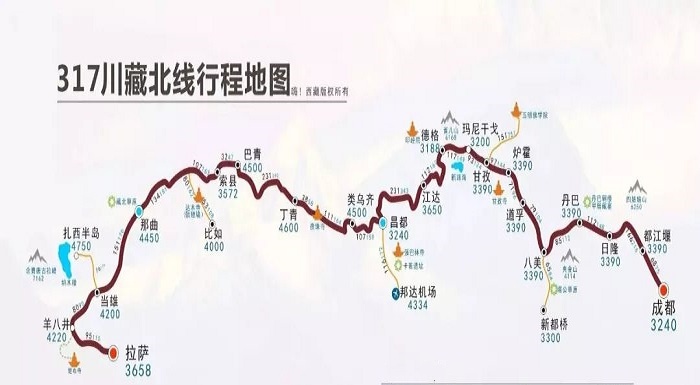
Sichuan-Tibet Highway Map G317
The road conditions on the G317 have improved dramatically in recent times, but they remain more demanding than those on the G318. Paved sections alternate with rougher stretches, and services are spaced much further apart. Accommodations tend to be basic, and English is rarely spoken outside of major hubs. Furthermore, the G317 maintains a higher average elevation for longer periods. After leaving the Sichuan basin, the road quickly climbs and stays above 4,000 meters for much of the journey. This route is best suited for experienced overlanders, cultural enthusiasts, and travelers who prioritize authenticity and solitude over comfort. Driving the G317 feels like stepping back in time, far removed from the commercialized aspects of modern travel.
Road Conditions and Infrastructure on the Sichuan-Tibet Highway
When planning your journey, understanding the current state of the roads is vital. The Chinese government has continuously upgraded both highways, transforming what used to be perilous dirt tracks into mostly paved national roads. However, the nature of the terrain means that perfection is impossible to maintain year-round.
On the G318 Sichuan-Tibet Highway, the paving is nearly complete. Major bottlenecks that once required hours of grueling off-road driving, such as the Tongmai Bridge area and the Serjila Mountain pass, have been bypassed by modern bridges and long tunnels. This has drastically reduced travel time and increased safety. Fuel stations are available every 100 to 200 kilometers, and mechanics can be found in most county towns. For self-drivers, a standard SUV is perfectly capable of handling the G318, though a 4WD vehicle provides extra peace of mind during unexpected weather events.
The G317 Sichuan-Tibet Highway presents a different scenario. While the main arteries are paved, secondary roads leading to remote monasteries or nomadic camps may still be unpaved or poorly maintained. Landslides and mudslides during the summer rainy season can block the road for days, requiring patience and flexibility. Gas stations are fewer and further between, making it essential to refuel whenever possible. Because of the harsher conditions and longer distances between towns, a robust 4WD vehicle is strongly recommended for the G317. Breakdowns here can mean waiting a long time for assistance, so carrying spare tires, basic tools, and extra supplies is a necessity rather than a suggestion.
Altitude and Acclimatization: Preparing for the High Plateau
Altitude sickness is the most significant health concern when traveling the Sichuan-Tibet Highway. Both routes climb rapidly from the low elevation of Chengdu (around 500 meters) to extreme heights exceeding 4,000 and even 5,000 meters. How each route handles this ascent plays a massive role in your physical well-being.
The G318 route features a “rollercoaster” elevation profile. You will climb over high mountain passes—some exceeding 4,500 meters—but then descend into lower river valleys to sleep. For example, after crossing the high Zheduo Mountain pass, you descend into the relatively lower elevation of Xinduqiao. This up-and-down rhythm gives your body intermittent breaks to recover, making acclimatization slightly easier. Most travelers spend their first few nights between 2,500 and 3,500 meters before pushing higher toward Litang and eventually Lhasa.
Conversely, the G317 route ascends quickly and stays high. Once you reach the Tibetan Plateau on the northern route, there are very few opportunities to descend to lower elevations for sleeping. Towns like Seda, Ganzi, and Dege all sit firmly above 3,800 meters, with many passes topping 4,800 meters. This sustained exposure to thin air increases the risk of Acute Mountain Sickness (AMS). Symptoms such as headaches, nausea, dizziness, and shortness of breath are common. To mitigate these risks, travelers must ascend slowly, stay hydrated, avoid alcohol, and consider carrying supplemental oxygen or medications like acetazolamide (Diamox) after consulting a doctor. If severe symptoms develop, descending to a lower altitude immediately is the only safe option.
Cultural Landscapes: What You Will See on Each Route
The cultural tapestry of the Sichuan-Tibet Highway is incredibly rich, but the flavor changes distinctly between the north and the south.
Traveling the G318, you will primarily move through the Kham region of Tibet. The Khampa people are historically known as fierce warriors and skilled horsemen. You will see their distinctive architecture, characterized by white stone houses with red and black trim, clinging to hillsides. The route is dotted with important Gelug and Kagyu sect monasteries. The natural scenery often overshadows the cultural sites on the G318, as the dramatic landscapes—from the Yarlung Tsangpo Grand Canyon approaches to the snow peaks of Namcha Barwa—demand constant attention. The vibe along the G318 is vibrant, filled with fellow travelers, cyclists, and a bustling backpacker culture in towns like Tacheng and Bayi.
The G317 Sichuan-Tibet Highway is deeply entrenched in spiritual and nomadic traditions. This route passes through areas heavily influenced by the Nyingma (Red Hat) sect of Tibetan Buddhism. The sight of thousands of monks and nuns studying in valley settlements is unique to the northern route. You will encounter master artisans, particularly in Dege, which is home to the famous Dege Parkhang, a centuries-old sutra printing house where wooden blocks are still inked and pressed by hand. As you move further west into the Changtang plateau, the culture shifts to nomadic herding. Black yak-hair tents dot the endless grasslands, and the rhythm of life is dictated by the seasons and the movement of livestock. The G317 offers a quieter, more introspective cultural experience, largely devoid of mass tourism.
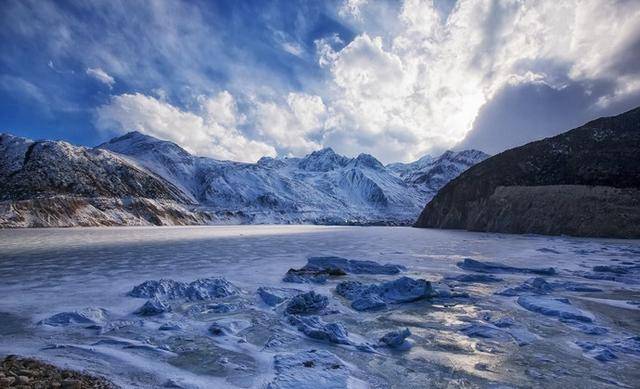
Midui Glacier
Best Time to Travel the Sichuan-Tibet Highway
Timing your trip correctly can make the difference between a smooth journey and a logistical nightmare. The climate on the Tibetan Plateau is extreme, with distinct wet and dry seasons.
The optimal time to travel both the G318 and G317 routes is during the spring (April to May) and autumn (September to October). During these months, the weather is generally stable, rainfall is minimal, and visibility is excellent. Autumn is particularly stunning on the G318, as the forests in the Nyingchi region turn brilliant shades of gold and crimson against the backdrop of white snow peaks. Spring brings blooming rhododendrons and peach blossoms in the lower valleys.
Summer (June to August) is the monsoon season. While the landscape is incredibly green and lush, heavy rains frequently trigger landslides, mudslides, and flash floods, which can wash out roads and delay travel for days. The G317, being slightly further north, receives somewhat less rain than the G318, but the roads can still become treacherous mud pits. Winter (November to March) brings freezing temperatures and heavy snowfall. Many high mountain passes close entirely, and driving conditions become hazardous due to black ice. Unless you are part of a highly specialized winter expedition, it is best to avoid the Sichuan-Tibet Highway during the deep winter months.
Essential Preparation and Permits for Tibet Travel
Driving or riding the Sichuan-Tibet Highway requires meticulous preparation. Beyond packing warm clothing, layers, sunscreen, and high-calorie snacks, legal documentation is paramount.
Foreign passport holders cannot travel independently in the Tibet Autonomous Region (TAR). You must obtain a Tibet Travel Permit, which is issued only through a registered travel agency. This permit is checked at various points along the highway once you cross into TAR territory, such as at Markam on the G318 or Jomda on the G317. Additionally, if your itinerary includes restricted areas like Mount Kailash or certain border regions, an Alien Travel Permit and a Military Permit will also be required. Chinese citizens do not need the Tibet Travel Permit but must carry their national ID cards.
Vehicle preparation is equally critical. If you are driving your own car or renting one, ensure the engine is tuned for high altitudes, as naturally aspirated engines lose significant power in thin air. Turbocharged vehicles perform much better. Carry extra fuel cans if taking the G317, along with recovery gear like tow straps, a shovel, and tire chains. Always register your travel plans with local authorities upon arriving in new counties, as checkpoints are frequent and strictly enforced.
Choosing Your Path with China Dragon Travel
Deciding between the G318 and G317 Sichuan-Tibet Highway ultimately comes down to what kind of traveler you are. If you seek breathtaking natural scenery, reliable roads, and a lively travel community, the southern G318 route is your best bet. It is the quintessential introduction to the majesty of Tibet. If, however, your soul craves raw cultural immersion, spiritual depth, and the thrill of exploring remote frontiers away from the crowds, the northern G317 route will reward you with an unparalleled adventure.
Navigating the complexities of permits, logistics, and high-altitude driving on either route can be daunting. This is where partnering with experienced professionals becomes invaluable. China Dragon Travel specializes in crafting seamless overland journeys across the Sichuan-Tibet Highway. Whether you need assistance securing your Tibet Travel Permit, arranging a reliable 4WD vehicle with an experienced local driver, or customizing an itinerary that blends the best elements of both the G318 and G317 routes, China Dragon Travel provides the expertise needed to turn this ambitious dream into a safe, memorable reality. Their deep knowledge of the plateau ensures you spend less time worrying about logistics and more time absorbing the awe-inspiring beauty and culture of Tibet. Embarking on the Sichuan-Tibet Highway is more than a road trip; it is a pilgrimage to the roof of the world, and having the right guidance makes all the difference.