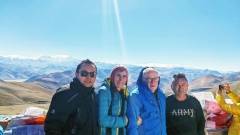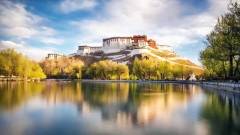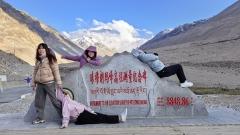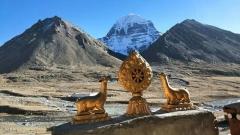

The Sichuan-Tibet Highway remains one of the most breathtaking and challenging overland routes on the planet. Stretching from the lush basins of Chengdu to the high-altitude plateaus of Lhasa, this legendary road offers travelers an unparalleled mix of dramatic landscapes, deep cultural encounters, and raw adventure. However, choosing when to embark on this journey can make or break your experience. Weather patterns shift dramatically across the route, and road conditions vary wildly depending on the season. Understanding the optimal timing ensures not only your safety but also maximizes the visual and cultural rewards of the trip. Whether you are a seasoned overlander or planning your first high-altitude expedition, knowing the right window to hit the road is essential. This comprehensive guide breaks down every season, helping you decide exactly when to pack your bags for the ultimate plateau adventure.
Key Points
- Autumn (September to October) offers the most stable weather, clear skies, and stunning foliage, making it the overall best season.
- Spring (April to May) provides excellent visibility and blooming alpine flowers, though late snowstorms remain a possibility at higher passes.
- Summer (June to August) features warm temperatures but coincides with the monsoon season, bringing heavy rain, landslides, and muddy roads.
- Winter (November to March) presents extreme cold, icy roads, and potential closures, suitable only for highly experienced winter drivers.
- Regardless of the season, altitude sickness preparation and reliable transportation are non-negotiable requirements for this route.
When Is the Best Time to Travel to Tibet via the Sichuan-Tibet Highway in Autumn?
For the vast majority of travelers, autumn—specifically September and October—is considered the absolute best time to travel to Tibet via the Sichuan-Tibet Highway. During these two months, the monsoon rains have retreated, leaving behind crisp, dry air and exceptionally clear blue skies. The reduction in cloud cover means that the towering snow-capped peaks, which are often hidden during the summer, reveal themselves in all their glory. Mountains like Minya Konka and Namcha Barwa stand out sharply against the horizon, providing photographers and sightseers with endless opportunities.
The temperature during autumn strikes a perfect balance. While the nights begin to drop below freezing at higher elevations, daytime temperatures in the valleys and lower passes remain comfortable for driving and short hikes. You will not face the brutal heat of the lower Sichuan basin in summer, nor the bone-chilling cold of the Tibetan winter. This moderate climate makes spending time outside the vehicle much more enjoyable, whether you are exploring a monastery courtyard or walking along a glacial lake.
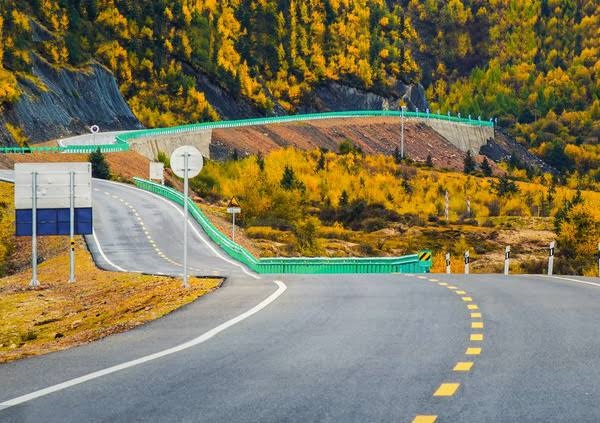
One of the most spectacular reasons to choose autumn is the transformation of the landscape’s colors. As you drive westward from the dense forests of eastern Tibet, the birch and poplar trees turn brilliant shades of gold, amber, and crimson. The contrast between the fiery autumn foliage, the emerald green rivers, and the stark white mountain peaks creates a visual masterpiece that changes with every bend in the road. Areas around Bomi and Nyingchi are particularly famous for their autumn colors, drawing domestic and international travelers who want to witness this fleeting beauty.
Road conditions in autumn are generally at their best. Because the heavy summer rains have stopped, the risk of landslides, mudslides, and washed-out bridges decreases significantly. While the highway has seen massive infrastructure improvements over recent years, including new tunnels bypassing some of the most treacherous mountain passes, natural hazards still exist. Driving in September and October minimizes these risks, allowing for a smoother and more predictable itinerary. However, early snowfalls can occasionally dust the highest passes by late October, so travelers heading out toward the end of the month should still carry tire chains as a precaution.
Exploring the Sichuan-Tibet Highway in Spring: April and May
Spring is another fantastic window for those wondering when is the best time to travel to Tibet via the Sichuan-Tibet Highway. April and May mark the transition from the frozen grip of winter to the warmer, wetter months ahead. During this period, the snow begins to melt, feeding the roaring rivers that carve through the deep gorges of the Hengduan Mountains. The landscape slowly wakes up, transitioning from muted browns and grays to vibrant greens.
The highlight of spring on this route is undoubtedly the blooming of the wild peach blossoms, particularly in the Nyingchi region. Usually peaking in late March to mid-April, these delicate pink flowers blanket the river valleys, creating a surreal contrast against the backdrop of massive, snow-covered mountains. Even if you miss the peak peach blossom season, May brings a carpet of alpine rhododendrons and other wildflowers to the higher meadows, turning the hillsides into natural botanical gardens.
Weather-wise, spring is relatively dry compared to summer. Rainfall is minimal in April and gradually increases in May. Daytime temperatures are pleasant, though travelers must be prepared for significant temperature drops once the sun goes behind the mountains. The air is generally clear, offering excellent visibility for mountain viewing. Unlike the hazy, cloud-covered skies of the monsoon season, spring allows you to see the intricate details of the distant glaciers.
However, spring travel is not without its challenges. The melting snow can make certain unpaved sections of older alternative routes muddy, and sudden late-season blizzards can temporarily close high-altitude passes like the Sela Pass or the Dongda Mountain Pass. Drivers need to remain vigilant and check local road reports daily. Despite these minor hurdles, the sheer beauty of the awakening landscape and the manageable tourist crowds make spring a highly recommended time for the journey.
Navigating the Monsoon: Summer Travel on the Sichuan-Tibet Route
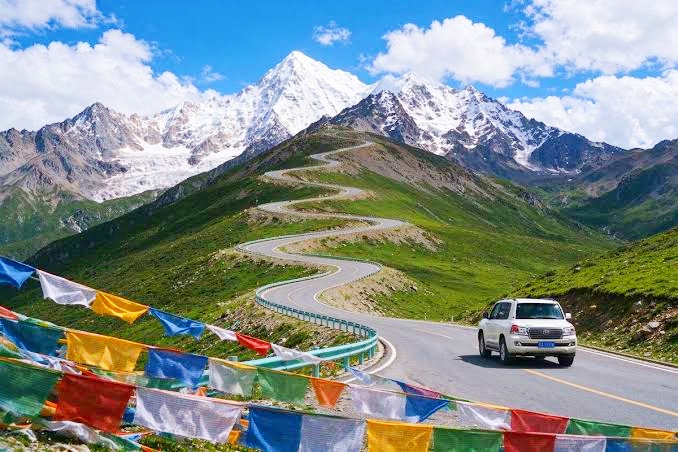
Summer, encompassing June, July, and August, is the most controversial season for traveling the Sichuan-Tibet Highway. On one hand, it is the warmest time of year. The valleys are lush, green, and bursting with life. The high-altitude grasslands are filled with nomadic herders and their yak herds, offering rich cultural interactions. For many locals and students, summer is the only time they have available for long vacations, meaning the road sees its highest volume of traffic during these months.
On the other hand, summer is the monsoon season. The Indian Ocean monsoon pushes moisture deep into the Himalayas and the eastern Tibetan plateau, resulting in frequent, heavy rainfall. This is the primary reason why many experienced overlanders advise against summer travel if you are looking for the safest and most comfortable conditions. The continuous rain saturates the steep, rocky terrain, drastically increasing the frequency of landslides, rockfalls, and mudflows.
During heavy monsoon periods, sections of the highway can be blocked for days while repair crews work to clear debris. Rivers swell rapidly, sometimes washing away temporary bridges or flooding low-lying sections of the road. Driving requires immense patience, advanced off-road skills, and a flexible itinerary. If you have strict flight connections waiting for you in Lhasa, a summer road trip can induce significant anxiety due to unpredictable delays.
Visibility is another major drawback of summer travel. The persistent cloud cover and fog often obscure the majestic mountain peaks that are the main draw of the route. You might drive for hundreds of kilometers without catching a clear glimpse of the surrounding giants. Furthermore, the constant dampness can make camping uncomfortable, and leeches become a nuisance in the densely forested areas of southeastern Tibet.
If you must travel in summer, July is typically the wettest month, while June and August offer slightly better, albeit still unpredictable, weather windows. Always ensure your vehicle is equipped with robust mud tires, recovery gear, and extra supplies in case you get stranded between towns.
Winter Challenges: Is the Sichuan-Tibet Highway Accessible in Winter?
Winter spans from November through March, and it represents the most extreme time to attempt the Sichuan-Tibet Highway. When people ask when is the best time to travel to Tibet via the Sichuan-Tibet Highway, winter is rarely the answer unless the traveler is seeking a hardcore, expedition-style challenge. Temperatures plummet well below freezing, especially at night and at higher elevations. The landscape transforms into a stark, desolate, yet hauntingly beautiful world of ice and snow.
The primary danger of winter travel is black ice. Many sections of the highway wind along steep cliff edges and cross high mountain passes where the sun rarely reaches the pavement during the shorter winter days. Ice accumulates quickly, making driving incredibly hazardous. Tire chains are not just recommended; they are absolutely mandatory for survival. Even with chains, navigating hairpin turns covered in glare ice requires nerves of steel and extensive winter driving experience.
Heavy snowfall frequently leads to road closures. Passes that sit above 4,500 meters can become impassable for days or even weeks at a time. Emergency services and road maintenance crews operate on reduced schedules during the winter, meaning if you break down or get stuck, help may be far away. Many guesthouses, restaurants, and repair shops in smaller towns along the route close down for the season, as the local population migrates to lower altitudes to escape the harsh cold.
Despite these severe drawbacks, winter does offer a few unique advantages for the right type of traveler. The skies are almost always crystal clear, providing unobstructed, panoramic views of the Himalayan range. There are virtually no tourists, allowing for a deeply solitary and introspective experience. Additionally, the sunlight in Lhasa during winter is famously warm and inviting, earning it the nickname “Sunlight City.” If you successfully navigate the route, arriving in Lhasa feels like a monumental personal achievement.
How Altitude and Geography Influence Your Travel Timing
Understanding the geography of the Sichuan-Tibet Highway is crucial for grasping why timing matters so much. The route is generally divided into the Southern Line (G318) and the Northern Line (G317). The Southern Line is more popular, featuring lower average altitudes, better infrastructure, and more diverse scenery, ranging from subtropical forests to alpine tundra. The Northern Line is higher, wilder, more remote, and heavily focused on traditional Tibetan nomadic culture and ancient monasteries.
Regardless of which line you choose, you will be crossing multiple mountain ranges and river valleys. You start in Chengdu at around 500 meters above sea level and gradually climb, repeatedly ascending passes over 4,000 or 5,000 meters before dropping back down into deep river gorges. This rollercoaster topography means you experience several microclimates in a single day of driving.
Altitude sickness is a constant companion on this journey, and the season you choose can affect how your body reacts. In winter, the air is thinner and drier, which can exacerbate altitude symptoms. In summer, the thicker, moisture-laden air can sometimes make breathing feel slightly easier at high elevations, though the physical exertion of dealing with rough road conditions can offset this benefit. Spring and autumn offer the most balanced atmospheric conditions, allowing your body to acclimatize more predictably as you gain elevation.
The geographical layout also dictates where weather bottlenecks occur. The section between Batang and Markam, where you officially cross into the Tibet Autonomous Region, is prone to sudden weather shifts. The winding roads through the Yarlung Tsangpo Grand Canyon area are highly susceptible to summer landslides. Knowing these geographical chokepoints helps you understand why avoiding the rainy season is usually the smartest strategy for a smooth trip.
Essential Preparation Tips for Your Overland Journey
Choosing the right season is only half the battle; thorough preparation is what keeps you safe on the Sichuan-Tibet Highway. First and foremost, secure all necessary permits. Foreign travelers cannot independently travel through the Tibet Autonomous Region. You must obtain a Tibet Travel Permit, which is arranged through a registered travel agency, and you must travel with a licensed guide. Domestic travelers also need to carry identification at all times, as there are numerous checkpoints along the route.
Vehicle selection is paramount. While the G318 highway is mostly paved today, construction detours, unexpected potholes, and seasonal damage mean a high-clearance SUV or a rugged off-road vehicle is highly recommended. Ensure your spare tires are in good condition, and carry basic mechanical tools, extra engine oil, and coolant. If traveling in spring or autumn, pack snow chains. If traveling in summer, bring recovery boards and a shovel for mud extraction.
Health preparation cannot be overstated. Consult a doctor before your trip regarding altitude sickness medication, such as acetazolamide. Pack a comprehensive first-aid kit, including pain relievers, gastrointestinal medicine, wound care supplies, and portable oxygen canisters. Remember that medical facilities become increasingly sparse and basic the further west you drive. Hydration is your best defense against altitude sickness; drink significantly more water than you normally would, and avoid alcohol for the first few days of high-altitude exposure.
Finally, pack clothing in layers. The temperature difference between a sunny valley and a windy mountain pass can exceed twenty degrees Celsius within a few hours. Moisture-wicking base layers, insulating mid-layers, and waterproof, windproof outer shells are essential regardless of the season you choose to travel.
Planning Your Itinerary with China Dragon Travel
Navigating the logistics of the Sichuan-Tibet Highway can be overwhelming, especially for international visitors dealing with permit regulations, language barriers, and complex route planning. This is where partnering with an experienced operator like China Dragon Travel becomes invaluable. Specializing in customized overland journeys across the plateau, China Dragon Travel understands the nuances of the route better than anyone.
Whether you decide that the golden hues of autumn or the blooming valleys of spring represent the best time to travel to Tibet via the Sichuan-Tibet Highway for your specific needs, China Dragon Travel can tailor an itinerary that matches your pace and interests. They provide reliable, well-maintained vehicles driven by veteran local drivers who know every curve, checkpoint, and hidden viewpoint along the G318 and G317 routes. Their guides handle all permit applications seamlessly, ensuring you never face bureaucratic delays at border crossings.
Furthermore, traveling with China Dragon Travel means having access to immediate support in case of emergencies, from sudden weather changes to altitude-related health issues. They curate authentic experiences, arranging stays in local guesthouses and facilitating respectful interactions with Tibetan communities that independent travelers might miss. By entrusting your journey to professionals who live and breathe this route, you free yourself to focus entirely on the awe-inspiring landscapes and profound cultural moments that define the Sichuan-Tibet Highway.
Ultimately, the decision of when to go depends on your tolerance for weather extremes, your desire for specific scenery, and your driving capabilities. Autumn remains the undisputed champion for most travelers, offering the safest roads and the clearest skies. Spring follows closely for nature lovers, while summer and winter demand respect, preparation, and a spirit of true adventure. Whichever season calls to you, the road to Lhasa promises an experience that will permanently alter your perspective on travel and the natural world.