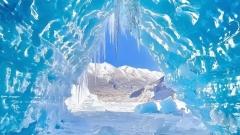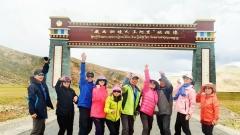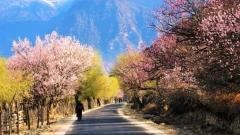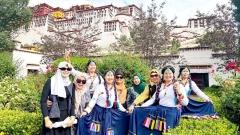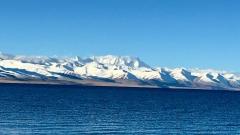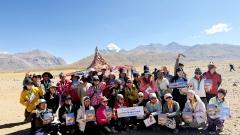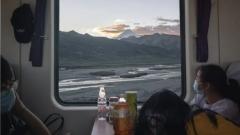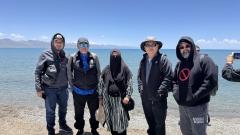

If summer in Tibet belongs to snow mountains, lakes and grasslands, then winter in Tibet belongs to glaciers and blue ice.
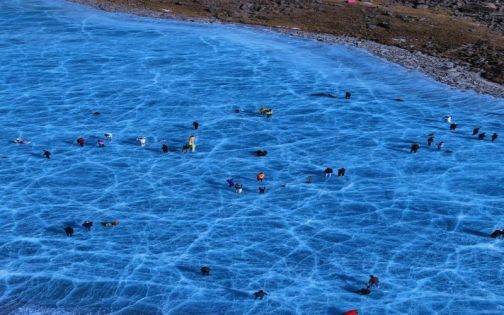
From December to February every year, the high-altitude areas of Tibet enter the coldest and clearest season. The sky becomes incredibly blue, snow mountains become more visible, and frozen lakes transform into vast crystal-like ice fields.
For many travelers, seeing Tibet’s blue ice for the first time is an unforgettable experience.
Transparent ice surfaces look like giant blue gemstones scattered across the plateau. Inside ancient ice caves, sunlight passes through layers of ice and creates a mysterious blue glow, making visitors feel as if they have entered a real-life Ice Age.
The most famous winter blue ice destinations in Tibet include:
- Laigu Glacier Blue Ice Cave in Chamdo
- Yalong Glacier Blue Ice Wall
- Qionmugangga Blue Ice Lake in Shannan
- Qionmugangri Ice Lake near Lhasa
- Puma Yumco Frozen Blue Ice Lake
Each destination offers a different experience. Some showcase ancient glaciers, some feature frozen alpine lakes, and others combine blue ice with dramatic Himalayan landscapes.
Blue Ice
1. Laigu Glacier Blue Ice Guide|Entering a Million-Year-Old Ice Kingdom
📍 Location: Ranwu Town, Baxoi County, Chamdo City, Tibet
Laigu Glacier is one of Tibet’s most iconic winter destinations and a must-see stop along the Sichuan-Tibet Highway (G318).
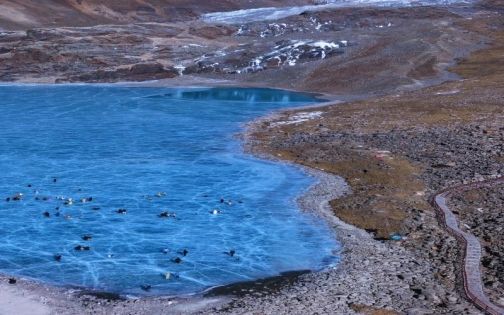
Located near the famous Ranwu Lake, Laigu Glacier consists of several interconnected glaciers. It is especially famous for its enormous frozen lake, blue ice caves and crystal-clear glacier landscapes.
During winter, when the lake completely freezes, visitors can walk close to the glacier edge and experience the ancient ice formed over thousands of years.
When sunlight penetrates the ice walls, the glacier displays different shades of blue, creating a magical atmosphere.
Some areas even reveal:
- Ice bubbles
- Wave-like ice patterns
- Transparent crystal structures
It feels like walking inside a natural art gallery created by time.
Best Time to Visit Laigu Glacier
Best season: December to February
Among these months:
January and February usually offer the clearest blue ice conditions.
Reasons:
- Lower temperatures make the ice more stable
- The lake is completely frozen
- The ice becomes more transparent
- Weather conditions are usually clearer
After March, some areas begin melting, and the blue ice effect gradually decreases.
How to Get to Laigu Glacier
Recommended routes:
From Nyingchi:
Nyingchi Airport
→ Bomi
→ Ranwu Lake
→ Laigu Glacier
Travel time:
Approximately 2 days.
From Lhasa:
Lhasa
→ Nyingchi
→ Bomi
→ Ranwu
→ Laigu Glacier
Suitable for travelers who want a deeper Tibet experience.
Winter travel recommendations:
- Use an SUV or off-road vehicle
- Join a local tour group
- Avoid solo driving in winter
Tickets and Transportation Inside the Scenic Area
After entering the scenic area:
- Around 15–20 minutes walking to reach the ice surface
- Horse riding is also available
Horse riding:
Around RMB 100/person round trip.
Total visiting time:
Approximately 3–4 hours.
The longest waiting time is usually for photography inside the blue ice cave.
Blue Ice
2. Laigu Glacier Equipment Checklist
Laigu Glacier sits at around 4,200 meters above sea level. Winter temperatures are extremely low, and the ice surface is very slippery.
These items are essential:
1. Ice Cleats (Must Have)
The biggest challenge on blue ice is not the cold, but slipping.
Normal shoes have almost no grip on smooth ice.
Recommended:
- Bring your own ice cleats
- Choose the correct size
- Do not completely rely on rentals
2. Winter Clothing
Winter temperature:
Approximately -17°C to -2°C
Recommended layering:
Base layer:
- Quick-dry thermal underwear
Middle layer:
- Fleece jacket
- Warm insulation layer
Outer layer:
- Windproof down jacket
Accessories:
- Warm hat
- Windproof gloves
- Scarf
- Hand warmers
- Thick socks
3. Sun Protection
Snow and ice reflect strong ultraviolet rays.
Essential items:
- SPF50+ sunscreen
- UV400 sunglasses
- Sun protection hat
Long exposure without protection may cause eye discomfort or snow blindness.
4. High Altitude Supplies
Laigu Glacier is above 4,000 meters.
Recommended:
- Portable oxygen bottle
- Glucose
- High-energy snacks
- Thermal water bottle
Avoid running or excessive movement due to excitement.
3. Laigu Glacier Photography Tips
Best Photography Time
Recommended:
10:00 AM – 2:00 PM
Because:
- Sunlight is stronger
- Light penetrates the ice better
- Blue colors become more vivid
For fewer crowds:
Visit early in the morning.
Large tour groups usually arrive later.
Best Photo Spots
① Blue Ice Cave Entrance
Shoot upward from inside the cave to create an “ice world entrance” feeling.
② Transparent Ice Surface
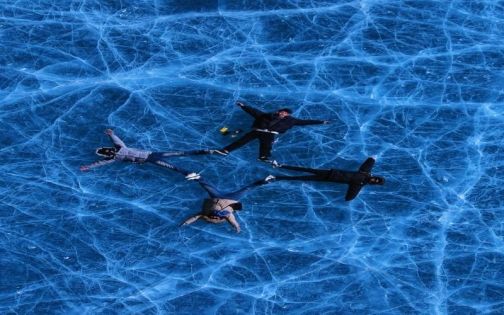
Low-angle shots on the ice create a crystal-like effect.
③ Drone Photography
Aerial views reveal:
- Glacier patterns
- Frozen lake textures
- Snow mountain reflections
The landscape becomes even more spectacular from above.
4. Yalong Glacier Guide|Standing Before a Giant Blue Ice Wall
Yalong Glacier is another spectacular glacier destination in eastern Tibet.
Compared with Laigu Glacier, Yalong Glacier is more remote and receives fewer visitors.
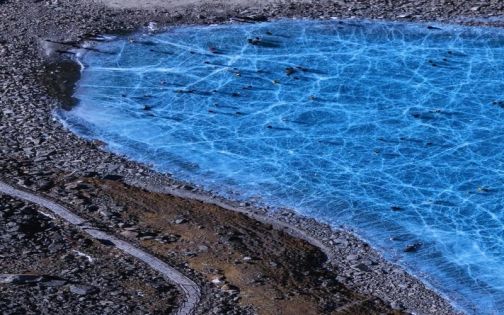
Its greatest attraction is the massive blue ice wall.
Standing in front of the glacier, visitors can truly feel how small humans are compared with nature.
Highlights of Yalong Glacier
① Glacier World at 4,200 Meters
After reaching the glacier lake area, visitors need to wear ice cleats and walk closer to the glacier.
Along the way:
- Snow mountains surround the valley
- Glacier tongues stretch across the landscape
- Frozen lakes reflect the sky
② Famous Blue Ice Wall
Under sunlight, the glacier displays:
- Deep blue
- Turquoise blue
- Crystal-like colors
It is perfect for dramatic human-and-glacier photography.
③ Blue Ice Cave
On sunny mornings, sunlight passes through the ice layers and creates a dreamy blue glow.
Best photography time:
8:00 AM – 11:00 AM
Transportation to Yalong Glacier
Because roads are complicated in winter:
Recommended:
- Local guided tours
- Experienced drivers
- Off-road vehicles
Ordinary cars may struggle during winter conditions.
Blue Ice
5. Qionmugangga Blue Ice Lake Guide|A Winter Gem Near Lhasa
📍 Location: Langkazi County, Shannan, Tibet
Altitude:
Above 5,000 meters
Distance from Lhasa:
Around 3 hours by car.
Qionmugangga is famous for its combination of:
Blue Ice Lake + Pyramid-shaped Snow Mountain
During winter, the frozen lake becomes a blue-and-white fantasy world.
Visitors can see:
- Tiffany-blue ice
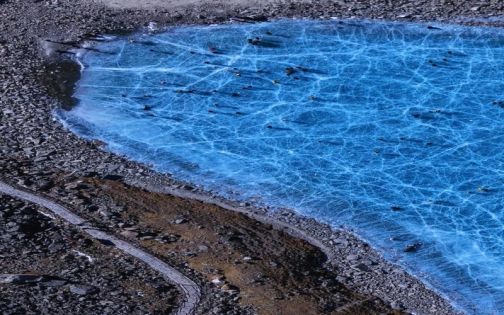
- Ice cracks
- Snow mountain reflections
Transportation
Recommended route:
Lhasa
→ Yamdrok Lake
→ Karola Glacier
→ Qionmugangga
Recommended:
- Private car
- Small group tour
SUVs are recommended in winter.
Ticket Information
Usually:
Around RMB 10 sanitation fee.
Very good value compared with other Tibet attractions.
Hiking Difficulty
From parking area:
Around 30 minutes walking to the lake.
For deeper exploration:
- Snow-covered paths
- Rocky slopes
- High altitude climbing
Choose according to your physical condition.
6. Qionmugangri Blue Ice Guide|A Hidden Ice Wonderland at 5,500 Meters
Qionmugangri has become one of Tibet’s most beautiful hidden blue ice destinations.
Compared with popular places like Namtso and Yamdrok Lake, it remains much quieter.
Its biggest attraction is purity.
At around 5,500 meters, the frozen lake shines like a giant sapphire surrounded by snow mountains.
Best Time
December to February.
During this period:
- Lake surface completely freezes
- Ice becomes clearer
- Blue colors become stronger
Hiking Route
There are usually two main lakes.
First lake:
About 30 minutes walking along the trail.
Second lake:
Requires another 1–1.5 hours hiking.
The route includes:
- Snow
- Rocky paths
- High altitude sections
Choose carefully according to your health condition.
Blue Ice
7. Puma Yumco Blue Ice Lake|One of Tibet’s Most Romantic Winter Landscapes
📍 Location: Langkazi County, Shannan, Tibet
Puma Yumco is known as one of the highest freshwater lakes in the world.
In winter, the frozen lake transforms into a massive blue ice field.
Highlights:
- Blue ice cracks
- Frozen bubbles
- Snow mountain reflections
- Tibetan herder migration scenes
Recommended Two-Day Route
Day 1:
Lhasa
→ Yamdrok Lake
→ Puma Yumco
→ Overnight in Langkazi
Day 2:
Langkazi
→ Qionmugangga
→ Karola Glacier
→ Return to Lhasa
This route combines:
- Sacred lakes
- Glaciers
- Blue ice
- Snow mountains
It is one of the best winter Tibet itineraries.
8. Tibet Blue Ice Packing List
Clothing
Essential:
- Down jacket
- Windproof shell jacket
- Fleece layer
- Thermal pants
- Waterproof shoes
- Thick socks
Ice Equipment
Must bring:
- Ice cleats
- Trekking poles
- Anti-slip shoe covers
Sun Protection
High altitude winter sunlight is extremely strong:
Bring:
- SPF50 sunscreen
- Sunglasses
- Snow goggles
- Lip balm
Altitude Protection
For areas above 5,000 meters:
Prepare:
- Oxygen bottles
- Glucose
- Energy snacks
- Thermal flask
9. Safety Tips for Tibet Blue Ice Travel
1. Never Walk on Unknown Ice Areas
Glaciers and frozen lakes may contain:
- Ice cracks
- Hidden holes
- Thin ice sections
Always follow official routes.
2. Do Not Risk Your Life for Photos
Avoid:
- Standing near cracks
- Climbing restricted glacier areas
- Leaving your group
3. Avoid Intense Exercise at High Altitude
Blue ice destinations are usually:
4,000–5,500 meters above sea level.
Walk slowly and allow your body to adapt.
4. Protect the Glacier Environment
Glaciers take thousands of years to form.
Please:
- Take all garbage away
- Do not break ice
- Do not carve names
- Respect nature
10. Recommended Tibet Blue Ice Itineraries
Route 1: Eastern Tibet Glacier Deep Tour
Chengdu/Lhasa
→ Nyingchi
→ Bomi
→ Ranwu Lake
→ Laigu Glacier
→ Yalong Glacier
→ Return
Best for:
Travelers seeking the most dramatic glacier scenery.
Route 2: Lhasa Blue Ice Short Loop
Lhasa
→ Yamdrok Lake
→ Puma Yumco
→ Qionmugangga
→ Karola Glacier
→ Lhasa
Best for:
First-time winter Tibet visitors with limited time.
Blue Ice
Final Thoughts: Tibet Blue Ice Is Worth the Winter Journey
Tibet’s blue ice is one of the most precious seasonal wonders on Earth.
Unlike ordinary attractions, it does not exist in the same form all year.
Glaciers change, lakes melt, and some areas are gradually becoming restricted for environmental protection.
If you want to experience:
- Ancient glaciers glowing blue under sunlight
- Walking on transparent frozen lakes
- Hearing the subtle sounds of ice beneath your feet
- Snow mountains shining above a frozen world
Winter is the best time to visit Tibet.
The cold may be intense, but the reward is a side of Tibet that is quieter, purer and more breathtaking than any other season.
recommend route: