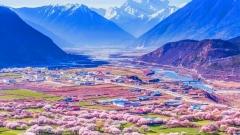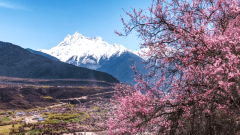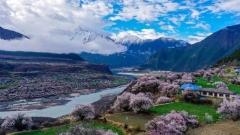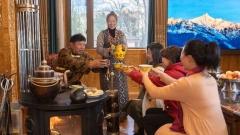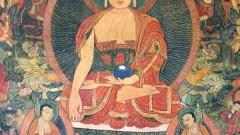

When most travelers imagine Tibet, they often think of snow-covered mountains, turquoise lakes, and the legendary Potala Palace. However, the true essence of Tibet can be found beyond its landscapes — inside its ancient monasteries, where religion, history, art, and daily life have been connected for centuries.
Tibetan monasteries are not only places of worship but also important centers of philosophy, education, and cultural preservation. From the spiritual heart of Lhasa to the historic monasteries of Shigatse, each temple tells a unique story about Tibetan Buddhism and the people who continue to practice these traditions today.
For travelers who want to understand the deeper side of Tibet, exploring its monasteries offers a meaningful journey into the spiritual soul of the plateau.
Why Visit Tibet Through Its Monasteries?
Tibet is often called the “Roof of the World,” but its cultural identity is closely tied to Tibetan Buddhism. For hundreds of years, monasteries have played a central role in shaping Tibetan society.
Visiting these sacred sites allows travelers to experience:
- Ancient Buddhist architecture
- Traditional religious ceremonies
- Tibetan art and murals
- Monastic life and philosophy
- Local pilgrimage traditions
Unlike ordinary historical attractions, Tibetan monasteries are still active religious communities. Visitors can see monks studying Buddhist scriptures, debating philosophical ideas, and participating in daily rituals.
A monastery tour provides a deeper understanding of Tibet beyond sightseeing.
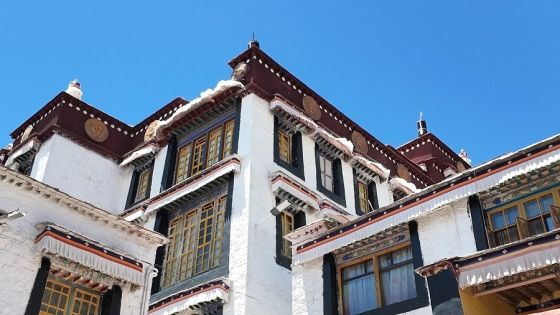
Sera Monastery
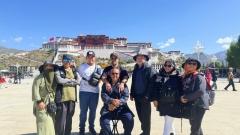
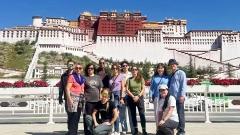
Potala Palace: The Icon of Tibetan Buddhism
No cultural journey through Tibet is complete without visiting the Potala Palace.
Located in the center of Lhasa, this magnificent structure was once the winter residence of the Dalai Lamas and remains one of the most recognizable symbols of Tibet.
Built on Marpo Ri Hill, the palace combines impressive architecture with deep religious significance. Inside, visitors can explore:
- Ancient Buddhist statues
- Religious murals
- Sacred scriptures
- Memorial stupas of previous Dalai Lamas
Beyond its architectural beauty, Potala Palace represents centuries of Tibetan history and spiritual tradition.
Due to its popularity and visitor limits, travelers should plan their visit in advance.
Jokhang Temple: The Spiritual Center of Tibet
Located in the heart of Lhasa’s old city, Jokhang Temple is considered the most sacred temple in Tibetan Buddhism.
For Tibetan pilgrims, Jokhang Temple is the ultimate destination of devotion. Every day, pilgrims from different regions of Tibet come here to pray, walk around the temple, and perform traditional prostrations.
The temple’s most treasured object is the Jowo Rinpoche statue, believed to represent Buddha Shakyamuni at the age of twelve.
Walking around Barkhor Street surrounding Jokhang Temple, visitors can experience a unique atmosphere where religion and everyday life exist together.
Sera Monastery: Witness the Famous Tibetan Buddhist Debates
Located in northern Lhasa, Sera Monastery is one of the three great Gelug monasteries of Lhasa.
The monastery is especially famous for its traditional Buddhist debates, where monks discuss philosophical questions through lively exchanges of knowledge and reasoning.
The debate sessions usually take place in the afternoon, with monks using gestures and movements while presenting their arguments.
This tradition is not simply a performance but an important part of Tibetan Buddhist education. It allows monks to develop critical thinking and a deeper understanding of Buddhist philosophy.
For many visitors, watching the debates is one of the most memorable cultural experiences in Lhasa.
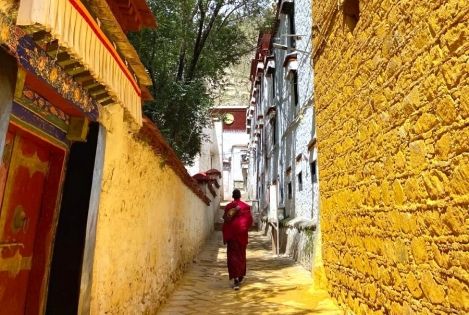
Sera Monks
Drepung Monastery: One of the Largest Monasteries in Tibet
Drepung Monastery was once one of the largest monasteries in the world and played an important role in the history of the Gelug school of Tibetan Buddhism.
Founded in the 15th century, Drepung became an important center for Buddhist learning. At its peak, thousands of monks studied and practiced here.
Visitors can explore:
- Large monastery halls
- Religious artwork
- Traditional Tibetan architecture
- Historical sites connected with the Dalai Lamas
Compared with the more crowded attractions in central Lhasa, Drepung offers a quieter atmosphere where travelers can better appreciate the spiritual environment.
Tashilhunpo Monastery: The Spiritual Center of Shigatse
Located in Shigatse, Tibet’s second-largest city, Tashilhunpo Monastery is one of the most important religious sites outside Lhasa.
Founded in 1447, it has been the traditional residence of the Panchen Lamas.
The monastery is famous for:
- The giant Maitreya Buddha statue
- Beautiful prayer halls
- Traditional Tibetan religious architecture
Compared with some monasteries in Lhasa, Tashilhunpo offers a more peaceful atmosphere and provides travelers with a deeper look into Tibetan Buddhist traditions outside the capital.
Rongbuk Monastery: The World’s Highest Monastery Near Everest
For travelers visiting Everest Base Camp, Rongbuk Monastery is an unforgettable stop.
Located at an altitude of approximately 5,000 meters near Mount Everest, Rongbuk Monastery is often recognized as the highest monastery in the world.
From here, visitors can enjoy one of the closest views of Mount Everest from the Tibet side.
The combination of:
- Ancient monastery buildings
- Vast Himalayan landscapes
- The world’s highest peak
makes Rongbuk Monastery one of the most unique cultural sites in Tibet.
The Best Time to Visit Tibet’s Monasteries
Tibet’s monasteries can be visited throughout the year, but different seasons offer different experiences.
Spring (April–June)
Advantages:
- Comfortable weather
- Fewer tourists
- Good conditions for sightseeing
Summer (July–August)
Advantages:
- Longer daylight hours
- More cultural activities
- Green landscapes around some areas
However, this is also the busiest travel season.
Autumn (September–October)
Many travelers consider autumn the best season:
- Clear skies
- Excellent visibility
- Comfortable temperatures
- Beautiful mountain views
Winter (November–March)
Winter offers:
- Fewer visitors
- Peaceful monastery atmosphere
- More opportunities to experience local religious life
How to Experience Tibet’s Monasteries in Depth?
A simple visit to a monastery may only show the outside architecture. To truly understand Tibetan Buddhism, travelers should slow down and observe.
Recommended experiences include:
- Watching monks’ debates
- Observing pilgrims’ traditions
- Learning about Buddhist history
- Exploring monastery artwork
- Listening to local guides explain religious meanings
Traveling with a knowledgeable guide can help visitors better understand the stories behind these ancient sites.
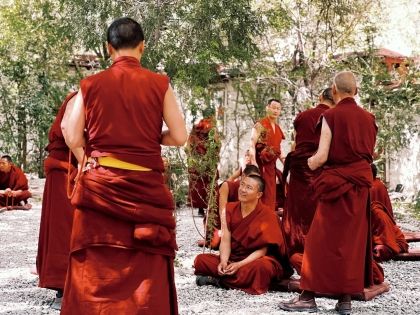
Sera Monks Debate
Recommended Tibet Monastery Tour
For travelers who want to explore Tibet’s spiritual and cultural heritage, a monastery-focused itinerary is an ideal choice.
The 8-Day Monasteries Classic Tibet Small Group Tour covers many of Tibet’s most important Buddhist sites, including:
- Potala Palace
- Jokhang Temple
- Sera Monastery
- Drepung Monastery
- Tashilhunpo Monastery
- Everest Base Camp area and Rongbuk Monastery
With a small group format, comfortable transportation, and professional local guides, travelers can experience Tibet’s religious traditions at a relaxed pace.
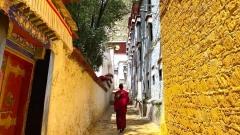
Discover the Spiritual Heart of Tibet
Tibet’s monasteries are more than ancient buildings. They are living centers of faith, learning, and culture that continue to shape Tibetan life today.
From the sacred halls of Jokhang Temple to the remote beauty of Rongbuk Monastery near Everest, each monastery reveals a different chapter of Tibet’s history and spiritual traditions.
For travelers seeking more than beautiful scenery, a journey through Tibet’s monasteries offers a deeper connection with the culture, people, and soul of the Tibetan plateau.