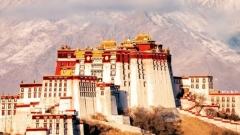

When people think of Tibet, they often picture snow-covered mountains, turquoise lakes, and the iconic Potala Palace. However, the true cultural heart of Tibet can be found in its ancient monasteries, where religion, history, art, and daily life have been connected for centuries.
Tibetan monasteries are not only places for Buddhist practice but also important centers of education, philosophy, and traditional art. From the sacred temples of Lhasa to remote monasteries near the Himalayas, each site tells a unique story about Tibetan Buddhism and the people who have preserved these traditions for generations.
For travelers who want to understand the deeper meaning of Tibet, visiting its most famous monasteries offers an unforgettable journey into the spiritual and cultural soul of the Tibetan Plateau.
Why Tibetan Monasteries Are Important to Tibet’s Culture
Tibetan Buddhism has played a central role in shaping Tibet’s history and identity. For centuries, monasteries have served as places of worship, learning, and cultural preservation.
Unlike ordinary historical buildings, many Tibetan monasteries are still active religious communities today. Visitors can observe monks studying Buddhist scriptures, practicing rituals, and participating in traditional ceremonies.
A visit to a Tibetan monastery offers the opportunity to experience:
- Ancient Buddhist architecture
- Colorful murals and religious artwork
- Traditional Tibetan rituals
- Buddhist philosophy and teachings
- Local pilgrimage customs
For many travelers, monasteries provide a deeper understanding of Tibet beyond its natural landscapes.
1. Jokhang Temple: The Most Sacred Temple in Tibet
Located in the heart of Lhasa’s old city, Jokhang Temple is widely considered the most sacred temple in Tibetan Buddhism.
Built in the 7th century during the reign of King Songtsen Gampo, Jokhang Temple has been the spiritual center of Tibet for more than a thousand years.
The temple’s most precious treasure is the Jowo Rinpoche statue, a highly revered image of Buddha Shakyamuni. For Tibetan pilgrims, visiting Jokhang Temple is one of the most important religious journeys in their lives.
Outside the temple, Barkhor Street surrounds the historic area, where visitors can see pilgrims walking clockwise around the temple, spinning prayer wheels, and practicing traditional forms of devotion.
Jokhang Temple is not just a tourist attraction — it is a living symbol of Tibetan faith and culture.
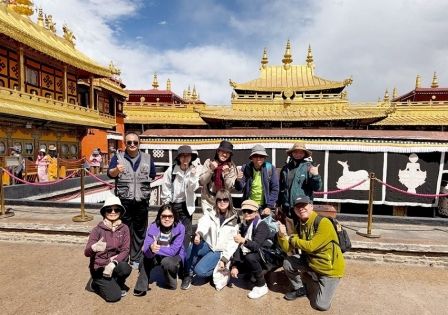
Jokhang Temple
2. Potala Palace: The Symbol of Tibetan Buddhism
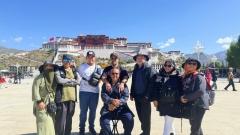
Although Potala Palace is not a monastery in the traditional sense, it remains the most famous Buddhist landmark in Tibet and an essential destination for anyone visiting Lhasa.
Built on Marpo Ri Hill, the palace was once the winter residence of the Dalai Lamas and served as an important religious and political center.
The palace complex consists of the White Palace and Red Palace, containing:
- Thousands of Buddhist statues
- Ancient scriptures
- Beautiful murals
- Memorial stupas
The impressive architecture reflects the close relationship between Tibetan Buddhism, history, and Tibetan society.
Standing above Lhasa, Potala Palace remains one of the most recognizable symbols of Tibet.
3. Sera Monastery: The Famous Home of Tibetan Buddhist Debates
Located in northern Lhasa, Sera Monastery is one of the three great Gelug monasteries of Lhasa and one of the best places to experience Tibetan Buddhist traditions.
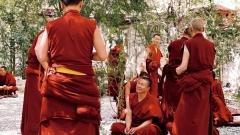
The monastery is famous for its traditional Buddhist debates, where monks discuss religious philosophy through questions, answers, and logical reasoning.
These debates are an important part of monastic education. Through discussion and argument, monks develop a deeper understanding of Buddhist teachings.
The debates usually take place in the afternoon, and watching this centuries-old tradition is one of the most memorable cultural experiences in Lhasa.
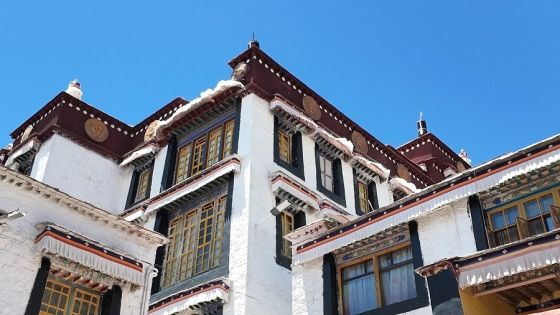
Sera Monastery
4. Drepung Monastery: One of the Largest Monasteries in Tibet
Founded in 1416, Drepung Monastery was once one of the largest monasteries in the world and an important center of Tibetan Buddhist learning.
Located near Lhasa, Drepung belonged to the Gelug school and played a significant role in Tibet’s religious history.
At its peak, thousands of monks lived and studied here. The monastery complex includes:
- Large prayer halls
- Ancient Buddhist statues
- Religious murals
- Historical buildings connected with the Dalai Lamas
Compared with some of Lhasa’s more crowded attractions, Drepung offers a quieter environment where visitors can appreciate Tibetan architecture and spiritual traditions.
5. Ganden Monastery: The Birthplace of the Gelug School
Located northeast of Lhasa, Ganden Monastery holds a special place in Tibetan Buddhist history.
Founded in 1409 by Tsongkhapa, the founder of the Gelug school, Ganden became the first monastery of the Yellow Hat Sect.
The monastery sits on a mountain ridge surrounded by beautiful valleys, offering impressive views of the Tibetan landscape.
Visitors can explore:
- Traditional prayer halls
- Religious artwork
- Pilgrimage paths
- Mountain scenery
For travelers interested in Tibetan Buddhism, Ganden Monastery provides important insight into the origins and development of the Gelug tradition.
6. Tashilhunpo Monastery: The Spiritual Center of Shigatse
Located in Shigatse, Tibet’s second-largest city, Tashilhunpo Monastery is one of the most important monasteries outside Lhasa.
Founded in 1447, the monastery became the traditional residence of the Panchen Lamas, making it a major religious center of Tibetan Buddhism.
The monastery is especially famous for:
- The giant Maitreya Buddha statue
- Beautiful Buddhist halls
- Traditional Tibetan architecture
- Important religious relics
Compared with many famous sites in Lhasa, Tashilhunpo offers a more peaceful atmosphere and allows visitors to experience Tibetan Buddhist culture in a deeper way.
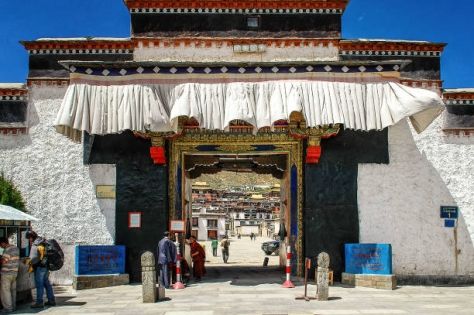
Tashilhunpo Monastery
7. Rongbuk Monastery: The Highest Monastery Near Mount Everest
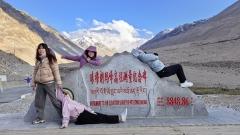
Located near the northern base of Mount Everest, Rongbuk Monastery is one of the most unique monasteries in Tibet.
At an altitude of approximately 5,000 meters, it is often recognized as one of the highest monasteries in the world.
The monastery was originally established as a meditation place for Buddhist practitioners. Today, it attracts travelers from around the world because of its extraordinary location beneath the world’s highest mountain.
The combination of:
- Ancient Buddhist traditions
- Himalayan landscapes
- Mount Everest views
makes Rongbuk Monastery an unforgettable destination.
8. Samye Monastery: The First Buddhist Monastery in Tibet
Located in the Shannan region of Tibet, Samye Monastery is considered the first Buddhist monastery built in Tibet.
Founded in the 8th century during the reign of King Trisong Detsen, Samye played a key role in the development of Tibetan Buddhism.
The monastery is famous for its unique architectural design, which combines influences from:
- Tibetan architecture
- Indian Buddhist traditions
- Chinese architectural styles
As an important historical site, Samye Monastery represents the beginning of organized Buddhist practice in Tibet.
9. Palcho Monastery: A Unique Blend of Tibetan Buddhist Traditions
Located in Gyantse, Palcho Monastery (Baiju Temple) is known for its unique history and architectural beauty.
Unlike many monasteries that belong to a single Buddhist school, Palcho Monastery historically represented cooperation among different Tibetan Buddhist traditions.
Its most famous attraction is the Kumbum Stupa, a spectacular structure containing thousands of Buddhist images and murals.
The monastery offers visitors a chance to appreciate Tibet’s religious diversity and artistic achievements.
Best Time to Visit Tibetan Monasteries
Tibetan monasteries can be visited throughout the year, but each season offers a different experience.
Spring (April–June)
Advantages:
- Comfortable temperatures
- Fewer tourists
- Good conditions for sightseeing
Spring is a pleasant time to explore monasteries in Lhasa and surrounding areas.
Summer (July–August)
Summer offers:
- Longer daylight hours
- More cultural activities
- Lush landscapes in some regions
However, it is also the busiest travel season.
Autumn (September–October)
Many travelers consider autumn the best season for Tibet travel.
Benefits include:
- Clear blue skies
- Excellent mountain visibility
- Comfortable weather
- Great photography conditions
Winter (November–March)
Winter provides:
- Fewer visitors
- A quieter atmosphere
- More opportunities to observe local religious life
Although temperatures are colder, winter can be a rewarding season for cultural travelers.
Tips for Visiting Tibetan Monasteries
Respect Local Religious Customs
When visiting monasteries:
- Dress respectfully
- Avoid disturbing religious activities
- Follow photography rules
- Do not touch religious objects without permission
Take Time to Observe
A monastery visit is not only about taking photos.
Take time to:
- Watch pilgrims
- Observe monks’ daily activities
- Learn the meaning behind religious traditions
A local guide can help explain the history and symbolism behind what you see.
Visit at the Right Time
Some monasteries have special ceremonies, festivals, or prayer activities throughout the year. Checking local schedules can make your experience more meaningful.
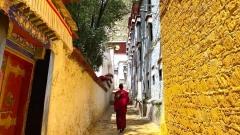
Discover the Spiritual Side of Tibet
Tibetan monasteries are more than ancient buildings. They are living places where faith, history, and culture continue to exist today.
From the sacred Jokhang Temple in Lhasa to the remote Rongbuk Monastery beneath Mount Everest, each monastery reveals a different chapter of Tibet’s spiritual heritage.
For travelers who want to experience the real Tibet beyond mountains and lakes, exploring these sacred Buddhist sites is one of the most meaningful ways to understand the history, traditions, and soul of the Tibetan Plateau.