
Key Takeaways
- Tibet is home to far more than three sacred lakes: Beyond Yamdrok Lake, Namtso and Lake Manasarovar, dozens of lesser-known lakes offer spectacular landscapes and fewer crowds.
- Yamdrok Lake, Namtso and Lake Manasarovar are the classic choices: These three sacred lakes are ideal for first-time visitors looking for Tibet’s iconic lake scenery and cultural significance.
- Peiku Tso is one of the best snow mountain-and-lake combinations: On clear days, Shishapangma can be seen rising dramatically behind the lake.
- Tangra Yumtso is a top choice for remote landscapes: Its deep-blue water, surrounding mountains and Tibetan cultural heritage make it especially rewarding for travelers seeking solitude.
- Puma Yumco combines a high-altitude lake with Kula Kangri: Staying overnight near Tuiwa Village can provide opportunities for sunset and starry-sky photography.
- Serling Tso is Tibet’s largest lake: Its enormous scale, remote setting and unusual blue-green and yellow-green colors make it particularly attractive for landscape photography.
- Zhari Namco offers a true wilderness experience: Some of the most impressive viewpoints require long drives on rough roads, making it better suited to experienced road-trip travelers.
- Kula Kangri is ideal for hiking: Baima Lin Tso and the Zhegong Tso lakes combine snow peaks, glaciers and vividly colored high-altitude lakes.
- Tibet’s lakes are not always blue: Minerals, water depth, sediment, sunlight and geology can create striking shades of turquoise, green, yellow, brown and even orange.
- Clear weather and calm water matter more than the season alone: Low wind and good visibility are essential for seeing snow mountain reflections.
- Autumn is excellent for photography: September and October often offer clear air, golden grasslands and strong contrasts between the plateau and deep-blue lakes.
- High-altitude acclimatization is essential: Many remote lakes sit at significant elevations, so avoid packing too many high-altitude destinations into a single day.
- Remote lakes require careful transportation planning: Check road conditions and vehicle suitability before visiting destinations such as Zhari Namco, Mount Sap, Xincuo and remote areas of Ngari.
- The best lake is not necessarily the biggest or most famous: Some of Tibet’s most unforgettable landscapes come from small, unnamed lakes surrounded by mountains, grasslands and wilderness.
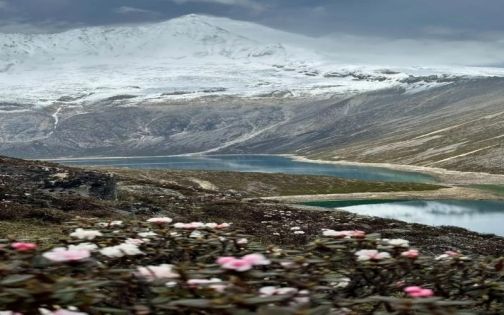
Baimalin Co
Tibet’s Sacred Lakes: There Is Much More Than the Three Sacred Lakes
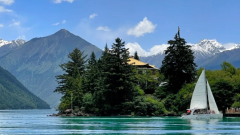
After spending more than two months traveling through Tibet, I found myself visiting one lake after another. In total, I saw around 20 well-known lakes with official names, along with countless smaller unnamed lakes scattered across the plateau.One thing became clear very quickly: Tibet’s lakes are almost impossible to appreciate from photographs alone. When the weather is clear, almost every lake has its own character. Some are deep blue, some shift between turquoise and green, and others display unusual shades of yellow, brown or even orange depending on the geology, sunlight and water conditions.Most first-time visitors have heard of Tibet’s three sacred lakes: Yamdrok Lake, Namtso and Lake Manasarovar. They are certainly worth visiting, but they represent only a small part of Tibet’s extraordinary lake landscape.For travelers returning to Tibet or looking for a more remote experience, lakes such as Peiku Tso, Tangra Yumtso, Puma Yumco, Baima Lin Tso and the Zhegong Tso lakes are well worth adding to a deeper itinerary.
Tibet’s Three Sacred Lakes
Yamdrok Lake: The Classic Tibetan Plateau Lake
Yamdrok Lake is located in southern Tibet’s Shannan region and is one of Tibet’s most famous sacred lakes.Its shoreline twists through the mountains, creating a distinctive turquoise-blue shape when viewed from above. From a high viewpoint, the lake looks almost like a giant blue ribbon winding through the plateau.A quick stop beside the highway is enough to understand why Yamdrok is famous, but travelers who have more time should explore different viewpoints. Rituo Temple and Rulila Viewpoint are particularly rewarding because the lake looks completely different from different elevations and directions.Clear weather and soft morning or evening light can dramatically enhance the color of the water.
Namtso: Deep Blue Water Beneath the Nyenchen Tanglha Mountains
Namtso is one of Tibet’s three sacred lakes and lies between Damxung and Bangor counties.The lake is backed by the Nyenchen Tanglha mountain range, creating one of the classic high-altitude landscapes of Tibet. On clear days, the water can appear an intense deep blue, contrasting sharply with the surrounding mountains and open grasslands.If time allows, consider staying overnight near the lake rather than visiting only as a day trip. Sunrise, sunset and clear night skies can completely transform the landscape.However, Namtso sits at a very high elevation. Travelers should allow time to acclimatize in Lhasa before heading to higher areas.
Lake Manasarovar: A Sacred Lake on the Kailash Route
Lake Manasarovar is located in Purang County in western Tibet and is one of the most important sacred lakes in the region.It is commonly visited as part of a western Tibet itinerary that also includes Mount Kailash, Lake Rakshastal and the surrounding Himalayan landscapes.The lake is known for its beautiful blue-green water and its spiritual significance. On clear days, the surrounding mountains create dramatic reflections across the lake.Because of its remote location and high elevation, Lake Manasarovar is better suited to a longer western Tibet journey rather than a short sightseeing trip.
The Most Beautiful and Unique Lakes in Tibet
Peiku Tso: A Snow Mountain and Lake Combination
If you are looking for a lake that combines water and an 8,000-meter peak in one landscape, Peiku Tso should be high on your list.The lake can be viewed together with Shishapangma, one of the world’s 8,000-meter peaks and the only 8,000-meter mountain whose entire massif lies within China.Many travelers simply stop at viewpoints along the G219 highway. However, if conditions and access allow, the Peiku Tso–Shishapangma viewpoint offers a much more impressive perspective.On a clear day, the blue lake, snow-covered mountain and vast Tibetan sky create an unforgettable landscape.
Tangra Yumtso: One of the Most Impressive Lakes in Northern Tibet
Tangra Yumtso, located in Nyima County in northern Tibet, is one of the most fascinating lakes for travelers interested in remote Tibetan landscapes.The water can appear an exceptionally deep blue, especially under clear skies. The surrounding wilderness, distant mountains and nearby villages create a much quieter atmosphere than Tibet’s most famous tourist attractions.For photographers, spending more time beside the lake is worthwhile. As the sunlight changes, the color and texture of the water can change dramatically.
Puma Yumco: The “Tears of a Young Girl”
Puma Yumco, whose name is often translated as the “Tears of a Young Girl,” is located in southern Tibet and is closely associated with the Kula Kangri mountain region.The combination of the lake and snow-covered Kula Kangri creates a particularly dramatic landscape. On clear days, the surrounding mountains rise above the blue water and grasslands.If you are comfortable with the altitude, staying overnight around Tuiwa Village can provide opportunities to experience sunset and the night sky.Because the region is remote and located at high elevation, travelers should not underestimate the conditions. Warm clothing and proper acclimatization are essential.
Meima Tso: Snow Mountains, Grasslands and Tibetan Antelope
Meima Tso is particularly attractive because of the variety of elements that can appear in a single landscape.Snow-covered mountains, open grasslands, the lake and Tibetan antelope can sometimes all become part of the same scene.This type of lake does not necessarily have elaborate tourist infrastructure. Its appeal lies precisely in the untouched natural environment.
Baima Lin Tso: A Lake Surrounded by Snow Peaks
Baima Lin Tso is located in the Kula Kangri region and is especially popular with hikers and outdoor travelers.The area is surrounded by snow-covered peaks, creating a 360-degree mountain panorama. Hiking around the lake allows visitors to experience different perspectives of the mountains, glaciers and water.The landscape can become even more impressive during the rhododendron season, when alpine flowers add another layer of color to the scenery.
Zhegong Tso: Three Lakes in Different Colors
The Zhegong Tso area is another excellent destination around Kula Kangri.The three lakes can appear in different shades depending on sunlight, water depth and surrounding geology. Glaciers and snow peaks add another dramatic layer to the landscape.From higher sections of the hiking route, it may be possible to see all three lakes together with the surrounding mountains.This is better suited to travelers with some high-altitude hiking experience.
Lake Rakshastal: Another Side of the Kailash Landscape
Lake Rakshastal lies close to Lake Manasarovar and is commonly included in Mount Kailash travel itineraries.While Lake Manasarovar is famous for its sacred significance, Rakshastal has a more rugged and remote character.On clear days, Mount Kailash can be visible in the distance, creating a powerful contrast between the sacred mountain, the lake and the surrounding wilderness.
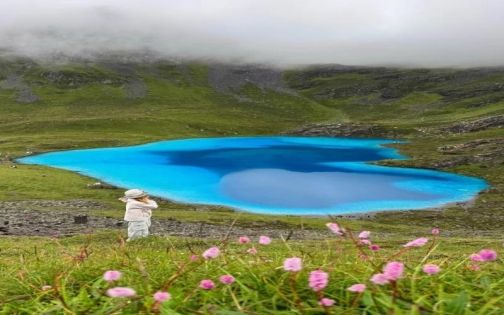
Gurulacuo
Northern Tibet: Lakes for Deep Travelers
Serling Tso: Tibet’s Largest Lake
Serling Tso is located in Nagqu and is currently the largest lake in Tibet by surface area. It is also one of China’s largest saltwater lakes.Compared with Namtso, the landscape around Serling Tso feels more remote and wild. The surrounding plateau stretches almost endlessly toward the horizon.From above, different parts of the lake can appear blue, turquoise or yellow-green. The contrast between the water and the surrounding grasslands makes it particularly interesting for landscape photography.
Zhari Namco: Remote Beauty and Dramatic Shorelines
Zhari Namco is located in western Tibet and is one of the largest lakes in the region.The lake is enormous, but some of its most distinctive views require traveling farther away from the main roads. Reaching certain viewpoints can involve many kilometers of rough, unpaved roads.This is a destination better suited to travelers with suitable vehicles, flexible schedules and experience traveling in remote parts of the Tibetan Plateau.
Dingjie Zongco: A Mirror for Ama Zhimi Mountain
Dingjie Zongco is a distinctive glacial lake with a shape resembling a gourd.One of its most impressive features is the possibility of seeing Ama Zhimi Mountain reflected almost perfectly in the lake when the weather is calm and there is little wind.Because the vehicle can reach relatively close to the lakeshore under suitable road conditions, it can be a rewarding stop for photographers.
Xincuo and Bailang Valley: Hiking Beyond Basong Tso
Xincuo and Bailang Valley are located within the wider Basong Tso scenic area but offer a much more outdoor-oriented experience than the main tourist zone.Access to some trailheads involves approximately 30 kilometers of rough road. Conditions can vary depending on weather.Xincuo is surrounded by dense forest and alpine scenery, while Bailang Valley offers opportunities to see glaciers and high mountain landscapes.These areas are more suitable for travelers who enjoy hiking and are prepared for basic road and trail conditions.
Why Are Tibet’s Lakes So Different in Color?
One of the most fascinating things about Tibet’s lakes is that they are not all simply “blue.”Water color is influenced by water depth, minerals, sediment, algae, sunlight, weather and the surrounding geology. As a result, the same lake can even look different at different times of the day.Gurula Tso, for example, is known for its vivid blue water and layered shades of blue. Nier Tso has more unusual yellow-green tones, while parts of Serling Tso can shift between turquoise and yellow-green.Some lakes, such as Wuma Tso and Daze Tso, show particularly striking color variations from an aerial perspective, with contrasting blue-green and reddish-brown areas.If you have already visited several famous blue lakes, these unusual-colored lakes can offer an entirely different photographic experience.
Tibet’s Largest Lakes
Tibet is home to an extraordinary number of large lakes, particularly across northern Tibet and the Ngari region.Serling Tso is currently the largest, covering roughly 2,400 square kilometers. Namtso covers approximately 1,900–2,000 square kilometers, while Zhari Namco covers around 1,000 square kilometers.Tangra Yumtso, Yamdrok Lake and several other large lakes also rank among Tibet’s most significant bodies of water.Lake areas can vary depending on water levels, seasons and measurement methods, so figures from different sources may differ slightly.For travelers, the exact ranking is less important than the character of each lake, its accessibility and whether it can be combined with surrounding mountains, grasslands, glaciers or cultural sites.
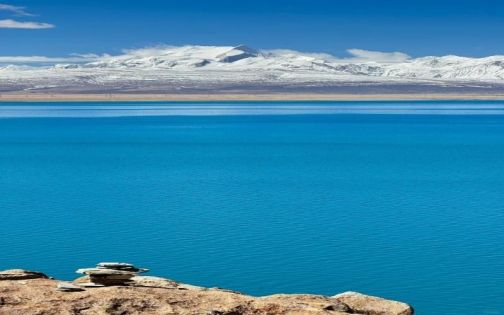
Peiku Lake
Best Time to Visit Tibet’s Lakes
May to June: Snow and Ice Begin to Retreat
Late spring and early summer can still bring snow and ice to some high-altitude lakes.Visitor numbers are generally lower than during the peak summer period, but remote roads may still be affected by weather conditions.
July to September: Green Grasslands and Vibrant Lakes
Summer brings greener grasslands and strong lake colors across much of Tibet. Wildlife is also more active in some regions.However, July and August can bring more rainfall, especially in some parts of Tibet. Heavy rain can also affect road conditions in remote areas.
September to October: Excellent for Photography
Autumn is one of the most attractive periods for lake photography. The air can be exceptionally clear, while the grasslands gradually turn golden.The contrast between golden plateau grasslands and deep-blue lakes creates a completely different atmosphere from summer.
Practical Tips for Visiting Tibet’s Lakes
Do Not Look Only at the Weather Forecast
A clear forecast does not automatically mean perfect lake conditions.For mountain reflections, you ideally want clear skies, low wind and good visibility. Even with perfect weather, strong winds can create waves that destroy reflections on the water.
Avoid Packing Too Many High-Altitude Lakes Into One Day
Many of Tibet’s most beautiful lakes are located at high elevations.Trying to visit several high-altitude lakes in a single day may look efficient on paper but can make the journey unnecessarily exhausting.This is particularly important around Namtso, Puma Yumco, northern Tibet and Ngari, where both altitude and driving distances can be significant.
Choose the Right Vehicle for Remote Lakes
Some destinations, including Zhari Namco, Mount Sap, Xincuo and remote lakes in Ngari and northern Tibet, require long drives on unpaved or rough roads.Before setting out, check road conditions, vehicle suitability and local access information. Travelers without experience driving long distances at high altitude may find a private vehicle with an experienced local driver much more comfortable.
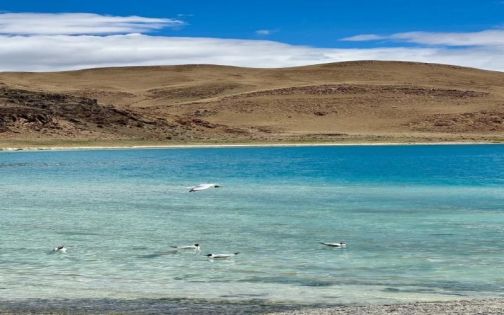
yamdrok lake
Tibet’s Lakes Are About More Than the Water
After spending more than two months traveling through Tibet, one of the strongest impressions is that Tibet has no ocean, yet somehow contains almost every shade of blue imaginable.There is the winding turquoise water of Yamdrok Lake, the deep blue of Namtso, the jade-like tones of Lake Manasarovar, the snow mountain reflections of Peiku Tso and the mysterious depth of Tangra Yumtso.But after seeing enough blue lakes, you may find yourself appreciating the unusual ones even more.The yellow-green tones of Nier Tso, the changing colors of Serling Tso, the contrasting colors of Wuma Tso and Daze Tso, and the countless unnamed lakes scattered across the plateau can be just as memorable as Tibet’s famous sacred lakes.For a first trip to Tibet, Yamdrok Lake, Namtso and Lake Manasarovar are natural choices. If you want snow mountains reflected in lakes, consider Peiku Tso, Puma Yumco and the Kula Kangri region. For a deeper adventure, Tangra Yumtso, Zhari Namco, Serling Tso and the remote lakes of Ngari and northern Tibet offer a completely different experience.In the end, the most memorable lake is not necessarily the largest, the bluest or the most famous.Sometimes it is simply the lake you arrive at when the wind suddenly stops, the clouds disappear and a distant snow mountain is perfectly reflected in the still water.That fleeting moment is what makes Tibet’s lakes unforgettable.