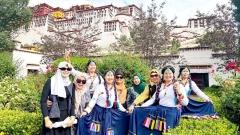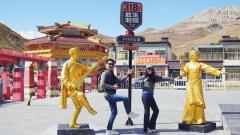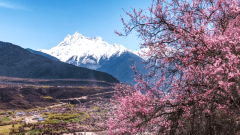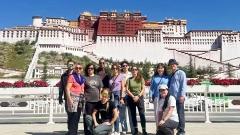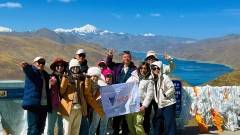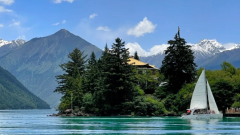

Far from the busy streets of Lhasa, Nagqu offers a different side of Tibet: vast grasslands, sacred lakes, snow-covered peaks, ancient monasteries, and some of the most remote landscapes on the Tibetan Plateau. Located in northern Tibet, this high-altitude region is ideal for travelers who want to experience the plateau’s natural beauty and cultural traditions beyond the usual tourist routes.
Nagqu is not a conventional sightseeing destination. Distances between attractions can be long, road conditions vary, and the high elevation requires careful planning. In return, visitors may encounter wide-open landscapes, traditional Tibetan settlements, and a sense of solitude that is increasingly difficult to find in more developed destinations.
Key Takeaways
- Best for: Travelers interested in remote landscapes, sacred lakes, mountain scenery, Tibetan culture, and photography.
- Top natural attractions: Selin Co, Sapu Sacred Mountain, Mount Nyenchen Tanglha, and Purog Kangri Glacier.
- Cultural highlights: Zandan Monastery and the traditional religious heritage of northern Tibet.
- Travel considerations: High altitude, long driving distances, changeable weather, and limited services in remote areas.
- Planning advice: Allow enough time for acclimatization and arrange the necessary travel permissions and transportation before departure.
1. Changtang National Nature Reserve
The Changtang National Nature Reserve protects an immense area of the northern Tibetan Plateau, where high-altitude grasslands, lakes, wetlands, and mountain ranges create an important habitat for Tibetan wildlife. Its open landscapes convey the scale and remoteness that make northern Tibet so distinctive.
Wildlife associated with the wider Changtang region includes Tibetan antelope, wild yaks, Tibetan gazelles, and kiang, or Tibetan wild asses. Depending on the season and location, visitors may also encounter migratory birds around lakes and wetlands. Sightings are never guaranteed, so patience and respectful observation are essential.
For travelers accustomed to Tibet’s monasteries and historic towns, Changtang reveals another side of the region. The landscape is shaped by pastoral traditions and the rhythms of life on the plateau, while the immense sky and distant mountain horizons create exceptional opportunities for landscape photography.
Much of the reserve is remote and environmentally sensitive. Access to particular areas may be restricted, and visitors should not assume that every part of the reserve is open to tourism. Travel with authorized local arrangements, remain on permitted routes, and never approach or feed wild animals.
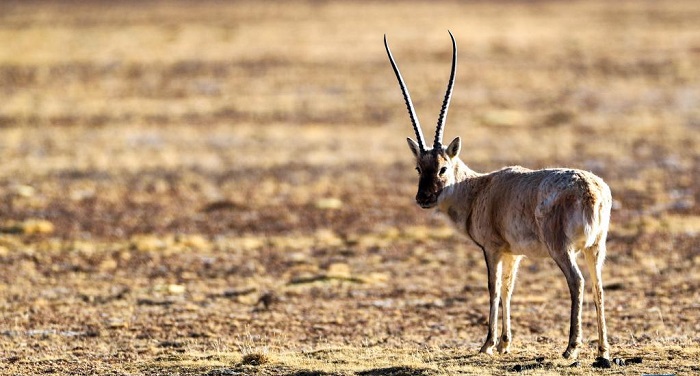
Changtang National Nature Reserve
2. Mount Nyenchen Tanglha
Mount Nyenchen Tanglha is one of the defining mountain ranges of central and northern Tibet. Its snow-covered peaks, broad valleys, and highland scenery form an impressive backdrop to journeys across the plateau.
The mountain range is closely connected with Tibetan cultural and spiritual traditions. In many parts of Tibet, mountains are regarded not simply as geographical features but as sacred places with deep significance for local communities.
The scenery changes with the weather and season. On clear days, snow and ice stand out against deep blue skies; at other times, clouds and shifting light create a more dramatic atmosphere. The contrast between the mountains, open grasslands, and scattered lakes makes the region particularly appealing to photographers.
For visitors exploring Nagqu by road, views of the Nyenchen Tanglha range can be among the most memorable parts of the journey. However, the mountains and surrounding areas are exposed to strong winds and rapidly changing weather. Even when traveling by vehicle, warm clothing and sensible altitude planning are important.
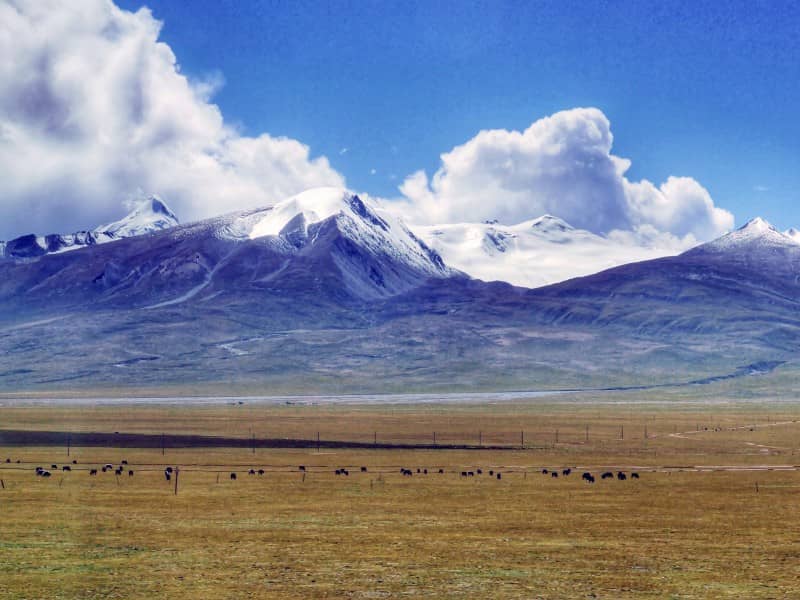
Nyenchen Tanglha Mountain
3. Selin Co: A Vast Highland Lake
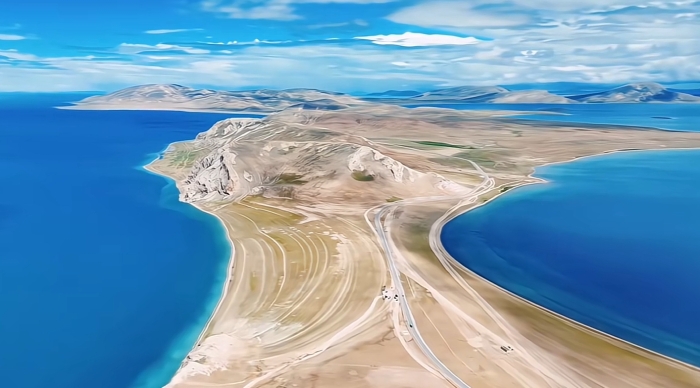
Selin Co, also written as Selincuo, is one of the most striking lakes in northern Tibet. Set among the expansive landscapes of the Tibetan Plateau, it is known for its broad waters, open horizons, and surrounding grasslands.
The lake is especially appealing during the warmer months, when the surrounding landscape becomes more colorful and birds gather around suitable lakeside habitats. Depending on the weather, the water may appear deep blue, turquoise, or silver beneath the changing sky.
Unlike destinations with extensive visitor facilities, Selin Co retains a feeling of openness and remoteness. The journey itself is part of the experience: long stretches of plateau scenery, distant mountains, and occasional signs of pastoral life help travelers appreciate the scale of northern Tibet.
Photographers should allow time for changing light rather than planning around a single viewpoint. Morning and late-afternoon conditions can produce different colors and reflections, although the best conditions depend on the weather.
Visitors should keep a respectful distance from wildlife and avoid leaving rubbish along the lakeshore. The lake and its surrounding wetlands are part of a fragile high-altitude ecosystem, and responsible behavior helps preserve the landscape for future travelers.
Selin Co
4. Zandan Monastery: A Window into Tibetan Buddhist Culture
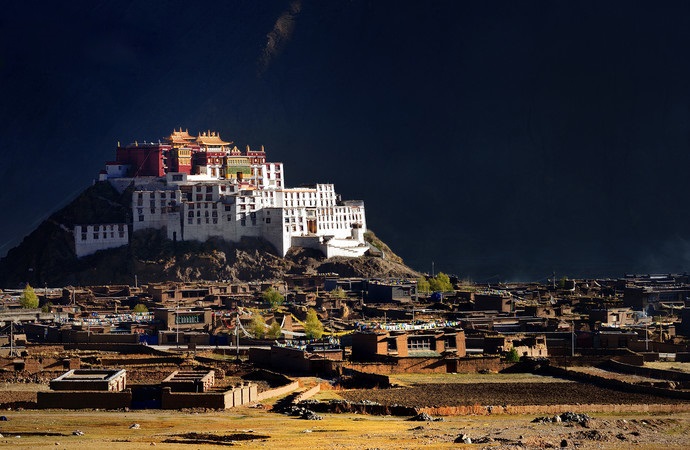
Zandan Monastery offers a cultural contrast to Nagqu’s expansive natural scenery. Monasteries across Tibet have long served as places of worship, learning, and community life, preserving religious practices, artistic traditions, and elements of local history.
A monastery visit provides an opportunity to appreciate Tibetan Buddhist architecture and the atmosphere of a living religious site. Depending on access and local practice, visitors may see prayer halls, religious images, murals, or other traditional features.
When visiting, dress modestly, speak quietly, and follow posted instructions. Ask permission before photographing people or religious ceremonies, and be especially considerate when monks or local worshippers are praying. Some rooms or buildings may not be open to visitors.
It is also worth remembering that a monastery is more than a sightseeing stop. Its importance comes from the community and religious traditions it serves. Taking time to understand its cultural context can make the visit more meaningful than simply photographing the buildings.
Before setting out, confirm the monastery’s exact location, opening arrangements, and accessibility with a local travel operator, as conditions and visitor access can change.
Zandan Monastery
5. Purog Kangri Glacier: A Remote Ice Landscape
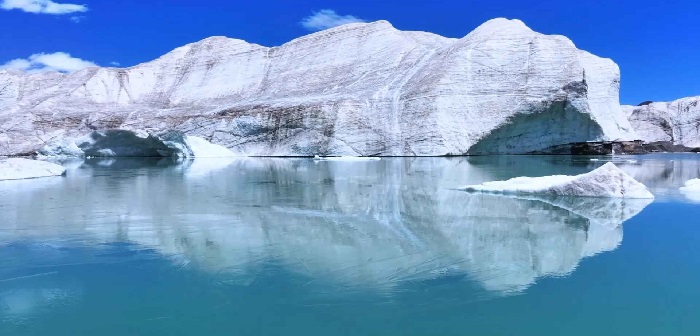
Purog Kangri Glacier, also known as Purog Kangri Ice Field, lies in the remote Changtang region of northern Tibet. Its extensive ice formations and stark surroundings demonstrate the powerful role of glaciers in shaping the Tibetan Plateau.
For travelers interested in geography and the natural environment, the glacier represents a different landscape from the grasslands and lakes commonly associated with Tibet. Ice, exposed rock, high mountains, and wide-open terrain create a striking scene.
However, this is not an ordinary tourist attraction. Purog Kangri lies in a remote and environmentally sensitive area, and access may be restricted or impractical for general visitors. Travelers should not assume that the glacier can be reached simply by hiring a vehicle or following an online map.
If a visit is being considered, confirm current access rules, road conditions, and whether the area can legally and safely be included in the itinerary. Do not attempt to enter restricted areas or approach unstable ice formations without appropriate authorization and specialist support.
For many visitors, the wider Changtang landscape may be the more realistic focus of a northern Tibet journey, while Purog Kangri remains a reminder of the region’s extraordinary and fragile natural environment.
Purog Kangri Glacier
6. Sapu Sacred Mountain
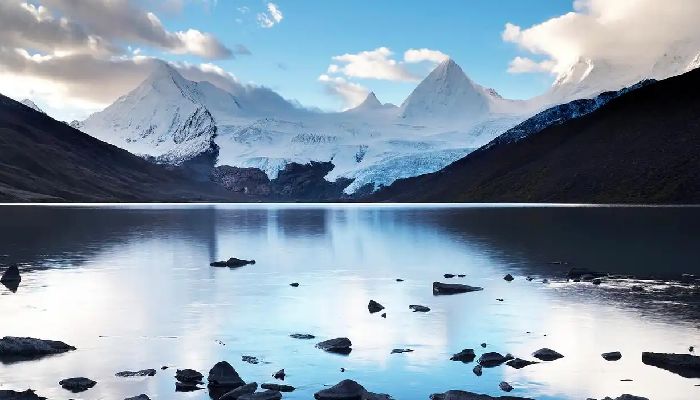
Sapu Sacred Mountain, also known as Sepu Kangri, is a dramatic mountain destination in Biru County, Nagqu. Its snow-covered summit and surrounding mountain scenery have made it one of the most visually distinctive places in northern Tibet.
The mountain is also significant in local spiritual traditions. For many Tibetans, sacred mountains are associated with reverence, local legends, and a spiritual relationship between people and the natural world. Visitors can appreciate this cultural dimension while enjoying the landscape.
The scenery around Sapu can vary considerably with the season and weather. Snow, clouds, glacial terrain, and nearby highland scenery contribute to its appeal for photographers and travelers seeking destinations beyond Tibet’s best-known routes.
Reaching the area generally requires careful transport planning, and road conditions may be challenging. The high elevation can also affect visitors who have not acclimatized properly. It is best to avoid strenuous activity immediately after arrival and allow time to adjust to the altitude.
Travelers should check local access arrangements before departure, particularly if they plan to visit viewpoints or walk beyond established access areas. The mountain’s beauty is best enjoyed with respect for both its spiritual significance and its natural environment.
Sapu Sacred Mountain
7. Tangra Yumco: A Sacred Lake in Western Nagqu
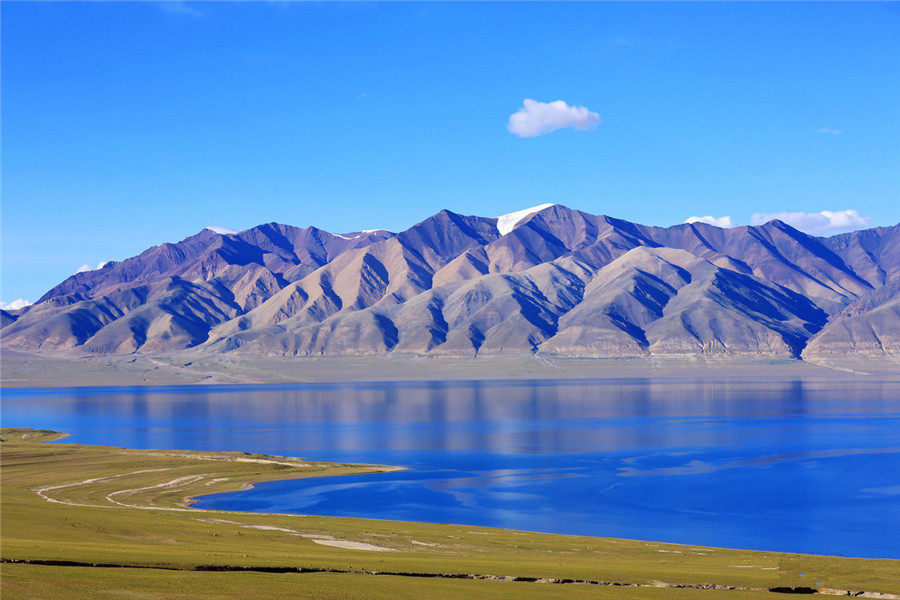
Tangra Yumco, also spelled Tangra Yum Tso, is a remarkable high-altitude lake in the northern Tibetan region. Set against mountains and open plateau scenery, it is known for its distinctive shape, deep colors, and spiritual importance.
The lake is closely associated with the ancient Bon religious tradition, which predates the widespread establishment of Tibetan Buddhism. Its sacred status gives the surrounding landscape a cultural significance that goes beyond its visual appeal.
The nearby settlement of Wenbu South Village offers a glimpse of life in a remote Tibetan community. Traditional houses and the surrounding terrain create a strong sense of place, although visitors should remember that local settlements are lived-in communities rather than open-air museums.
The area is particularly rewarding for travelers who want to combine landscape photography with a deeper understanding of Tibet’s religious and cultural diversity. The changing light across the lake and mountains can create dramatic views, while the quiet surroundings encourage a slower pace of travel.
As with other destinations in northern Tibet, distances are considerable and facilities may be limited. Confirm accommodation, transport, and road conditions in advance, and allow sufficient time for acclimatization before traveling to higher or more remote areas.
Tangra Yumco
8. Pala Crystal Pagoda
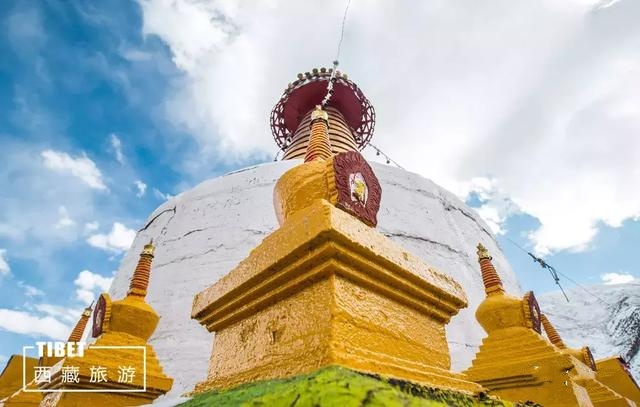
Pala Crystal Pagoda is another distinctive destination associated with the remote landscapes and cultural heritage of northern Tibet. Its name draws attention to its unusual appearance, making it an interesting stop for travelers seeking places beyond the more familiar attractions of the Tibetan Plateau.
When visiting lesser-known sites such as this one, it is important to confirm the exact location and current access conditions before adding them to an itinerary. English-language information may be limited, and names can be transliterated differently across maps and travel resources.
Rather than treating the pagoda as an isolated photo stop, visitors may find it more rewarding to consider it within the wider cultural landscape of Nagqu. The region’s appeal lies in the combination of religious traditions, local communities, open grasslands, lakes, and mountains.
If you plan to include Pala Crystal Pagoda in your trip, ask your local operator to verify the destination and explain its background. This is particularly helpful when traveling to remote areas where road conditions, navigation, and visitor facilities may differ from those in established tourist centers.
Pala Crystal Pagoda
Best Time to Visit Nagqu, Tibet
Nagqu is a high-altitude destination, so seasonal weather plays a major role in determining the comfort and practicality of a trip. The most suitable travel period depends on the locations you want to visit, road conditions, and the kind of scenery you hope to experience.
Summer: A Good Period for Grasslands and Lakes
Summer generally offers milder temperatures than the colder months, and grasslands may appear greener after seasonal precipitation. Lakes and wetlands can be especially attractive, and wildlife activity may be easier to observe in suitable habitats.
However, summer can also bring rain, muddy roads, and sudden changes in weather. Travelers should not assume that all remote routes will be accessible simply because it is the warmest season.
Spring and Autumn: Changing Colors and Clear Views
Spring and autumn can bring beautiful light and clear views across the plateau, although temperatures may vary significantly between day and night. Autumn often offers crisp scenery, while spring conditions can remain cold and unpredictable.
For either season, check the forecast and road conditions shortly before departure. A flexible itinerary is particularly useful when traveling to remote lakes, mountain viewpoints, or glacier areas.
Winter: Cold and More Challenging Conditions
Winter in Nagqu can be extremely cold, with strong winds, snow, and potentially difficult road conditions. Some remote destinations may be harder to reach, and services may be limited.
Winter travel is best suited to visitors who are well prepared and have reliable local support. If this is your first trip to Tibet, a less demanding route may be a more comfortable choice.
Practical Travel Tips for Nagqu
1. Take Altitude Seriously
Nagqu is located on the high Tibetan Plateau, and many destinations in the region are at elevations where visitors may experience altitude-related symptoms. Headaches, nausea, dizziness, and unusual fatigue should not be ignored.
Allow time to acclimatize before traveling into more remote or higher areas. Keep your pace gentle, stay hydrated, avoid strenuous exertion during the initial adjustment period, and seek medical advice if symptoms worsen. Severe symptoms require prompt medical attention and may mean descending to a lower altitude.
2. Prepare for Long Drives
Attractions in Nagqu are spread across a vast area. A destination that looks close on a map may require several hours of driving because of road conditions and the terrain.
Avoid planning too many stops in a single day. Build in time for rest, meals, changing weather, and unexpected delays. For remote areas, arrange suitable transportation and an experienced local driver.
3. Pack for Rapid Weather Changes
Even during warmer months, temperatures can drop quickly, particularly in the evening or at exposed viewpoints. Pack warm layers, a windproof outer jacket, sturdy footwear, sun protection, sunglasses, and any personal medication you need.
Sunlight can be intense at high altitude, so sunscreen and lip protection are useful even when the air feels cold.
4. Confirm Travel Permissions and Access
Travel requirements and access rules can vary according to nationality, itinerary, and the areas being visited. Some remote or protected areas may have additional restrictions.
International visitors should confirm the applicable Tibet travel arrangements and any required permits before departure. Do not rely solely on older online guides, particularly for destinations within nature reserves or other controlled areas.
5. Respect Wildlife and Local Culture
Keep a safe distance from wild animals, do not feed them, and avoid disturbing birds or other wildlife. Take all rubbish away with you and follow local conservation rules.
When visiting monasteries, sacred lakes, and traditional villages, respect local customs and ask permission before taking photographs of residents or religious activities.
How to Plan a Trip to Nagqu
Nagqu is best suited to travelers who enjoy nature, cultural exploration, and journeys through remote landscapes. It can be combined with other destinations in Tibet, but the route should be designed around realistic driving times, altitude adjustment, and current access conditions.
Before finalizing an itinerary, decide which attractions are essential to your trip. Selin Co and Tangra Yumco are appealing to travelers interested in highland lakes, while Sapu Sacred Mountain offers dramatic mountain scenery. Changtang’s wider landscapes are ideal for visitors who want to experience the scale of northern Tibet, while monastery visits add cultural depth.
It is not necessary to include all eight attractions in one journey. Some places are remote, access may be restricted, and certain destinations may require substantial travel time. A well-paced itinerary with fewer stops can provide a more enjoyable experience than trying to cover the entire region in a short period.
China Dragon Travel can help travelers plan a Tibet journey based on their interests, available time, and preferred travel style. Before confirming a route, ask for up-to-date advice on transport, permits, accommodation, and whether each remote attraction is currently accessible.
Discover the Remote Beauty of Northern Tibet
Nagqu offers a distinctive perspective on Tibet, combining vast grasslands, sacred lakes, dramatic mountains, glaciers, and cultural landmarks. From the open waters of Selin Co and the spiritual landscape of Tangra Yumco to the striking peaks of Sapu Sacred Mountain, the region rewards travelers who are willing to venture beyond the familiar routes.
A successful Nagqu journey depends on more than choosing scenic places. Careful altitude acclimatization, realistic driving plans, respect for local culture, and verification of access conditions are essential, especially in remote areas. With thoughtful preparation and local support from China Dragon Travel, you can explore northern Tibet at a comfortable pace and gain a deeper appreciation of its remarkable landscapes and living traditions.