Choosing the best time to travel to Tibet by train depends on what you hope to see and how you feel about changing weather, visitor numbers, and altitude. The Qinghai–Tibet Railway runs year-round, so there is no single season when the journey is possible and no universal month that suits every traveler. Spring brings fresh colors and relatively quiet sightseeing; summer offers lush landscapes but also the busiest travel period; autumn is known for clear skies and crisp mountain scenery; and winter can mean fewer visitors and a very different view of the plateau. The train itself is part of the experience, gradually climbing from Xining toward Lhasa, but arrival at high altitude calls for a sensible pace whatever the season.
Key Points
- For clear views and comfortable sightseeing: Consider September to October, while checking local conditions close to departure.
- For greener scenery: June to August brings warmer weather and summer color, alongside higher demand and more frequent rain.
- For fewer visitors: Late spring and winter can be quieter, though temperatures and services vary by location.
- For a better start at altitude: Plan a relaxed first day in Lhasa and avoid strenuous activity immediately after arrival.
- For any season: Reserve train tickets and required travel arrangements in advance, especially for peak travel periods.
The Best Time to Travel to Tibet by Train at a Glance
For many travelers, September and October are a strong all-round choice. The summer rains are usually easing, daytime conditions can be pleasant, and clear spells often make the landscape especially rewarding. These months are popular, however, and conditions can change quickly at high elevations. They are not a guarantee of blue skies or easy access to every destination.
June to August suits travelers who want warmer days and a livelier, greener plateau. It is also the main summer holiday period in China, so trains, accommodation, and popular attractions can be in high demand. Rain is more common than in autumn, particularly in some parts of the region, and cloud can affect long-distance views.
April and May offer a quieter shoulder season in many itineraries. Days are lengthening, and some lower-elevation areas begin to warm up, but nights remain cold. Conditions at high passes and remote destinations may still be wintry, so a route that is comfortable around Lhasa may not be equally comfortable farther west or north.
November to March can appeal to travelers seeking a quieter visit and winter landscapes. Lhasa is often sunnier than its cold nights suggest, but temperatures can drop sharply after dark. Remote roads and high-altitude sites may be difficult or unsuitable in winter, and travelers should confirm what is operating before building an itinerary around them.
The best time to travel to Tibet by train is therefore a balance: pick a season for the experience you want, then match your route and pace to the conditions rather than relying on a month alone.
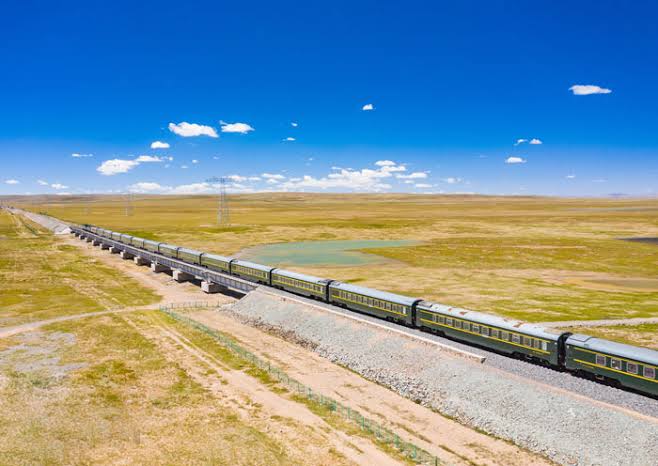
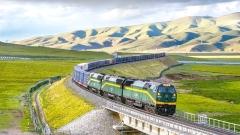
Qinghai-Tibet Railway Train
How the Seasons Compare?
Spring: April to May
Spring is a useful option for travelers who prefer to avoid the busiest summer period. Around Lhasa, the days gradually become milder, and the city can be comfortable for temple visits and relaxed walks when the sun is out. The air remains dry in many places, and evenings are cold enough to require warm layers.
The main limitation is that “spring” does not arrive everywhere at once. The railway passes through varied elevations and landscapes, while popular overland extensions can reach much colder areas. A traveler who plans to continue from Lhasa toward high passes, lakes, or remote western destinations should allow for snow, cold nights, and possible changes to road conditions. Confirm that the places you want to visit are accessible before fixing the whole itinerary.
Spring can be a good choice if your priorities are Lhasa, nearby monasteries, and a less crowded feel. It is less suitable for anyone expecting reliable warm weather throughout a long journey across the plateau.
Summer: June to August
Summer is the warmest and greenest period for many parts of Tibet. Longer days make it easier to fit sightseeing into an itinerary, and the landscape can look especially vivid after rain. The season is popular with domestic and international travelers, so the best time to travel to Tibet by train for summer scenery may not be the easiest time for last-minute planning.
Rainfall is higher in summer, although it does not rain continuously everywhere. Showers can bring cloud or reduce visibility, especially for mountain views, and conditions may differ from one valley to the next. Pack a waterproof layer, quick-drying clothing, and shoes with good grip. Even on warm afternoons, high-altitude weather can turn cool quickly.
If you travel in July or August, book well ahead and keep some flexibility in your schedule. Avoid making a tight connection between train arrival and an important activity, and do not assume that a forecast for one city describes the conditions across the region. Summer works best for travelers who value greener scenery and longer days more than quiet attractions or consistently clear skies.
Autumn: September to October
Autumn is often the most balanced season for a first trip. The summer rush begins to ease, daytime sightseeing can be comfortable, and many travelers appreciate the sharper light and expansive views. September may still bring occasional rain, while October tends to feel cooler, particularly in the mornings and evenings.
This is a good period for combining Lhasa with a carefully planned overland route, provided you check road and site conditions. Clear weather is never guaranteed, and high-altitude areas can experience sudden cold or wind. Bring layers rather than relying on a single heavy coat: a base layer, warm mid-layer, windproof outer layer, hat, and gloves are useful when temperatures shift.
Autumn’s popularity means it is still wise to arrange transport, accommodation, and required travel documents early. If your dates are fixed, the best time to travel to Tibet by train may be the season you can plan for reliably—not simply the month with the most attractive reputation.
Winter: November to March
Winter offers a quieter, colder view of Tibet. Lhasa can have bright days, but nights are very cold, and visitors should be prepared for low temperatures rather than judging the season by midday sunshine. The lower number of travelers can make city sightseeing feel less hurried, though opening hours and the availability of services should be checked in advance.
Winter is not automatically a budget or easy-access season. Some remote routes and high-altitude destinations may be affected by snow, ice, or limited transport. Daylight is shorter, and the difference between a sunny afternoon and a cold evening can be significant. Pack insulated layers, warm socks, gloves, and protection from wind and strong sun.
For a first visit focused mainly on Lhasa and nearby cultural sites, winter may be workable for travelers comfortable with cold weather and a flexible plan. It is a less dependable choice for a packed itinerary that relies on reaching several distant locations by road.
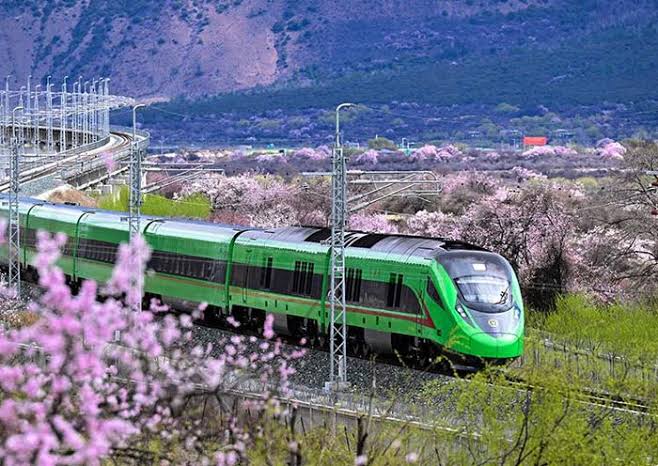
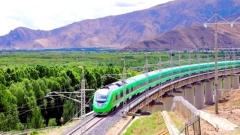
Qinghai-Tibet Railway Train in Spring
What the Train Journey Is Like Throughout the Year?
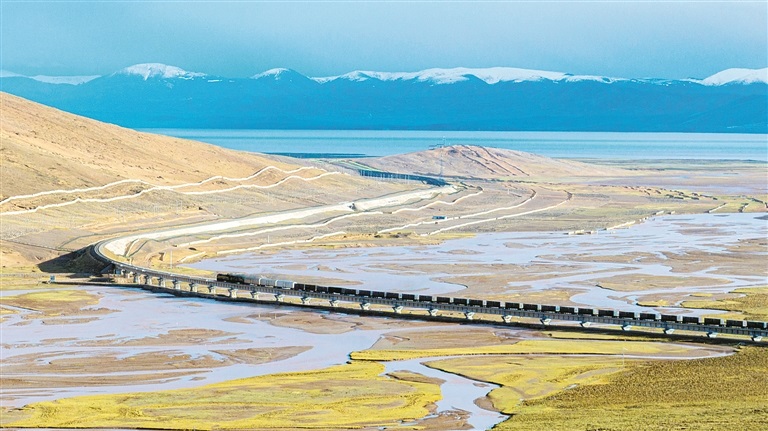
The Qinghai–Tibet Railway links Xining with Lhasa and crosses a high, exposed plateau. The journey is memorable not only for the destination but also for the changing scenery: broad grasslands, mountain ranges, open valleys, and stretches of sparsely inhabited terrain. The views vary with weather and season, so the same route can feel dramatically different on different trips.
Travel time depends on the train and departure point. Many travelers begin in Xining, while others take a longer train from cities such as Beijing, Shanghai, Chengdu, or Guangzhou. Check the current timetable when planning: services and schedules can change, and not every departure operates every day. A longer rail trip may reduce the number of connections, but it also means more time on board.
Most trains serving Lhasa are equipped with oxygen supplies for use in the high-altitude section. This should not be treated as a substitute for acclimatization or medical advice. Travelers with health concerns should consult a qualified clinician before going to high altitude, and anyone who feels seriously unwell during the trip should seek assistance from train staff or a medical professional.
If scenery is a priority, try to understand which part of your route will be in daylight. A departure that reaches the most dramatic plateau sections during daylight can make the ride more rewarding, but the schedule, season, weather, and direction of travel all matter. Do not choose a train solely on the assumption that a particular view will be visible; cloud, darkness, and operational changes are outside your control.
Choosing a Season by Travel Style
For First-Time Visitors
A first visit often works well in late spring or early autumn. These periods can offer a balance between manageable sightseeing conditions and less intense summer demand. Autumn is a particularly popular recommendation for travelers who want to combine the city with a broader route, while late spring may suit those who prefer a quieter trip and do not mind cold evenings.
The more important decision is often how many days to spend after arriving. Give yourself time in Lhasa to rest and acclimatize before planning demanding walks or long drives. A well-paced trip in a less celebrated month is usually more comfortable than an overambitious itinerary in peak season.
For Photographers and Landscape Lovers
Autumn is a strong option for crisp light and far-reaching views, while summer can provide greener scenery and more dramatic cloud formations. Spring and winter have their own character, from fresh seasonal color to snow-dusted landscapes, but light and access are less predictable in remote areas.
Build flexibility into photography plans. Mountain weather changes quickly, and a clear morning does not guarantee a clear afternoon. A spare day can be more valuable than a tightly timed itinerary if there is one particular landscape you hope to see.
For Travelers Avoiding Crowds
Consider shoulder-season dates, such as parts of April, May, late October, or winter, depending on your route and tolerance for cold. These periods do not mean every attraction will be empty, and they may involve trade-offs in weather or transport availability. Avoid major public holidays and school-break periods where possible, and check train availability before confirming non-refundable arrangements.
For Families and Older Travelers
Choose dates that allow an unhurried schedule and comfortable temperatures, rather than selecting a season only for scenery. Summer has longer days but more demand; autumn can offer pleasant sightseeing weather but cooler nights. Winter requires more preparation for cold, while spring conditions vary widely by elevation.
Travelers of any age should discuss high-altitude travel with a medical professional if they have relevant health concerns. Children and older adults may need more time to rest, and a schedule with fewer long drives and strenuous activities is generally easier to manage.
Altitude, Weather, and Practical Preparation
Lhasa sits at high altitude, and the train journey reaches even higher elevations before descending toward the city. Some people experience headache, fatigue, poor sleep, dizziness, or shortness of breath after arrival; others have few symptoms. These effects are not determined by fitness alone, and a particular season does not remove altitude risk.
Plan a gentle first day in Lhasa. Drink fluids according to your needs, avoid rushing into strenuous exercise, and follow medical advice about altitude illness. Do not ignore severe or worsening symptoms. Seek medical help promptly if you are concerned, especially if breathing becomes difficult at rest, confusion develops, or symptoms progress.
Weather preparation matters throughout the year. Strong sunlight and ultraviolet exposure can be an issue even when the air feels cool, so bring sun protection, sunglasses, and a hat. Pack layers that can be adjusted during the day, plus a warm outer layer for evenings and exposed viewpoints. Summer visitors should add rain protection; winter visitors should prioritize insulation and protection from wind.
It is also important to plan the administrative side of the trip. Foreign visitors generally need the required Tibet travel arrangements and permits, and rules can depend on nationality, itinerary, and current policy. Confirm requirements with an authorized travel provider and official channels before booking. Do not rely on old online advice, as entry rules and practical procedures may change.
Booking the Train and Planning Your Itinerary
Train tickets to Lhasa can be difficult to obtain during busy periods. Summer, public holidays, and other peak travel dates may see strong demand. Check the official booking arrangements applicable to your trip, confirm the release period and ticket rules, and avoid treating an unconfirmed seat as guaranteed. If you are using a travel agency, clarify exactly what is included and when final ticket details will be provided.
Consider starting the rail journey in Xining if you want to experience the plateau section without spending several extra days on the train. Travelers who begin farther away may enjoy seeing more of China by rail, but should account for the longer journey and the possibility of delays or schedule changes. Leave a buffer before onward flights or important appointments.
A practical itinerary usually includes time to settle into Lhasa before moving on. Rather than trying to cover every famous place in a few days, choose a route that reflects your interests and allows for weather changes. Ask how long transfers take in real conditions, whether overnight stays are needed, and what backup plan exists if a road is temporarily difficult to travel.
If you work with China Dragon Travel, or another travel provider, ask for a clear itinerary, a breakdown of included services, assistance with applicable travel arrangements, and realistic guidance on seasonal access. Compare what is offered rather than relying on broad claims about a “perfect” season. The right provider should help you understand trade-offs and plan a route that fits your dates, pace, and budget.
Qinghai-Tibet Railway Train
A Simple Month-by-Month Planning Guide
- January to March: Cold and quiet, with the greatest need to confirm winter access for destinations beyond Lhasa. Suitable for travelers prepared for low temperatures and a restrained itinerary.
- April: A transitional month. City sightseeing may be comfortable in the sun, but nights and high-elevation areas can remain very cold.
- May: A useful shoulder-season option for quieter travel, though remote routes may still face cold or changing conditions.
- June: Warmer and greener, with rising visitor demand and a greater chance of rain than in spring.
- July and August: Peak summer travel for many visitors. Longer days and vivid scenery come with high demand and less predictable visibility.
- September: Often a good balance of pleasant sightseeing and autumn light, but still popular and not immune to rain or sudden cold.
- October: Frequently favored for clear, crisp conditions, especially earlier in the month; temperatures fall as the season progresses.
- November and December: Quieter and colder. Check services, road access, and attraction schedules before committing to a distant route.
This is a planning guide, not a weather forecast. Conditions can differ substantially between Lhasa, the railway corridor, and other parts of Tibet.
Frequently Asked Questions
Is summer the best time to travel to Tibet by train?
Summer is a good choice if you want warmer days, longer daylight, and greener landscapes. It is also a busy period, and rain or cloud can affect views. Book early and keep your plans flexible.
Which month is best for clear views from the train?
September and October are often favored for crisp autumn scenery, but visibility depends on the weather and time of day. No month can guarantee clear views along the entire route.
Is it safe to travel to Tibet by train in winter?
The railway operates year-round, but winter conditions can affect comfort and access to destinations beyond Lhasa. Prepare for very cold nights, check current services and road conditions, and seek medical guidance if you have concerns about high altitude.
How many days should I allow after arriving in Lhasa?
There is no one-size-fits-all number. Plan a gentle arrival period and avoid strenuous activity immediately after reaching high altitude. The right schedule depends on your health, symptoms, itinerary, and advice from your clinician or travel provider.