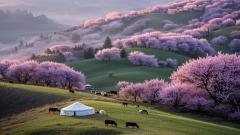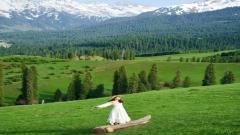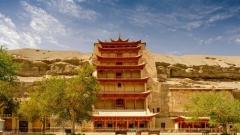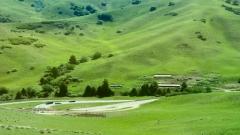

Urumqi is often described as a starting point for journeys across Xinjiang, but the city deserves more than a quick stop between flights or train rides. Here, Uyghur traditions and other regional cultures meet the pace of a modern Chinese city, while markets, museums, leafy parks, and a distinctive food scene give visitors plenty to explore. The surrounding landscapes add another reason to linger: the Tianshan Mountains rise south of the urban area, and day trips can lead to alpine scenery very different from the city’s broad roads and busy neighborhoods. Urumqi is not a compact old town that can be covered on foot in a few hours. Its appeal comes from choosing the right mix of urban experiences, local meals, and excursions, then allowing time for the distances involved.
Key Takeaways
- Urumqi is a multicultural city with a strong Uyghur presence and a diverse regional food culture.
- Markets and museums offer useful ways to understand local crafts, history, and daily life.
- The Tianshan Mountains and nearby attractions make Urumqi a practical base for excursions.
- The city is spread out, so plan transport and allow time between neighborhoods.
- A stay of two or three days can balance city sights with a carefully chosen day trip.
Why Visit Urumqi For More Than A Stopover?
Urumqi is the capital of the Xinjiang Uyghur Autonomous Region and one of the region’s main transport hubs. That role makes it a common arrival point for travelers heading west or south, but it can also create the impression that the city is only a place to change trains. Staying for at least a day or two gives you a chance to experience a side of Xinjiang that is easy to miss when rushing between headline destinations.
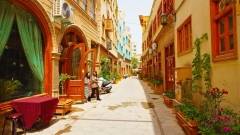
The city’s character is shaped by its position at the northern foot of the Tianshan range and by communities with different languages, faiths, and customs. Uyghur culture is especially visible in food, music, craft traditions, and the city’s markets, alongside the everyday influences of Han Chinese and other ethnic groups. Urumqi is not a museum piece: shopping centers, residential districts, and new infrastructure sit alongside long-established bazaars and neighborhood restaurants.
For visitors, that mix is part of the appeal. You can spend the morning learning about regional history, browse a market in the afternoon, and sit down to hand-pulled noodles or lamb skewers in the evening. The city also provides a useful introduction to Xinjiang’s scale. Distances between destinations can be substantial, and a few days in Urumqi help you settle in, adjust to local conditions, and plan onward travel with more confidence.
Experience Xinjiang’s Food Culture
Food is one of the most immediate reasons to visit Urumqi. Restaurants and market stalls serve dishes associated with Uyghur and broader Xinjiang cooking, as well as cuisines from across China. Menus vary by neighborhood and restaurant, so it is worth asking what is freshly prepared rather than expecting every place to offer the same specialties.
A good starting point is polo, a rice dish traditionally cooked with lamb, carrots, and onions. The rice is rich and filling, and portions can be generous. Laghman—hand-pulled noodles served with a stir-fried topping—is another regional favorite. You may find versions with lamb, beef, vegetables, or a tomato-based sauce. For a quick snack, try samsa, baked pastry often filled with lamb and onion, or look for grilled lamb skewers seasoned with cumin and chili.
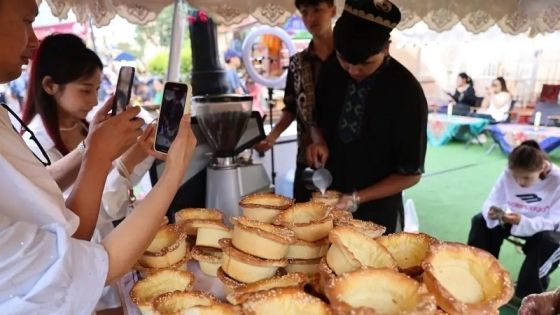
Flatbread, known locally in forms such as nang, accompanies many meals and is sold in bakeries and markets. If you enjoy a lighter option, ask about yogurt, fresh fruit, or simple noodle soups. Xinjiang is also associated with grapes, melons, and other fruit, though availability depends on the season. Tea is a familiar accompaniment, and many restaurants are set up for sharing several dishes rather than ordering one large main per person.
Food is also a way to notice the city’s cultural variety. Uyghur restaurants may feature distinctive interiors, music, and service customs, while other venues reflect the tastes of Urumqi’s many communities. A small amount of courtesy goes a long way: ask before photographing staff or diners, and be open to unfamiliar dishes without treating local customs as a spectacle. If you have dietary restrictions, use clear written translations where possible, since ingredient details can be difficult to communicate across a language barrier.
Nang Coffee
Explore Bazaars And Local Shopping
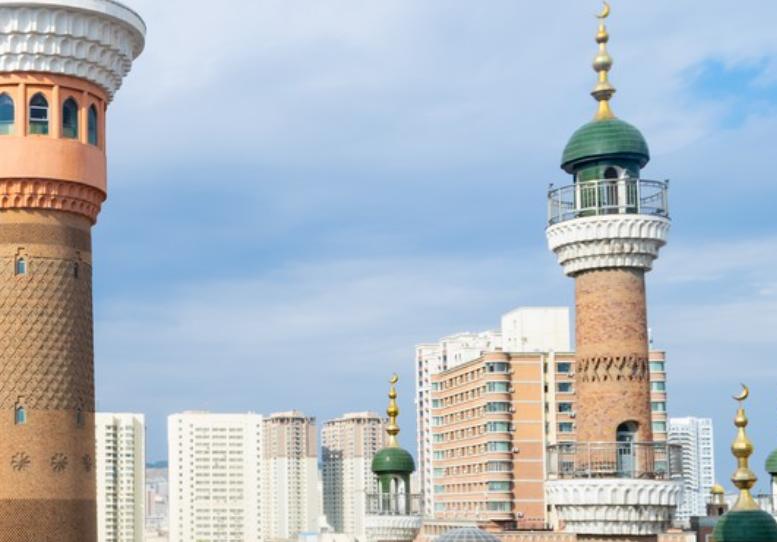
Markets are among the most engaging places to get a feel for Urumqi’s commercial life. The International Grand Bazaar, often called the Xinjiang International Grand Bazaar, is a prominent landmark with shops, food stalls, and architectural details inspired by regional styles. It is a convenient place to browse textiles, carpets, jewelry, dried fruit, nuts, spices, and souvenirs in one visit.
Treat the bazaar as both a shopping area and a busy public space. Some goods are locally made, while others may come from elsewhere; ask about materials and origin if authenticity matters to you. For higher-value purchases such as carpets or jewelry, compare several shops, clarify the price and payment method before buying, and request a receipt. Bargaining may be appropriate in some independent stalls, but it is not necessary everywhere, particularly in shops with clearly marked prices.
The bazaar can be crowded, especially at popular times and during holidays. Keep valuables secure, agree on a meeting point if traveling with others, and check opening hours before making it the centerpiece of your day. You do not need to buy anything to enjoy a visit: the mix of food aromas, displays, architecture, and local shoppers makes it worthwhile as a place to observe ordinary city activity.
Beyond the best-known tourist market, neighborhood shopping streets and food markets can offer a more everyday view. These are useful for picking up fruit, snacks, and practical travel supplies. Be considerate when taking photos, particularly around people and religious settings. A friendly request is better than assuming that a candid portrait will be welcome.
Urumqi International Grand Bazaar
Learn About Regional History And Culture
A museum visit provides context for places you may see elsewhere in Xinjiang. The Xinjiang Uygur Autonomous Region Museum is a major cultural institution in Urumqi, with exhibitions related to the region’s history, ethnic cultures, archaeology, and traditional life. Displays and access arrangements can change, so confirm current visitor information before you go. Allow a few hours if you want to read the exhibits rather than make a quick circuit.
The museum can help visitors understand that Xinjiang’s history is layered and connected to wider networks of trade and migration across Central Asia. Its collections and displays should be approached as an introduction, not a complete account of the region’s many communities or perspectives. Pairing a museum visit with time in a market or local restaurant makes for a more grounded experience: one offers curated historical context, while the other shows how traditions continue to shape contemporary life.
Urumqi’s religious and cultural landmarks can also be part of a city visit, but access rules and opening conditions may differ. Dress modestly at religious sites, follow posted instructions, and ask before photographing worshippers or interiors. Some buildings are active places of worship, not attractions designed solely for visitors. Being attentive to that distinction makes a visit more respectful and often more rewarding.
Enjoy The Tianshan Scenery Near Urumqi
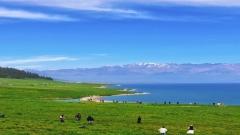
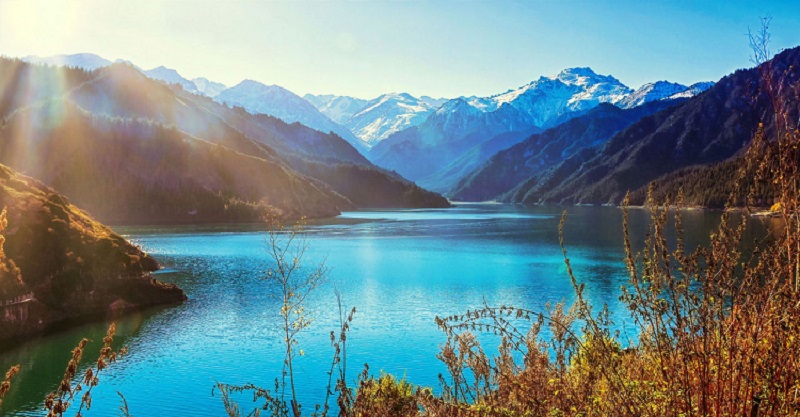
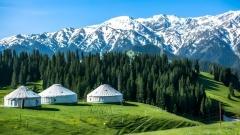
The mountains are one of the strongest answers to the question, “Why visit Urumqi?” The Tianshan range forms a dramatic backdrop to the city and offers a change of pace from urban sightseeing. One well-known excursion is Heavenly Lake, or Tianchi, in the Bogda area of the Tianshan. The lake is set among high mountains and forested slopes, and the scenery changes with weather and season. It is a popular destination, so expect other visitors, especially at weekends and during peak travel periods.
A trip to Heavenly Lake usually takes much of a day once transport and time at the site are included. Check the current access arrangements, weather, and transport options before setting out; conditions can affect road travel and what is practical to do on arrival. Visitors may need to use designated transport within the scenic area, and walking routes can involve uneven ground or changes in elevation. Comfortable shoes, water, sun protection, and an extra layer are sensible even in warmer months.
Not every traveler needs to choose the same excursion. If you have limited time, a short outing near the city may be easier than a long mountain day. If you are continuing deeper into Xinjiang, consider whether an overnight trip makes more sense than trying to fit several distant sights into one day. Travel times can be longer than a map suggests, and seasonal conditions may affect the schedule.
The mountains also make Urumqi a good base for travelers who want an urban hotel and restaurants while exploring nature by day. Keep expectations realistic: a city stay does not put every landscape within a quick taxi ride. Arrange transport in advance for places outside the urban area, and avoid relying on a tight return connection after an excursion.

Main Peak Landscape of the Tianshan Mountains
Make Time For Parks And Everyday City Life
Not every worthwhile experience needs a major attraction. Urumqi’s parks offer a slower way to observe daily life, especially in the morning and early evening. People may gather to walk, exercise, socialize, or enjoy time with family. A park visit can be a welcome break after museums, shopping, or a long journey, and it gives you a glimpse of local routines beyond the tourist circuit.
The city’s wide roads and spread-out districts mean that the feel of one neighborhood may differ considerably from another. Rather than trying to cover every landmark, choose a few areas that match your interests: a market and nearby restaurants, a museum district, or a park paired with an evening meal. This approach leaves room for traffic, meal times, and unexpected discoveries without turning the day into a checklist.
If you enjoy photography, look for architectural contrasts, market details, and mountain views from public spaces where photography is permitted. Avoid photographing people at close range without consent, and do not assume that every building or public site allows cameras. A discreet, considerate approach is especially important around religious and government facilities.
Best Time To Visit Urumqi
Urumqi has a continental climate, with hot summers, cold winters, and notable temperature changes between seasons. Spring and autumn can be comfortable for city sightseeing, but conditions vary from year to year. Summer is a popular time for mountain excursions and travel around Xinjiang, though the city can feel hot and busy. Winter brings colder weather and may affect outdoor plans, but it can suit travelers who are prepared for low temperatures and want to experience the city outside the busiest travel season.
Before booking a mountain trip, check the forecast for the destination as well as for central Urumqi. Conditions at higher elevations may differ sharply from the city, and wind, rain, or snow can change how comfortable a day outdoors will be. Pack layers rather than relying on a single seasonal outfit. If your itinerary includes several regions of Xinjiang, consider that temperatures and conditions can vary substantially across such a large area.
Public holidays and school breaks can bring heavier crowds to major attractions and transport hubs. If your dates are flexible, traveling outside peak periods may make accommodation and excursions easier to arrange. Regardless of season, build some flexibility into your schedule in case of weather changes or transport delays.
How Many Days To Spend In Urumqi?
One full day is enough for a brief introduction: visit a major museum or market, enjoy a local meal, and leave time for travel between sights. Two days provide a more comfortable balance, with one day for the city and another for a chosen excursion or a slower exploration of markets and parks. Three days are useful if you want to include a full-day mountain trip without rushing the city experience.
Travelers with longer Xinjiang itineraries may choose to stay more briefly, but even an overnight stop can be worthwhile if arrival and departure times allow. Avoid treating a late arrival followed by an early departure as a meaningful city visit; transport delays, check-in, and the city’s distances can quickly consume the available hours.
A practical plan might look like this:
- One Day: Choose either the regional museum or a bazaar, then have dinner at a restaurant serving Xinjiang dishes.
- Two Days: Spend one day on city sights and reserve the second for an excursion, depending on weather and transport.
- Three Days: Add a mountain outing or a relaxed neighborhood day, leaving room for changing conditions.
Getting Around And Planning Your Stay
Urumqi is a large city, so do not assume that attractions listed together online are close enough to visit on foot. Use taxis, ride-hailing services where available, and public transport to connect neighborhoods; check the route and journey time before committing to a tight schedule. Traffic can affect travel times, particularly during busy periods. Ask your hotel for the most practical way to reach your first stop, and keep the destination name written in Chinese characters if you do not speak Mandarin.
Choose accommodation based on your plans rather than on a map pin alone. If you have an early train or flight, proximity to the relevant transport hub may matter more than being near a particular market. If your priority is city sightseeing, look for a location with convenient transport connections and dining options. Confirm check-in requirements, current payment options, and any restrictions directly with the property before arrival.
Visitors should also check current entry requirements, transport rules, and attraction opening arrangements through official channels or their travel provider before departure. Requirements can vary by traveler and may change, so do not rely on old screenshots or outdated advice from social media. Keep your passport and essential travel details secure, and allow extra time for intercity transport.
For meals, opening times can differ from what visitors expect, and busy restaurants may have queues at popular hours. Carry water during long sightseeing days, especially in warm weather, and keep a backup plan for indoor activities if conditions turn unpleasant. A translation app can help with menus and addresses, but saving key information offline is useful when connectivity is unreliable.
Who Will Enjoy Urumqi Most
Urumqi is a strong choice for travelers interested in regional food, cultural variety, history, and mountain scenery. It works particularly well for people who like to balance an urban base with day trips, and for those who want to understand more about Xinjiang before traveling onward. Food-focused visitors can explore a range of local dishes, while museum and market visits help place the region’s cultures in a broader context.
The city may be less satisfying for someone expecting a small, easily walkable historic center or a tightly packed list of sights that can all be reached in minutes. Urumqi rewards a little planning. Its strongest experiences are spread across the city and its surroundings, and the best itinerary depends on your available time, season, interests, and tolerance for longer journeys.
If you are arranging a broader Xinjiang route, a local travel specialist such as China Dragon Travel may be able to help coordinate transport and excursions. Compare what is included, confirm schedules and cancellation terms, and make sure the itinerary leaves enough time for realistic travel between destinations. Whether you arrange everything independently or use a tour operator, Urumqi is most rewarding when you treat it as a destination in its own right—not merely a gateway to the rest of the region.