
Traveling to the Roof of the World during the colder months is an experience unlike any other. A winter trip in Tibet offers crystal-clear skies, unobstructed views of the highest peaks on Earth, and a profound sense of tranquility that vanishes during the busy summer tourist season. However, the extreme cold, thin air, and unique logistical challenges demand careful preparation. Many travelers mistakenly believe that Tibet is entirely inaccessible once the snow falls, but with the right knowledge, this season reveals the region’s most authentic and breathtaking side. Whether you are heading to Lhasa, exploring ancient monasteries, or standing at the base camp of Mount Everest, understanding how to navigate the freezing temperatures and high altitudes is crucial. This guide provides everything you need to know to stay safe, comfortable, and deeply inspired during your Himalayan journey.
Key Takeaways
- Layer clothing properly to manage extreme temperature shifts between day and night.
- Acclimatize slowly to prevent altitude sickness in the thinner winter air.
- Book flights over trains for faster access to minimize prolonged exposure during transit.
- Protect your skin and eyes from intense high-altitude UV radiation and dry winds.
- Respect local customs and monastery schedules, which often shift during the colder months.
Why Choose a Winter Trip in Tibet Over Other Seasons?
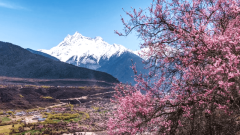
Before diving into the practical advice, it is worth understanding why so many seasoned travelers specifically seek out a winter trip in Tibet. The period from November to February transforms the plateau into a quiet, mystical landscape. The summer monsoon clouds that usually obscure the great Himalayan peaks completely dissipate, offering near-perfect visibility. If your dream is to see Mount Everest, Mount Namjagbarwa, or the vast expanse of Yamdrok Lake without a single cloud blocking your view, winter is undeniably the best time to go.
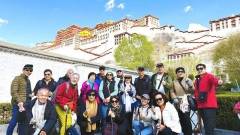
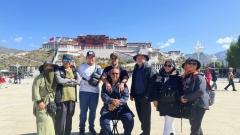
Furthermore, the crowds disappear. Iconic sites like the Potala Palace, which requires rushing through in allocated time slots during peak season, can be explored at a much more relaxed pace. You will find yourself sharing sacred spaces primarily with devout pilgrims rather than large tour groups, allowing for a much deeper spiritual and cultural connection. Accommodation and flight prices also drop significantly, making a winter trip in Tibet a highly cost-effective option for budget-conscious adventurers who do not mind braving the cold. The local festivals, such as the Tibetan New Year (Losar), which often falls in late winter, provide extraordinary opportunities to witness traditional dances, rituals, and community celebrations that are rarely seen by outsiders.
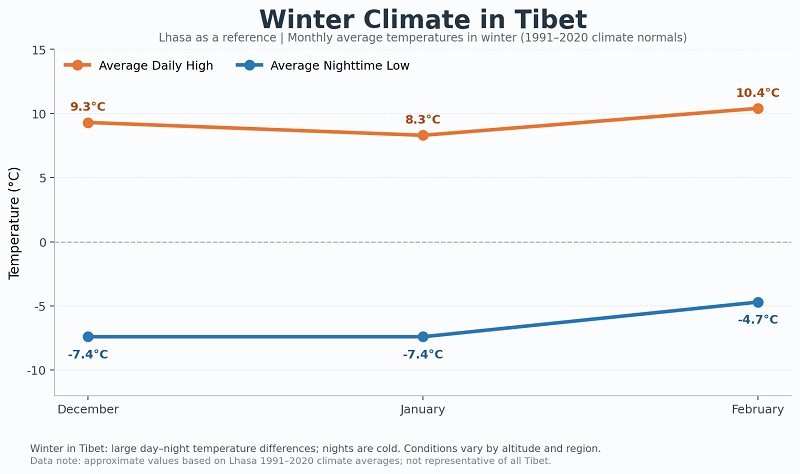
Tibet Winter Climate Chart
1. Master the Art of Layering for Extreme Temperature Swings
The weather during a winter trip in Tibet is defined by dramatic extremes. While nighttime temperatures in Lhasa can plummet well below freezing, the daytime sun is incredibly powerful due to the high altitude and lack of atmospheric moisture. You might wake up to minus ten degrees Celsius and find yourself sweating in a heavy coat by two in the afternoon when the sun hits directly. Therefore, wearing one massive down jacket is a mistake.
Instead, adopt a strict layering system. Start with a moisture-wicking thermal base layer made of merino wool or high-quality synthetic fabric; avoid cotton entirely, as it traps sweat and will make you dangerously cold once the sun goes down. Add a mid-layer fleece or lightweight down vest for insulation. Your outer layer should be a windproof and waterproof hard shell to protect against the biting plateau winds. This system allows you to peel off layers easily as the temperature rises during the day and bundle back up the moment you step into the shade or the sun sets. Don’t forget extremities: insulated gloves, thick wool socks, and a windproof hat that covers your ears are non-negotiable items for your packing list.
2. Prioritize Altitude Acclimatization More Than Ever
Altitude sickness is a risk year-round, but the air during a winter trip in Tibet feels noticeably thinner because cold air holds less moisture and can feel denser yet harder to breathe for unacclimatized lungs. Lhasa sits at roughly 3,650 meters (about 12,000 feet), and venturing outside the city takes you even higher. Your body needs time to adjust to the reduced oxygen levels, and rushing this process can ruin your entire journey or lead to severe medical emergencies like High Altitude Pulmonary Edema (HAPE).
Upon arrival, dedicate your first two full days to doing absolutely nothing strenuous. Do not plan visits to high-altitude monasteries or long walks around the city immediately. Rest in your hotel, take short, slow strolls, and listen to your body. Avoid alcohol and smoking completely during the first few days, as both depress respiration and exacerbate altitude symptoms. Drink plenty of warm water—dehydration happens incredibly fast in the dry winter air and mimics the symptoms of altitude sickness. Some travelers consult their doctors before departure about taking Acetazolamide (Diamox) to aid acclimatization, but this should only be done under professional medical guidance. If you experience severe headaches, vomiting, or difficulty breathing while resting, seek medical attention immediately; hotels in Lhasa are equipped with oxygen concentrators for such situations.
3. Secure Your Tibet Travel Permit Well in Advance
Foreign travelers cannot simply buy a ticket and fly into Tibet. A Tibet Travel Permit (TTP) issued by the Tibet Tourism Bureau is mandatory, and arranging this is a critical step for any winter trip in Tibet. You must book your tour through a registered travel agency, which will then apply for the permit on your behalf using your passport and Chinese visa details. This process typically takes several weeks, so planning ahead is essential.
During winter, some remote areas or specific mountain passes may be temporarily closed due to heavy snowfall or road conditions. A reputable agency will know exactly which routes are open and can adjust your itinerary accordingly to ensure you do not waste time trying to reach inaccessible locations. It is also important to note that independent travel is not permitted for foreign nationals in Tibet; you must be accompanied by a licensed guide. Working with an experienced operator ensures that all bureaucratic hurdles are cleared smoothly, leaving you to focus solely on the incredible landscapes and cultural experiences awaiting you.
4. Protect Your Skin and Eyes from the Harsh Plateau Sun
One of the most underestimated aspects of a winter trip in Tibet is the intensity of the ultraviolet radiation. Because you are at such a high elevation, there is significantly less atmosphere to filter the sun’s rays. Combined with the reflective properties of snow and ice, the UV exposure is immense, even when the air feels freezing cold. Sunburn can happen in less than thirty minutes if you are unprotected.
Apply a broad-spectrum sunscreen with an SPF of 50 or higher every single morning, and reapply it frequently throughout the day, especially on your nose, cheeks, and lips. Speaking of lips, the extreme dryness of the Tibetan winter will crack them quickly if you do not use a high-quality lip balm with SPF protection continuously. Bring a rich, heavy-duty moisturizer for your face and hands, as the ambient humidity drops close to zero. Equally important is eye protection. Snow blindness is a real danger if you spend time outdoors without proper eyewear. Invest in polarized sunglasses that offer 100% UV protection and wrap around the sides of your face to block light reflecting off the snow from below.
5. Choose Flights Over Trains for Initial Arrival
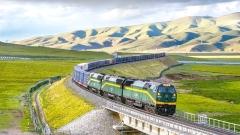
Many guidebooks romanticize the Qinghai-Tibet Railway as the best way to enter the region. However, for a winter trip in Tibet, flying directly into Lhasa Gonggar Airport is often the smarter logistical choice. The train journey from cities like Xining or Chengdu takes anywhere from 20 to 40 hours. While the train is pressurized and supplies supplemental oxygen, spending multiple days in transit during the dead of winter increases fatigue and prolongs your initial exposure to changing altitudes without the comfort of a proper hotel bed.
Flying gets you to Lhasa in a fraction of the time, allowing you to immediately check into a heated hotel room, rest, and begin your acclimatization process in a controlled environment. Furthermore, winter storms can sometimes cause delays on the railway tracks, whereas flights, though occasionally subject to weather disruptions, generally maintain a reliable schedule. If you have your heart set on experiencing the famous train ride, consider taking the train out of Tibet at the end of your journey when your body is already fully acclimatized, rather than using it as your method of entry.
6. Stay Hydrated with Warm Fluids Constantly
Dehydration is a silent threat during a winter trip in Tibet. The combination of high altitude, low humidity, and indoor heating systems dries out your respiratory tract and skin rapidly. You might not feel thirsty because the cold suppresses your natural thirst signals, but your body is losing moisture constantly through respiration. By the time you actually feel parched, you are already significantly dehydrated, which worsens altitude sickness symptoms and makes you feel much colder than you should.
Carry a high-quality insulated thermos with you everywhere you go. Fill it with hot water, ginger tea, or the traditional Tibetan butter tea whenever you return to your hotel or stop at a restaurant. Butter tea, made from yak butter, salt, and black tea, might be an acquired taste for some Western palates, but it is a caloric powerhouse designed specifically by locals to combat the freezing temperatures and provide sustained energy. Drinking warm fluids keeps your core temperature stable and ensures your mucous membranes remain moist, reducing the risk of respiratory infections that are common in dry, cold environments.
7. Pack Comprehensive Cold-Weather Electronics Protection
Lithium-ion batteries despise the cold. During a winter trip in Tibet, you will notice your smartphone, camera, and power banks draining at an alarming rate. A battery that normally lasts a full day might die in two hours when exposed to sub-zero temperatures. Losing power in a remote area where you rely on your phone for navigation, translation, or emergency communication is a serious safety concern.
To mitigate this, keep your electronics as close to your body heat as possible. Store your phone and spare batteries in the inner pockets of your jacket rather than in an outside backpack compartment. When taking photos, try to limit the time your camera is exposed to the freezing air; take your shots and tuck the camera back inside your coat immediately. Bring multiple high-capacity power banks, and keep them warm until you need to use them. Additionally, when moving from the freezing outdoors into a heavily heated hotel room, condensation will instantly form on your lenses and internal components. Place your camera in a sealed plastic bag before entering a warm building, allowing it to gradually adjust to the temperature change to prevent moisture damage.
8. Select Hotels with Reliable Heating Systems
Not all accommodations in Tibet are created equal, especially regarding climate control. When booking your winter trip in Tibet, verifying the heating capabilities of your hotel is just as important as checking its location. Older guesthouses or budget hostels might rely on electric blankets or small space heaters that struggle to combat the deep winter chill, leading to miserable, sleepless nights.
Opt for established hotels in Lhasa, Shigatse, or Gyantse that feature centralized heating systems or modern underfloor heating. Many premium hotels also provide oxygen-enriched rooms or have oxygen concentrators available at the front desk, which can be a lifesaver if you are struggling to sleep due to mild altitude discomfort. Read recent reviews specifically mentioning winter stays to gauge how effective the heating truly is. Remember that outside major cities, options become limited. If you are traveling to places like Everest Base Camp or remote monasteries, prepare yourself for basic lodging where heavy sleeping bags and layered clothing will be your primary source of warmth.
9. Adjust Your Daily Itinerary Around the Daylight Hours
Winter days on the Tibetan plateau are noticeably shorter. The sun rises later and sets earlier compared to the summer months, meaning your window for sightseeing and outdoor activities is compressed. Planning a winter trip in Tibet requires adjusting your expectations and daily rhythm to align with the available daylight.
Start your days early to maximize the sunlight. Outdoor attractions, such as the Potala Palace exterior, Jokhang Temple square, or the viewpoints around Yamdrok Lake, are best visited when the sun is highest, providing both warmth and the best lighting for photography. As soon as the sun dips behind the mountains, temperatures drop precipitously, and the biting wind returns. Plan indoor activities—like exploring monastery interiors, visiting museums, or enjoying long meals in local restaurants—for the late afternoon and evening. Trying to hike or explore exposed areas after dusk in winter is dangerous due to rapid freezing and poor visibility. Let the sun dictate your schedule, and you will remain comfortable and safe.
10. Prepare for Unpredictable Road Conditions
While main highways connecting major towns like Lhasa, Shigatse, and Nyingchi are generally kept clear, secondary roads and high mountain passes can become treacherous during a winter trip in Tibet. Sudden snowstorms, black ice, and frozen mudslides are realities of plateau driving. This is not the environment for self-driving unless you possess extensive experience navigating extreme alpine winter conditions.
Always hire a local driver who understands the specific quirks of Tibetan roads in winter. Local drivers know which passes are prone to sudden closures, how to handle vehicles on icy switchbacks, and where to find shelter if a storm rolls in unexpectedly. Ensure your vehicle is equipped with snow chains and carries emergency supplies, including extra blankets, food, and water, in case you get stranded for a few hours. Flexibility is key; if a pass is closed due to snow, your itinerary must adapt. Attempting to force a route through dangerous conditions is never worth the risk. Trust your guide and driver’s judgment implicitly when they advise altering the route.
11. Respect Local Customs and Winter Monastery Etiquette
Tibet is a deeply spiritual destination, and religious practices continue fervently regardless of the weather. In fact, winter is a significant time for pilgrims who travel great distances to visit sacred sites. When embarking on a winter trip in Tibet, demonstrating respect for local customs is paramount, particularly inside temples and monasteries.
Always walk clockwise around stupas, mani stones, and within monastery courtyards. Remove your hat and sunglasses before entering prayer halls, and never point your feet toward Buddha statues or monks. Dress modestly; while you need to wear heavy layers for warmth, avoid overly revealing clothing underneath when you remove your outer jackets indoors. Photography is strictly prohibited inside many chapels, and violating this rule is highly offensive. Always ask for permission before taking portraits of monks or local pilgrims. During winter, some monasteries may alter their opening hours or hold private ceremonies not meant for tourists. Follow your guide’s instructions carefully to ensure you are a respectful visitor rather than an intrusive presence in these sacred spaces.
12. Carry a Specialized High-Altitude Medical Kit
Access to advanced medical facilities is limited once you leave Lhasa. Pharmacies in smaller towns may not stock the specific medications you are accustomed to. For a winter trip in Tibet, assembling a comprehensive personal medical kit before departure is a vital safety measure.
Beyond standard painkillers for altitude headaches (like ibuprofen or paracetamol), include remedies for gastrointestinal issues, as dietary changes and cold water can upset your stomach. Pack throat lozenges and nasal saline spray; the dry winter air frequently causes nosebleeds and sore throats. Bring blister plasters, as wearing heavy winter boots for extended periods can cause friction. Include any personal prescription medications in generous quantities, as replacements will be impossible to find. A digital thermometer is useful for monitoring your health, as fevers combined with altitude symptoms require immediate attention. Consult your physician before traveling to discuss whether carrying antibiotics or specific altitude medications is appropriate for your health profile.
Navigating Logistics with Professional Support
Executing a successful journey to the Himalayas during the coldest months requires seamless coordination. This is where partnering with a specialized agency becomes invaluable. Companies like China Dragon Travel have spent years developing robust networks across the plateau, ensuring that logistics, permits, and ground transportation run smoothly even when winter weather attempts to disrupt plans. Their deep understanding of regional infrastructure means travelers are never left guessing about road conditions or accommodation quality. By leveraging the expertise of established operators like China Dragon Travel, visitors can focus entirely on absorbing the profound beauty and culture of the region, knowing that the complex background arrangements are handled by professionals who understand the unique demands of high-altitude winter exploration.
Frequently Asked Questions About a Winter Trip in Tibet
Is it too cold to visit Tibet in the winter?
While temperatures are certainly low, especially at night and in higher elevations, daytime temperatures in lower-altitude areas like Lhasa can be surprisingly pleasant due to the intense sunshine. With proper layering and preparation, the cold is highly manageable, and the reward of clear skies and empty monuments makes it worthwhile for prepared travelers.
Are tourist sites open during a winter trip in Tibet?
Yes, major attractions like the Potala Palace, Jokhang Temple, and Tashilhunpo Monastery remain open year-round. However, operating hours may be slightly shortened to align with daylight. Some very remote areas or specific high-altitude trekking routes might be temporarily closed due to heavy snow, which your guide will monitor closely.
Is altitude sickness worse in the winter?
The altitude remains the same, but the cold, dry air can make breathing feel more labored, and dehydration occurs faster, which mimics or exacerbates altitude sickness symptoms. Strict adherence to acclimatization protocols, staying hydrated, and avoiding exertion upon arrival are even more critical in winter than in summer.
What is the best way to dress for a winter trip in Tibet?
Avoid bulky single garments. Use a layering system consisting of a moisture-wicking thermal base, an insulating mid-layer like fleece or down, and a windproof/waterproof outer shell. Extremities must be protected with thermal hats, insulated gloves, and thick wool socks paired with sturdy, waterproof winter boots.
Do I need special permits for a winter trip in Tibet?
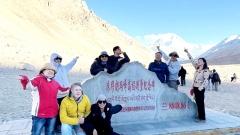
Yes, the permit requirements do not change based on the season. All foreign travelers must obtain a Tibet Travel Permit arranged through a registered travel agency before boarding any flight or train to the region. Additional military or border permits are required if your itinerary includes areas near international borders, such as Everest Base Camp.