
Planning your first trip to Wulong Karst and not sure where to start? Many travelers ask the same questions: which attractions are truly worth visiting, how many days are enough, and when is the best time to go. As a UNESCO World Natural Heritage site, Wulong combines dramatic sinkholes, natural stone bridges, caves, and alpine grasslands in one destination. However, its large size and scattered attractions make planning essential. This guide breaks down the must-see highlights, best travel seasons, and practical tips to help you design a smooth and rewarding trip.
Must-Visit Attractions in Wulong Karst
Spanning a vast area, Wulong Karst is dotted with countless scenic spots, each showcasing a unique facet of karst geology. Below are the most iconic destinations that capture the essence of this world heritage site, with insider tips on how to make the most of your visit.
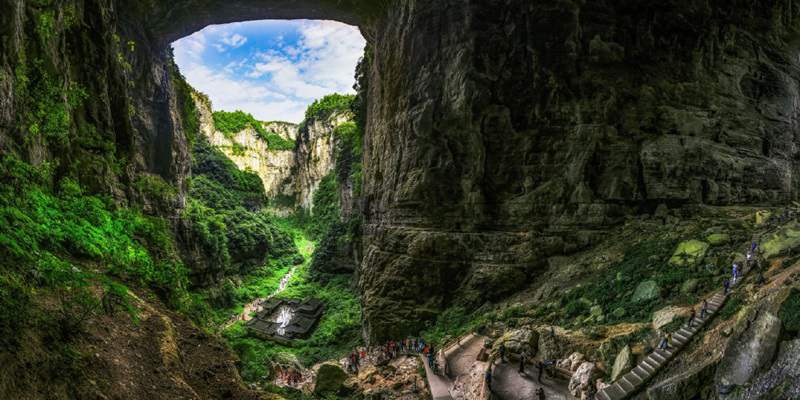
Wulong Karst
Three Natural Bridges
As the most famous attraction in Wulong Karst, the Three Natural Bridges form the largest natural bridge cluster on Earth. Comprising Tianlong Bridge, Qinglong Bridge, and Heilong Bridge, these colossal stone structures span the Yangshui River Gorge, each towering over 200 meters high and stretching more than 300 meters across. Their sheer scale and grandeur leave visitors in awe of nature’s power.
- Tianlong Bridge: The widest of the three, with a 120-meter-high and 150-meter-wide arch that resembles a massive natural city gate. Beneath it lies Tianlong Sinkhole, where the Tianfu Official Post Station—a replica of a Tang Dynasty architectural complex—stands. This site gained global fame as a filming location for Curse of the Golden Flower and Transformers: Age of Extinction, blending ancient Chinese architecture seamlessly with the dramatic natural backdrop.
- Qinglong Bridge: The tallest bridge at 350 meters, named for the mist that rises from its arch after rain, resembling a green dragon soaring into the sky. Its irregular rectangular arch creates stunning light and shadow effects when sunlight filters through, making it a favorite spot for photographers.
- Heilong Bridge: The longest of the three, with a deep, dimly lit arch adorned with stalactites and cascading waterfalls. At its base is Heilong Pool, whose crystal-clear waters are surrounded by lush greenery, offering a cool retreat from the summer heat.
To explore the Three Natural Bridges efficiently, take the sightseeing elevator directly to the bottom of the sinkhole, then follow the wooden boardwalks for a leisurely walk. The entire tour takes approximately 2 to 3 hours, allowing you to get up close to these magnificent natural structures and marvel at their otherworldly craftsmanship.
Fairy Mountain National Forest Park
Located in the northern part of Wulong Karst, Fairy Mountain National Forest Park sits at an altitude of 2,033 meters. With 100,000 mu of virgin forest and 300,000 mu of alpine meadows, it is widely known as “the Switzerland of the East.” The park enjoys a cool climate with an average summer temperature of just 22°C, making it one of Chongqing’s most popular summer getaways.
- Alpine Meadows: The park’s signature landscape, where endless stretches of green grass are dotted with grazing cattle and sheep. Against a backdrop of blue skies and white clouds, it looks like a postcard-perfect European countryside scene. Visitors can enjoy horseback riding, archery, grass sledding, or take a scenic train ride around the meadows to soak in the panoramic views.
- Virgin Forest: Boasting a forest coverage rate of over 90%, the park is a natural oxygen bar with extremely high negative ion content. Numerous hiking trails wind through the forest, offering a peaceful escape where you can listen to birdsong and breathe in the fresh, pine-scented air.
- Other Highlights: The park also features Fairy Lake, Tongtian Tower, and Pusa Tuo. Fairy Lake, with its crystal-clear waters and picturesque surroundings, is said to be the place where fairies bathed in ancient legends.
Fairy Mountain is a year-round destination: spring brings blooming flowers, summer offers cool relief, autumn paints the forests in vibrant red and gold, and winter transforms it into a magical snow wonderland. Every year from December to February, the park hosts the Ice and Snow Festival, where visitors can enjoy skiing, snowboarding, and building snowmen.
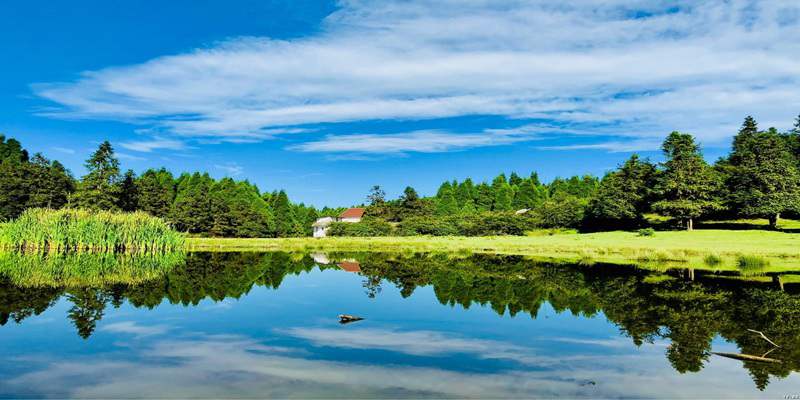
Fairy Mountain National Forest Park
Furong Cave
Situated in the southeastern part of Wulong Karst, Furong Cave is a massive limestone cave renowned as one of the three greatest caves in the world. Formed approximately 1.2 million years ago, the cave extends 2,700 meters deep, with a 1,860-meter-long tourist route. The temperature inside remains a constant 16°C year-round, making it warm in winter and cool in summer.
- Stunning Formations: The cave is home to a dazzling array of stalactite and stalagmite formations. The most famous include the Giant Screen Waterfall, a 15-meter-high and 20-meter-wide formation that looks like a white waterfall cascading from the sky; the Coral Jade Pool, a 30-square-meter pool whose bottom is covered with crystal-clear stalagmites and stone flowers, resembling a fairyland; and the King of Stone Flowers, a delicate formation that has taken millions of years to form.
- Scientific Significance: Beyond its aesthetic value, Furong Cave is of immense scientific importance. The stalactites inside have recorded 1.2 million years of climate change and geological evolution, making it a crucial laboratory for studying karst landforms and ancient climates.
It is highly recommended to join a guided tour of Furong Cave, as the guides will explain the formation process and scientific background of the various formations. The tour takes about 1.5 to 2 hours. Note that the cave is dimly lit, so watch your step carefully.
Longshui Gorge Rift
Adjacent to the Three Natural Bridges in the northeastern part of Wulong Karst, Longshui Gorge Rift is a 2-kilometer-long deep canyon. At its deepest point, it reaches 500 meters, while the narrowest section is just 1 meter wide. Steep cliffs, jagged rocks, gurgling streams, and cascading waterfalls create a spectacular and adventurous landscape.
- Key Scenery: The main attractions include the rift canyon itself, numerous waterfalls, and the cliffside boardwalk. The 1.5-kilometer-long boardwalk is built along the sheer cliff faces, offering thrilling views of the deep gorge below and the narrow strip of sky above—known as “a thread of sky.”
- Adventure Experience: Longshui Gorge Rift is perfect for adventure lovers. Hiking along the valley floor allows you to get up close to the towering cliffs and powerful waterfalls. Along the way, you can also observe unique geological features such as folds and faults.
Wear comfortable, non-slip shoes when visiting Longshui Gorge Rift, as the trails can be slippery. The tour takes approximately 1.5 to 2 hours. Summer is the best time to visit, as the waterfalls are at their most powerful and scenic after the rainy season.
Other Worthwhile Attractions
In addition to the above core spots, Wulong Karst offers many other hidden gems for travelers seeking diverse experiences. Baima Mountain Tianchi Love Scenic Area is famous for its romantic theme and stunning natural scenery, featuring the world’s largest “Flying Kiss” observation facility—ideal for couples. Houping Sinkhole Group is the world’s only surface-water-eroded sinkhole group, a must-visit for geology enthusiasts. Furong River, a tributary of the Wu River, boasts crystal-clear waters and beautiful riverside scenery; take a boat cruise to enjoy the serene landscape of mountains and water.
Best Time to Visit Wulong Karst by Season
Wulong Karst has a subtropical monsoon climate with four distinct seasons, each offering unique scenery and experiences. Choosing the right time to visit will ensure you see the most beautiful landscapes and enjoy a comfortable trip.
Spring
Spring is the flower season in Wulong Karst. As temperatures rise and nature awakens, various flowers bloom across the region. Fairy Mountain is covered with azaleas and rapeseed flowers, creating a colorful carpet that stretches as far as the eye can see. The vegetation in the Three Natural Bridges and Longshui Gorge Rift turns lush and green, and the air is fresh and invigorating—perfect for hiking and flower viewing.
Spring temperatures in Wulong range from 15°C to 25°C, making it ideal for outdoor activities. However, spring brings frequent rain, so be sure to pack an umbrella or raincoat. Additionally, spring is the off-season for tourism, with fewer crowds and lower prices for tickets and accommodation.
Summer
Summer is the peak tourist season in Wulong Karst. While Chongqing’s urban area swelters in extreme heat, Wulong’s high altitude keeps it cool and comfortable. The alpine meadows of Fairy Mountain are the most popular destination, where visitors can escape the heat by horseback riding, grass sledding, or camping under the stars.
Summer is also the best time to visit Furong River and Longshui Gorge Rift, as abundant rainfall makes the waterfalls more powerful and spectacular. Note that summer brings larger crowds and higher prices for tickets and accommodation, so it is advisable to book in advance. Also, bring sunscreen and a hat to protect against strong UV rays.
Autumn
Autumn is one of the most beautiful seasons in Wulong Karst. With clear skies and pleasant temperatures ranging from 15°C to 20°C, it is the perfect time for photography. The trees in Fairy Mountain turn brilliant shades of red, yellow, and orange, creating a stunning contrast against the green meadows. The Three Natural Bridges and Furong Cave also look particularly enchanting in the soft autumn light.
Autumn sees fewer tourists than summer, with reasonable ticket and accommodation prices—making it the golden season for travel. The weather can be dry, so remember to drink plenty of water. Autumn is also harvest season, so you can taste fresh local fruits and agricultural products.
Winter
Winter transforms Wulong Karst into a magical snow-covered wonderland. Fairy Mountain is blanketed in white snow, offering a rare taste of northern-style winter scenery in southern China. The annual Ice and Snow Festival runs from December to February, featuring a variety of snow activities such as skiing, snow tubing, and snowman building.
Winter temperatures in Wulong range from 0°C to 5°C, so pack warm clothing including a heavy coat, gloves, and a hat. Roads may be icy in winter, so drive carefully. However, winter is the off-season, with very few tourists and extremely low prices for tickets and accommodation—great for budget travelers.
Practical Travel Tips for Wulong
Transportation
- Self-Driving: From downtown Chongqing, take the Yuxiang Expressway for approximately 2 hours to reach Wulong District, then drive to the various attractions. Self-driving offers flexibility and freedom, making it ideal for family trips and group travel.
- Public Bus: Take a bus from Chongqing Sigongli Transportation Hub to Wulong District. The journey takes about 2.5 hours and costs around 60 RMB. Once in Wulong, you can take local buses or taxis to the attractions.
- Train: Take a train from Chongqing North Railway Station to Wulong Railway Station. The journey takes approximately 2 hours and costs about 25 RMB. From the station, take a bus or taxi to Wulong District urban area, then transfer to local transportation to the attractions.
- Group Tours: If you don’t want to plan transportation and itinerary yourself, consider joining a group tour. Group tours save time on planning, include professional guides who explain the history and geology of the attractions, and offer door-to-door transportation—perfect for travelers who want a hassle-free experience.
Ticket Information
Ticket prices for Wulong Karst’s attractions vary as follows:
- Three Natural Bridges: 125 RMB per person
- Fairy Mountain National Forest Park: 50 RMB per person
- Furong Cave: 80 RMB per person
- Longshui Gorge Rift: 115 RMB per person
You can buy tickets for individual attractions or purchase combined tickets, which offer discounts and better value for money if you plan to visit multiple spots.
Accommodation
Wulong District offers a wide range of accommodation options, from luxury star hotels to budget hotels and charming homestays, catering to all budgets and preferences.
- For easy access to the attractions and to save time on transportation, stay in Fairy Mountain Town. It is close to the Three Natural Bridges, Fairy Mountain, and Longshui Gorge Rift, and has plenty of restaurants and shops.
- If you want to experience local life and enjoy lower prices, stay in Wulong District urban area. It has complete living facilities and convenient transportation.
Important Notes
- Wulong Karst is mostly mountainous terrain with many hiking trails, so wear comfortable sports shoes.
- Temperatures in the scenic areas can vary greatly, so bring a jacket to stay warm.
- Some trails can be slippery, especially on rainy or snowy days, so watch your step carefully.
- Please protect the environment by not littering and preserving the natural beauty of the area.
Is Wulong Karst Worth Visiting?
Wulong Karst is more than just a scenic destination—it’s a place where geology, landscape diversity, and outdoor exploration come together. From the massive scale of the Three Natural Bridges to the narrow depth of Longshuixia Gorge and the open grasslands of Fairy Mountain, each area offers a completely different experience. Whether you are visiting for photography, hiking, or simply escaping the city, the key is to prioritize your time and choose the right combination of attractions.
For travelers who prefer a smoother experience without handling logistics like transport connections and ticket bookings, working with an experienced travel service such as China Dragon Travel can be a practical option. Especially for international visitors unfamiliar with local travel conditions, a well-organized plan often saves time and avoids unnecessary complications. With the right preparation, a trip to Wulong becomes not just a visit, but a well-paced journey through one of China’s most unique natural landscapes.