
Xinjiang can be an affordable independent trip or a costly, transport-heavy journey, depending on where you go. This guide breaks down the main expenses and shows how to build a realistic budget without sacrificing the experiences you came for.
Key Takeaways
- A budget traveler may spend around ¥250–¥450 per person per day, excluding long-distance travel to and from Xinjiang.
- A mid-range trip commonly costs about ¥600–¥1,200 per person per day, depending on lodging, route, and transport.
- Private drivers and domestic flights can raise costs quickly, especially on long, multi-stop itineraries.
- Entry tickets, meals, and city transport are manageable; distances between destinations are often the biggest budget variable.
- Check current transport schedules, attraction rules, and hotel requirements before booking.
How Much Does A Xinjiang Trip Cost Overall?
There is no single price for a Xinjiang trip. The region is enormous, and a short stay centered on Urumqi and nearby sights has a very different cost profile from a two-week route reaching Kashgar, Ili, or the northern grasslands. Your total depends on travel dates, accommodation standards, how often you fly, and whether you use public transport, shared tours, or a private vehicle.
As a planning estimate, a budget traveler spending mostly on simple lodging, local meals, and public transport might set aside ¥250–¥450 per person per day once in the region. A mid-range traveler who chooses comfortable hotels, takes some organized excursions, and uses a mix of trains, flights, and private transfers may spend ¥600–¥1,200 per day. A trip with a dedicated car and driver, upgraded hotels, and several remote destinations can exceed ¥1,500 per person per day, particularly when the group is small.
These figures are estimates, not fixed rates. They do not include international flights, and they may not include the cost of reaching Xinjiang from another part of China. Airfares, hotel prices, and tour availability change by season and booking time. Treat the ranges as a framework, then check live prices for your dates.
For a rough comparison, a seven-day trip for one person might cost about ¥1,750–¥3,150 at a shoestring pace, ¥4,200–¥8,400 at a comfortable mid-range pace, or ¥10,500 and above with private transport and higher-end choices. Add long-distance flights or train tickets separately. Traveling with another person often lowers the per-person cost of a private vehicle and some transfers, while solo travelers may find those services disproportionately expensive.
What Changes The Price Of A Xinjiang Trip?
Distance And Route
Distances are the defining cost factor. Urumqi, Turpan, Ili, Altay, and Kashgar are not neighboring stops that can be connected by a quick taxi ride. A route spanning several parts of Xinjiang can involve overnight trains, domestic flights, long drives, or a combination of all three. The more ground you try to cover, the larger your transport budget becomes—and the less time you may have to enjoy each destination.
A compact itinerary usually offers better value. For example, travelers can spend several days around Urumqi and Turpan, or focus on Kashgar and nearby sights, rather than crossing the region repeatedly. Choose destinations based on what you most want to see, and allow realistic travel time between them.
Season And Demand
Prices vary with demand. Summer is popular for grasslands, lakes, and mountain scenery, while autumn draws visitors for changing foliage and harvest-season landscapes. In busy periods, popular hotels and rental vehicles may be booked well in advance, and flexible last-minute options can be limited. Shoulder-season travel can offer more choice, but weather, road conditions, and attraction schedules may differ.
Chinese public holidays can also affect availability and fares. Before fixing your budget, check the dates of national holiday periods and compare prices across several days. Booking early can help with flights and accommodation, but make sure your reservations match the final route.
Travel Style And Group Size
Independent travel gives you control over spending, but it requires more planning and may not be practical for every remote route. A private driver can make a complicated itinerary easier, yet the vehicle cost is often charged per day rather than per passenger. Couples and small groups can divide the price; solo travelers usually pay more per person.
Organized tours may bundle transport, accommodation, and guiding. Compare what is actually included: some packages exclude attraction tickets, meals, or airport transfers. A low headline price is not necessarily the lowest final cost if essential services are extra.
Accommodation Costs In Xinjiang
Accommodation ranges from basic guesthouses and budget hotels to international-standard properties in larger cities. As a broad planning guide, a simple room may cost around ¥100–¥250 per night, a comfortable mid-range room around ¥250–¥600, and an upscale hotel ¥600 or more. Rates vary substantially by city, season, location, and booking conditions; remote areas may have fewer choices and different pricing.
Hostels and shared rooms can reduce costs in larger destinations, but availability and standards differ. If you need a private bathroom, reliable air conditioning, or a central location, compare the total price rather than choosing solely by the lowest listed rate. In rural areas, confirm the property’s exact location and transport options before paying.
International visitors should verify that a hotel can accommodate foreign guests before booking. Hotel policies and local accommodation procedures can change, and not every listing is suitable for every traveler. Contact the property directly if the booking page is unclear. A confirmed reservation at a place that cannot check you in can disrupt both your budget and itinerary.
For longer stays, look for accommodation near public transport, food streets, or the main departure point for your next leg. Paying slightly more for a practical location can save money on taxis and reduce time lost in transit. When comparing rates, check whether breakfast, cancellation, and service charges are included.
Transport: The Biggest Budget Variable
Getting To Xinjiang
The cost of reaching Xinjiang depends on your starting point and whether you fly or take a train. Urumqi is the main air gateway for many visitors, while other cities, including Kashgar, also have commercial airports. Domestic airfares fluctuate with demand, baggage rules, and how early you book. Train journeys can be less expensive on some routes but take considerably longer, so include the value of your time when comparing options.
International travelers should also include the cost of getting to their Chinese departure city, any required overnight stay, and onward connections. If your itinerary begins in one city and ends in another, compare open-jaw flights with a return through the same airport. Returning across Xinjiang just to catch a flight can add both transport costs and an extra night of accommodation.
Flights, Trains, And Buses Within The Region
Domestic flights save time across long distances but can make a multi-stop trip expensive. Book only after checking the full route: an inexpensive ticket may involve inconvenient timing, additional baggage fees, or a connection that requires a hotel night. Train fares depend on route and seat or sleeper class. Sleeper tickets can combine transport and accommodation for an overnight journey, though availability may be limited during busy periods.
Buses and shared transport can be economical where services operate, but schedules and routes may not suit every sightseeing plan. Rural attractions may require local transfers from a town or station. Build a buffer into the itinerary rather than assuming that every connection will be quick or frequent.
Private Cars And Drivers
Hiring a car with a driver can be convenient for scenic routes, remote sites, or a group traveling with luggage. The daily price depends on the vehicle, distance, season, itinerary, and what is included. Ask for a written breakdown covering fuel, tolls, driver accommodation, parking, waiting time, and any mileage limits. Clarify whether the quoted amount is for the whole vehicle or per person.
Before confirming, discuss the route and daily driving hours. A low quote that excludes fuel or requires a costly return journey may not be a bargain. If you are comparing a private vehicle with a group tour, include the tour’s included meals, hotels, and admission tickets in the calculation.
City taxis and ride-hailing services are useful for short trips where available. Agree on the fare or use the app’s displayed price, and allow extra time when traveling to airports or stations. In a large city, several short rides can add up, so staying near a metro or bus route may be worthwhile.
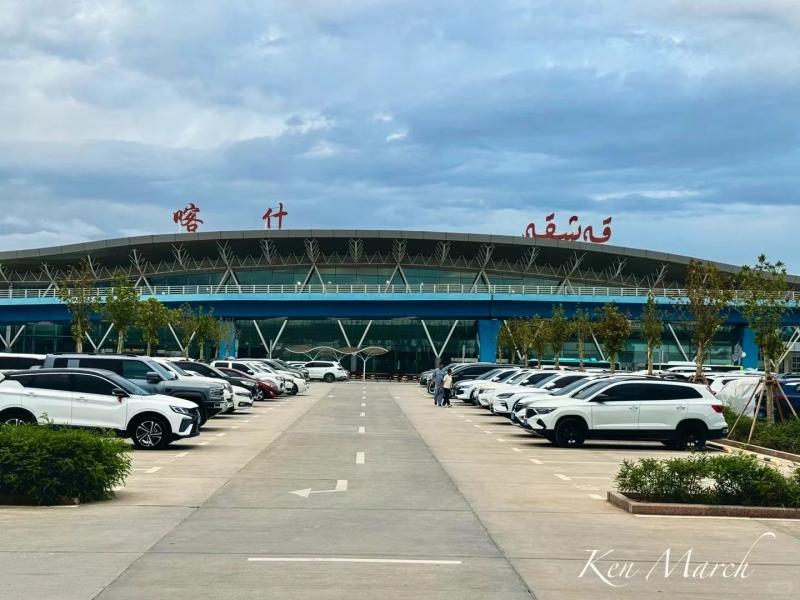
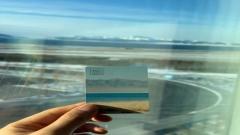
Kashgar Airport
Food And Daily Spending
Food can be one of the more flexible parts of a Xinjiang budget. A simple local meal may cost roughly ¥15–¥35, while a fuller restaurant meal often falls around ¥40–¥100 per person. Prices depend on the dish, neighborhood, restaurant type, and portion size. Specialty meals and restaurants aimed at visitors may cost more than casual eateries.
Regional food is a highlight for many travelers. Depending on where you are, you may find hand-pulled noodles, lamb dishes, pilaf, baked bread, dumplings, and fresh seasonal produce. Portions can be generous, so sharing a few dishes may be practical for a group. Ask about ingredients if you have dietary restrictions, and carry a translation of important allergy information when needed.
A reasonable daily food budget might be ¥50–¥100 for a traveler choosing casual meals, or ¥120–¥250 for someone mixing restaurants, snacks, and specialty dishes. Bottled drinks, coffee, and convenience-store purchases can push the total higher. Keep some flexibility for meals in remote areas, where choice may be limited and prices can differ from those in city centers.
Carry a payment method that works for your situation. Mobile payments are widely used in China, but international visitors may need to set up an eligible payment app and link a supported card. Keep a backup card and some cash for situations where a digital payment option is unavailable. Confirm your setup before leaving home rather than relying on it working automatically upon arrival.
Attraction Tickets And Activities
Admission fees vary by attraction, and some well-known scenic areas charge separate fees for entry, internal transport, or optional activities. A ticket price seen online may not cover shuttle buses, cable cars, boat rides, or other add-ons. Check the official booking channel or the attraction’s current ticketing information before setting your daily budget.
For planning purposes, set aside around ¥30–¥200 per paid attraction, with the understanding that some large scenic areas can cost more once transport inside the site is included. Museums and urban landmarks may be inexpensive or free, but reservation requirements can apply. Keep ticket confirmations accessible and check whether entry is tied to a particular date or time.
A paid guide or organized day trip is a separate expense. It may be worthwhile when transport is complicated or you want detailed local interpretation. Compare the itinerary, group size, language, entrance fees, and pickup arrangements. A guided outing is not automatically the best value if it spends much of the day on shopping stops or transfers you could arrange more efficiently yourself.
Sample Budgets For Different Trips
The examples below are per person and intended for comparison. They exclude international travel and assume that major domestic transport to the first destination is budgeted separately unless stated. Actual costs change by route, dates, and availability.
Seven Days Around Urumqi And Turpan
A focused week can include Urumqi, a day or overnight trip to Turpan, and nearby cultural or natural sights. A budget traveler staying in basic accommodation and using public or shared transport might spend ¥2,000–¥3,500 on lodging, food, local transport, and modest admission fees. A mid-range traveler choosing comfortable hotels and a few organized transfers might spend ¥4,500–¥8,000. Add the cost of reaching Urumqi and any longer-distance flight or train.
This route can be easier to manage than a cross-region itinerary because it limits long transfers. It still requires advance planning for the timing of day trips and the transport between attractions. If you hire a private car for a full day, treat it as a major budget item and ask whether the driver’s expenses are included.
Ten Days Focused On Kashgar
A Kashgar-centered itinerary can combine time in the city with day trips to nearby destinations, depending on current road access and the itinerary’s requirements. A lean traveler might plan roughly ¥3,000–¥5,000 for ten days within the area, while a mid-range traveler might budget ¥6,000–¥12,000 before long-distance travel. Private transport, specialized excursions, or premium accommodation can raise that figure.
The cost is strongly influenced by how many days involve a vehicle and how far each excursion goes. Ask tour providers to specify the route, vehicle, driver, meals, permits or bookings if applicable, and any excluded fees. Check the practical requirements for the destinations you plan to visit rather than assuming every route is open or available year-round.
Two Weeks Across Multiple Regions
A two-week trip combining several regions is where transport can overtake accommodation and food as the largest expense. A budget-conscious itinerary using selected trains, carefully chosen flights, and shared excursions might cost ¥7,000–¥12,000 per person within Xinjiang. A comfortable itinerary with more flights, mid-range hotels, and private day trips could reach ¥12,000–¥22,000 or more. A dedicated vehicle for much of the journey may push the total higher, especially for one or two travelers.
Avoid adding destinations just because they appear close on a map. Check actual travel times and departure schedules, then compare the cost of a direct flight with a ground route. Two slower but well-planned bases can deliver a more relaxed trip—and may cost less—than changing hotels every other night.
Ways To Keep Your Xinjiang Trip Cost Under Control
- Choose a geographic focus. Build the trip around one or two areas instead of trying to cover the entire region in a short stay.
- Compare the full transport cost. Include baggage, transfers, overnight stays, tolls, fuel, and return journeys—not just the ticket or vehicle quote.
- Travel with a compatible group. Sharing a private car can significantly reduce the per-person rate, provided everyone agrees on the route and pace.
- Book popular dates carefully. Compare several departure days and reserve essential transport and accommodation once your itinerary is settled.
- Mix paid and low-cost experiences. Combine ticketed scenic areas with city walks, markets, food stops, and free public spaces where appropriate.
- Keep a contingency fund. Set aside roughly 10%–15% of your planned regional spending for schedule changes, extra transfers, or unexpected overnight stays.
- Check what a tour includes. Ask about meals, tickets, fuel, driver expenses, hotel category, and shopping stops before comparing package prices.
A useful planning method is to list each overnight stop, the transport between stops, and the activities you consider essential. Price those fixed items first. Then add a daily allowance for meals, city rides, and incidental spending. This makes it easier to see whether a longer route fits your budget before you start booking.
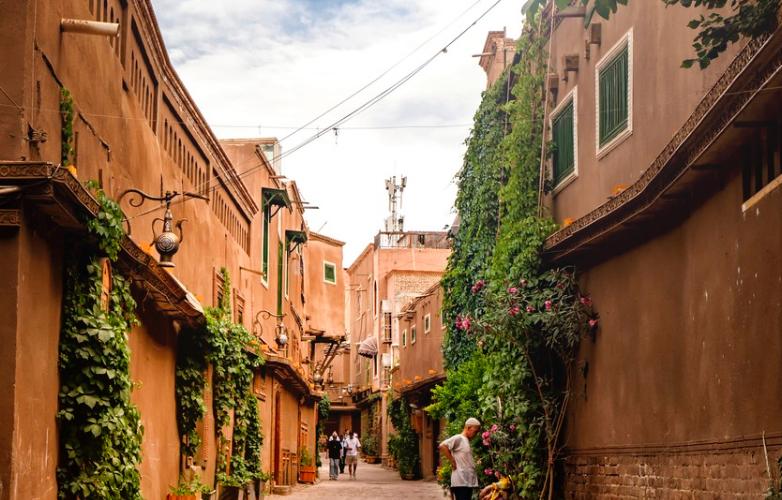
Kashgar Ancient City, Xinjiang
Planning And Booking Considerations
Start with the route, not the hotel list. Confirm how you will reach each destination, how many nights you need, and whether your preferred transport runs on the days you plan to travel. Once the route is workable, choose accommodation close to your arrival point or the next day’s departure. This order helps avoid paying for unnecessary transfers or booking rooms in places that do not fit the schedule.
Check entry and travel requirements relevant to your nationality and itinerary before departure. Rules can depend on where you are going and may change; do not rely on old social-media posts or informal assumptions. Keep passport details consistent across bookings, and carry the documents or confirmations required for tickets and accommodation.
If you use a local travel company, request a clear itinerary and itemized quotation. Confirm the group size, cancellation terms, vehicle type, accommodation standard, inclusions, and the process for schedule changes. China Dragon Travel can be one option to compare for itinerary planning or local arrangements, but evaluate any provider against your own route, budget, and service requirements rather than relying on a headline price alone.
Frequently Asked Questions
Is Xinjiang expensive for tourists?
It can be, mainly because of long distances and the cost of reaching remote destinations. Meals and basic city transport can be manageable, while frequent flights or private vehicles raise the total. A focused itinerary is usually easier to budget than a fast cross-region tour.
How much money should I budget for one week in Xinjiang?
As a broad estimate, allow around ¥1,750–¥3,150 for a budget-paced week or ¥4,200–¥8,400 for a mid-range week within the region. These figures exclude travel to and from Xinjiang and can change with your route, season, and transport choices.
Is it cheaper to travel independently or join a tour?
Independent travel may cost less when public transport and simple accommodation suit your route. A tour can offer better value when it bundles a vehicle, driver, lodging, and logistics—particularly for a group or remote itinerary. Compare the full list of inclusions before deciding.
What is the biggest expense on a Xinjiang trip?
For many itineraries, transport is the largest variable. Flights, long-distance transfers, and private vehicles can add more than meals or ordinary city sightseeing. Accommodation can also become a substantial cost during high-demand periods.
How much extra should I keep for unexpected costs?
A reserve of about 10%–15% of your planned regional budget is a sensible starting point. Use it for schedule changes, additional transfers, price differences, or an unplanned overnight stay. Travelers with tight connections or remote stops may want a larger buffer.