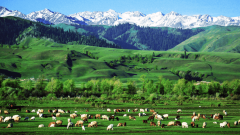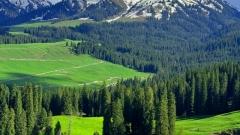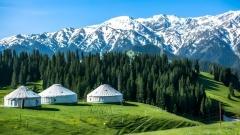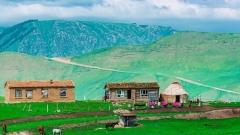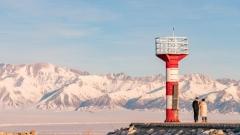

Xinjiang is a vast, diverse region, and a safe visit depends on preparation as much as destination choice. Here is what foreign travelers should know before planning a trip.
Key Takeaways
- Many visitors travel in Xinjiang without incident, but conditions and access rules can vary by location.
- Carry your passport and required travel documents, and follow instructions from local authorities.
- Check current transport, accommodation, and route arrangements before departure.
- Respect local customs, especially around religious sites and photography.
- Keep flexible plans and reliable ways to communicate.
Is Xinjiang Safe For Foreign Travelers?
For most visitors, the practical answer is that Xinjiang can be visited safely with careful planning and respect for local rules. That does not mean every route is open, every journey is predictable, or that conditions are identical across the region. Xinjiang is enormous, distances are long, and travel arrangements can differ between cities, rural areas, and border regions.
Personal safety is only one part of the question. Travelers should also consider changing access requirements, identity checks, transport schedules, language barriers, health needs, and the possibility that a planned visit to a particular site may not be possible. A well-prepared itinerary reduces avoidable stress, but no guide can guarantee that every route or attraction will be available on a given day.
Before booking, check the latest travel advice issued by your government and confirm practical details with hotels, transport providers, or a reputable local operator. If you are already in China, ask your accommodation or local contact about current requirements for your specific route. Treat advice as location-specific: a condition affecting one county or road does not automatically describe the whole region.

Contrast of Xinjiang’s Four Seasons
Understanding The Region And Its Scale
Xinjiang Uyghur Autonomous Region occupies a large part of northwest China and includes major cities, desert basins, mountain ranges, grasslands, and areas close to international borders. Urumqi, Kashgar, Turpan, and Yining are common points on visitor itineraries, but traveling between them can involve substantial distances. A map may make two places appear close while the actual journey takes much of a day or longer.
The region is home to many communities, including Uyghurs, Han Chinese, Kazakhs, Hui, and other groups. Languages, food, architecture, and religious practices vary from place to place. Visitors should avoid treating Xinjiang as a single cultural experience or assuming that customs in one city apply everywhere.
Tourism infrastructure is strongest in larger cities and established destinations. In remote areas, services may be limited, mobile coverage can be inconsistent, and a missed connection may be difficult to replace. Build buffer time into long-distance travel rather than planning tightly timed transfers or same-day returns.
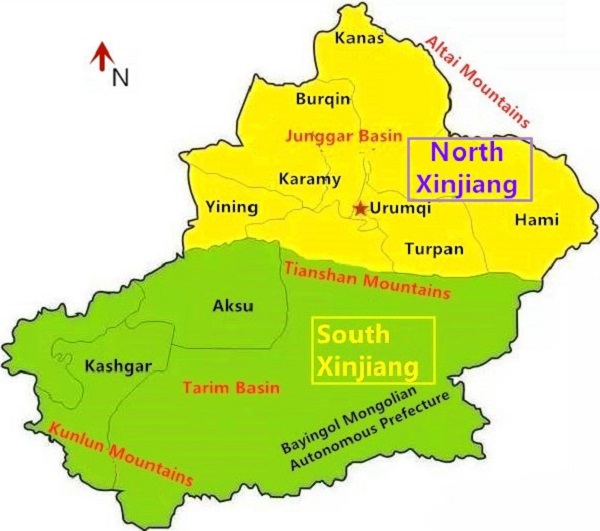
Xinjiang Map With Major Cities
Documents, Checks, And Local Rules
Foreign travelers should keep their passport and valid Chinese visa or other required entry documents secure and accessible. You may need to show identification when checking into accommodation, buying certain tickets, passing through transport facilities, or encountering a local checkpoint. Requirements can differ by place and circumstance, so follow instructions from staff and authorities calmly.
Carry your original passport when required for a specific journey, and keep a separate secure copy of its identification page, visa details, and emergency contacts. A digital copy can be useful, but it is not a substitute for the original where officials or service providers request it. Do not hand your passport to an unofficial intermediary or leave it unattended in a public place.
Foreign visitors should use accommodation that is authorized to host them and confirm that the property can complete the necessary registration. This is particularly important when booking small guesthouses or lodging outside major urban centers. Ask in advance rather than assuming an online listing has complete information.
Rules and access arrangements may change. Do not rely on old blog posts, social media comments, or advice from someone who visited a different district months earlier. If a site is temporarily restricted, do not attempt to bypass barriers or photograph security facilities. Cooperating with official instructions is the safest and most respectful response.
Personal Safety And Everyday Precautions
Ordinary travel precautions apply: keep valuables secure, use established transport, and stay aware of your surroundings in busy places. Pickpocketing and traffic hazards are more relevant to many travelers than dramatic risks. Cross streets carefully, wear seat belts where available, and avoid riding with a driver who appears tired or whose vehicle seems unsafe.
Xinjiang’s climate can be demanding. Summer heat in desert areas, strong sun at altitude, cold nights, and sudden weather changes in mountain regions can all affect a trip. Carry water, sun protection, suitable layers, and any personal medication you may need. If you are visiting high-elevation areas, allow time to acclimatize and seek medical advice if you have relevant health concerns.
Long drives can be tiring, and distances between services may be substantial. Keep drinking water and snacks with you, confirm where fuel and rest stops are available, and avoid setting out on an unfamiliar remote route without a reliable plan. In winter or during severe weather, ask locally whether roads and mountain passes are operating before traveling.
For urgent help, use the appropriate local emergency services and ask your hotel or local contact to assist with communication if needed. Save your accommodation’s address in Chinese, along with a contact number, so you can show it to a driver or official. Keep a charged phone and, when possible, a power bank.
Transport And Itinerary Planning
Most visitors reach Xinjiang by air or rail through major cities, then continue by domestic flight, train, bus, hired vehicle, or organized tour. Schedules and ticket availability can vary, particularly during busy travel periods. Confirm departure stations and airports carefully; large cities may have more than one transport hub, and last-minute changes can complicate a transfer.
When arranging a private vehicle, agree on the route, expected travel time, stops, and payment terms before departure. For long or remote journeys, ask whether the driver has experience with the route and whether the vehicle is appropriate for road conditions. Do not assume a standard rental car is suitable for every mountain, desert, or restricted-area itinerary.
Some destinations may require additional arrangements, permits, or confirmation of access. Requirements depend on the specific place and can change, so check before paying for nonrefundable transport or accommodation. A local operator can help verify logistics, but travelers should still confirm what is included and what happens if access is unavailable.
Keep your daily plan realistic. Allow time for identity checks, traffic, weather, and transport delays. If you have an international flight or an important onward connection, avoid relying on a long overland journey that arrives just before departure.
Photography, Customs, And Respectful Travel
Ask before photographing people, particularly in markets, villages, family settings, or religious spaces. A friendly gesture is not a substitute for permission. If someone declines, put the camera away without argument. Avoid photographing police, military facilities, checkpoints, transport security areas, or other locations where photography is prohibited or may cause concern.
When visiting mosques or other religious sites, follow posted rules and local guidance. Dress modestly, behave quietly, and ask whether visitors are permitted before entering. Some places may be closed to tourists or have restrictions on photography. Do not assume that a building is open simply because it appears on a map or travel website.
Food and hospitality are an important part of travel in Xinjiang. You may encounter Uyghur and other regional cuisines, including noodles, breads, grilled dishes, and local produce. If you have dietary needs, explain them clearly and consider using a translation app or a written note. Be considerate around fasting periods and religious observances, and accept hospitality graciously while communicating your preferences politely.
Avoid making intrusive assumptions about people’s identity, beliefs, or political views. A visitor’s role is to listen, learn, and follow the lead of local residents. Respectful behavior improves everyday interactions and helps keep travel comfortable for both visitors and hosts.
Connectivity, Money, And Practical Services
Internet access, mobile services, and access to international apps may differ from what travelers are used to at home. Check your phone’s roaming arrangements before departure and research lawful, reliable connectivity options for use in China. Download maps, translation tools, booking details, and important addresses in advance in case you lose signal.
Payment practices vary by business. Mobile payment is common in many urban settings, but a foreign visitor may need to set up an eligible account and complete any required verification. Carry a reasonable amount of Chinese currency as a backup, and confirm whether your bank cards are accepted before relying on them. Keep payment options separate so a lost wallet or phone does not leave you without access to funds.
Language can be a practical challenge outside major hotels and visitor services. Prepare the names of your destinations in Chinese characters, not only in English transliteration. A translation app can help with simple questions, but do not rely on it as the only way to explain a medical emergency or complex travel problem.
Who Should Take Extra Care?
Travelers with limited mobility, significant medical needs, or little experience navigating language barriers should plan additional support. Some routes involve long drives, uneven surfaces, high altitude, or limited access to specialist medical care. Discuss a suitable itinerary with a healthcare professional if you have a condition that could be affected by heat, altitude, long journeys, or delayed treatment.
Solo travelers can visit established destinations, but should share their itinerary with someone they trust and check in regularly on remote journeys. Families should consider travel time, children’s food and medication needs, restroom stops, and access to suitable accommodation. Independent travelers may find it useful to arrange a local guide or driver for routes where logistics are complicated.
People who may face additional scrutiny or have specific legal, professional, or personal concerns should review their government’s current advice and seek qualified guidance before travel. Do not rely on generalized assurances from a tour seller or online discussion. The relevant risks and rules can depend on a traveler’s circumstances and the places they plan to visit.
How To Plan A Safer Visit
Start with a route that matches your experience and available time. For a first visit, concentrating on major cities and established tourist areas can make transport and accommodation easier to manage. Add remote destinations only after checking access, road conditions, services, and any special arrangements required.
Book accommodation that confirms it can register foreign guests, and verify long-distance transport close to the travel date. Save copies of bookings and contact details offline. Share your itinerary and expected check-in times with a friend or family member, particularly when traveling outside urban centers.
Choose operators who answer practical questions clearly: which documents are needed, whether the route is currently accessible, what the price includes, and how changes are handled. Avoid anyone who promises unrestricted access or guaranteed entry to a location where arrangements may depend on current rules. China Dragon Travel may assist with itinerary planning and local logistics; confirm services and access conditions directly before booking.
A flexible schedule, respectful conduct, and current information are more useful than trying to predict every possible disruption. Check updates shortly before each leg of the journey, and be prepared to change plans if authorities, transport providers, or weather conditions require it.
Frequently Asked Questions
Is Xinjiang safe for tourists right now?
Safety and access conditions vary by location and can change. Many travelers visit established destinations, but check current official travel advice and confirm arrangements for your exact route before setting out.
Can foreign travelers visit Xinjiang independently?
Independent travel may be possible in some places, while other routes or sites may require additional arrangements or may not be accessible. Confirm accommodation registration, transport, and any location-specific requirements in advance.
Do I need to carry my passport in Xinjiang?
Keep your passport and valid travel documents secure and available. You may be asked to show identification during travel or accommodation check-in; follow local instructions about when an original document is required.
Is it safe to take photographs in Xinjiang?
Ask people for permission before photographing them, and follow posted restrictions. Avoid photographing security facilities, checkpoints, or other sensitive locations, and respect any request to stop.
What should I prepare before traveling to Xinjiang?
Check current travel advice, confirm transport and accommodation, carry required documents, save addresses in Chinese, arrange reliable connectivity, and pack for the climate and travel distances on your itinerary.