Qinghai-Tibet Railway ticket prices are not calculated as a single flat fee for the entire journey. The fare depends on the route and distance travelled, the type of seat or sleeper, and the ticket rules that apply to the selected train. For most visitors, the key choice is between a hard seat, a hard sleeper, and a soft sleeper; each offers a different balance of cost, privacy, and comfort during a long journey to Lhasa. Fares can also vary by departure point and destination, so a ticket from Xining is not priced the same as one from a station farther along the line.
Key Takeaways
- Route and distance: The origin and destination determine the basic fare calculation.
- Travel class: Seat and sleeper categories have different prices and comfort levels.
- Fare components: The ticket price generally reflects the chosen journey and accommodation class, not meals or optional services.
- Availability matters: A published fare does not guarantee that a particular class or departure will be available.
- Plan by itinerary: Compare the exact station pair and train shown by the official booking channel before budgeting.
What Determines Qinghai-Tibet Railway Ticket Prices?
The railway fare is primarily tied to the journey you book: where you board, where you get off, and the class of accommodation selected. The line crosses a large area, and trains serving Lhasa may operate from different points on the rail network. As a result, there is no single universal price for a “Qinghai-Tibet Railway ticket.” A traveler boarding in Xining, for example, is buying a different journey from someone who boards at a station farther east or travels only part of the route.
Distance is a central factor in conventional rail pricing. Longer journeys generally cost more than shorter ones within the same class, though the exact fare is determined by the railway’s fare structure rather than by multiplying a simple per-kilometre figure. The class also matters: a sleeper berth costs more than a seat because it provides a place to lie down during the journey. Within sleeper options, the degree of privacy and the berth arrangement affect the price.
The fare displayed for a specific trip is the most useful figure for planning. Broad online estimates can help with early budgeting, but they may refer to different routes, classes, or booking conditions. Always compare like with like: the same departure station, arrival station, train, and accommodation type. A fare quoted for a hard sleeper cannot be used to estimate a soft sleeper accurately, and a fare for one origin should not be assumed to apply to another.
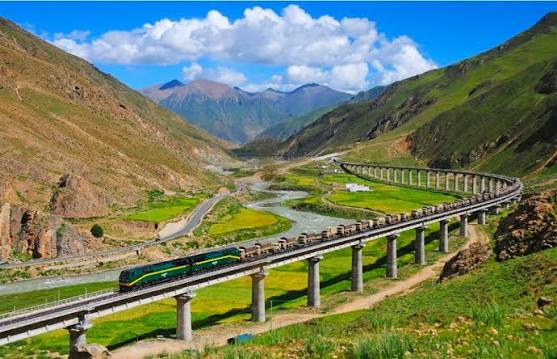
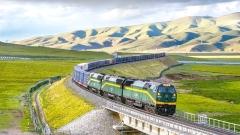
Qinghai-Tibet Railway Train
Route, Boarding Station, and Distance
The most important first step is to identify the exact station pair. Travelers commonly begin their journey in Xining, the principal rail gateway for many trips to Lhasa, while other itineraries may involve a longer rail journey from cities farther away. The departure point changes both the total distance and the time spent onboard, which in turn affects the price of the ticket.
The destination matters too. A ticket to Lhasa is priced for that station, while a journey that ends earlier on the route is a separate ticket with its own fare. If your itinerary includes a transfer or a stopover, do not assume that a single through fare applies. Check each ticket individually and leave enough time between trains if separate bookings are involved.
Route comparisons should also account for practical travel time. A cheaper ticket for a longer journey may mean many additional hours on board. Conversely, joining the train at a later station may shorten the ride but can make it harder to find a suitable departure or class. The lowest displayed fare is not always the best choice when the difference in travel duration, sleep, or onward arrangements is considered.
Seat and Sleeper Class
The ticket class is the clearest source of price differences for most passengers. On long-distance trains serving Lhasa, the commonly discussed choices include hard seat, hard sleeper, and soft sleeper. The availability and exact configuration can depend on the train and the ticket being offered, so use the class names shown on the booking platform rather than assuming every service has an identical layout.
A hard seat is usually the lowest-cost option. It provides a regular seat but no berth for sleeping. This can be suitable for a short section of a journey or for travelers who prioritize minimizing the ticket cost. On an overnight or very long trip, however, spending many hours without a sleeping berth may be tiring. Consider the full duration rather than looking only at the initial price.
A hard sleeper provides an open-compartment berth. It is typically a middle-ground option: more expensive than a seat, but less than a soft sleeper. The shared layout offers less privacy, and passengers should expect to share the space with other travelers. For many people making a long journey, the ability to lie down makes the additional cost worthwhile.
A soft sleeper generally offers a more private, enclosed arrangement and fewer berths in a compartment than a hard sleeper. It is normally the higher-priced standard option. Travelers who value privacy, are sharing with family, or want a quieter place to rest may prefer it, subject to availability. A higher fare does not mean every extra service is included; check what the ticket covers and what must be purchased separately.
There may be other categories or specific ticket arrangements depending on the train and booking inventory. Do not rely on a class name from an old blog post or an unofficial fare table if it does not match the options shown for your actual departure. The live listing for the selected service is the practical reference.

Tibet Train Soft Sleeper
What Is Included in the Ticket Fare?
A standard rail ticket covers the booked journey and the accommodation category shown on the ticket. It should not be treated as an all-inclusive travel package. Food, drinks, personal supplies, and services outside the railway ticket are generally separate expenses. If you book through a travel agency or another intermediary, any service charge or handling fee should be distinguished from the railway fare itself.
The total amount you pay at checkout may therefore differ from the base fare quoted elsewhere. The difference can come from booking-service fees, payment-related charges, or other clearly itemized costs. These are not necessarily part of the train’s underlying ticket price. Review the final price breakdown before confirming a reservation, especially when comparing a direct booking option with a third-party service.
The ticket also does not automatically include accommodation before departure or after arrival, transport to the station, sightseeing, meals, or any arrangements required for other parts of your itinerary. For a realistic trip budget, keep rail fare separate from these items. This makes it easier to compare travel options and prevents a ticket estimate from being mistaken for the cost of the whole journey.
Additional Costs to Budget For
Food is one of the most common expenses during a long train trip. Passengers may bring suitable snacks and drinks or purchase food during the journey, depending on what is available. Prices and choices can vary, so travelers with dietary needs should plan ahead rather than assume a particular menu will be offered.
You may also need to budget for getting to the station, luggage-related needs, and local transport when you arrive. If the train departs early or reaches Lhasa at an inconvenient time, a hotel night or a pre-arranged transfer can affect the overall travel cost more than a small difference between ticket classes.
Travelers should keep personal documents and booking information accessible. Requirements relating to travel to Tibet can depend on a visitor’s circumstances and current regulations. Confirm the applicable requirements with an authorized travel provider or relevant official channel before departure; do not assume that a train ticket alone is sufficient for every part of a trip.
How to Estimate Your Ticket Budget?
A reliable estimate starts with a specific itinerary rather than a general question about the price of the railway. Write down your departure station, arrival station, preferred travel date, and acceptable ticket classes. Then check the fare for each matching option through the official railway booking service or another provider that clearly identifies the route, class, and any service charges.
Use the following comparison method:
- Choose the route: Confirm the exact boarding and arrival stations.
- Select a class: Compare seat, hard sleeper, and soft sleeper where offered.
- Check the same departure: Make sure the fares you compare refer to the same train and travel date.
- Read the price breakdown: Separate the rail fare from any third-party service fee.
- Add non-ticket expenses: Include food, station transport, accommodation, and onward travel in a separate budget.
- Allow for limited availability: Avoid building a plan around a class that has not yet been confirmed.
This approach is more dependable than applying an old online price to a new itinerary. Even if the railway’s fare structure is stable, the set of available tickets can change as bookings are made, and the options displayed may not remain available. The price you see for a particular class is useful only when it corresponds to your route and departure.
Example of a Like-for-Like Comparison
Suppose two travelers are considering the same train from the same origin to Lhasa. One compares a hard seat with a hard sleeper, while the other compares a hard sleeper with a soft sleeper. They are not asking the same pricing question. The first comparison measures the cost of gaining a berth; the second measures the additional cost of a more private sleeper arrangement.
A fair comparison keeps the route, departure, and date constant, changing only the class. If the journey or date changes at the same time, it becomes difficult to tell why the price differs. This simple method helps travelers understand whether a higher fare buys a different level of comfort or merely reflects a different itinerary.
Why Prices and Availability Can Look Different Online?
Travelers may encounter several figures for what appears to be the same train. Often, the sources are showing different station pairs, classes, or booking conditions. A search result might display a starting fare, an estimate for one class, or a price that does not include an intermediary’s service fee. The number should not be treated as a confirmed quotation until the exact itinerary and ticket category are clear.
Inventory is another reason that the booking experience can differ from a general fare guide. A particular sleeper class may be sold out while seats remain, or a preferred departure may not be available for the chosen date. This affects what a traveler can actually purchase, even when the fare structure itself has not changed. A planned budget should allow for the possibility that the first-choice class is unavailable.
Use current booking information close to the time you make the reservation. Check that the departure and arrival stations are correct, particularly when city names and station names are not identical. Read the displayed class carefully and confirm the final amount before paying. If an agent is handling the booking, ask for the route, class, railway fare, and any separate service charge in writing.
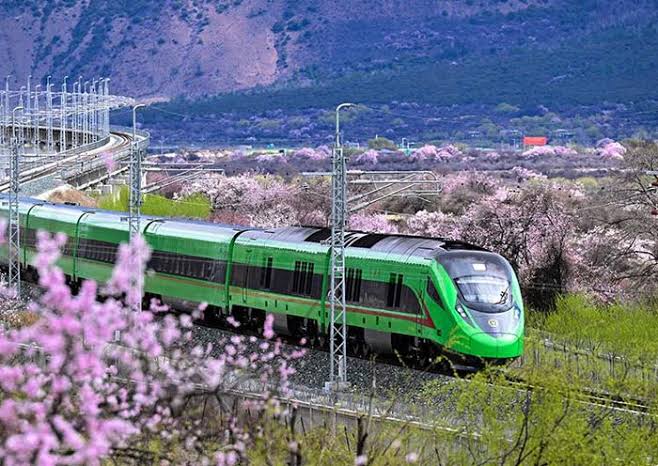
Qinghai-Tibet Railway Train
Choosing the Best Class for Your Journey
The cheapest class is not automatically the most suitable. For a short ride, a seat may be a reasonable way to keep expenses down. For an overnight or lengthy journey, a sleeper can provide a more practical place to rest. The choice between hard and soft sleeper often comes down to budget, tolerance for shared space, and the value you place on privacy.
Families and travelers who prefer a quieter compartment may look first at soft sleeper availability, but the class can be limited and may cost more. Solo travelers who are comfortable in a shared setting may find hard sleeper a more balanced option. Groups should not assume that several tickets will be placed together automatically; check the booking details and the railway’s seating or berth allocation process.
Think about the whole trip as well. If arriving rested is important for an onward transfer or a planned activity, the value of a berth may go beyond the difference in ticket price. On the other hand, if the journey is only one section of a longer budget trip, a lower-cost seat may fit your priorities. There is no universally best class: the right decision depends on the route, duration, budget, and comfort needs.
Booking Tips for a Smoother Trip
Book through a channel that clearly identifies the ticket and explains how confirmation works. If you use an intermediary, understand whether it is placing a request or issuing a confirmed ticket, and note its cancellation and change conditions. Check the passenger information carefully; an error in a name or document detail can create avoidable problems.
Keep the ticket details and the identification document used for booking available during travel. Arrive at the station with enough time for the procedures required at that station, and follow current instructions from railway staff. Station access and boarding arrangements can differ, so do not rely solely on advice written for another station or an earlier journey.
Plan meals, water, and basic personal supplies with the journey length in mind. Pack what you need in an accessible bag, and keep valuables and important documents secure. If you have specific health concerns, consult a qualified medical professional before traveling at high altitude and follow individualized advice. The train journey itself does not replace preparation for the conditions at your destination.
If you want help coordinating the rail booking with the rest of a Tibet itinerary, China Dragon Travel can be considered as one planning option. Before using any agency, confirm what it handles, whether its quoted amount includes the railway fare or a separate service fee, and what documentation and cancellation terms apply. Compare the service with your needs rather than assuming that an agency fee is part of the railway’s standard fare.
Frequently Asked Questions
Is there one fixed price for the Qinghai-Tibet Railway?
No. The fare depends on the stations you travel between and the class booked. The price displayed for a specific route and train is more useful than a single general estimate.
Which ticket class is usually the least expensive?
A hard seat is generally the lowest-cost option among the commonly discussed classes. It does not provide a sleeping berth, so consider journey duration and comfort before choosing it for a long trip.
Does a sleeper ticket include meals?
A sleeper ticket covers the accommodation class and journey shown on the ticket, not an all-inclusive package. Food and other personal expenses should be budgeted separately.
Why does an agency quote more than a fare shown elsewhere?
The figures may refer to different routes or classes, or the agency price may include a separate service charge. Ask for an itemized breakdown and compare the same train, station pair, and ticket class.