
Key Takeaways
- Taking the train to Tibet is a good option for first-time visitors who are unsure how their bodies will react to high altitude, as the journey allows for a more gradual transition to the Tibetan Plateau.
- Choose a sleeper whenever possible. A hard seat may save money, but getting enough rest is much more important when traveling at high altitude.
- Choose your train based on both comfort and scenery. Direct trains from Chengdu are more convenient, while routes via Lanzhou or Xining can offer better daytime views of the Qinghai-Tibet Plateau.
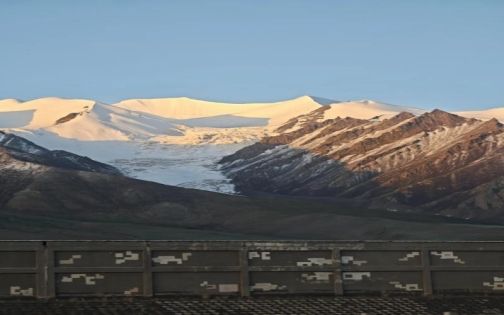
- The most spectacular scenery is mainly after Golmud, including Kekexili, Tuotuo River, the Tanggula Mountains, Cuona Lake, Qiangtang Grasslands and snow-capped mountains.
- Check the latest train schedules before booking. Train numbers, departure dates and operating times can change with railway timetable adjustments.
- Prepare essential travel items in advance, including your passport or ID, appropriate travel documents, warm layers, sunglasses, sunscreen, moisturizer, slippers, a power bank, earplugs and basic personal medication.
- Do not assume that taking the train will prevent altitude sickness. You may still experience headaches, nausea, fatigue, dizziness or difficulty sleeping at high altitude.
- Rest is the priority during the high-altitude section. Avoid unnecessary walking, strenuous exercise and staying awake all night to watch the scenery.
- Take it easy after arriving in Lhasa. Walk slowly, eat light meals, stay hydrated and avoid immediately scheduling a packed sightseeing itinerary.
- Do not ignore serious symptoms. Severe breathing difficulties, chest pain, confusion, difficulty walking or persistent vomiting require prompt medical attention.
- For the best photography, choose a window seat and keep your phone lens close to the glass to reduce reflections and capture clearer views.
- The train journey itself is part of the Tibet experience. From vast grasslands and wildlife to snow-capped mountains and high-altitude lakes, the journey to Lhasa can be one of the highlights of the trip.
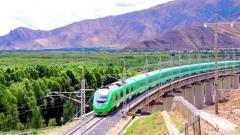
Scenery of the Qinghai-Tibet Railway
1. Why Take the Train to Tibet for Your First Trip?
Gradual altitude gain can make the transition easier
Flying can take you from a low-altitude city directly to Lhasa, which sits at around 3,650 meters above sea level. For some travelers, this rapid change in altitude can be challenging. By train, the altitude generally increases more gradually, particularly after Xining as the railway enters the Tibetan Plateau.For first-time visitors with no previous high-altitude travel experience, traveling by train provides more time to observe how your body responds. However, gradual ascent does not guarantee that you will avoid altitude sickness. Everyone reacts differently to high altitude.
Do not choose a hard seat just to save money
A long-distance hard-seat journey may look like the cheapest option, but sitting for many hours without proper sleep can leave you exhausted before you even reach Tibet. Once the train enters the high-altitude section, fatigue can make the journey considerably more difficult.For a first trip, a hard sleeper or soft sleeper is generally a better choice. Being able to lie down and sleep comfortably is often much more valuable than saving a few hundred yuan.
2. How to Choose a Train to Lhasa?
Train schedules and operating days can change according to railway timetable adjustments, so always check the latest information on China’s official railway booking system, 12306, before purchasing tickets.Depending on your departure city, there are two practical approaches: taking a direct train or transferring in Lanzhou.
Option 1: Chengdu West to Lhasa Direct
A direct train such as Z322 can take you from Chengdu West to Lhasa without changing trains. Typical schedules have the train departing Chengdu in the evening and arriving in Lhasa on the morning of the third day, with a total journey of roughly 34 hours.The biggest advantage is convenience. You do not need to transfer or move your luggage between trains, making this option suitable for travelers carrying large bags or those who prefer a simpler journey.The downside is that direct services may operate less frequently, and some of the most spectacular sections of the Qinghai-Tibet Railway may pass during the night.
Option 2: Chengdu West → Lanzhou → Lhasa
If scenery is your priority, consider traveling from Chengdu West to Lanzhou first and then taking a train from Lanzhou to Lhasa.For example, Z165 from Lanzhou to Lhasa commonly departs around 16:36 and arrives in Lhasa the following afternoon. The journey takes approximately 23 hours. Depending on the season and timetable, important sections of the plateau can pass during daylight hours, allowing passengers to see Kekexili, the Tanggula Mountains, Cuona Lake, Nagqu grasslands and other landscapes.This option requires a transfer, but it can offer a much better sightseeing experience.
If you want the best scenery, choose your train based on daylight hours
When choosing a train to Tibet, do not simply look for the fastest or cheapest option. The most spectacular scenery is concentrated along the Golmud-to-Lhasa section.Many travelers specifically look for services that travel through the main scenic areas during daylight hours, such as Z8991. Depending on the current railway timetable, this type of service can allow passengers to sleep during the night and enjoy the major plateau landscapes during the day.Always check the actual operating date and timetable on 12306 before booking.
Scenery of the Qinghai-Tibet Railway
3. What Can You See Along the Qinghai-Tibet Railway?
Golmud to Kekexili: Entering the High Plateau
After leaving Golmud, the landscape changes dramatically. Cities gradually disappear and are replaced by vast wilderness, grasslands and snow-covered mountains.Kekexili is one of the most memorable sections of the journey. The area is sparsely populated, and lucky travelers may spot Tibetan antelope or Tibetan wild asses near the railway.Wildlife sightings are unpredictable, so do not spend the entire journey staring through the window. Rest is still important, especially when the train reaches higher elevations.
Tuotuo River: One of the Sources of the Yangtze River
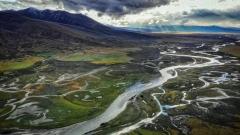
The train passes through the Tuotuo River area, an important geographic location associated with the source region of the Yangtze River.On clear days, the combination of high-altitude grasslands, rivers, blue skies and distant mountains creates some of the most impressive views along the route.
Tanggula Mountains: The Highest Section of the Journey
The Tanggula Mountains are one of the most famous sections of the Qinghai-Tibet Railway. The railway crosses an area above 5,000 meters in elevation.At this altitude, oxygen levels are significantly lower, and some passengers may experience headaches, dizziness, nausea or shortness of breath.If you feel seriously unwell, inform the train staff and use the onboard oxygen system according to their instructions. Do not try to endure severe symptoms simply because you are excited about the scenery.
Cuona Lake: A High-Altitude Blue Jewel
Cuona Lake is widely regarded as one of the most beautiful landscapes along the railway. The train passes close to the lake, and on clear days the deep blue water contrasts beautifully with the surrounding grasslands and snow-covered mountains.If your train passes this section during daylight, keep your camera or phone ready. Placing the phone lens close to the train window can significantly reduce reflections and improve photo quality.
Qiangtang Grasslands and the Nyenchen Tanglha Mountains
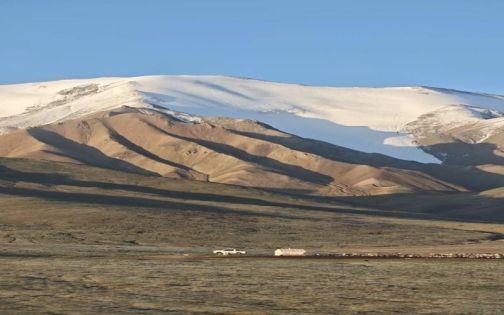
As the train approaches Lhasa, the landscape gradually becomes a mixture of enormous grasslands, grazing livestock and distant snow-capped mountains.This final section is more than simply transportation to Lhasa. For many travelers, the journey itself becomes one of the highlights of their Tibet trip.
4. What Should You Pack for a Train Journey to Tibet?
Keep your identification documents accessible
Keep your passport and other required travel documents somewhere easily accessible. Identity checks may occur during the journey, so avoid putting important documents deep inside your luggage.If your itinerary includes areas such as Everest Base Camp, Ngari or Medog, check in advance whether a Border Pass is required. Requirements can vary depending on the destination and current regulations, so confirming with your travel agency or the relevant authorities before departure is recommended.
Clothing: Prepare for strong sun and cold temperatures
High-altitude areas have strong UV radiation, while temperatures can drop considerably after sunset. Sunglasses, sunscreen, a hat and warm clothing are recommended.Instead of bringing only one extremely thick jacket, layering is more practical: a T-shirt or base layer, a light jacket and a warmer outer layer.For the train, pack comfortable sleepwear, slippers, a U-shaped travel pillow, an eye mask and earplugs. These small items can make a long journey much more comfortable.
Food and hydration: Keep it simple
Bring a reusable water bottle or thermos, some fruit and a small amount of snacks. Trains generally provide meals and hot water, so there is no need to carry a huge supply of food.During the journey, light and simple meals are usually easier to tolerate than overeating.Smoking should not be considered a way to relieve altitude sickness. At high altitude, oxygen availability is already reduced, and smoking can place additional stress on the respiratory system.
5. How to Reduce Altitude Discomfort on the Train?
Rest is more important than sightseeing
Once the train reaches high-altitude sections, avoid unnecessary physical activity. Do not repeatedly walk up and down the train or stay awake all night taking photos.One common mistake is staying awake throughout the night because you do not want to miss the scenery. In reality, getting enough sleep is one of the most important things you can do during a high-altitude journey.Try to sleep during the night and enjoy the scenery during daylight hours when you are more rested.
Avoid rushing to shower immediately after arriving in Lhasa
After arriving in Lhasa, do not immediately take a long hot shower or wash your hair if you are feeling tired or experiencing altitude-related symptoms.A shower itself does not automatically cause altitude sickness. However, hot water, prolonged bathing, fatigue and temperature changes can make some people feel worse. For travelers who are already experiencing discomfort, resting first is a safer choice.
Bring basic medication and personal essentials
A small travel medical kit can include glucose packets, common cold medicine, motion-sickness medication and any personal medications you normally take.Ibuprofen may help relieve headaches or pain for some people, but it does not treat altitude sickness and is not suitable for everyone. Follow the package instructions and seek advice from a doctor or pharmacist when appropriate.If you experience severe or persistent shortness of breath, chest pain, confusion, difficulty walking, repeated vomiting or other serious symptoms, do not rely only on painkillers or glucose. Seek medical assistance immediately.
Scenery of the Qinghai-Tibet Railway
6. How Should You Spend Your First Day in Lhasa?
Walk slowly and keep the schedule light
Even if you feel perfectly fine when you arrive, avoid filling your first day with multiple attractions and long walks.Instead, check into your hotel, drink water, eat a light meal and rest. Give your body time to adapt.A common mistake is thinking, “I feel fine, so I can visit everything today.” Altitude-related symptoms do not always appear immediately. They can develop several hours after arriving.If you feel well, gradually increase your activity level from the following day rather than trying to complete a full sightseeing schedule immediately after arrival.
7. Practical Packing Checklist for Train Travel to Tibet
Recommended items
Passport and required travel documents, Border Pass if necessary, phone and charger, power bank, sunglasses, sunscreen, hat, moisturizer, lip balm, tissues, wet wipes, disposable face towels, toothbrush and toothpaste, slippers, U-shaped pillow, eye mask, earplugs, thermos, light snacks and basic personal medication.Moisturizing products are particularly useful. The high-altitude environment is extremely dry, and your lips, skin and nasal passages can become dry quickly.
8. Is Taking the Train to Tibet Worth It?
For first-time visitors who are unsure how their bodies will react to high altitude, taking the train to Lhasa can be a worthwhile option. Its biggest advantage is not that it guarantees you will avoid altitude sickness, but that it allows you to gradually enter the Tibetan Plateau and monitor how your body responds.If comfort is your priority, choose a sleeper whenever possible. If scenery is your priority, choose a train that passes through Golmud, Kekexili, the Tanggula Mountains, Cuona Lake and the Qiangtang Grasslands during daylight.The Tibet experience does not begin only after you arrive in Lhasa. It begins the moment the train leaves the lowlands, enters the Qinghai-Tibet Plateau, passes snow-covered mountains and vast grasslands, crosses Kekexili and eventually approaches the Holy City of Lhasa.For a first trip to Tibet, take it slowly, rest well and avoid pushing yourself too hard. Sometimes the most memorable part of the journey is not the destination, but watching the landscape transform outside the train window as you slowly make your way toward Lhasa.
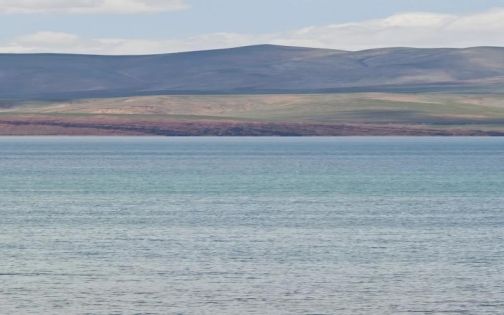
Scenery of the Qinghai-Tibet Railway