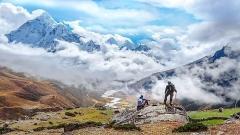

When most travelers picture Tibet, they imagine snow-capped peaks, biting winds, and frozen landscapes that seem entirely inhospitable during the winter months. However, visiting Tibet in December reveals a completely different reality. Far from being an icy wasteland, the central regions of the plateau, particularly around Lhasa and the Yarlung Tsangpo River valley, enjoy abundant sunshine and surprisingly comfortable daytime temperatures. More importantly, December transforms this high-altitude destination into one of the premier birdwatching locations in Asia. As thousands of migratory birds flee the harsh winters of Siberia and northern China, they descend upon Tibet’s unfrozen rivers and wetlands, creating a spectacular wildlife display.
Key Takeaways
- Mild Winter Sun: Daytime temperatures in Lhasa frequently reach 8°C to 12°C under intense, clear sunshine.
- Peak Migration Season: December brings thousands of Black-necked Cranes and Bar-headed Geese to the river valleys.
- Fewer Crowds: Experience iconic monasteries and landmarks without the heavy tourist traffic of summer.
- Clear Skies: The dry season guarantees exceptional visibility for photography and viewing distant Himalayan peaks.
- Lower Costs: Accommodation and tour prices drop significantly compared to the peak summer months.
Why Visiting Tibet in December Offers Surprisingly Mild Weather
The misconception about freezing winter conditions often deters travelers from considering a late-year journey to the plateau. Yet, the geography and climate of central Tibet create a unique microclimate that makes visiting Tibet in December remarkably comfortable. Lhasa, situated at an elevation of about 3,650 meters, is famously known as the “Sunlight City.” During December, the region receives more than eight hours of direct sunlight daily. Because the air is incredibly thin and dry, solar radiation heats the ground rapidly, pushing daytime temperatures well above freezing, often hovering between 8°C and 12°C (46°F to 54°F). You can comfortably explore the Potala Palace or stroll through Barkhor Street wearing a warm fleece and a windbreaker, shedding heavier layers as the midday sun warms the cobblestones.
While the days are wonderfully mild, it is essential to understand the diurnal temperature variation. Once the sun dips behind the mountains, usually around 6:00 PM, temperatures plummet rapidly. Nighttime lows in Lhasa can drop to -8°C to -10°C (17°F to 14°F), and higher elevations will be significantly colder. Therefore, dressing in layers is not just a suggestion; it is a strict necessity for survival and comfort. A high-quality down jacket, thermal base layers, insulated gloves, and a warm hat are indispensable for the evenings and early mornings. However, because you will spend the vast majority of your sightseeing hours bathed in sunlight, the overall feeling of a December trip is far less brutal than a winter visit to Beijing or Harbin.
Furthermore, December falls squarely within the dry season. Rainfall is virtually non-existent, meaning you do not have to worry about muddy trails, canceled flights due to storms, or obscured mountain views. The sky remains a piercing, uninterrupted blue from horizon to horizon. This lack of moisture also means the air is exceptionally crisp, providing unparalleled clarity for viewing the surrounding snow-capped peaks. When you stand on a rooftop terrace in Lhasa looking south, the jagged ridges of the Himalayas appear so close you feel you could reach out and touch them. This combination of warm sunshine, zero rain, and crystal-clear skies makes the physical experience of traveling during this month highly rewarding.
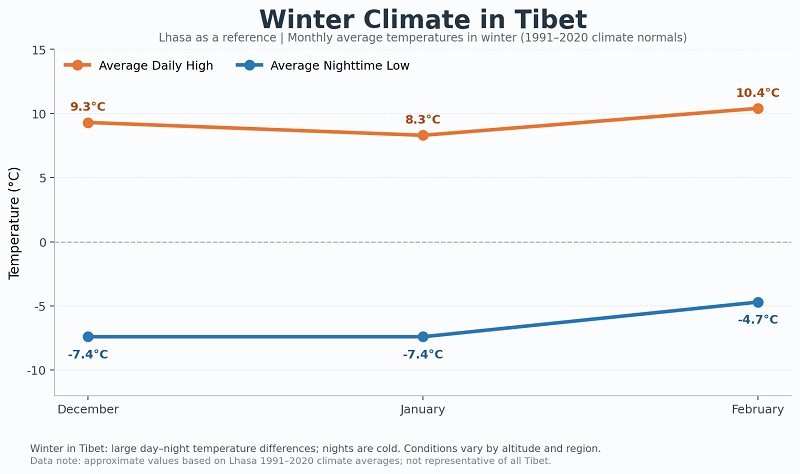
Tibet Winter Climate Chart
December Birdwatching in Tibet: A Hidden Ornithological Paradise
For nature enthusiasts and photographers, the primary reason for visiting Tibet in December is the extraordinary birdwatching opportunities. While summer attracts trekkers, winter belongs to the birds. The Tibetan Plateau serves as a critical wintering ground for numerous species that breed in the high Arctic, Siberia, and northern Mongolia. As lakes freeze over in those northern latitudes, these birds follow ancient migratory flyways southward, seeking the relatively warmer, fast-flowing rivers and geothermal wetlands of Tibet. By December, the migration is complete, and the river valleys are teeming with avian life, making it the absolute peak season for ornithology on the plateau.
The crown jewel of Tibetan birdwatching is undeniably the Black-necked Crane (Grus nigricollis). This elegant bird is the only crane species that breeds and winters entirely on the high plateau, and it holds deep spiritual significance in Tibetan Buddhist culture, often regarded as a sacred messenger or an incarnation of monks. During the summer, they inhabit the remote northern marshes of Changtang, but as winter approaches, they migrate to lower-elevation agricultural valleys where farmers leave harvested barley stubble in the fields, providing a reliable food source. In December, you can observe large flocks of these majestic cranes performing their intricate, leaping courtship dances against a backdrop of golden fields and snow-dusted mountains. Their haunting, bugling calls echoing across the frosty morning valleys create an unforgettable sensory experience.
Beyond the cranes, the rivers and reservoirs host massive congregations of waterfowl. The Bar-headed Goose (Anser indicus), famous for its incredible ability to fly over the Himalayas during migration, winters here in staggering numbers. You will also spot Ruddy Shelducks, Northern Pintails, Common Mergansers, and various species of gulls and terns navigating the icy edges of the rivers. Raptors are equally prominent in the winter skies. The Himalayan Vulture, Golden Eagle, and Upland Buzzard are frequently seen soaring on the thermal updrafts generated by the winter sun, scanning the grasslands for small mammals. For dedicated birders, a single day spent along the riverbanks in December can yield a checklist of over fifty distinct species, many of which are endemic or near-endemic to the Central Asian highlands.
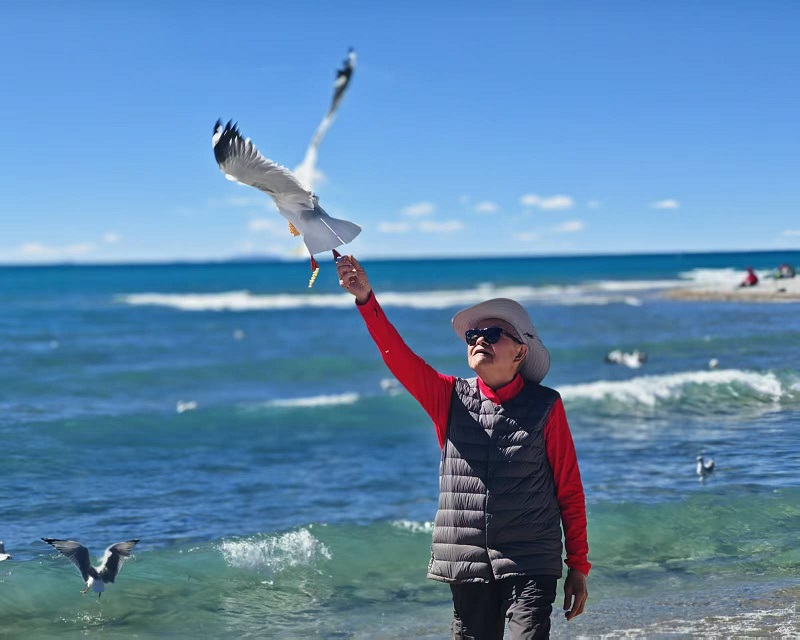
Tibet Tourist Photos
Top Destinations for Birdwatching and Sightseeing in Winter
To maximize your experience when visiting Tibet in December, strategic itinerary planning is crucial. The harshness of the deep plateau means that winter travel must focus on specific accessible valleys where both human infrastructure and wildlife converge. Fortunately, some of the best birding locations overlap perfectly with Tibet’s most significant cultural and historical sites, allowing you to blend wildlife observation with cultural exploration seamlessly.
Linzhou County and the Black-necked Crane Reserve
Located roughly 60 kilometers north of Lhasa, Linzhou County is arguably the most accessible and rewarding birdwatching site for travelers based in the capital. The Linzhou Black-necked Crane Nature Reserve was established specifically to protect the wintering habitat of these birds. In December, hundreds of cranes gather in the marshlands and agricultural terraces here. Unlike remote wilderness areas, Linzhou allows visitors to get relatively close to the birds, especially near traditional farming villages where locals actively protect them. Early morning is the best time to visit, as the cranes lift off from their roosting sites in the shallow wetlands and glide toward the feeding grounds. The soft morning light illuminating their dark necks and white bodies provides phenomenal opportunities for wildlife photography. You can easily arrange a half-day trip from Lhasa, returning in time to explore the city’s monasteries in the afternoon.
The Yarlung Tsangpo River Valley
The middle reaches of the Yarlung Tsangpo River, particularly the stretch flowing through Shannan (Lhoka) Prefecture, form a vital ecological corridor. Because the river flows swiftly and retains geothermal heat in certain sections, it rarely freezes completely, providing open water for aquatic birds throughout the coldest months. Driving along the river road between Tsetang and Gonggar Airport, you will constantly spot flocks of Bar-headed Geese and Ruddy Shelducks resting on sandbars or foraging along the banks. The broad valley floor also supports diverse passerine birds, including various species of larks, finches, and snowfinches that flit among the scrubby vegetation. This area is steeped in history as the cradle of Tibetan civilization, home to the Yumbulagang Palace and Samye Monastery, making it a perfect dual-purpose destination for culture and nature lovers.
Yamdrok Lake and Karo La Glacier
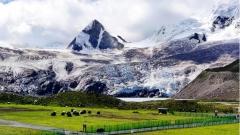
While many high-altitude lakes freeze solid in winter, Yamdrok Lake, situated at 4,441 meters on the route to Gyantse, often retains patches of stunning, sapphire-blue open water surrounded by dramatic ice formations. The drive over the Kamba La pass offers panoramic views of the lake, and the descent provides chances to spot high-altitude specialists like the Snow Partridge or the elusive Tibetan Partridge hiding among the rocky scree slopes. Continuing further toward the Karo La Glacier, the landscape becomes increasingly stark and alpine. While bird density decreases at these extreme altitudes, the sheer scale of the scenery and the presence of hardy mammals like the Blue Sheep (Bharal) make the journey deeply rewarding. The contrast between the frozen glacier and the vibrant blue water below is one of Tibet’s most iconic winter vistas.
Lhasa Wetlands and Urban Parks
You do not always need to leave the city limits to enjoy excellent birdwatching. The Lhasa River wetlands, located just south of the city center, have undergone significant ecological restoration and now serve as a haven for wintering ducks and waders. Furthermore, urban parks like Zongjiao Lukang, situated directly behind the Potala Palace, are surprisingly rich in birdlife. The park’s ponds attract Mandarin Ducks and various migratory waterbirds, while the ancient trees harbor resident species like the White-browed Tit-Warbler and several types of rosefinches. Watching devout pilgrims spin prayer wheels alongside feeding birds in the shadow of the Potala Palace encapsulates the harmonious relationship between humans, religion, and nature that defines Tibetan culture.
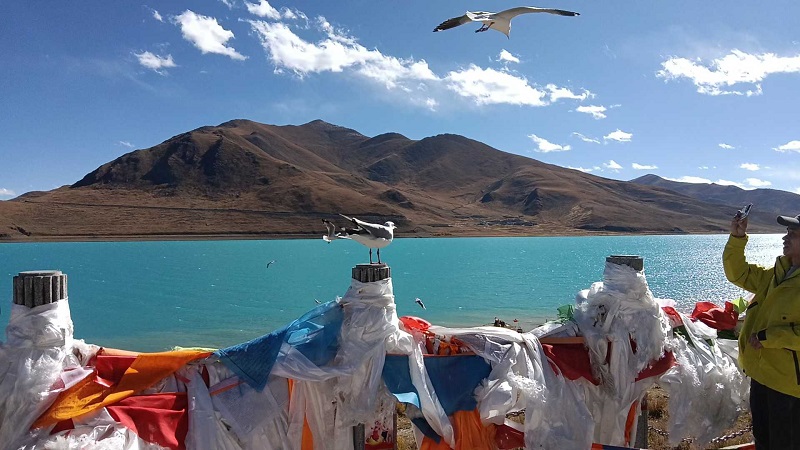
Tibet Tourist Photos
Practical Tips for Your Winter Journey to the Plateau
Executing a successful trip to this high-altitude environment during the winter requires careful preparation. Visiting Tibet in December is logistically smoother than in summer regarding permits and accommodation availability, but the environmental conditions demand respect. Understanding how to manage altitude, health, and local regulations will ensure your focus remains on the incredible scenery and wildlife rather than preventable discomforts.
Altitude sickness remains the primary concern regardless of the season. The atmospheric pressure in December does not change significantly compared to summer, but the cold, dry air can exacerbate respiratory strain. It is imperative to ascend gradually. Spend your first two to three days in Lhasa acclimatizing before attempting any excursions to higher passes like Kamba La or Karo La. Hydration is even more critical in winter; the arid air strips moisture from your body rapidly, often without you realizing you are sweating beneath heavy layers. Drink plenty of warm fluids, avoid alcohol for the first few days, and consider consulting your physician about prophylactic medications like acetazolamide before departure. Moving slowly and avoiding strenuous exertion upon arrival cannot be overstated.
Protecting yourself from the intense winter sun is another vital consideration. The combination of high altitude, thin atmosphere, and reflective snow creates extreme UV exposure. Sunburn can occur in minutes, even when the ambient air feels cold. Apply high-SPF sunscreen liberally and frequently, wear UV-blocking sunglasses to prevent snow blindness, and use lip balm with sun protection. The dry air also wreaks havoc on skin and nasal passages, so heavy moisturizers and saline nasal sprays should be standard items in your daypack. Dressing in breathable, moisture-wicking base layers prevents sweat from cooling rapidly against your skin when you stop moving, which is a primary cause of dangerous chilling.
From a regulatory standpoint, all foreign travelers must obtain a Tibet Travel Permit issued by the Tibet Tourism Bureau, in addition to a standard Chinese visa. This permit cannot be applied for independently; it must be arranged through a registered travel agency as part of a guided tour. Winter is actually the ideal time to navigate this process, as agencies have fewer clients and government offices process applications more quickly than during the chaotic summer peak. Flights and train tickets into Lhasa are also much easier to secure, and hotels that charge premium rates in August often offer substantial discounts in December, allowing you to upgrade your accommodation for a fraction of the cost.
Cultural Immersion Without the Summer Crowds
One of the most profound advantages of visiting Tibet in December is the shift in the demographic makeup of the streets and monasteries. During the summer, major sites like the Jokhang Temple, Sera Monastery, and the Potala Palace are heavily trafficked by domestic and international tourists. The atmosphere, while vibrant, can sometimes feel rushed, with timed entry slots and crowded courtyards limiting the depth of your experience. In winter, the tourist buses disappear, and the sacred spaces are reclaimed by the local population. The ratio of pilgrims to tourists shifts dramatically, offering a much more authentic window into Tibetan Buddhist practices.
Walking the Barkhor circuit in December means walking shoulder-to-shoulder with nomads who have traveled weeks from the remote Changtang grasslands to pay their respects. They wear their finest traditional chubas (heavy woolen robes) adorned with turquoise, coral, and amber, turning the kora path into a living museum of Tibetan heritage. Inside the monasteries, the chanting of monks echoes clearly without being drowned out by chatter, and the smell of burning juniper incense and yak butter lamps permeates the cold air intensely. You have the time and space to sit quietly in a courtyard, observe a debate session at Sera Monastery without fighting for a viewing spot, or engage in meaningful, unhurried conversations with locals who are genuinely curious about the rare winter visitors.
Additionally, December often coincides with important dates in the Tibetan lunar calendar, leading to localized festivals and religious ceremonies that are entirely missed by summer travelers. Monasteries may host special winter pujas (prayer ceremonies) featuring elaborate masked Cham dances, the unrolling of giant Thangka paintings, or the creation of intricate butter sculptures. Participating in or observing these events provides a cultural richness that transcends standard sightseeing, embedding your journey with spiritual significance and unforgettable memories.
Planning Your Trip with China Dragon Travel
Navigating the logistical complexities of a high-altitude winter expedition requires expertise and reliable local support. This is where partnering with an experienced operator like China Dragon Travel becomes invaluable. Specializing in tailored journeys across the region, China Dragon Travel understands the nuanced requirements of winter itineraries, from securing necessary permits efficiently to arranging vehicles equipped with proper heating systems for long drives through freezing valleys. Their knowledgeable guides are not only experts in Tibetan history and culture but are also trained to identify local wildlife, ensuring that your birdwatching objectives are met with precision. Whether you want to photograph the dawn flight of Black-necked Cranes in Linzhou or meditate quietly in a centuries-old monastery, China Dragon Travel crafts seamless experiences that prioritize safety, authenticity, and your specific interests. Leveraging their deep local networks ensures that every aspect of your December adventure is handled professionally, allowing you to immerse yourself fully in the breathtaking landscapes and rich traditions of the plateau.
Frequently Asked Questions (FAQs)
1. Is it safe to visit Tibet in December considering the altitude and cold?
Yes, it is generally safe provided you take proper precautions. The key is gradual acclimatization. Spend your first few days resting in Lhasa to allow your body to adjust to the lower oxygen levels. While nighttime temperatures are very cold, daytime temperatures in the sun are quite mild. As long as you bring appropriate winter clothing, stay hydrated, and listen to your body, the risks associated with altitude and cold are highly manageable. Always consult a doctor before traveling if you have pre-existing cardiovascular or respiratory conditions.
2. What specific bird species can I expect to see during a December trip?
The most famous and sought-after species is the Black-necked Crane, which gathers in large numbers in agricultural valleys like Linzhou. You will also see massive flocks of Bar-headed Geese, Ruddy Shelducks, Northern Pintails, and Common Mergansers along the Yarlung Tsangpo River and its tributaries. Raptors such as Himalayan Vultures, Golden Eagles, and Upland Buzzards are commonly spotted soaring overhead. In urban areas and lower forests, look for various rosefinches, snowfinches, and the White-browed Tit-Warbler.
3. Are tourist attractions and monasteries open during the winter months?
Almost all major tourist attractions, including the Potala Palace, Jokhang Temple, and prominent monasteries like Sera, Drepung, and Tashilhunpo, remain open year-round. In fact, winter is an excellent time to visit the Potala Palace, as the strict daily visitor caps implemented during the summer are relaxed, making it much easier to secure entry tickets. Some extremely remote trekking routes or high-altitude mountain passes might be closed due to snow, but the primary cultural and historical sites operate normally.
4. Do I need special equipment for birdwatching on the Tibetan Plateau?
While you can see many birds with the naked eye, bringing a good pair of binoculars (8×42 or 10×42 are ideal for balancing magnification and light-gathering in bright conditions) will vastly improve your experience. If you are a photographer, a telephoto lens (at least 300mm, preferably 400mm to 600mm) is recommended, as birds in protected reserves may maintain a respectful distance. Bring extra camera batteries, as lithium-ion batteries drain significantly faster in freezing temperatures. Keep spare batteries warm inside your inner jacket pockets until needed.
5. How far in advance should I book my winter trip to Tibet?
Although December is the low season for general tourism, it is the peak season for specialized birdwatching tours and serious cultural travelers. It is advisable to start planning and booking at least two to three months in advance. This timeframe allows your chosen travel agency sufficient time to process your Tibet Travel Permit, which typically takes several weeks to secure. Booking early also ensures you get the best selection of accommodations and experienced English-speaking guides who specialize in winter ecology and culture.