A vehicle charter can make it easier to explore Tibet at your own pace, especially when your itinerary includes remote landscapes, several overnight stops, or places that are not well served by public transport. A successful trip, however, takes more than choosing a vehicle and setting off. You need to match your route to the time available, select a suitable vehicle and driver, clarify costs and responsibilities in writing, and prepare for changes caused by weather, road conditions, or altitude. Tibet also has travel-permit and access requirements that vary according to a traveler’s circumstances and destination, so confirm the rules for your specific trip before making non-refundable arrangements.
Key Takeaways
- Plan the route around travel time, altitude, and access requirements.
- Choose a vehicle and driver suited to the roads and group.
- Read the charter contract carefully before paying.
- Prepare for altitude, delays, and day-to-day comfort.
Step 1: Choose A Route That Fits Your Trip
The route shapes almost every other decision: how many days you need, what kind of vehicle is appropriate, where you will sleep, and how much flexibility to allow. Start with the places you most want to see, then check how they fit together on a realistic itinerary. Distances on a map can be misleading in Tibet. Mountain roads, high passes, construction, weather, and road controls may make a seemingly short drive take much longer than expected.
Decide What You Want From The Journey
Before contacting a charter provider, write down your priorities. You might want time in Lhasa, visits to monasteries, views of Yamdrok Lake, a drive toward Everest Base Camp, or a longer overland route. Separate must-see stops from optional ones. This gives you a useful basis for discussing the itinerary and makes it easier to adjust if conditions change.
Think about the pace you prefer. A route with frequent long drives can leave little time to explore, while a slower plan needs more nights and may cost more. If you are traveling with children, older relatives, or anyone who needs regular rest, build in shorter driving days and convenient overnight stops. Travelers who are sensitive to altitude should also discuss the schedule with a medical professional and avoid planning an itinerary that pushes quickly to high elevations.
Check Travel Permits And Destination Access
Travel requirements depend on your nationality, travel documents, itinerary, and the areas you intend to visit. Some destinations require additional permits or prior arrangements, and access rules can change. Ask your travel organizer which documents are needed for each part of the route, who handles the applications, how much lead time is required, and what happens if approval is delayed. Confirm requirements with the relevant authorities or your authorized travel provider before booking flights or paying deposits that cannot be refunded.
Do not assume that a standard route automatically includes every border area, nature reserve, or remote destination. Certain locations may have restricted access, seasonal controls, or requirements for an authorized guide or organized tour. Your provider should explain what is and is not included in the proposed itinerary. Keep copies of the documents you are instructed to carry, and make sure the names and passport details submitted for arrangements match your travel documents exactly.
Build A Realistic Day-by-Day Plan
Ask for an itinerary showing approximate driving times, overnight locations, planned stops, and the highest elevations reached. Driving times should be treated as estimates rather than guarantees. A route may need to change because of road maintenance, weather, local restrictions, or other conditions outside the driver’s control. Allow spare time rather than scheduling a tight connection immediately after a long overland journey.
It is useful to distinguish between a scenic stop and a fixed service stop. A short photo break may be easy to adjust, while an overnight stay or a permit-controlled visit may require advance planning. Confirm whether the driver can make reasonable stops along the route and whether the proposed timing leaves enough daylight for the day’s drive. Night driving on unfamiliar mountain roads is best avoided where possible.
Discuss the itinerary in writing before confirming the charter. A clear plan helps the provider choose a suitable vehicle and quote for fuel, driver accommodation, parking, and other costs. It also gives everyone a shared reference if you later need to revise the route.
Step 2: Select The Right Vehicle And Driver
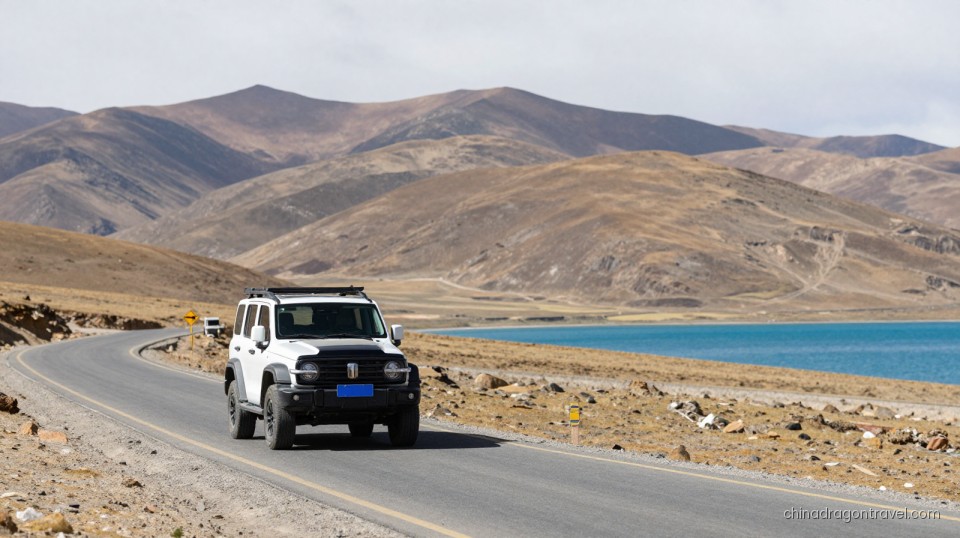
The best charter vehicle is not necessarily the largest or most expensive. Choose based on the number of travelers, luggage, road conditions, and the length of the trip. A vehicle that is comfortable for a short city transfer may be a poor fit for several days of mountain driving. Ask the provider to identify the vehicle category and seating capacity, and clarify whether the quoted vehicle is guaranteed or simply an example of the type supplied.
Match Vehicle Capacity To Your Group
Count both passengers and bags. A vehicle with enough seats may still have limited room for suitcases, camera equipment, or outdoor gear. Ask how much luggage the vehicle can safely carry and whether large bags will need to be limited. If you are traveling with a group, confirm that every passenger has an individual seat and seat belt; avoid plans that rely on improvised seating or overloading.
For a small group on paved roads, a standard passenger vehicle may be appropriate. A larger van can provide more cabin space for a family or group, but its size may affect maneuverability on narrow roads. A suitable four-wheel-drive vehicle may be considered for routes where the road surface or conditions call for it, but the label alone does not guarantee access or capability. Ask what vehicle is actually available for your dates and whether the route requires specific equipment.
Comfort also depends on the condition of the vehicle. Ask when it was last maintained, whether it has working air conditioning or heating as appropriate, and what safety equipment is carried. You can request a recent photo of the actual vehicle, but remember that photos are not a substitute for confirming the vehicle category and condition in the booking terms.
Confirm The Driver’s Role And Experience
A charter normally includes a driver, but the driver’s responsibilities can vary. Confirm whether the driver is expected to act only as a driver or also to provide local explanations. Do not assume a driver is a licensed tour guide or speaks a particular language unless that has been expressly agreed. If language support matters, ask whether an interpreter or guide can be arranged and whether that service is included in the price.
Ask about the driver’s experience with the intended route, daily driving limits, and rest arrangements. Safe driving matters more than completing a packed schedule. Clarify how the driver’s meals and overnight accommodation are handled, since these may be included in the quote or paid separately. A professional provider should be willing to explain the practical arrangements without making unrealistic guarantees about travel times or road access.
Check What The Quote Includes
Compare quotes on the same basis. Ask whether the price includes the vehicle, driver, fuel, driver accommodation, parking, tolls, and any required local arrangements. Clarify which expenses are paid directly by you and which are covered by the provider. If the itinerary changes, find out how extra mileage, additional days, waiting time, or an overnight extension will be priced.
A low initial quote can become less attractive if essential costs are excluded. Conversely, a higher quote may include services that another provider lists separately. Request an itemized explanation, especially for long routes with several overnight stops. Make sure the proposed vehicle, dates, passenger count, and route are all reflected in the quote so you can compare like with like.
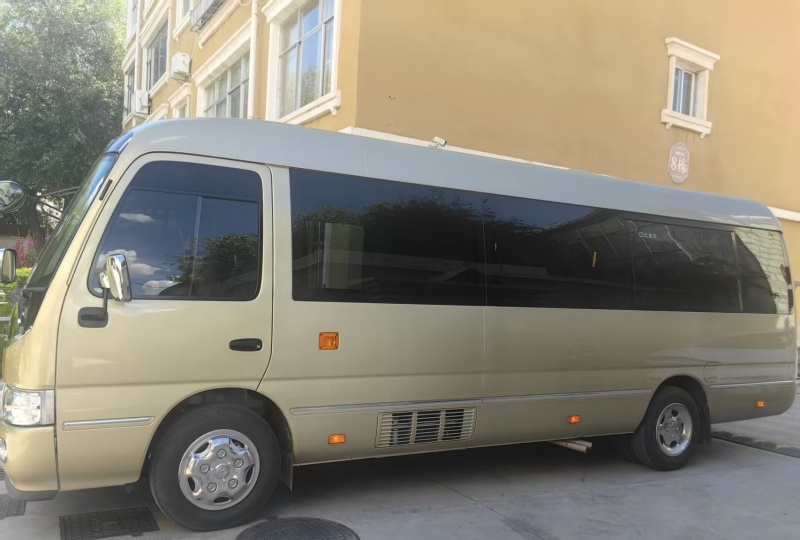
Toyota Coaster (17-seater)
Step 3: Review The Chartered Vehicle Contract
A written agreement protects both the traveler and the provider by setting out what has been booked. Read it before paying a deposit, and ask for unclear terms to be explained in writing. A message thread or verbal promise may not clearly establish what happens if your route changes, a vehicle becomes unavailable, or a trip must be canceled.
Check The Core Booking Details
The contract or booking confirmation should identify the travel dates, passenger count, vehicle category, planned route, pickup and drop-off points, and the agreed price. It should state whether the price is fixed for the listed itinerary or subject to additional charges. Check that the arrangement describes the vehicle charter you expect, rather than a different service such as a transfer or shared tour.
Look for details about included expenses: fuel, parking, tolls, driver lodging and meals, and any required permits or local service fees. If a cost is excluded, ask how it is calculated and when it is payable. For optional stops or extra driving, agree on the method for approving and pricing the change before the trip begins.
Understand Deposits, Cancellations, And Changes
Read the payment schedule and cancellation terms closely. Confirm the deposit amount, payment method, balance due date, and conditions for a refund or date change. Ask what happens if you cannot travel because of a permit issue, illness, a transport disruption, or an official restriction. The applicable terms may differ for each situation, so do not rely on a general verbal assurance.
Make sure the contract explains how route changes are handled. Weather or road closures may require adjustments, but that does not mean every change should be left undefined. Agree on who makes operational decisions for safety, how the traveler will be informed, and whether a change that adds substantial mileage or an extra night affects the price. Keep written records of any revised arrangements.
Payment should go to the named business or authorized account specified in the booking documents. Ask for a receipt or confirmation. Avoid sending money to an account that cannot be linked to the provider, and be cautious if you are pressured to pay immediately without receiving basic booking details.
Confirm Safety And Responsibility Arrangements
Ask whether the charter provider has the required operating authorization and whether the vehicle is appropriately insured for the service being offered. Confirm what the insurance covers and what it does not. Travel insurance is a separate consideration: check your policy for coverage of high-altitude travel, medical evacuation, trip interruption, and activities planned on the route. Policy terms vary, so verify coverage directly with the insurer rather than assuming a standard policy applies.
The agreement should provide a reliable contact for the provider during the journey. Ask whom to call if the vehicle develops a problem, the driver is delayed, or the itinerary must be adjusted. It is also sensible to exchange contact details with the driver before departure and to keep the provider’s emergency contact available offline.

Step 4: Prepare For A Comfortable, Flexible Journey
Once the route and booking are settled, preparation helps you travel more comfortably and respond calmly to changes. Conditions vary by season and elevation, so pack for the itinerary rather than relying on a generic packing list. Your provider can explain expected road conditions, but bring layers and practical essentials for long drives and changing temperatures.
Plan For Altitude And Rest
Altitude affects people differently, and no itinerary can guarantee that everyone will feel well. Discuss high-altitude travel with a qualified medical professional before departure, especially if you have an existing health condition or have experienced altitude-related problems. Follow current medical advice, stay attentive to how you feel, and do not treat a demanding schedule as a reason to ignore symptoms. If you feel unwell, tell your companions and driver promptly and seek appropriate medical help.
Allow time to acclimatize according to professional guidance and your personal circumstances. Avoid building an aggressive climb into the first part of the trip. Carry any prescribed medication in its original packaging and keep essentials in your hand luggage rather than in a suitcase packed deep in the vehicle. Your driver is not a substitute for medical care, so identify in advance how to contact local assistance if needed.
Pack For Long Drives
Keep drinking water, snacks, tissues, hand sanitizer, sun protection, and any necessary personal medication accessible in the cabin. A light layer is useful when temperatures change between sunny valleys and exposed high-altitude stops. If you have motion sickness, speak with a medical professional or pharmacist about suitable options before travel, and follow their instructions.
A power bank and charging cable can be helpful, but mobile coverage and charging opportunities may be limited on some stretches. Download maps, booking details, and essential documents for offline access. Carry a small amount of local currency where practical, since card acceptance and access to cash can vary outside larger towns. Keep valuables secure and avoid leaving passports or important documents unattended in the vehicle.
Agree On Daily Communication
At the start of each day, review the planned route, approximate stops, and expected arrival time with the driver. Ask about road or weather updates and whether any planned stop is affected. If you want to pause for photographs, meals, or a short walk, communicate this clearly and be considerate of driving hours and daylight. The driver may need to decline a stop or change the schedule for safety or access reasons.
Keep the provider informed if your group’s needs change. A new passenger, extra luggage, or an additional destination can affect both the vehicle’s capacity and the quoted cost. Avoid making a significant change on the assumption that it will be included at no charge. A quick written confirmation can prevent misunderstandings later.
Know What To Do If Plans Change
Delays are possible on long-distance routes. A road closure, vehicle issue, weather event, or permit-related restriction may require a different plan. Keep a flexible attitude, but ask for clear information about the alternatives. If the provider proposes a substantial change, confirm the revised route, overnight arrangements, and any additional costs before agreeing where circumstances allow.
If a mechanical issue occurs, contact the provider and follow the driver’s safety instructions. Do not arrange an unverified replacement vehicle independently without checking that it is authorized and suitable for your journey. Save the booking confirmation, contact details, and payment records in a place you can access without an internet connection.
Travelers booking through a company such as China Dragon Travel can ask its team to explain the proposed route, vehicle category, permit arrangements, and included services before confirming. As with any provider, request written details and check that they match your own itinerary and expectations. A clear conversation before departure is one of the simplest ways to reduce avoidable confusion during the trip.

Reliable Drivers of China Dragon Travel
FAQs About Chartering Vehicles in Tibet
How far in advance should I book a charter vehicle in Tibet?
Book as early as practical, particularly if your dates are fixed or your route requires additional arrangements. The right lead time depends on the season, vehicle availability, and destination requirements. Confirm permit timelines and booking conditions directly with your travel provider before paying.
Can I choose my own route?
You can usually discuss and propose a route, but access restrictions, road conditions, permits, and safety considerations may limit what is possible. Agree on the itinerary in writing and ask how changes will be handled.
Is a four-wheel-drive vehicle always necessary?
No. The suitable vehicle depends on your route, current road conditions, group size, and luggage. Ask the provider to recommend a vehicle for the specific itinerary and confirm the category and capacity in your booking.
Does a charter price normally include fuel and driver accommodation?
Inclusions vary. Ask for an itemized quote that specifies fuel, driver accommodation and meals, parking, tolls, and any other fees. Do not assume an expense is included unless the booking documents say so.
What should I do if weather or road conditions change the itinerary?
Follow the driver’s safety guidance and contact the provider using the agreed details. Discuss practical alternatives, confirm any revised costs or overnight plans in writing, and avoid pressuring the driver to travel in unsafe conditions.