A journey to Tibet by train combines long hours on board with high-altitude travel and changing conditions outside. Pack for comfort, hydration, easy access to essentials, and the possibility of feeling unwell—not for every hypothetical scenario. This guide helps you decide what belongs in your bag, what should stay within reach, and what to leave at home.
Key Takeaways
- Pack a small day bag: Keep documents, medicines, water, tissues, and warm layers close at hand.
- Dress in layers: Train cabins are enclosed, while temperatures can vary greatly between the train and outdoor stops.
- Plan for dry air: Bring lip balm, moisturizer, and a refillable bottle; drink regularly without forcing excessive amounts.
- Keep medications accessible: Carry your regular prescriptions and discuss altitude-related medication with a qualified clinician before departure.
- Travel light: There is limited personal space, so prioritize useful, compact items over bulky gear.
Start With The Train Journey
The Qinghai-Tibet Railway is a long-distance route, and the exact duration depends on where you board and your itinerary. Many travelers spend a night or more on the train. Packing well is therefore less about bringing specialist equipment and more about arranging ordinary travel essentials so you can reach them easily.
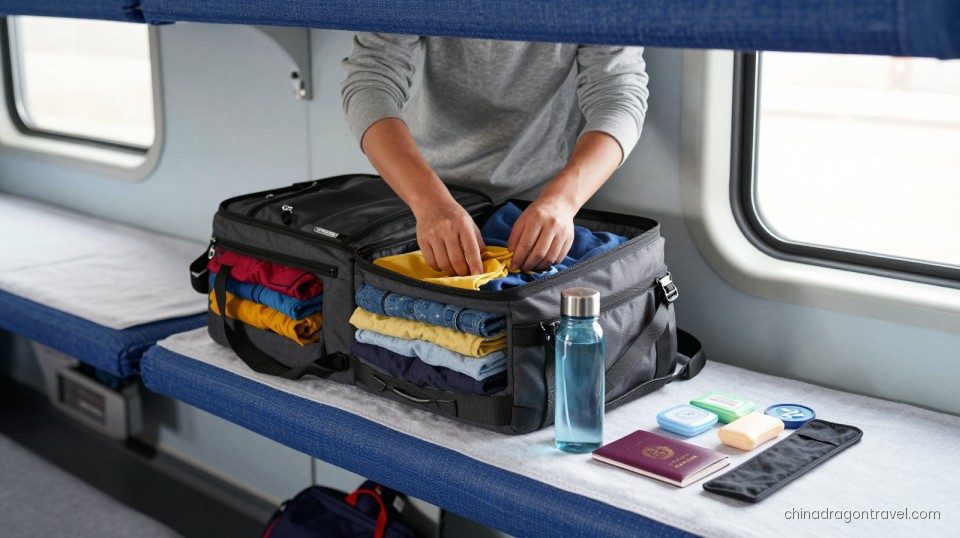
Separate your luggage into two parts: a larger suitcase or backpack for items you will not need frequently, and a small day bag for the carriage. Put documents, phone, charger, medication, water, snacks, tissues, and a light layer in the day bag. If you have to reach an item while seated or in a shared sleeping compartment, this organization saves rummaging and keeps your space manageable.
Before departure, check the current luggage rules and your ticket details with the railway or your booking provider. Baggage allowances, security screening procedures, and available services can vary. Do not assume that every item is permitted simply because it is commonly carried on other trains.
Your accommodation class also affects what to pack. A hard sleeper, soft sleeper, and seat offer different levels of privacy and personal space. Bedding is generally provided in sleeper compartments, but a compact eye mask and earplugs may still help if you are sensitive to light or noise. A seat passenger may value a small neck pillow more, though it should not make the aisle or shared seating area difficult to use.
Clothing For Changing Temperatures
Choose comfortable clothes that are easy to layer. A breathable base layer, a warm mid-layer such as a fleece or sweater, and a light outer layer give you more flexibility than one heavy coat. The carriage can feel warm compared with the air outside, and you may want to adjust clothing without unpacking your main bag.
For the train, soft trousers, a loose top, and comfortable socks are practical. Avoid restrictive clothing that becomes uncomfortable during a long seated journey. If you plan to step outside at a station, keep a wind-resistant jacket near the top of your bag rather than buried under other belongings. Conditions vary by season, time of day, and location, so check a reliable forecast for your travel dates instead of relying on a general packing list.
Bring sturdy, comfortable shoes that are easy to slip on and off. You do not need technical hiking boots for the train itself. If your plans in Tibet include walking on uneven ground or day hikes, select footwear for those activities separately and make sure it is already comfortable before you travel.
A hat and sunglasses can be useful after arrival, particularly in bright, exposed conditions. Pack sunscreen as well: strong sunlight at altitude can affect skin even when the air feels cool. Choose a small, leak-resistant container and keep it somewhere accessible for days outside the train.
Avoid packing several bulky coats or outfits for every possible weather change. Layers can be reworn, and a compact laundry plan is often more practical than carrying excessive clothing. If traveling in winter, use warm accessories such as gloves and a beanie, while still keeping the clothing system adaptable indoors.
Altitude And Personal Health
The train gradually climbs to high elevations on its route to Tibet. Altitude affects people differently, and no packing list can guarantee that a traveler will avoid symptoms. Headache, fatigue, dizziness, nausea, and shortness of breath can occur. Take any unusual or severe symptoms seriously, and seek help from train staff or medical professionals when needed.
Carry your regular prescription medicines in their original packaging, along with a copy of the prescription or a note listing the generic names. Keep essential medication in your day bag, not only in checked or stored luggage. Bring enough for the trip and a reasonable delay buffer, subject to applicable travel rules. If a medicine needs temperature control, ask your pharmacist or clinician how to store it safely during the journey.
Do not begin prescription medication for altitude solely because a travel article recommends it. Ask a qualified clinician in advance whether medication is appropriate for you, when it should be taken, and whether it interacts with your existing treatment. People with heart, lung, or other significant health conditions should seek individualized advice before traveling to high altitude.
A fingertip pulse oximeter is optional, not essential for every traveler. Readings can be affected by device quality, movement, cold hands, and altitude, and a number alone cannot diagnose altitude illness. If you already use one on medical advice, follow your clinician’s instructions rather than treating the device as a substitute for assessing how you feel.
Bring a small personal first-aid kit with items you know how to use: adhesive dressings, any regular pain relief that is safe for you, and basic supplies for minor discomfort. Check active ingredients and avoid combining medicines without understanding what they contain. Keep packaging so you can identify a product if you need assistance.
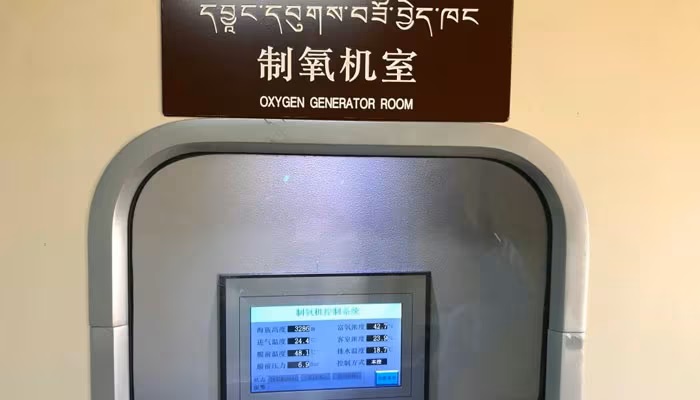
Tibet Train Oxygen Generator Room
Hydration And Dry-Air Comfort
Dry air can make your lips, nose, and skin feel uncomfortable. Pack lip balm, a small moisturizer, and tissues. Saline nasal spray may help some travelers with dryness; choose a product you already know how to use and check its instructions. A small hand cream is useful after washing, especially if you are traveling in cold or windy conditions.
Carry a reusable water bottle that closes securely. Fill it where potable water is available, and follow instructions from the train or accommodation about drinking water. Drink regularly according to thirst and your personal medical needs. There is no need to force large quantities of water; people with fluid restrictions should follow their clinician’s advice.
Hot drinks can be comforting, but remember that caffeine may affect sleep or make some people feel jittery. If you are sensitive, choose decaffeinated or non-caffeinated options. Avoid relying on alcohol to relax or sleep: it can worsen dehydration and is not a sensible way to prepare for altitude.
If you use contact lenses, bring glasses as a backup and pack enough lens solution in a travel-size container that meets applicable transport rules. Dry conditions can make lenses less comfortable. A compact pack of unscented wipes can be useful, but do not flush wipes or dispose of them in a way that could block train toilets.
Food And Snacks For The Ride
Food availability and meal arrangements may vary by train and ticket class. Check what is included before boarding, and do not assume that a particular menu or service will be available. A few familiar snacks provide a useful backup, especially if you have dietary restrictions or prefer to eat at specific times.
Choose foods that travel well and do not create strong odors or excessive crumbs. Individually wrapped crackers, plain biscuits, nuts or dried fruit (if suitable for your diet), and simple energy bars are easy to store. Pack snacks in a resealable bag and take all wrappers with you until you can dispose of them properly.
If you have a food allergy, carry a written note explaining it, including a translation if useful for your itinerary. Keep necessary emergency medication accessible and make sure companions know where it is. Travelers with strict dietary needs may wish to bring more suitable food from a location where the ingredients can be checked, while complying with food and transport restrictions.
Avoid packing an elaborate picnic that occupies valuable space or spoils without refrigeration. Foods with strong smells can be uncomfortable in a shared compartment. Bring a spoon or fork only if you will actually use it, and consider a small reusable utensil instead of disposable extras.

Tibet Train Boxed Meal
Documents, Money, And Electronics
Keep your passport and other required travel documents in a secure, reachable place. Confirm which permits, tickets, identification, or booking documents are needed for your specific itinerary. Requirements can depend on nationality, route, and travel arrangements, so verify them with the relevant authorities or your licensed travel provider before departure.
Store digital copies of important documents securely, but do not rely on a phone alone. A paper backup can be useful if your battery runs low or connectivity is unavailable. Keep contact details for your hotel, tour operator, and emergency contacts in a form you can access offline.
Pack a phone charger and a power bank if permitted under current railway and security rules. Power outlet availability can differ by carriage and berth, so check your train details and do not count on a convenient socket. Charge devices before boarding, download maps or entertainment for offline use, and bring headphones for listening without disturbing other passengers.
A compact charging cable organizer prevents small items from disappearing in your bag. Keep devices and valuables close, particularly in shared spaces. A small combination lock may help secure zippers on your larger bag, but it does not replace attentive supervision of belongings.
Connectivity can be unreliable along parts of the route. Download necessary tickets, translation tools, reading material, and any travel information in advance. Check whether your mobile plan works in the areas you will visit and understand any local network or device restrictions before departure.
Sleep And Shared-Compartment Comfort
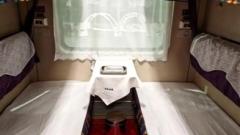
A sleeper compartment offers a place to rest, but it is still a shared travel environment. Pack earplugs and an eye mask if you are a light sleeper. A thin scarf or light blanket can be versatile, though bedding is generally supplied in sleeper accommodation; verify the details for your specific service rather than packing a bulky sleeping bag by default.
Keep toiletries simple and compact. A toothbrush, toothpaste, face wash, deodorant, tissues, and a small towel are enough for many travelers. A quick-drying hand towel is useful if you prefer your own. Put toiletries in a leakproof pouch so a spill does not soak documents, clothes, or electronics.
Choose fragrance-free or lightly scented products in a shared carriage. Strong scents can bother other passengers, especially in a confined space. Pack a small rubbish bag for personal wrappers or damp items, but dispose of waste appropriately rather than leaving it in the compartment.
If you use a CPAP machine or another medical device, consult your clinician and the railway or booking provider about power, batteries, and safe use before travel. Do not assume that a train outlet is suitable as the only power source for essential equipment. Carry required accessories and keep the device protected while moving through the carriage.

Tibet Train Soft Sleeper
What To Keep In Your Day Bag
A practical day bag should be compact enough to fit beside you or within your allocated space. Its contents depend on your needs, but this checklist covers common essentials:
- Passport, ticket, and other required travel documents.
- Regular medication and any clinician-approved altitude-related medicine.
- Refillable water bottle and a few suitable snacks.
- Phone, charging cable, and permitted power bank.
- Tissues, hand sanitizer, lip balm, and moisturizer.
- A warm layer, light scarf, and eye mask or earplugs.
- Glasses, contact-lens supplies, or other daily-use items.
- A small amount of cash and a secure payment card.
Keep the bag zipped and avoid placing valuables in an outer pocket. If you need to leave your seat, take your most important belongings with you. For bulky luggage, follow the train’s storage arrangements and keep access routes clear for everyone.
What To Leave At Home
Skip equipment that duplicates what you already have or is unlikely to be useful. Large suitcases full of outfit changes, multiple heavy jackets, full-size toiletries, and a large collection of snacks can make a confined journey less comfortable. Pack for your actual itinerary, not every activity you might imagine doing.
Do not bring medication you have never used without first understanding its effects and suitability. Avoid unverified altitude products that promise to prevent illness. Herbal supplements can interact with medicines or have uncertain effects; ask a healthcare professional before using them, particularly if you have an existing condition.
Leave items prohibited by railway or security rules at home. Rules on batteries, sharp objects, aerosols, liquids, and other items may change, so check current requirements before packing. If in doubt, contact the railway or your ticket provider rather than relying on advice from an unrelated route or an old packing list.
Packing By Season And Itinerary
The right clothing depends on the time of year, your departure city, and what you plan to do after arriving. A traveler continuing directly to a hotel has different needs from someone heading out for outdoor activities. Check forecasts for both the departure point and your destination, and remember that forecasts do not remove the possibility of sudden changes.
For warmer months, breathable layers, sun protection, and a light jacket are usually more useful than thick winter clothing. For colder months, add thermal layers, warm socks, gloves, and a hat, but keep an adaptable set for heated indoor spaces. Spring and autumn can bring variable conditions, so a compact rain shell and layers are a sensible combination when the forecast calls for them.
If your Tibet itinerary includes walking, religious sites, or time outdoors, pack clothing that suits the activity and local expectations. Comfortable shoes matter more than fashionable ones when you will be on your feet. For remote excursions, confirm equipment needs with your tour operator rather than assuming the train packing list covers every part of the trip.
Passengers booking through China Dragon Travel can ask their travel consultant to confirm itinerary-specific document and luggage details before departure. Regardless of provider, verify current requirements directly for your own route, ticket, and nationality.
Frequently Asked Questions
How many bags should I take on the Qinghai-Tibet train?
A larger main bag plus a compact day bag works well for many travelers. The day bag keeps essential items within reach, while the main bag holds clothing and items you will use less often. Check current luggage rules and the storage arrangements for your ticket class before leaving.
Do I need to bring oxygen for the train?
Do not treat personal oxygen equipment as a routine packing item or a substitute for medical advice. The train’s facilities and procedures can vary, and travelers with a medical need should discuss the journey with a clinician and confirm arrangements with the railway or travel provider in advance. Seek help if you develop concerning symptoms.
What should I wear on board?
Wear comfortable, breathable clothes that can be layered. A base layer, warm top, and light outer layer let you adjust to indoor and outdoor conditions. Keep a jacket and comfortable shoes accessible if you may step off at a station.
Are meals provided on the Qinghai-Tibet train?
Food arrangements depend on the train and ticket details, so check before travel rather than assuming meals are included. Carry a few suitable snacks, especially if you have dietary requirements, and follow current rules for bringing food on board.
Should I take altitude medicine before boarding?
Only use altitude-related medication after consulting a qualified clinician who understands your health and itinerary. Ask about suitability, timing, side effects, and interactions with your regular medicines. A general packing guide cannot determine what treatment is right for an individual traveler.