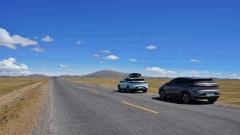
A private chartered tour and a group tour can both take you across Tibet, but they offer very different ways to travel. The right choice depends on your budget, preferred pace, group size, and how much flexibility matters to you. This guide explains the practical differences so you can choose with realistic expectations.
Key Takeaways
- A private chartered tour gives your own party a dedicated vehicle and more control over the itinerary, subject to local rules and road conditions.
- A group tour follows a shared schedule, usually making the per-person price lower when you are comfortable traveling with others.
- Both options require advance planning: Tibet travel permits and tour arrangements depend on your nationality, route, and current regulations.
- Neither option removes altitude risks: allow time to acclimatize and follow your guide’s advice.
- Best fit: choose private travel for flexibility and privacy; choose a group departure for a more structured, budget-conscious experience.
What Does A Private Chartered Tour In Tibet Mean?
A private chartered tour is arranged for you and the people traveling with you, rather than for a collection of unrelated guests. The tour operator typically organizes a vehicle and a local guide for your party, along with the itinerary, accommodation, and required travel arrangements specified in your booking.
“Private” does not mean that every part of the trip is unrestricted. Visitors generally need to travel in Tibet with an authorized tour arrangement, and permitted routes and destinations can depend on the documents issued for the trip. Your guide and driver must work within local requirements, opening times, road conditions, and the agreed itinerary. A private vehicle gives you more room to adjust the pace where feasible; it does not grant access to places that are closed or outside the approved route.
The vehicle is usually reserved for your party. Depending on the route and the size of your group, it might be a car, a minivan, or another suitable vehicle. Confirm the vehicle type, passenger capacity, luggage allowance, and whether airport transfers are included before paying a deposit. A vehicle that is comfortable for a short transfer may feel cramped when carrying several people and full-size bags over long distances.
Private itineraries are commonly chosen by families, couples, friends, photographers, and travelers with specific interests. A party may want more time at a monastery, prefer shorter driving days, or need a slower pace for an older family member. These preferences can be discussed in advance, though the final plan still needs to fit the route, permits, and practical travel conditions.
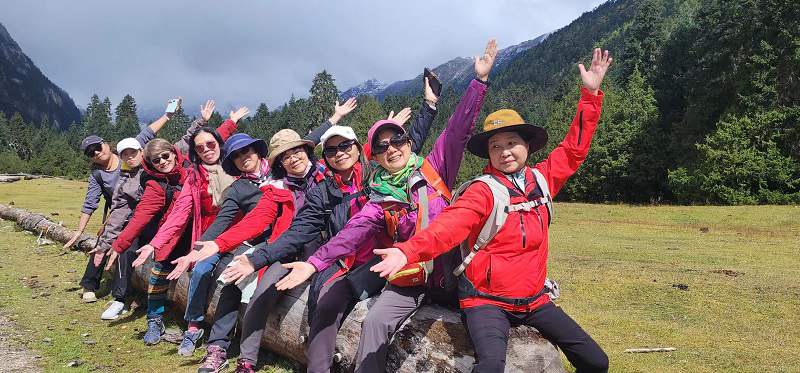
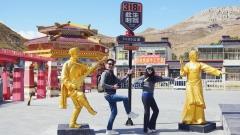
Travelers with China Dragon Travel
What Is A Group Tour In Tibet?
A group tour brings travelers who may not know one another together on a planned departure. The operator sets the itinerary and travel dates, then fills a shared vehicle and organizes the group’s guide, accommodation, and other listed services. Group sizes vary by product, so do not assume that every departure has the same number of participants.
The main advantage is a shared cost. Because passengers split some expenses, the price per person can be lower than arranging a vehicle and guide just for a small private party. Group departures also provide a ready-made structure: the route, scheduled stops, and accommodation are set before the trip begins. This can be convenient if you have fixed travel dates and are happy to follow a common plan.
The trade-off is reduced control. You may need to wait for other travelers at stops, follow the group’s pace, and accept the scheduled departure time. A group itinerary is not usually changed for one person’s preferred restaurant, extra photography stop, or late start. If someone in the group needs additional time or feels unwell, the guide must balance that need with the rest of the travelers and the day’s logistics.
A group tour can suit solo travelers, couples, or small parties who want a structured trip and are comfortable sharing transport. Before joining, ask about the confirmed group size, what happens if the departure does not reach its minimum number, and whether the price changes if the operator offers a private alternative.

Private Chartered Tour Vs Group Tour: The Main Differences
Price And What Is Included
Price is often the first point of comparison, but the headline number alone can be misleading. In a private chartered tour, your party usually covers the cost of the dedicated vehicle and guide. For two travelers, this can make the per-person price higher than a shared departure. For a larger family or group of friends, the same fixed transport costs are divided among more people, narrowing the difference.
A group tour spreads certain expenses across the participants, which can make it more affordable per traveler. However, check exactly what the quoted price includes. Accommodation category, meals, entry fees, transfers, travel permits, and services before or after the listed itinerary may be treated differently by different operators. A low advertised price is not useful for comparison until you know what is excluded.
Ask for an itemized explanation of the total cost. Clarify whether single-room supplements apply, how room sharing is handled, whether the guide’s accommodation and meals are covered, and what happens if the route or hotel changes. Also ask which costs are payable locally and whether payment methods are available in the places you will visit.
Itinerary Flexibility And Daily Pace
A private chartered tour generally offers more flexibility within the agreed plan. You can discuss start times, meal preferences, and how long to spend at suitable stops. If weather, road conditions, altitude symptoms, or a site’s operating schedule affect the day, the guide and operator may be able to adjust the order or pace when regulations and logistics allow.
Flexibility is not the same as an open-ended itinerary. Long distances, fixed hotel bookings, permit conditions, and access restrictions can limit changes. A request to add a distant destination may require a new route plan and advance arrangements, and it might not be possible once travel has started. Ask the operator which parts of the itinerary are adjustable and which are fixed.
Group tours follow a shared schedule. That makes the day easier to plan, but leaves less room for individual preferences. If you enjoy knowing when the group departs and where it will stop, this structure can be reassuring. If you want to linger, move slowly, or make frequent unscheduled stops, a group departure may feel restrictive.
Privacy, Comfort, And Social Experience
On a private trip, the vehicle and guide are for your party. You can talk freely, manage your luggage more easily, and travel with people you already know. This can be particularly helpful for families with children, travelers with specific dietary needs, or anyone who values quiet time during long drives. The guide is still working with your party rather than providing an exclusive service to each individual at every moment, so discuss expectations clearly.
A group tour involves sharing space and daily decisions. That can be enjoyable: travelers often exchange practical tips, share meals, and experience the route together. It also means you should be comfortable with different habits, punctuality, and preferences. Ask about seating arrangements and luggage capacity, especially if the itinerary includes extended drives.
Planning And Communication
Private travel usually involves more discussion before departure. You can tell the operator your interests, preferred pace, room requirements, and any mobility or dietary considerations. This takes time, but it gives the operator a chance to identify potential issues before the itinerary is finalized.
A group tour may require fewer decisions because the operator has already established the route and services. You still need to confirm the dates, inclusions, group size, and booking conditions. Read the itinerary closely: a day described as a sightseeing day may include several hours of driving, and the listed hotel standard may not mean the same thing in every town.
Permits, Guides, And Travel Rules
Choosing a private or group format does not remove the need to follow Tibet’s travel requirements. Rules can vary according to nationality, destination, and the regulations in force at the time of travel. Foreign visitors commonly need a Tibet Travel Permit arranged through an authorized travel agency before entering the region, and some destinations outside Lhasa may require additional permits or approvals. Requirements can change, so confirm the current process with your operator before booking transport or making non-refundable plans.
An approved itinerary may need to be arranged in advance. Do not assume you can independently hire a vehicle and guide at the last minute, change destinations freely, or use a permit issued for one route to travel somewhere else. Carry the documents your operator advises you to bring, and check that your name and passport details match the booking information.
Ask who is responsible for submitting permit applications, what information is required, and when documents are expected to be ready. Processing timelines may vary, so leave a reasonable planning margin. A responsible operator should explain what it can confirm and avoid promising that every requested route or permit will be approved.
Altitude And Health: Important For Both Tour Types
Tibet includes high-altitude destinations, and travelers can experience altitude-related symptoms regardless of how they travel. A private vehicle does not prevent altitude sickness, while a group schedule does not guarantee that you will adapt at the same rate as other participants. Headache, nausea, dizziness, unusual tiredness, and shortness of breath can occur. Serious or worsening symptoms require prompt attention.
Plan an acclimatization period, especially if arriving from a much lower altitude. Many visitors spend time in Lhasa before continuing to higher destinations, but an itinerary should be considered in light of individual health and travel history. Move at a measured pace, stay hydrated, avoid strenuous activity during the initial adjustment period, and follow guidance from your guide and a qualified medical professional. People with existing health concerns should seek medical advice before travel.
When comparing itineraries, look beyond the number of attractions. Check the altitude of overnight stops, the amount of driving, and whether the schedule includes a gradual progression. A private itinerary may make it easier to request a gentler pace, but altitude and road constraints remain. On a group tour, tell the operator about relevant health needs before booking and ask how the guide responds if a participant becomes unwell.
Travel insurance should be reviewed carefully. Confirm that it covers the activities and altitudes in your itinerary and understand the policy’s emergency and evacuation provisions. Do not rely on a tour format as a substitute for suitable insurance or medical preparation.
Which Option Fits Your Travel Style?
Choose A Private Chartered Tour If…
A private chartered tour may be a better match if you are traveling with a family or a group of friends and want to share a vehicle only with your own party. It can also suit photographers who need time at permitted stops, travelers who prefer a slower pace, and visitors with specific accommodation or meal preferences. The strongest reason to choose private travel is often not luxury, but control over the day’s rhythm and more direct communication with the guide.
It may be less attractive if you are traveling alone and the total vehicle cost would be difficult to justify. Ask for a clear quotation and compare it with a group departure on the same route and dates. If your party is large, request confirmation that the vehicle and luggage arrangements are suitable rather than assuming a single vehicle will be provided.
Choose A Group Tour If…
A group tour can work well if you are traveling solo or as a pair, have a limited budget, and are comfortable with a fixed itinerary. It can also be a practical choice if your dates match a scheduled departure and you would enjoy meeting other travelers. The value depends on the itinerary and inclusions, not simply the size of the group.
Before booking, consider how you handle early starts, shared transport, and waiting for others. Ask how much free time is built into the schedule, whether the operator guarantees the departure, and what the cancellation policy says if the group does not form. If you need a particular room setup or have mobility concerns, get written confirmation that the arrangement is workable.
Consider A Semi-Private Or Custom Arrangement
Some operators may offer a small group departure or allow travelers who already know one another to book a shared itinerary. This can sit between a fully private charter and an open group departure. The exact meaning of “small group” varies, so ask for the maximum passenger count and whether the vehicle is reserved exclusively for your party.
A custom arrangement is another possibility for travelers who want a tailored route but do not need every element to be private. You might keep a standard itinerary while requesting a suitable hotel room or a different pace where feasible. Confirm which changes affect the price and whether they require updated permits or bookings.
How To Compare Two Tibet Tour Quotes
Use the same checklist for each operator so you can compare like with like:
- Route and duration: Confirm every overnight stop, driving day, and included sightseeing visit.
- Permit arrangements: Ask which permits are required for your route and who handles the applications.
- Vehicle and group size: Check the vehicle type, seating capacity, luggage space, and maximum number of passengers.
- Guide services: Confirm whether a guide accompanies the group throughout and what languages are available.
- Accommodation: Ask for hotel names or a clear standard, room arrangements, and any single supplement.
- Meals and entrance fees: Identify which meals and tickets are included and which are paid separately.
- Transfers: Check whether arrival and departure transfers are part of the package.
- Contingencies: Ask how itinerary changes, delays, illness, or permit issues are handled.
- Booking terms: Read deposit, balance, cancellation, and refund conditions before committing.
A useful quotation explains the services in plain language. If an important detail is vague, ask for clarification in writing. Compare the total cost, the amount of flexibility, and the support provided—not just the per-person price.
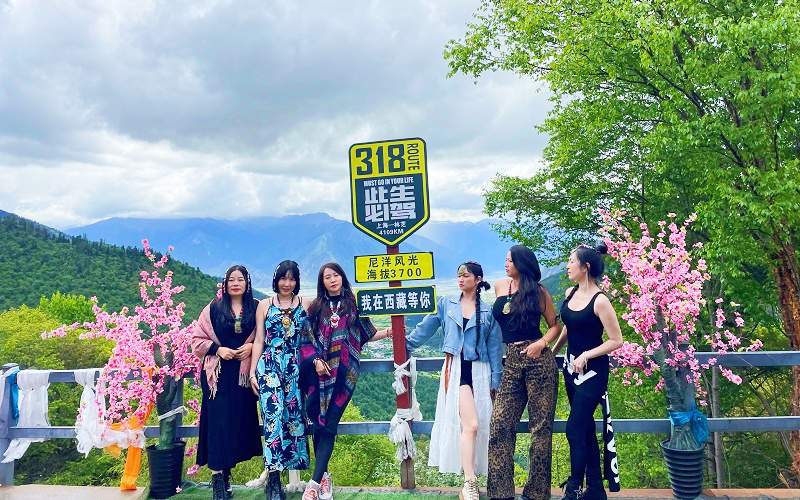
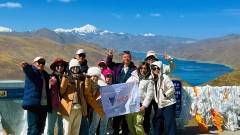
Travelers with China Dragon Travel
Booking With China Dragon Travel
When discussing a Tibet itinerary with China Dragon Travel, explain who is traveling, your preferred dates, the route you have in mind, and whether you want a private vehicle or a shared departure. Mention relevant health, mobility, room, and dietary needs early so the operator can advise whether the plan is practical. Request a written itinerary and a breakdown of included and excluded services before confirming.
Ask the company to verify current permit requirements and explain which arrangements depend on official approval. No operator can responsibly guarantee access to every destination or eliminate changes caused by regulations, weather, road conditions, or other travel disruptions. Keep copies of your confirmed itinerary, booking terms, and relevant travel documents, and check that personal details are accurate.
Frequently Asked Questions
Is A Private Chartered Tour In Tibet Always More Expensive?
Not necessarily. It often costs more per person for a small party because the vehicle and guide are dedicated to your travelers. If several people share the cost, the difference from a group tour can become smaller. Compare the complete inclusions and total party price rather than relying on a single per-person figure.
Can I Change The Itinerary On A Private Tour?
You can usually discuss adjustments more easily than on a group departure, but changes are subject to permit conditions, local rules, road and weather conditions, hotel availability, and the operator’s logistics. Confirm which changes can be made before departure and avoid assuming that every request will be possible.
Are Group Tours In Tibet Suitable For Solo Travelers?
They can be, particularly if you are comfortable sharing transport and following a set schedule. Ask whether the departure is confirmed, how many people are expected, and whether a single-room supplement applies. Also check what happens if the minimum group size is not reached.
Do Private And Group Tours Have Different Permit Requirements?
The tour format alone does not determine the requirements. Permits and travel arrangements depend on factors such as nationality and destination. Ask an authorized operator to confirm the current requirements for your exact route and dates before making non-refundable bookings.
Which Tour Type Is Better For Altitude Acclimatization?
Neither format guarantees easier acclimatization. A private itinerary may allow more control over the pace, while a group trip follows a shared schedule. For either option, review overnight altitudes and driving plans, allow time to adjust, and seek medical advice if you have health concerns.